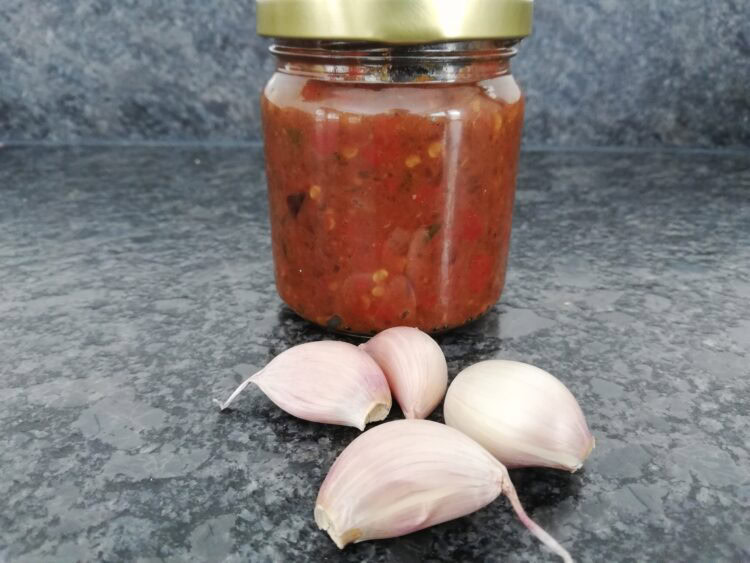
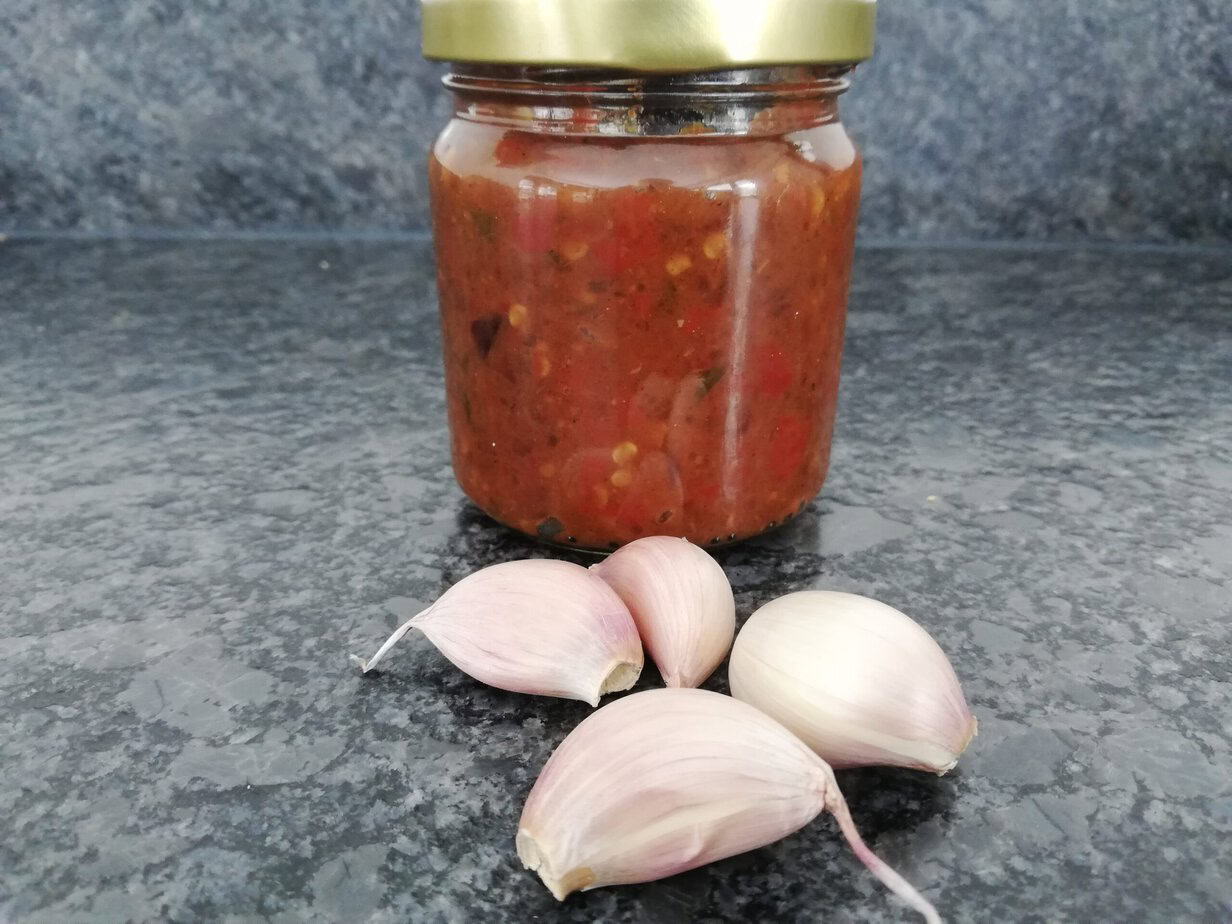
A glossy, deep-red cooked Indonesian chili paste, mellowed with homemade low-carb ketjap.
A single spoonful is all it takes: glossy and deep red, it livens up grilled food with chili heat, lemongrass and umami notes. Sambal badjak is a cooked chili paste that adds depth to chicken, fish, tofu, eggs and stir-fried vegetables. Allow 15 minutes of prep and 30 minutes of cooking for a small jar of about 200 g. This recipe joins my collection of keto sauces and dips.
What is sambal badjak?
Sambal badjak is one of the cooked sambals of Indonesian cuisine. Preparation begins with a finely ground spice paste, called boemboe, made from red chilies, red onions, garlic, ginger and galangal. This base is fried in hot coconut oil, then simmered: the flavors concentrate, the heat mellows and the texture becomes thick and soft.
The lemongrass, bruised before cooking, infuses the sambal with flavor but remains fibrous, so it is removed before serving.
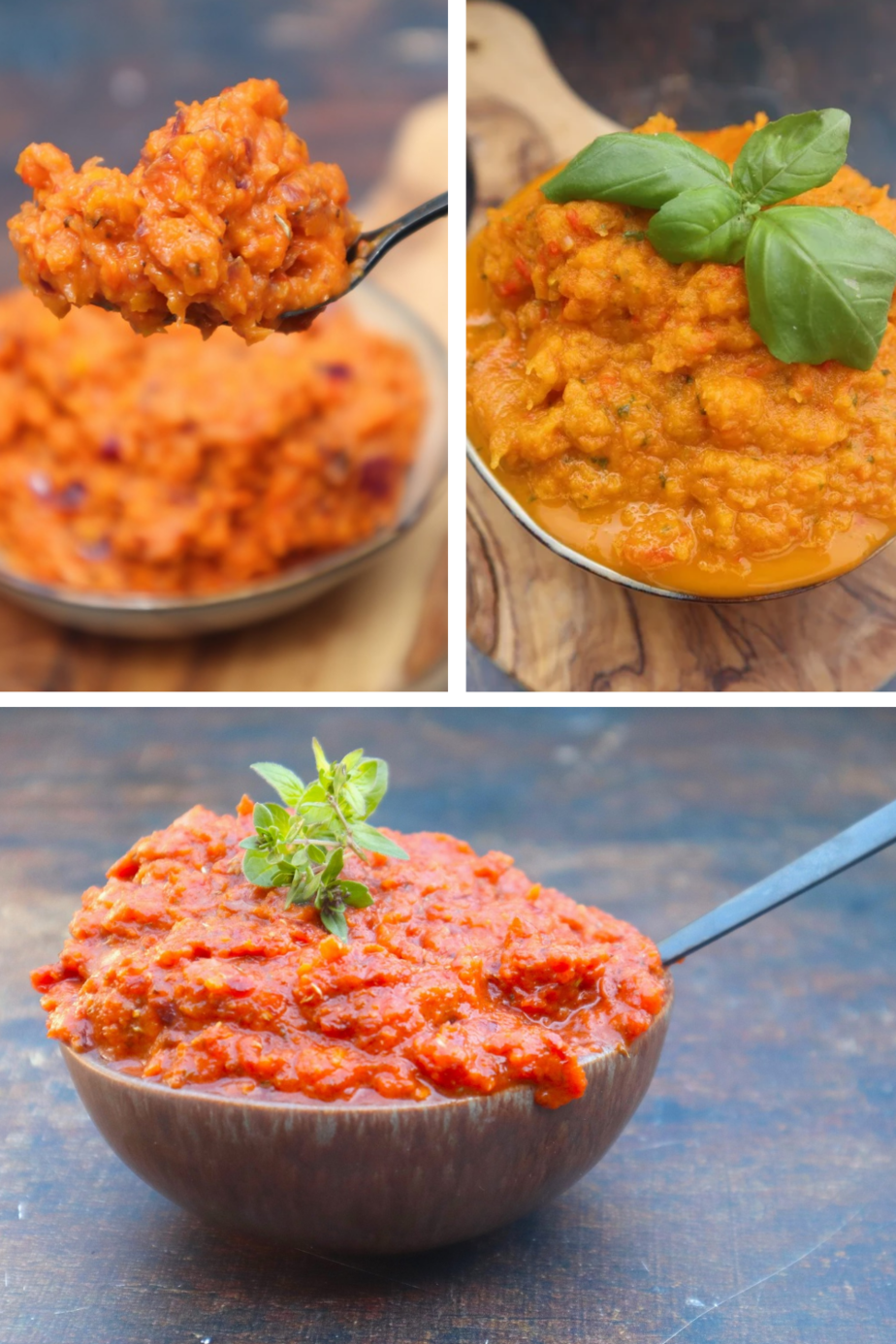
A sweet-and-savory cooked sambal
This version keeps the long, aromatic cooking process, with one adjustment: the sweetness comes from homemade low-carb ketjap. You can also replace it with soy sauce or tamari, combined with brown erythritol or a caramel-flavored liquid sweetener. The aim is to recreate a pronounced sweet-and-savory note without the sugar found in traditional kecap manis.
The main ingredients
The paste starts with 15 red chilies for color and heat, 2 red onions for body and a rounded flavor, 4 cloves of garlic, 1 cm of fresh galangal for its woody, citrusy notes, fresh ginger and 1 bruised lemongrass stalk. The red onions account for a significant share of the carbohydrates.
Sweetness and umami come from 4 tablespoons of homemade low-carb ketjap, or soy sauce or tamari with brown erythritol. Two teaspoons of trassi, a fermented shrimp paste that contains crustaceans, and 1 teaspoon of sugar-free fish sauce deepen the savory flavor. Five toasted kemiri nuts bind the paste and add a nutty creaminess; they must be eaten cooked.
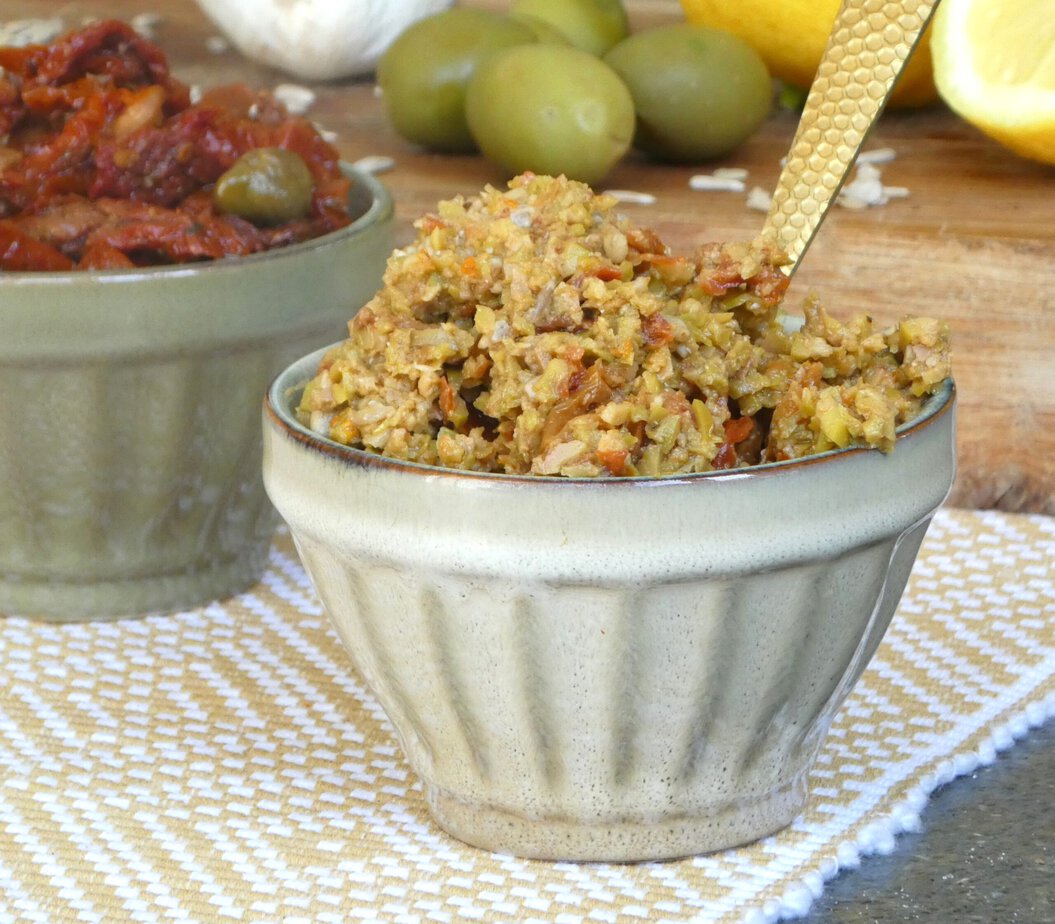
The juice of one lemon balances the sweetness and brightens the chili flavor, a large glass of hot water adjusts the consistency, and 3 tablespoons of coconut oil provide the cooking fat and help the aromatics release their fragrance.
Technique tips and serving
Success starts with a very smooth paste, so the chilies, onions, garlic, ginger and galangal cook evenly. First dry-toast the kemiri nuts, then fry the boemboe in hot coconut oil; stir in the nuts, water, lemon juice and sweet-and-savory seasoning, followed by the trassi, fish sauce and lemongrass. Ventilate the kitchen from the start, as chili fumes irritate the eyes, and be careful with salt, which is already present in the trassi, fish sauce and soy sauce or tamari. The texture should remain thick and soft; a little hot water will loosen it if it starts to stick.
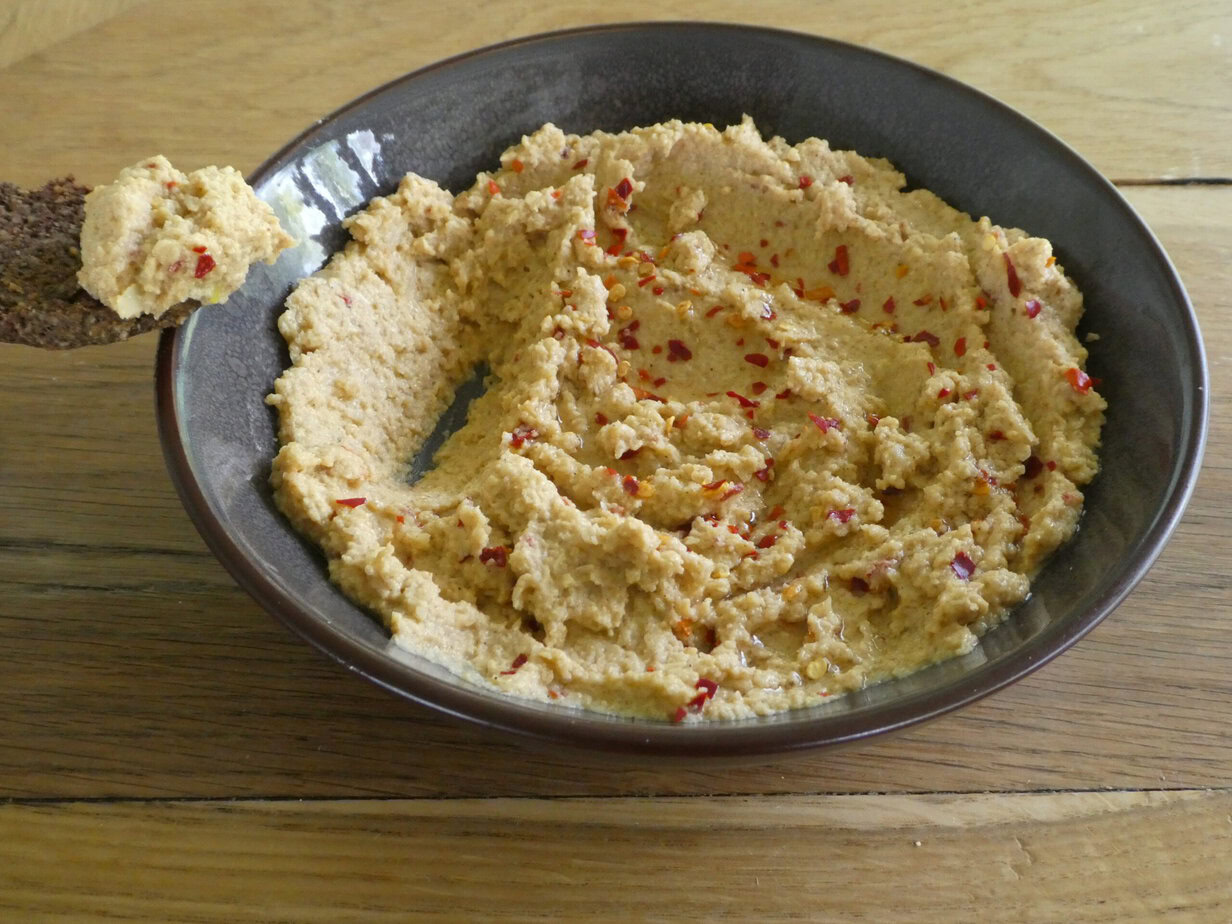
Sambal badjak is served in small quantities on the side. It pairs with skewers, lemongrass chicken, fish, tofu, tempeh, stir-fried vegetables and eggs, with non-starchy vegetables for a low-carb meal; the whole jar of about 200 g contains 35 g of net carbs. Transfer it while hot to a clean jar and let it cool before refrigerating, or freeze it in small portions to keep it longer. Galangal, lemongrass, hot chilies, trassi and kemiri nuts are mainly available at Asian grocery stores or online.
For a simpler basic condiment, here is my sambal oelek.
For everyday keto cooking, here are all my low-carb recipes.
Sambal badjak
Ingredients
- 15 red chilies (chili peppers or Spanish peppers) for more heat: bird’s eye chilies or Madame Jeanette peppers
- 2 red onions (moderate in carbs)
- 4 cloves garlic
- 1 cm fresh galangal
- cm fresh ginger
- 1 stalk fresh lemongrass
- 4 tablespoons low-carb ketjap homemade
- 2 teaspoons trassi
- 1 teaspoon fish sauce sugar-free
- 5 candlenuts
- 1 lemon juice
- 1 large glass water hot
- 3 tablespoons coconut oil
Without making ketjap
- 4 tablespoons soy sauce or tamari, with 1 tablespoon of brown erythritol, or a caramel-flavored liquid sweetener
Instructions
- Place the chilies, onions and garlic in the food processor.15 red chilies (chili peppers or Spanish peppers), 2 red onions, 4 cloves garlic
- Peel the ginger and galangal (not all the thin skin needs to be removed; it can simply go into the food processor). Cut into pieces and add.1 cm fresh galangal, cm fresh ginger
- Blend until smooth. You now have a boemboe.
- Pound the candlenuts in a mortar (or chop them into pieces).5 candlenuts
- Turn the extractor hood on to its highest setting and preferably open a window.
- Place the frying pan over medium-high heat. Toast the crushed candlenuts and add them.
- Place the frying pan over high heat and pour in the oil. Let it get nice and hot.3 tablespoons coconut oil
- Add the boemboe (the mixture). Stir for a few minutes over high heat.
- Then reduce to medium-high heat and add a little water.1 large glass water
- Squeeze the lemon and add the juice. Let the mixture simmer well.1 lemon juice
- Add the low-carb ketjap. Or use tamari with brown erythritol or caramel sweetener.4 tablespoons low-carb ketjap, 4 tablespoons soy sauce
- Crumble the trassi, using a mortar if needed, and add it. Add the fish sauce at this stage as well.2 teaspoons trassi, 1 teaspoon fish sauce
- Add the lemongrass (lightly crush, bend and twist it) and let it simmer with the rest.1 stalk fresh lemongrass
- Simmer for another half hour, adding water if necessary.
- Transfer the sambal while still hot to a clean small glass jar with a lid (or, for example, a small preserving jar). Stir well with a spoon to prevent air bubbles, then seal immediately.
- Once cooled, refrigerate.