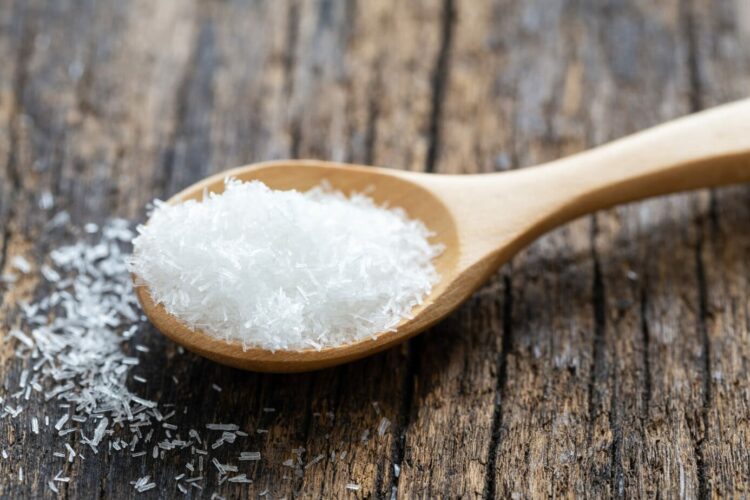
What is umami flavor?
Sweet, sour, salty, bitter… These tastes are already familiar to us, but what exactly is umami? It’s actually a relatively recent discovery. It’s also known as the “fifth taste,” and it has often been described as the subtle, velvety aftertaste you encounter in dishes that make the most of umami flavors. On its own, it isn’t all that interesting. It becomes far more interesting, taste-wise, when it’s paired with other flavors.
The history of umami
In the 1980s, after research on the subject had multiplied, umami was officially recognized as a true flavor, independent of the other four. And ever since, its popularity has been steadily on the rise.
In 1985, the International Symposium, held in Hawaii that year, decided that umami would be the precise term to designate this very distinctive taste. It is also derived from “umai,” which means “delicious” in Japanese.
To get a little idea of the taste: the flavor of broth, meat, seaweed, mushrooms, and even Parmesan is brimming with umami. Yet these foods don’t necessarily all taste the same. It actually happens at the molecular level.

Foods rich in amino acids (in monosodium glutamate, to be exact) complete the definition of umami flavor. This glutamate has been used for several centuries already, notably with the fermented fish sauces of Ancient Rome or the fermented barley sauces of medieval Byzantine and Arab cuisine. This new flavor actually translates to “pleasant and savory taste”; now there’s a good reason to work wonders in the kitchen!
Foods rich in umami
Still can’t picture the umami taste, or how to use it? You don’t even need to rush off to an Asian grocery store—you can find this flavor in plenty of foods you already have at home.
In beef, for example, pork, sauces, tomatoes, ketchup, cheeses… Soy sauce, fish sauce, and miso are also particularly rich in umami flavor.
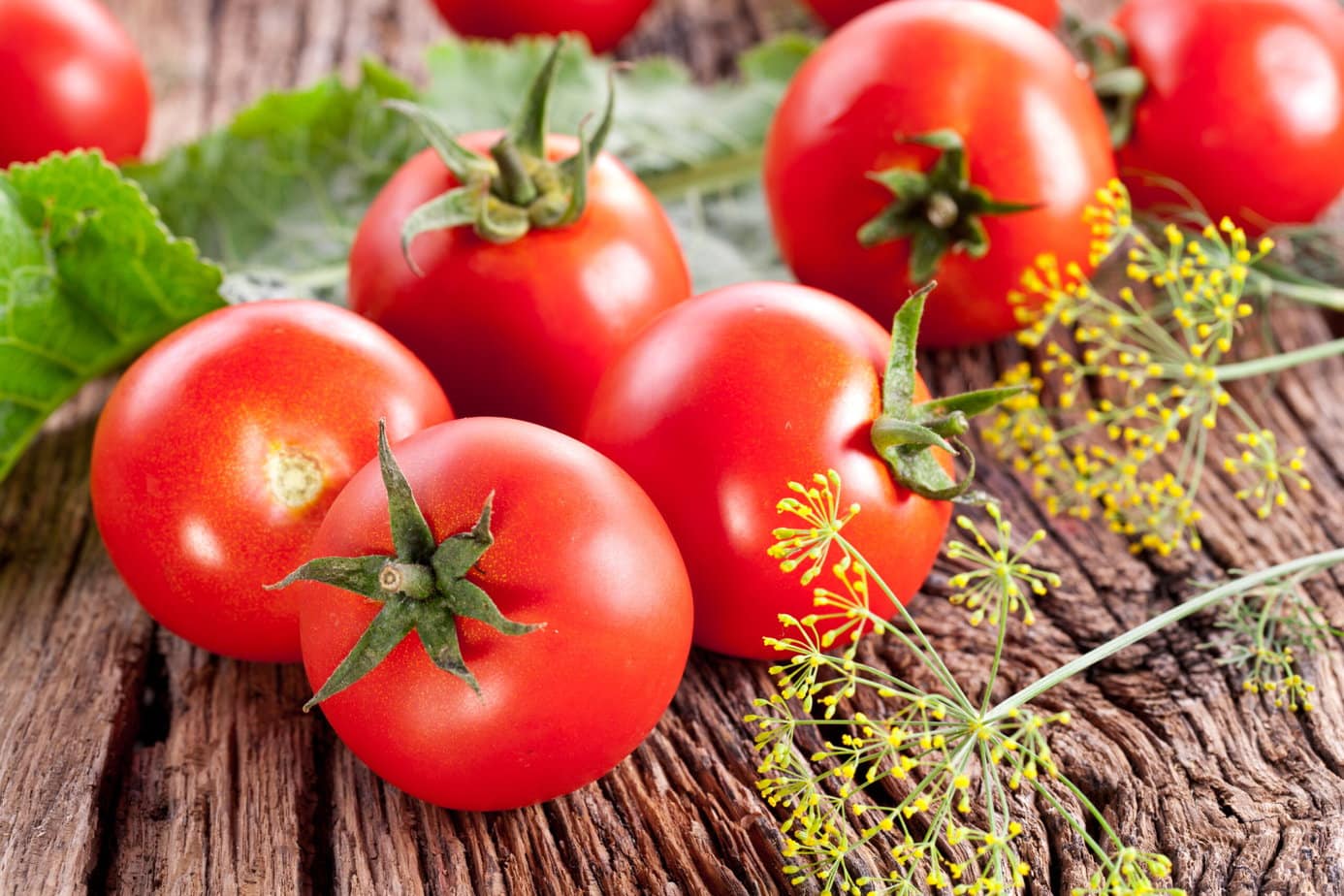
There are plenty of recipes you can recreate at home; try your hand at mushroom-stuffed cheeseburgers, Thai crab curry, or truffle and Parmesan fries… Thrills guaranteed! If you want to experiment with umami in Asian cooking, whip up dishes based on kombu seaweed or yeast extracts like Vegemite or Marmite, which you can find in specialty shops.
Glutamate and umami
Basically, glutamate is that non-essential amino acid found in many foods. A flavor enhancer that goes hand in hand with umami. MSG, or monosodium glutamate, may be frightening at first glance, but the Food and Drug Administration, an American agency tasked with protecting public health, has declared that the amino acid is a harmless ingredient.
It is nonetheless important to mention that it can cause some unwanted effects, such as headaches or nausea, but only in a very small percentage of the population. It’s even an ingredient we sometimes consume unknowingly over the course of the day.
Like the salt or sugar you might find on the table, MSG is a white powder used as a seasoning. The advantage is that glutamate is a perfect alternative to salt, which is far richer in sodium. While it works perfectly with soups or sauces, I wouldn’t recommend it in desserts. On the other hand, use it in a fried rice dish and the job is done!