You’ve probably read recipes and heard time and time again that meat should always be sliced “against the grain.”
But what does that actually mean? What exactly is “the grain,” and why is it so important to slice against it? Well, “the grain” refers to the direction in which the muscle fibers are aligned, and it’s important to slice against it so that the meat is easier to chew.
In this article, I’m going to try to explain to you, and above all to show you, what the grain of the meat really is and why it matters so much in Asian cooking.
What exactly is the grain of the meat?
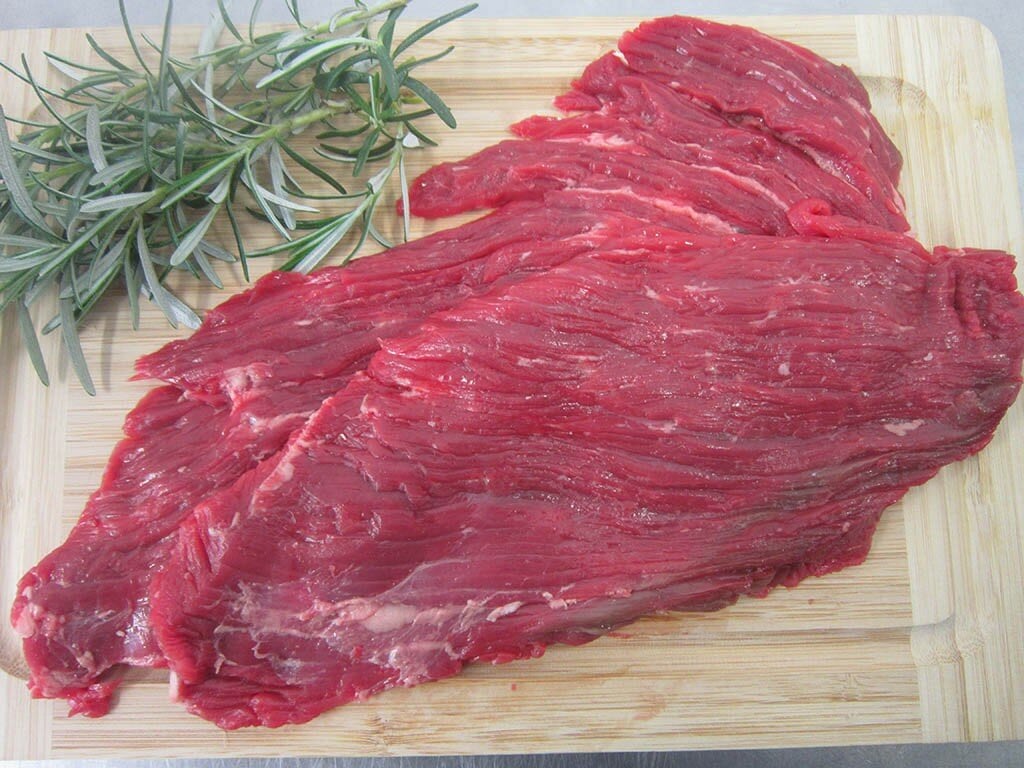
Not to be confused with whole grains like barley, chia seeds, or wheat (hehe, I’m so funny, right?), the grain of the meat is something completely different. It refers to the direction in which the muscle fibers are aligned. In the photo of the flank steak above, you can see that the fibers run horizontally from right to left.
The grain of the meat is easier to identify in certain cuts. It’s more clearly defined and easier to see in tougher cuts – like flank or hanger steak – than in lean cuts, such as tenderloin.
Why is it important to cut against the grain?
It’s not just the cut of meat that determines how tender it is; it’s also the way you slice it. First, find the direction of the grain (which way the muscle fibers are aligned), then cut across the grain rather than parallel to it.
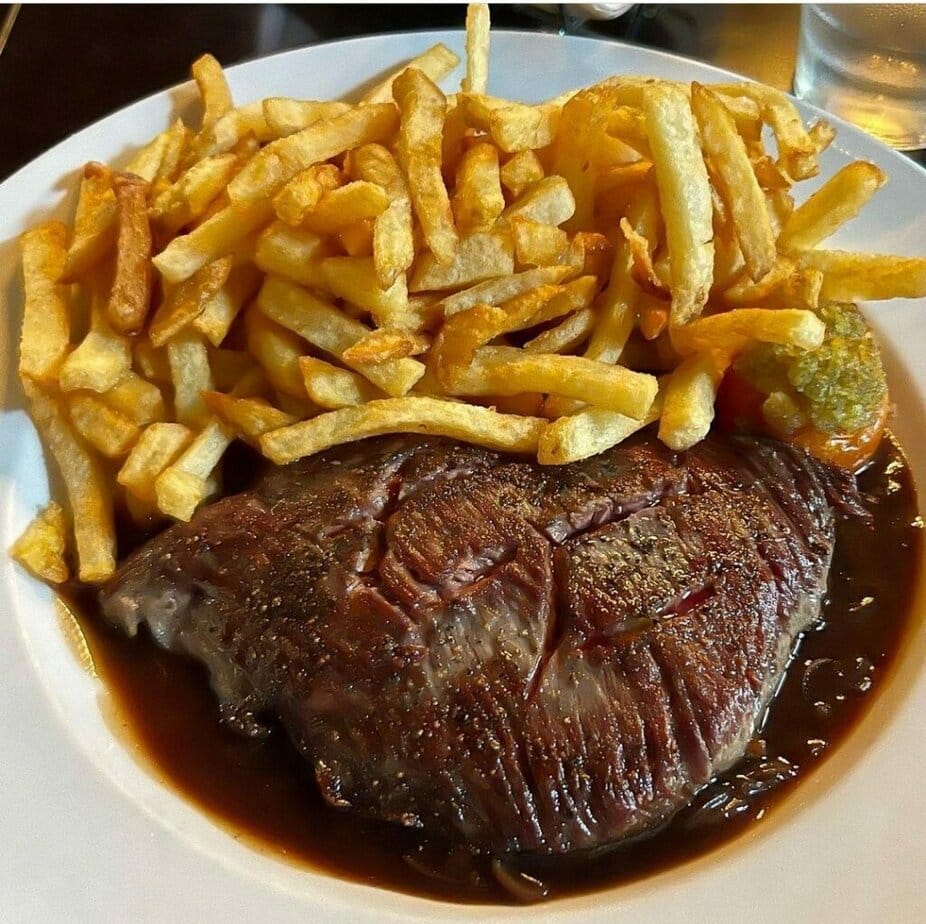
In the photo above, you can see that the muscle fibers run from top to bottom. By cutting against the grain, we want to cut through the fibers and shorten them, rather than cutting in the same direction. This makes the meat easier to chew, because a lot of the hard work of breaking down the muscle fibers will already have been done for you.
Slicing the meat with the grain (or in the same direction as the muscle fibers) will leave you with a chewier, more rubbery piece of meat that could have been tender if it had simply been sliced differently.