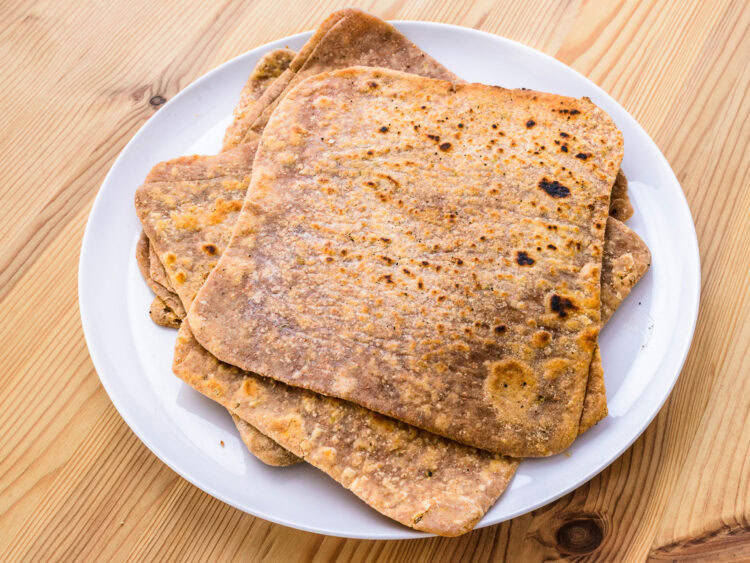
Delicious paratha, just like in India
The ghee sizzles on the cast-iron tawa. The dough puffs up, freckles with small light-brown spots called chitthi, then lets a little steam escape from its crisp edges. The aroma of toasted wheat fills the room.
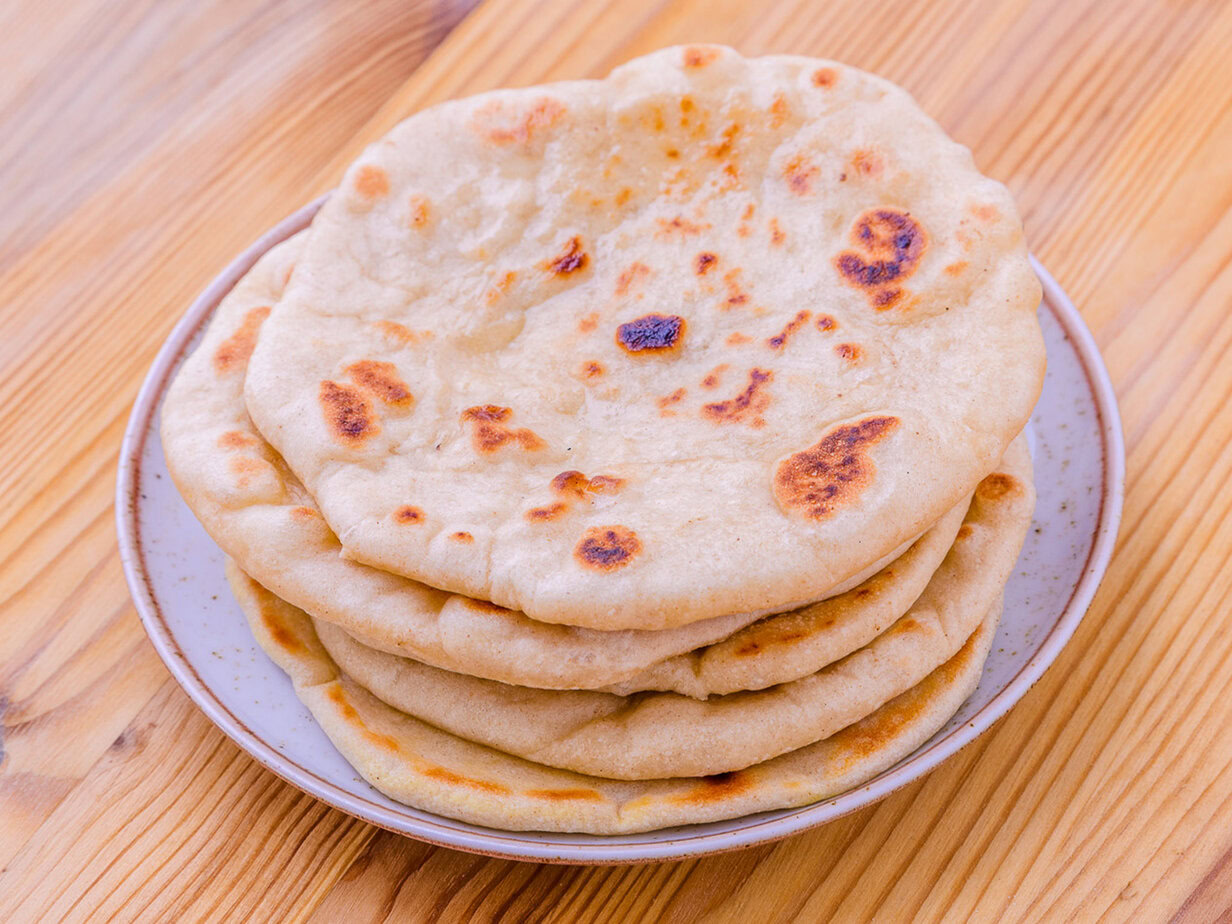
In the potato-stuffed version, amchoor brings a clean tang to a soft center that is never pasty. Served with white makhan, fresh yogurt, and spicy fermented achar, paratha belongs just as naturally at a Punjabi breakfast as it does in roadside dhabas.
What is paratha ?
The word is said to come from parat (layers) and atta, stone-ground whole wheat flour. Calling paratha a simple flatbread would be too vague : the same label could just as easily cover a bánh xèo or an okonomiyaki.
What defines it is its structure : an unleavened dough, close to chapati, layered with ghee, then cooked on a tawa until the surface blisters and turns golden.
This structure comes in two classic styles. Lachha paratha is rolled out, brushed with fat, dusted with flour, folded, and coiled : the fat creates separations between the layers of dough, which a quick crumple after cooking helps loosen.
Aloo paratha calls for a different skill set : the wrapper must stay thin while holding a generous filling without tearing, a level of care reminiscent of khinkali.
From the Indus valleys to the dhabas of Murthal
Excavations in the Indus Valley show wheat processing and the use of clay ovens as early as 2,500 BCE. Vedic texts describe pathya, a dough roasted over an open fire. As dairy techniques developed, ghee became an ingredient in its own right, bringing both flakiness and aroma.
Between 1126 and 1138, King Someshvara III’s Manasollasa listed wheat doughs stuffed with crushed gram and seasoned with asafoetida, cumin, and ginger. Mughal cuisine cemented the place of rich, flaky breads in lavish meals.
The arrival of the Portuguese at the end of the 15th century changed everything : potatoes and red chilies transformed fillings, from samosas to paratha, and gave us aloo paratha as we know it today.
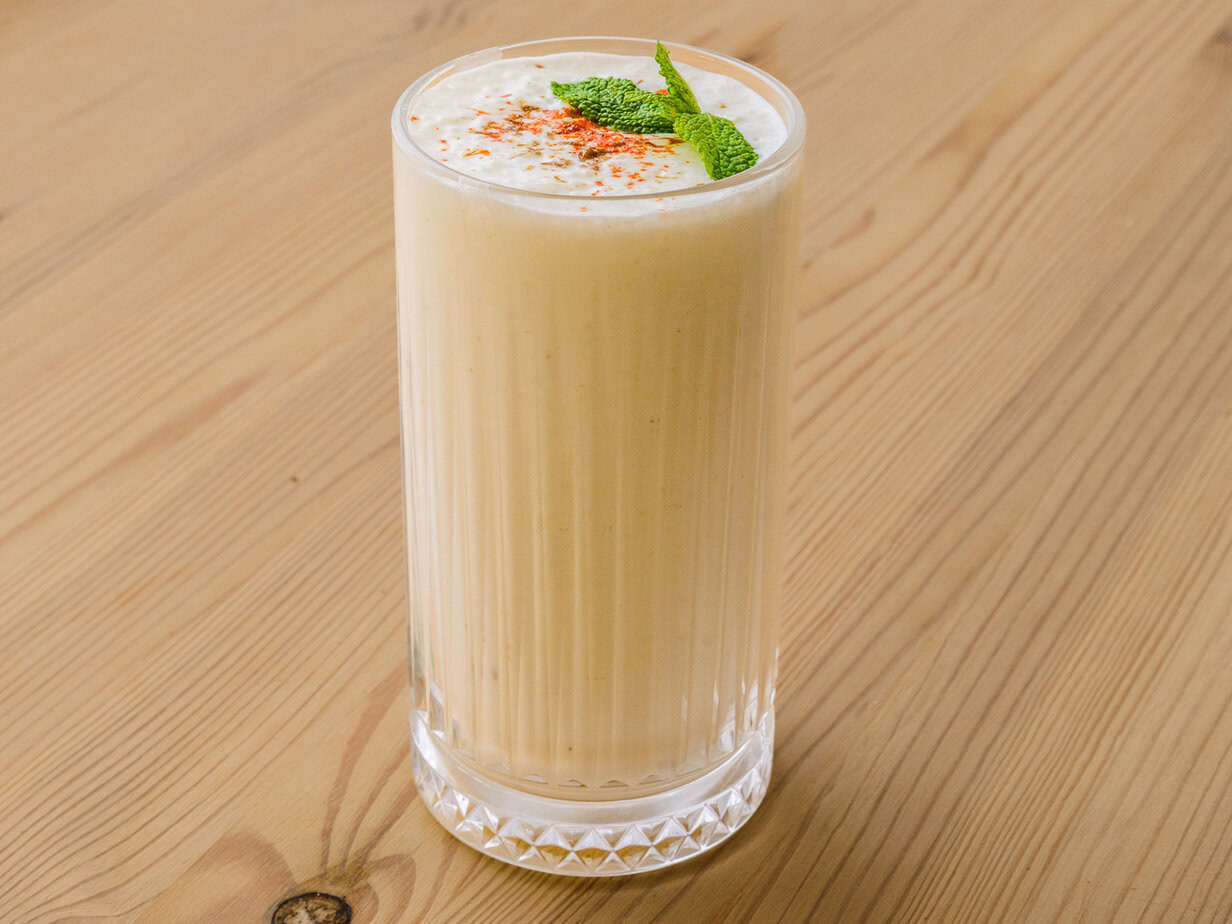
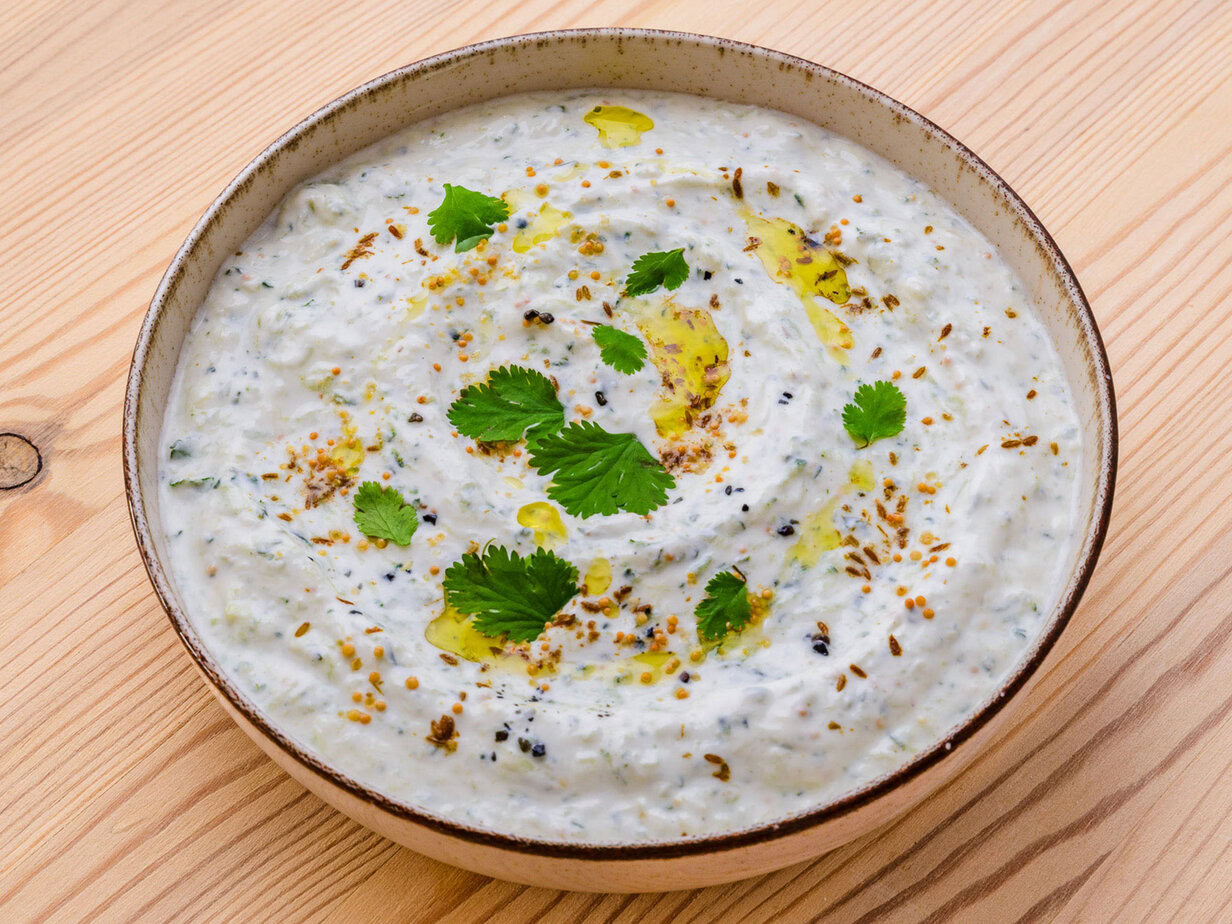
In Punjab, paratha became a staple in farming households : a ghee-rich bread served with white makhan and lassi, made for long workdays. In Delhi, Gali Paranthe Wali has been serving vegetarian parathas fried in cast-iron kadhai since the 1870s.
Along the Grand Trunk Road, the dhabas of Murthal turned them into hearty stopover meals. Migration carried the bread even farther : buss-up-shut in the Caribbean, farata in Mauritius, and paratha sandwiches in Gulf cafeterias.
Main ingredients in paratha
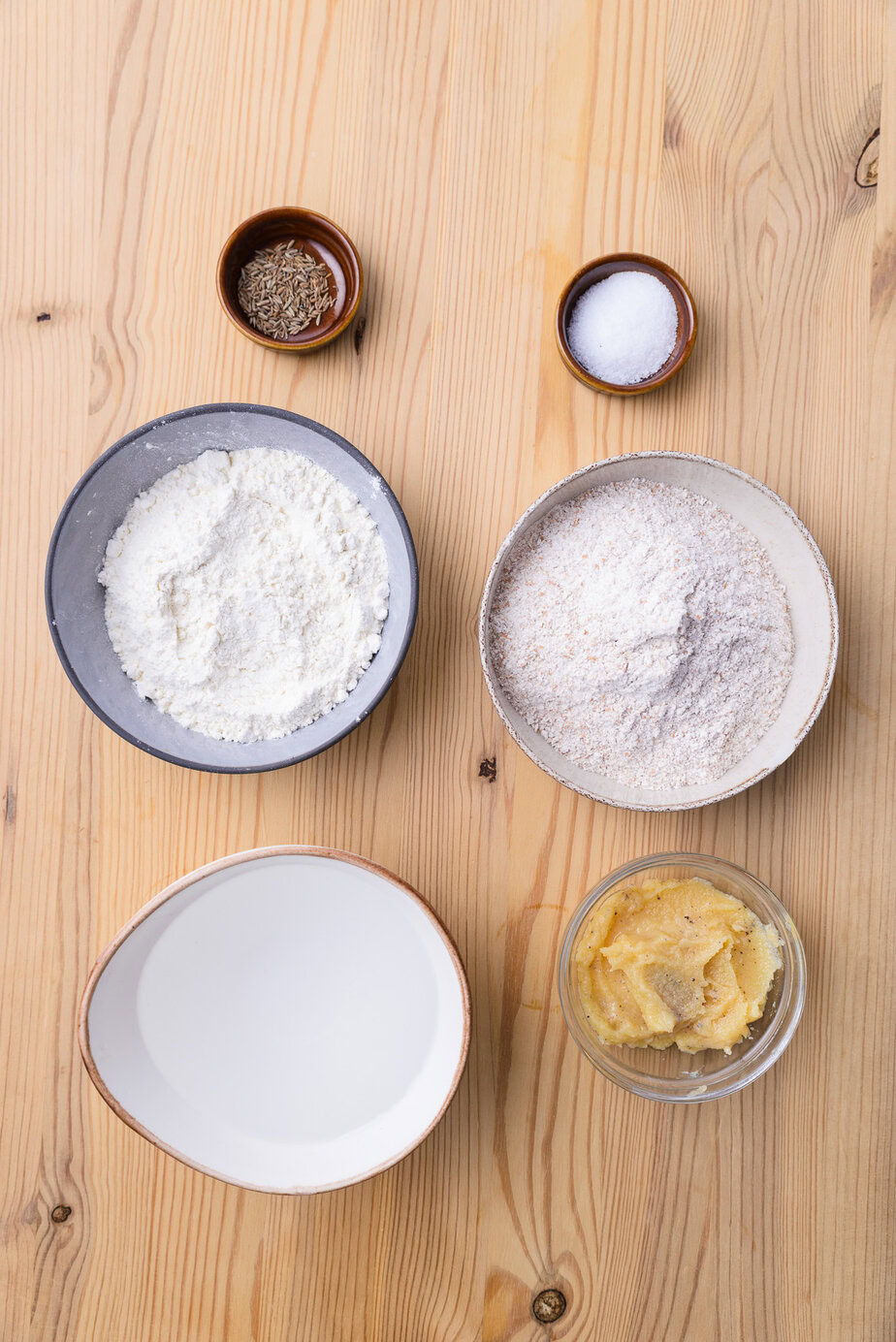
Atta, stone-ground whole wheat flour, gives paratha its structure and nutty flavor. Ghee provides the flakiness, browning, and aroma. It is worked into the flour before the water (the moyen) to limit gluten development and keep the dough tender. Water is added gradually, while salt balances the natural sweetness of the wheat.
The filling for aloo paratha depends on potatoes cooked just right, drained thoroughly, and mashed while dry. Amchoor and anardana add tang without adding moisture. Toasted cumin and coriander seeds, chili powder, fresh green chilies, ginger, and fresh cilantro round out the seasoning. Ajwain cuts through the starchiness.
The quality of the ingredients makes all the difference. Fresh atta hydrates evenly and gives a fuller flavor. Pure ghee brings a gentle dairy aroma ; vanaspati leaves a waxy mouthfeel. For other fillings, mooli must be squeezed thoroughly dry, gobi finely chopped, and paneer kept crumbly.
Key techniques for a good paratha
A good ratio is roughly one and a half times as much filling as dough for each portion. On the tawa, begin without fat : when the chitthi appear underneath, flip, brush with ghee, flip again, and press the edges for even browning, using firm contact as with sheng jian bao. Lachha paratha is crumpled as it comes off the heat to separate the layers.
Common pitfalls : using vanaspati instead of ghee, skipping the dough rest so it shrinks back, watery fillings, or poorly sealed shaping.
Ingredients
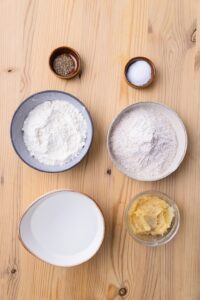
- 150 g all-purpose flour
- 150 g whole wheat flour
- 3-4 tablespoons ghee divided (for the dough, folding, and cooking)
- 0.5 teaspoon carom seeds (ajwain)
- 0.5 teaspoon salt or to taste
- 240 ml water approximately (adjust depending on absorption; up to 1 tablespoon may be left over)
- flour for dusting and shaping
To serve (optional)
- yogurt for serving
- curry of your choice e.g., potato-tomato, pea-potato, or pea-paneer curry
Instructions
Prepare the dough
- Combine the whole wheat flour and all-purpose flour in a large bowl.150 g whole wheat flour, 150 g all-purpose flour
- Add the salt, carom seeds, and about 2 teaspoons of ghee, then mix well.0.5 teaspoon salt, 0.5 teaspoon carom seeds (ajwain), 3-4 tablespoons ghee
- Add the water gradually, mixing as you go, then knead until the dough is very soft and supple.240 ml water
- Cover and let rest for 20 to 25 minutes, until the dough has puffed slightly and feels a little firmer.
Shape and fold
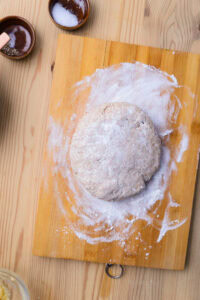
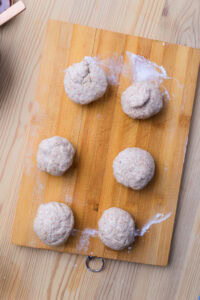
- Lightly grease your hands with a little ghee, knead the dough briefly, then divide it into 6 portions. Shape each portion into a ball and dust with flour.flour
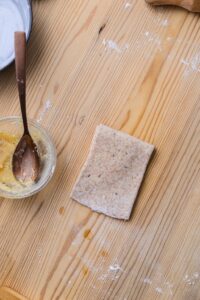
- Roll one ball into a thin disc (about 25 to 30 cm). Brush lightly with ghee, fold into thirds, brush again, then fold once more to form a square parcel.
- Dust with flour, roll into a thin square, brush with ghee, then repeat the same three-fold technique to form another square parcel.
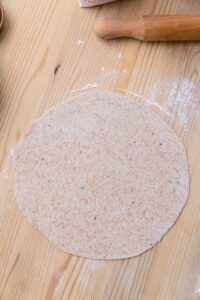
- Dust again with flour and roll out one final time into a thin square paratha, ready for cooking.
Cook
- Heat a skillet (or tava) over medium heat. Add a little ghee and spread it evenly over the surface.
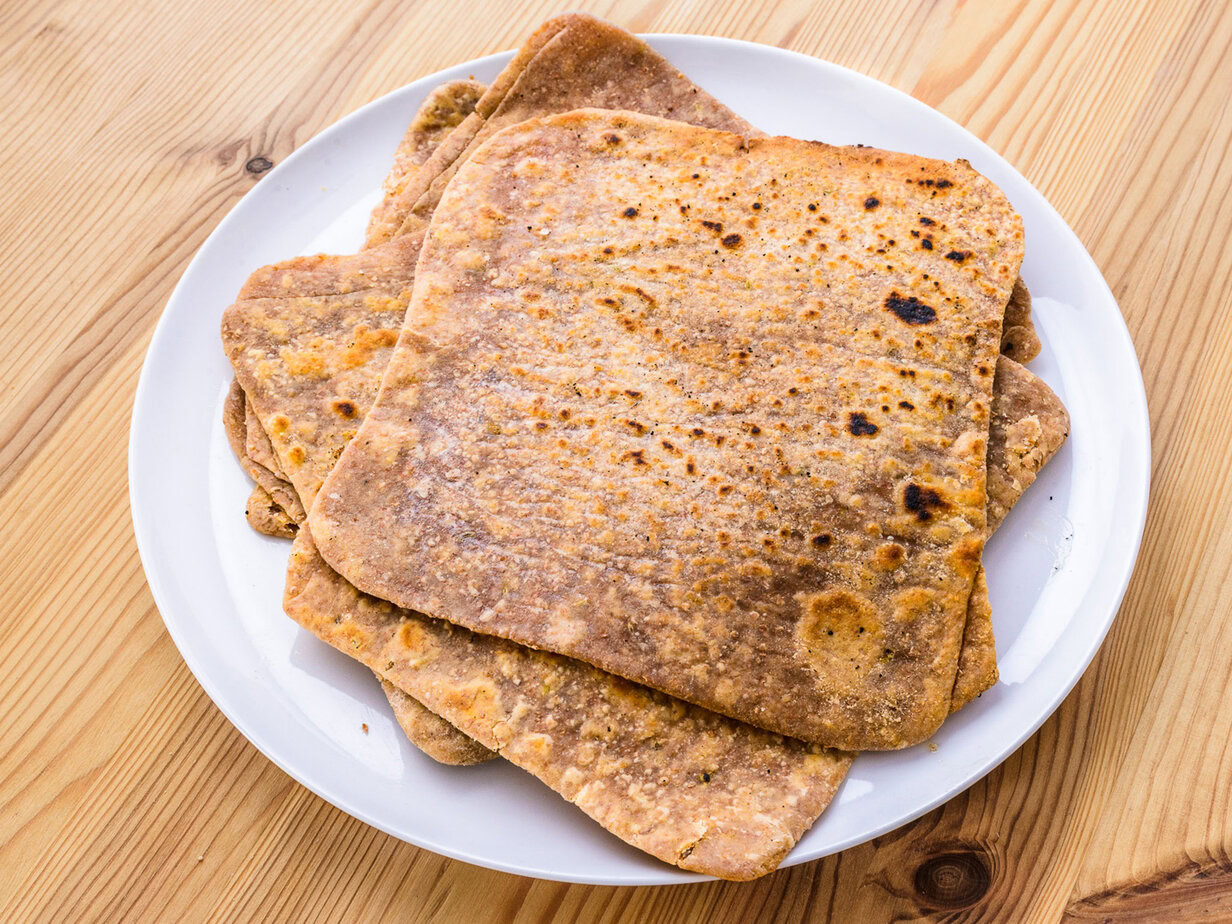
- Place the paratha in the pan and cook until the surface changes color, then flip. Brush with ghee, flip again, and brush the other side. Cook on both sides until golden with brown spots.
- Remove and place on a small overturned bowl set on a plate, or on paper towels. Repeat with the remaining parathas.
Serve
- Serve piping hot, ideally with yogurt and a curry of your choice.yogurt, curry of your choice
Notes
- Add the water gradually: depending on the flour, a small amount (up to 1 tablespoon) may not be needed.
- Use small amounts of ghee at each folding stage to create distinct layers without making the dough soggy.