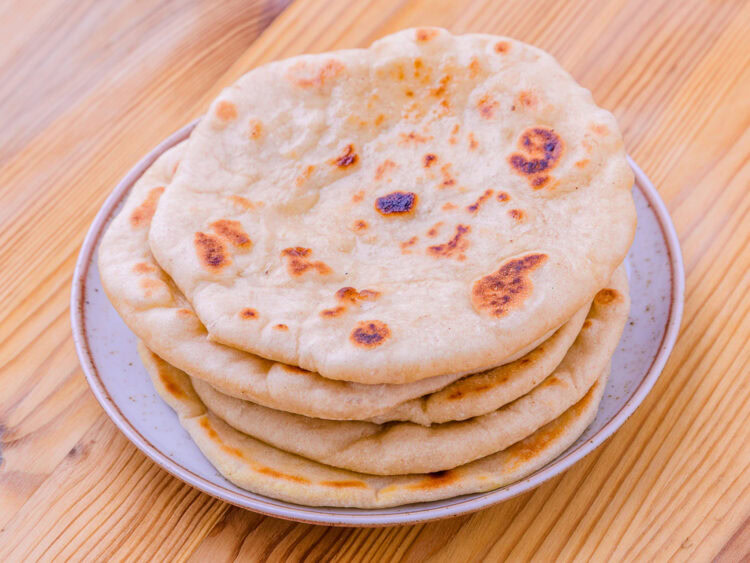
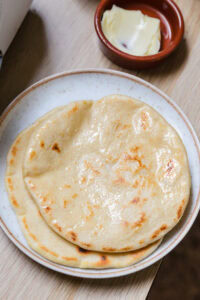
Soft, golden naan cooked in a skillet and brushed with butter, perfect for serving with curry or enjoying piping hot.
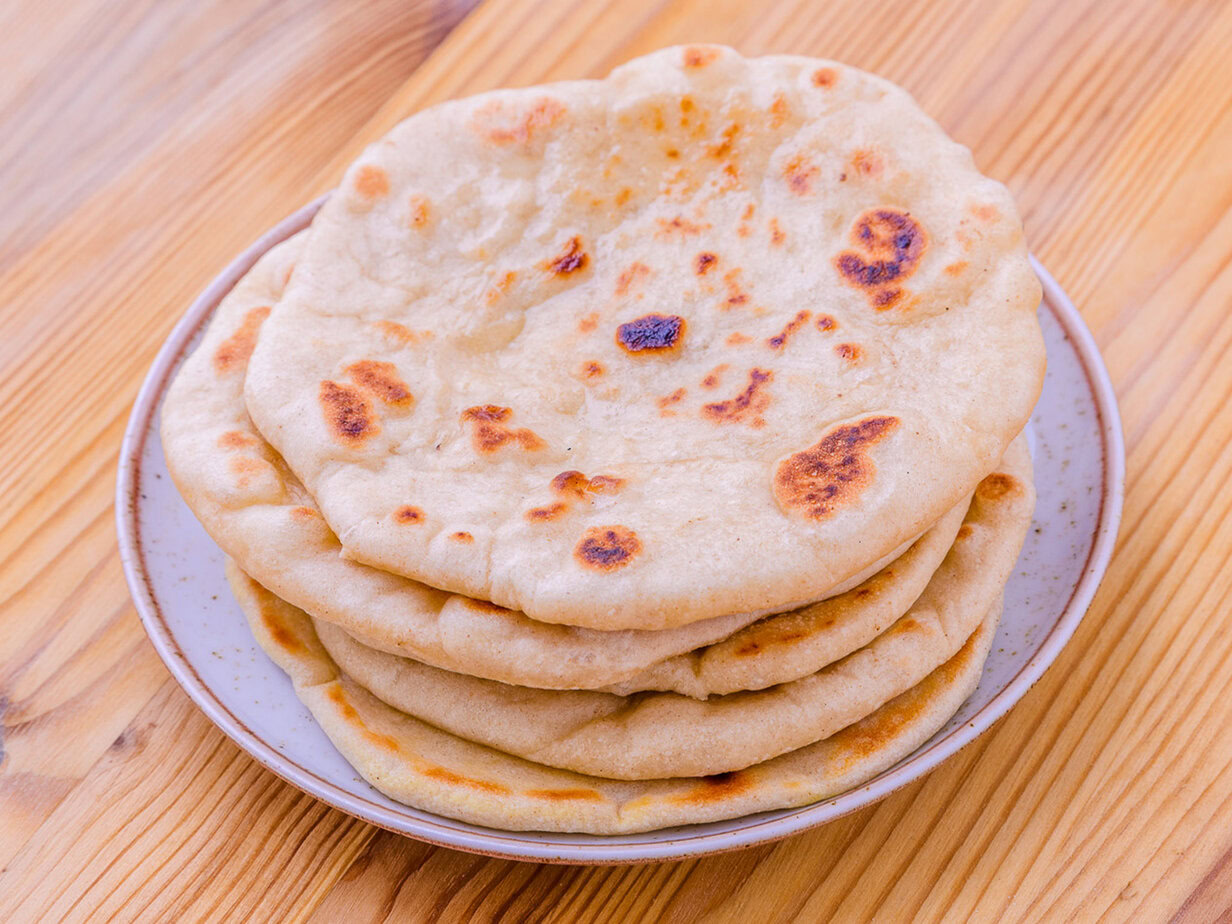
Freshly cooked naan is served blazing hot, shaped like an elongated teardrop, speckled with charred spots, and glossy with ghee. Tear it open and a little steam escapes, revealing an airy crumb ready to soak up sauce or accompany a satay skewer or aloo gobi
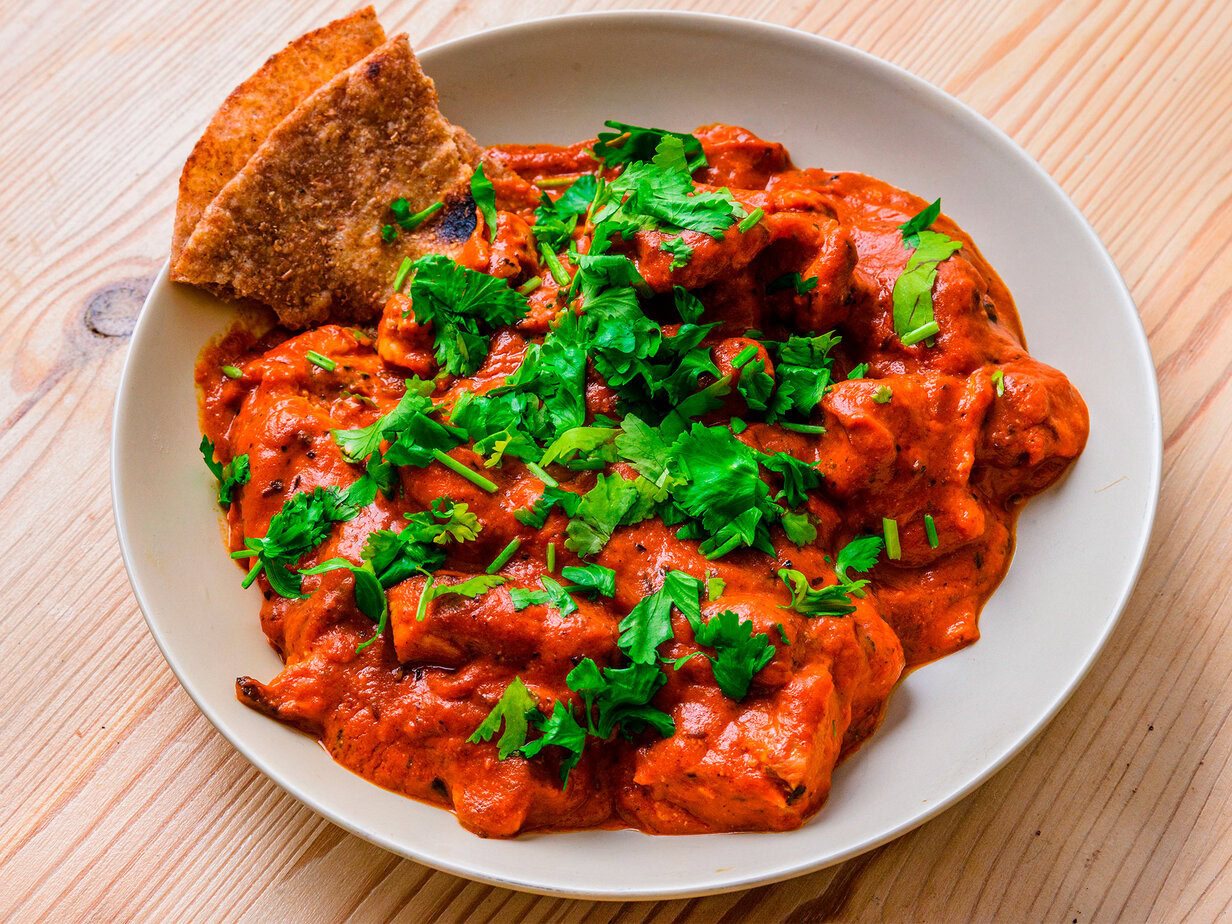
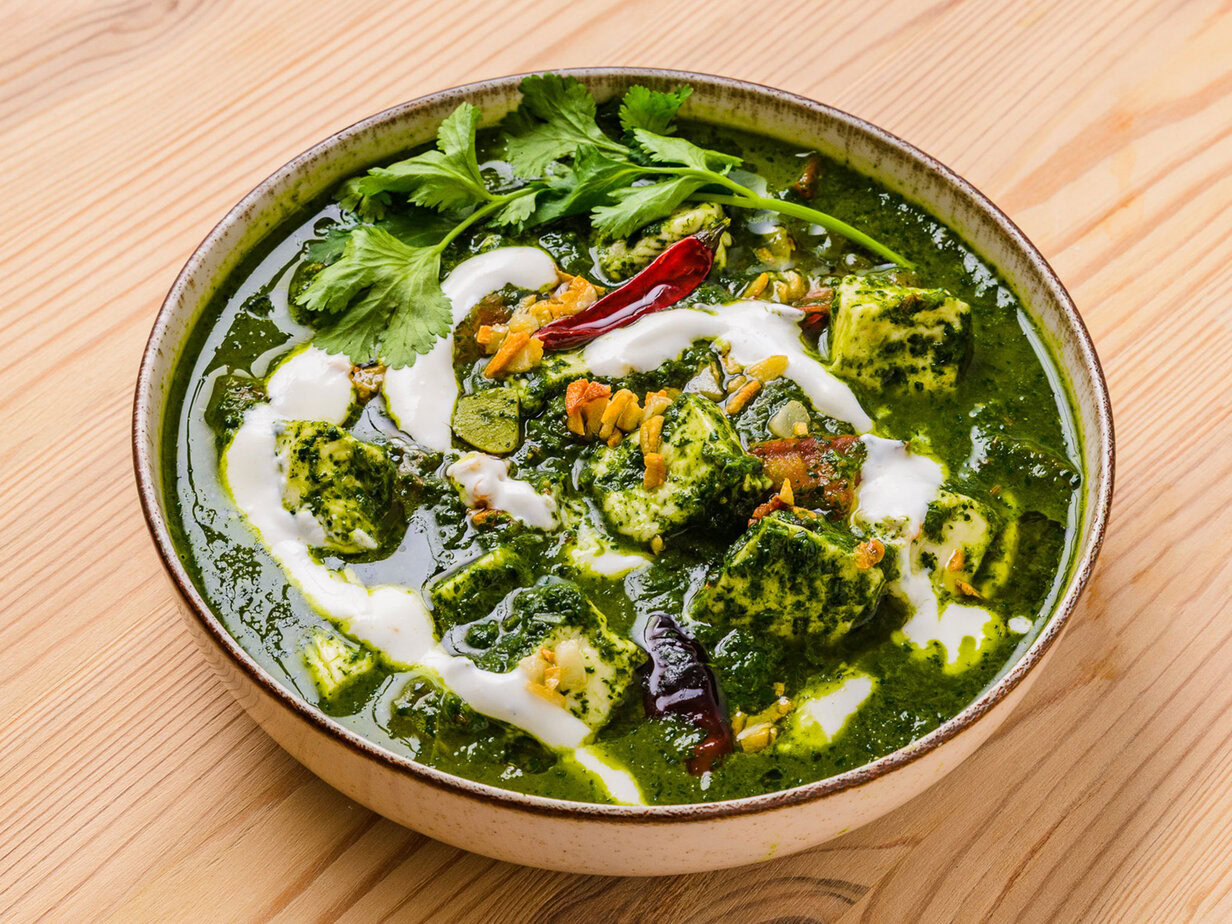
It is eaten with the hands and shared at the table, used to scoop up stews, curries, and all kinds of kebabs.
What is naan?
The word “naan” comes from the Persian nân, which simply means “bread.” The English expression “naan bread” is therefore redundant. Today, in South Asia, the name refers to a very specific bread whose identity lies as much in its ingredients and technique as in its flavor.
Its shape and texture define it clearly: naan is a leavened flatbread, soft and pliable, shaped either into a round or an elongated teardrop. Its surface blisters and develops dark charred spots, while the inside forms irregular air pockets that make it easy to tear, fold, and use for mopping up sauce.
In its most classic form, the dough follows a recognizable formula. The flour is usually maida, a very refined wheat flour. Hydration comes from dairy, plain yogurt and sometimes a little milk, along with salt and a fat such as ghee or another regional oil.
Fermentation traditionally relies on a wild starter (khamir) and, today, most often on dry yeast. When allowed to ferment slowly, the dough develops deeper aroma, better tenderness, and the airy, irregular crumb that makes great naan so satisfying.
The cooking method gives naan its final character. In a clay tandoor heated to a very high temperature, sometimes around 480 °C, naan cooks in just a few minutes. Contact with the oven wall and the radiant heat create a light crumb and an exterior marked with brown spots. At the table, naan is both an accompaniment and a utensil for scooping up food; historically, it also signaled refinement and hospitality.
The origins of naan
The story begins in Central Asia and Persia, where wheat cultivation had long coexisted with natural fermentation techniques. There, the generic term nân referred to breads made using a wide variety of methods. These techniques traveled along trade routes to the subcontinent, where they merged with local high-temperature cooking methods.
Archaeological excavations at Kalibangan, Harappa, and Mohenjo-Daro have uncovered buried cylindrical clay ovens, often described as ancestors of the modern tandoor.
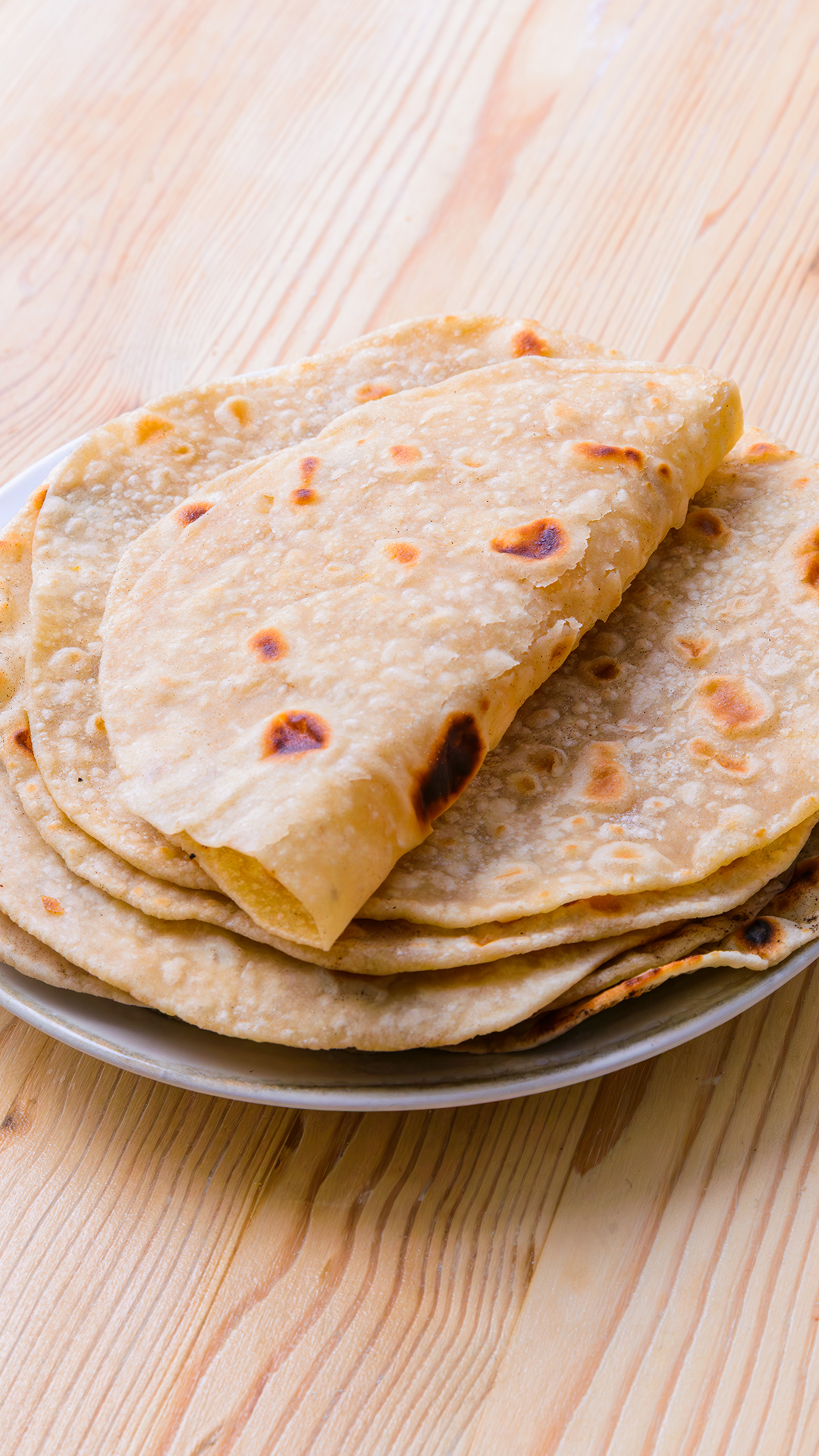
These installations were first used to cook simple grain preparations and unleavened flatbreads, before later being adapted for more hydrated, leavened doughs. Within this broad family of flatbreads, chapati offers a useful point of comparison, even though it follows a different technical logic.
Under the Delhi Sultanate, naan appears in court literature. Around 1300 CE, Amir Khusrau distinguished naan-e-tunuk, delicate and almost translucent, from naan-e-tanuri, sturdier and cooked directly on the wall of the tandoor. Poetic descriptions and later accounts emphasize the extreme delicacy of the former. These breads were as much markers of status as they were foods.
At the height of the Mughal era, especially in the 16th century, naan became a delicacy reserved for aristocratic and royal circles. The Ain-i-Akbari, written by Abu’l-Fazl, lists more than 50 varieties of bread and places naan among the elite dishes served with minced meats and kebabs.
Translations of court protocols describe lavish service in precious metal vessels, governed by elaborate ritual. Breadmaking, fermentation, and the maintenance of the tandoor all formed part of a broader imperial culinary art.
It was only in the 18th century, with the rise of commercial naanbais in centers such as Old Delhi and Lucknow, as well as the appearance of portable tandoors attributed to Emperor Jahangir, that this bread moved from royal kitchens into much wider circulation across South Asia. Once an aristocratic delicacy, it became a bread for sharing, while retaining its strong symbolic role in hospitality.
Main ingredients in naan
- Maida (very refined wheat flour): it forms a gluten network that is elastic yet tender, well suited to high heat. It is often said to have a protein content of around 9 to 10.5 %, though this varies by product. With Western all-purpose flour, some cooks recommend adding a little vital wheat gluten to strengthen elasticity or, conversely, cutting it with a little potato starch or arrowroot to keep the crumb soft and tender.
- Khamir (traditional wild starter) or dry yeast: provides lift through fermentation. A slow fermentation, often in the refrigerator, generally improves aroma and tenderness, and encourages an airy, irregular crumb with a slight tang.
- Whole plain yogurt (dahi): its mild acidity helps tenderize the dough; its fat and dairy proteins enrich it; and the extra moisture encourages steam production and the formation of large air pockets.
- Milk (sometimes used with yogurt): provides lactose for browning, a touch of sweetness, and moisture that helps the bread stay flexible; its use depends on the style desired.
- Ghee (clarified butter) or other regional fats and oils: fat tenderizes the dough and contributes to a soft crumb; brushing the naan with ghee after cooking locks in moisture and adds fragrance.
- Salt: seasons the crumb, moderates fermentation, and helps structure the gluten so the bubbles develop more evenly.
- Water: works with the dairy to create relatively high hydration, encouraging rapid steam expansion, blistering, and a light interior.
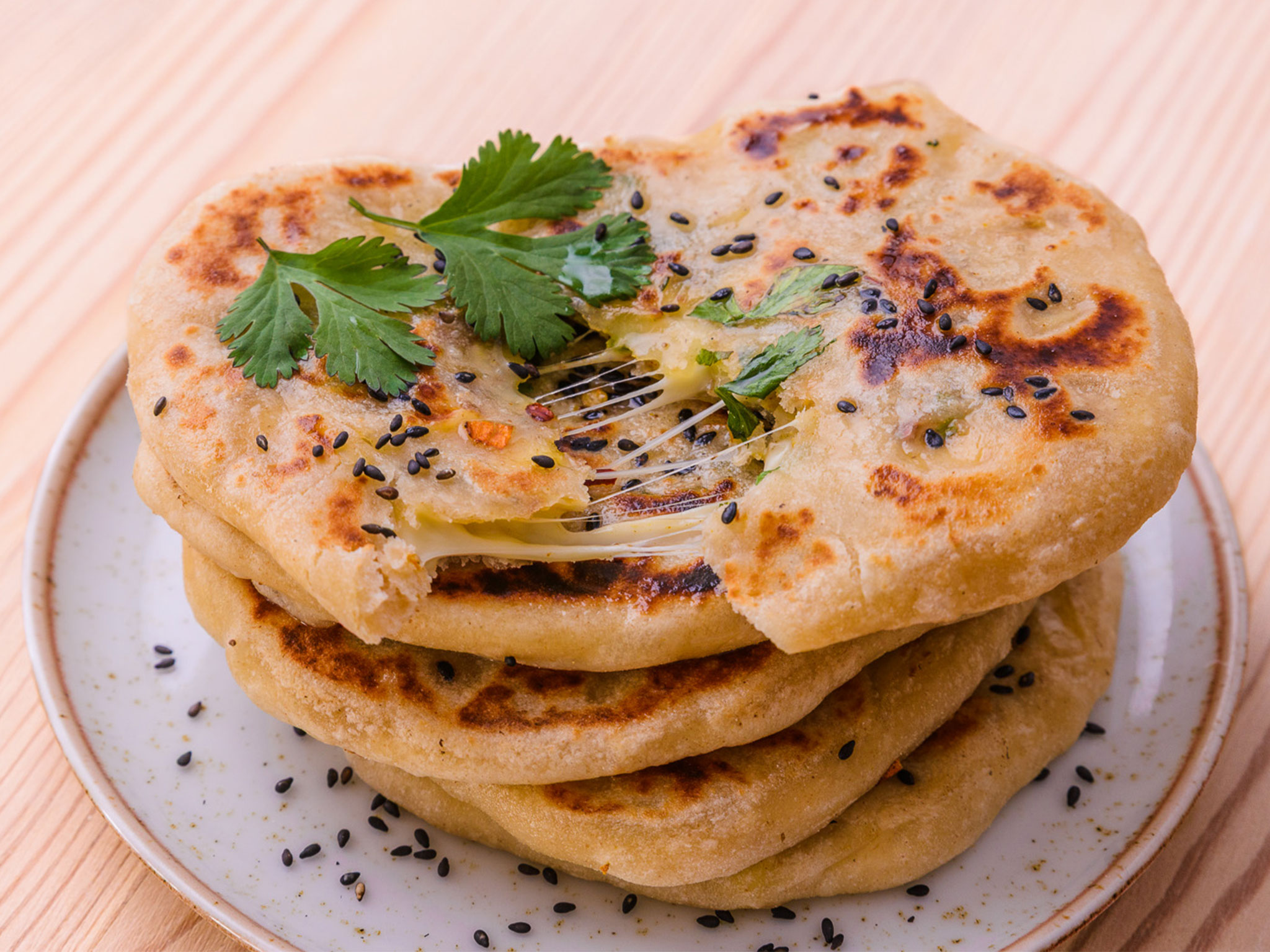
- Optional finishes (depending on the style): nigella seeds, sesame seeds, or fried garlic add aroma and visual appeal without changing the basic logic of the dough.
Ingredients
- 1 teaspoon yeast
- 1 teaspoon sugar
- 1/4 teaspoon salt
- 60 ml warm water
- 190 g all-purpose flour
- 60 g plain yogurt
- 1 tablespoon oil
- butter for brushing
Instructions
Preparing the Dough
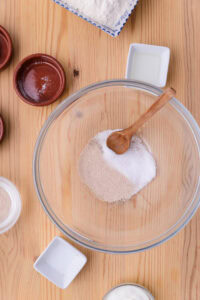
- Add the yeast, sugar, and salt to a bowl.1 teaspoon yeast, 1 teaspoon sugar, 1/4 teaspoon salt
- Add the warm water and stir to combine.60 ml warm water
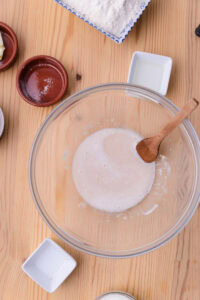
- Let rest for 5 minutes.
- In a separate bowl, combine the flour, yogurt, and oil.190 g all-purpose flour, 60 g plain yogurt, 1 tablespoon oil
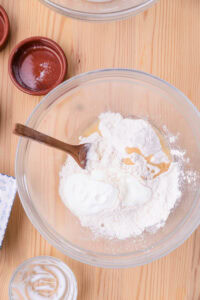
- Add the yeast mixture and mix until a dough forms.
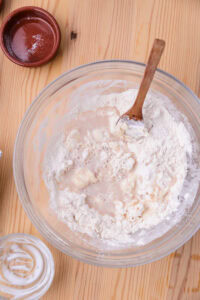
- Knead until the dough is soft and smooth, then lightly oil the surface to keep it moist.
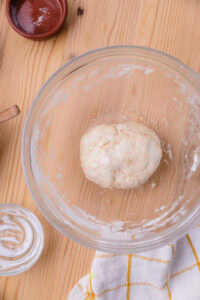
- Cover with a damp towel and let rest for 1 hour.
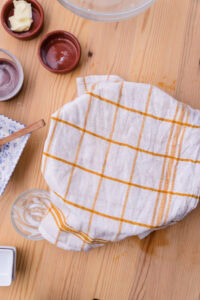
- After resting, knead the dough again, then divide it into equal portions and roll each one into a naan shape, neither too thin nor too thick.
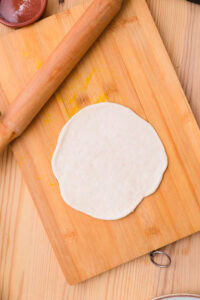
Cooking
- Heat a skillet over medium heat.
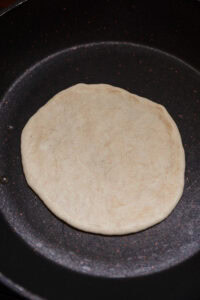
- Brush a little water over one side of the naan, then place the wet side down in the skillet; it should stick right away.
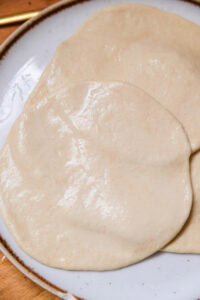
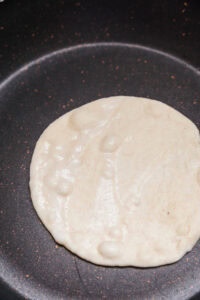
- When bubbles appear, invert the skillet over the flame, keeping the naan attached; once char marks appear, remove it from the flame.
- When the naan is cooked through, remove it from the skillet, brush with a little butter, and serve hot.butter
Notes
- For softer naan, avoid dusting with too much flour when rolling them out.
- They cook quickly: keep an eye on the browning so the bread does not burn.