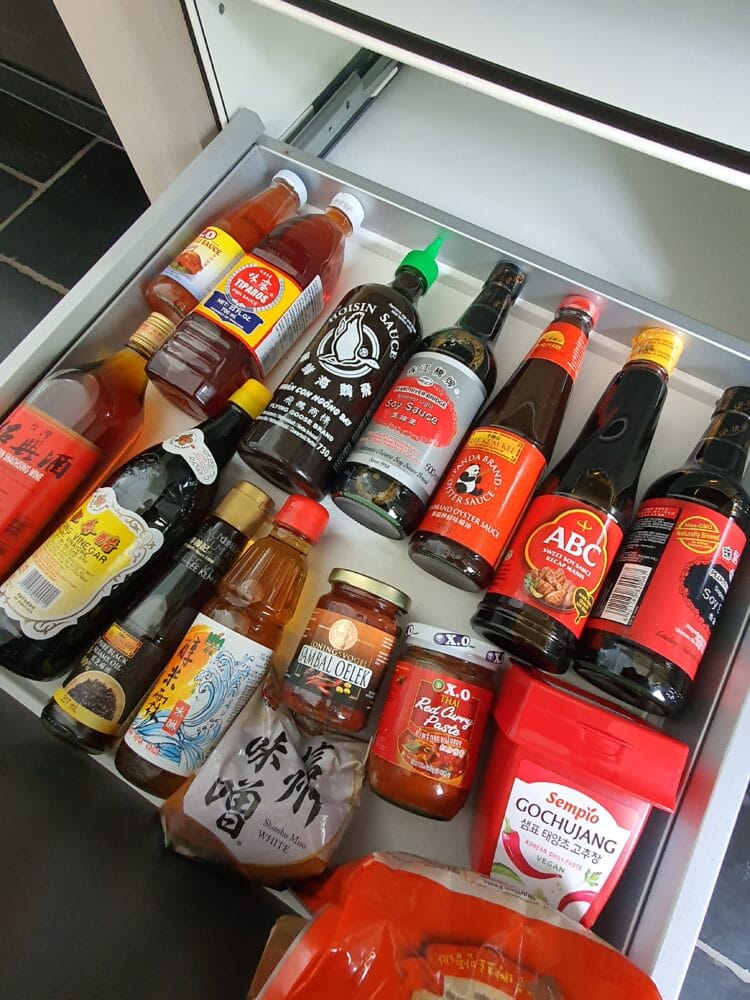
Whether you’re a beginner in the kitchen or an experienced cook looking to get started with Chinese and Asian cooking, the most common question I get here on the site is about substitutions – mainly for the “seemingly” less common Asian ingredients.
“What can I use instead of Shaoxing wine? Will the dish taste the same without dark soy sauce?”
Honestly, you don’t really need all that many ingredients to cook and enjoy authentic Asian flavors. In fact, when you really think about it, there are only 10 essential Asian pantry ingredients that form the core of my arsenal.
Once you have these basic ingredients, you’ll be able to make at least 75 % of my Asian recipes here!
Whatever your skill level, read on if you want to learn how to cook Chinese dishes and stock your Asian pantry with these 10 items. Once you have a solid foundation, you’ll be able to expand your pantry little by little, allowing you to make even more authentic dishes! If you’re wondering about equipment, check out my guide to the essential utensils for Asian cooking
The 10 essential ingredients for Asian cooking
1. Light or regular soy sauce
Soy sauce is the most iconic and well-known Asian condiment that you’ve probably already bought.
So many Chinese or Asian dishes use this ingredient, and these days, many Western chefs add soy sauce to their pantries to bring extra umami to their dishes.

While soy sauce is very commonly used as a table condiment by both Asians and Westerners, you might be surprised to learn that there are big differences in taste, saltiness, and color between brands of soy sauce and the soy sauces from different countries, including Thailand, Japan, and China. As with everything, everyone has their favorite brands.
The key to identifying a good soy sauce is to make sure it’s naturally fermented. Otherwise, it may be a cheaper version that’s artificially flavored or chemically created. If you see a long list of chemicals and/or corn syrup and sweeteners as ingredients on the bottle, I recommend you avoid it! But hey, money’s tight these days!
But over the years, I’ve really learned to appreciate the nuances of a good soy sauce to elevate my recipes!
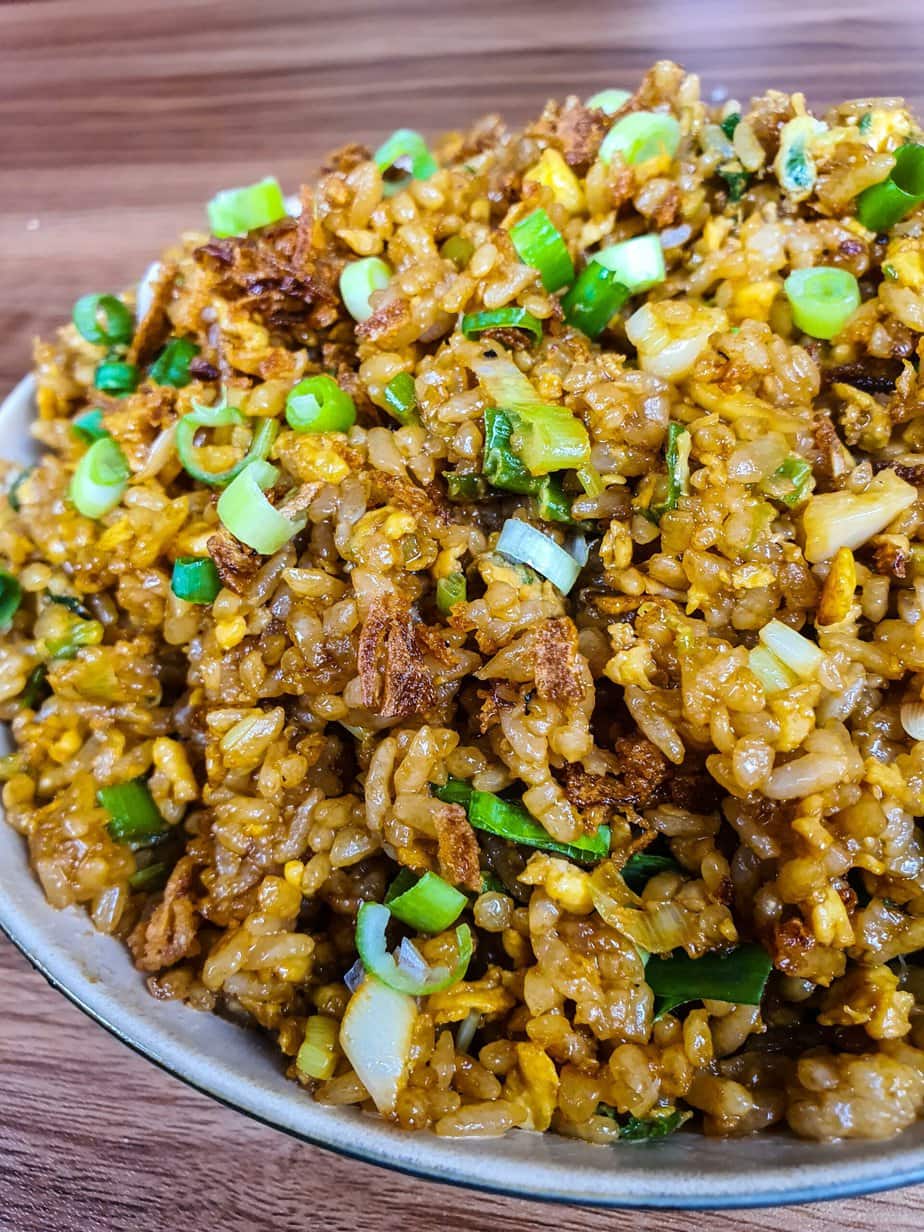
My fried rice, taste-bud-orgasm edition, uses light soy sauce
For those of you who are gluten-free, don’t worry. A few companies have developed gluten-free soy-based products. In the past, the only alternative was Tamari sauce, but there are more options available today.
Click here to buy light soy sauce from our partner
2. Dark soy sauce
When it comes to buying soy sauce for your basic Asian pantry, dark soy sauce is a must-have.

While you can get by with regular or “light” soy sauce in some dishes, to achieve a good depth of flavor, color, and texture across a whole range of dishes, dark soy sauce is essential!
There are a few variations of dark soy sauce (for example, mushroom-flavored), and you’ll see that some brands call dark soy sauce “black soy sauce,” but they’re all fairly similar, with really very slight variations in flavor.
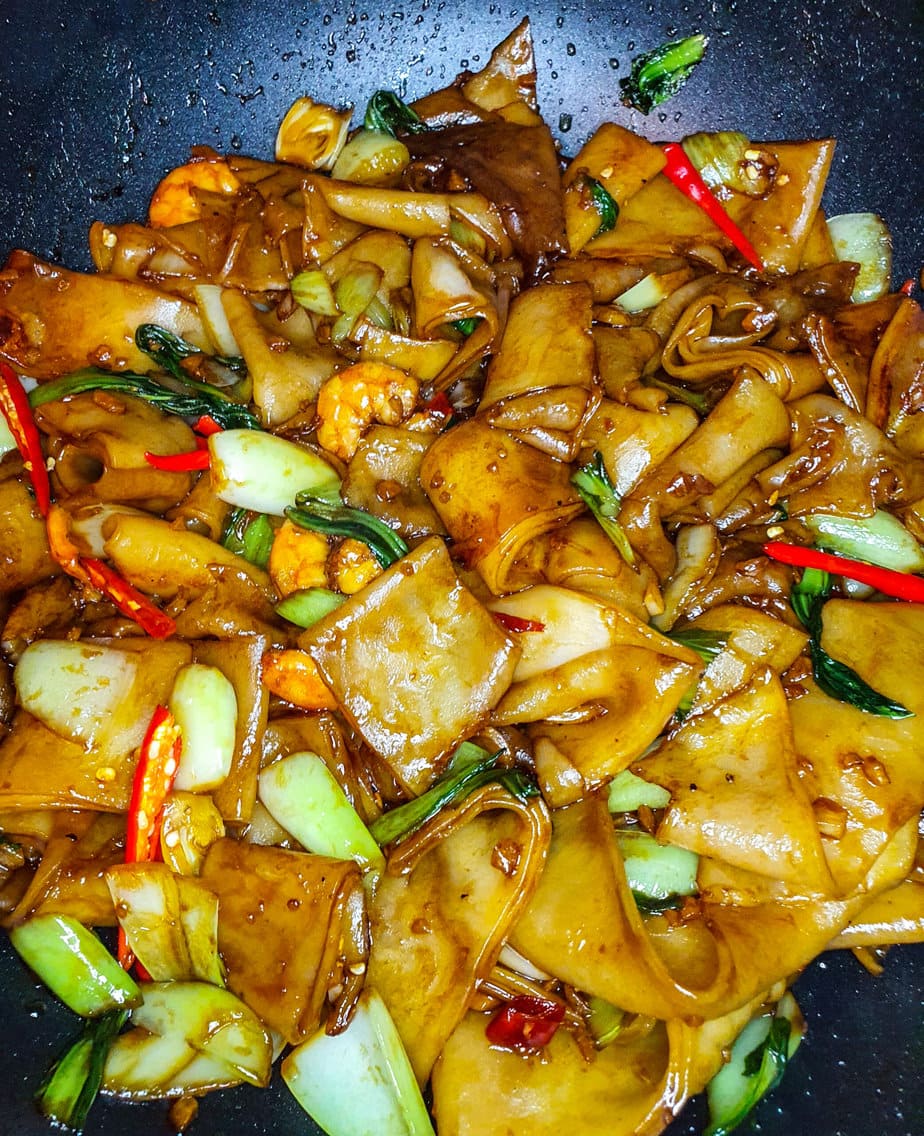
A great example of using dark soy sauce is in my pad see ew (Thai-style stir-fried rice noodles)
In short, make sure you have a bottle in the cupboard! Click here to buy it from our partner
3. Sesame oil
Sesame oil is one of the most recognizable flavors in Chinese and Asian cuisine.
Most of the sesame oils you see in markets are described as “toasted,” so they have a dark amber color and a rich aroma. If you see a bottle of sesame oil that’s clear or yellow, it’s certainly not toasted and probably won’t have as rich a fragrance and taste.
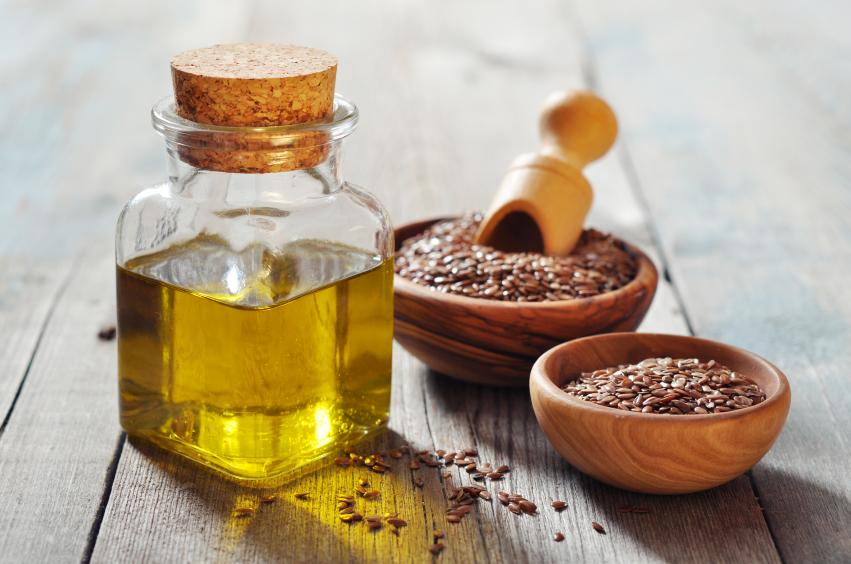
Adding a little to stir-fries helps give your dish that familiar Asian flavor. But remember that you can really ruin a recipe by adding too much sesame oil. It can quickly become overpowering, so use sesame oil sparingly, just enough to complement your other ingredients, spices, and sauces.
Click here for my full article on sesame oil and click here to buy it from our partner
4. Shaoxing wine
Shaoxing wine is a type of rice wine from the Shaoxing region of China.
In China, and particularly in the Shaoxing region, this wine is sometimes drunk as a table wine. However, the Shaoxing wine sold outside of China is generally brewed for culinary uses rather than consumed as a drink.
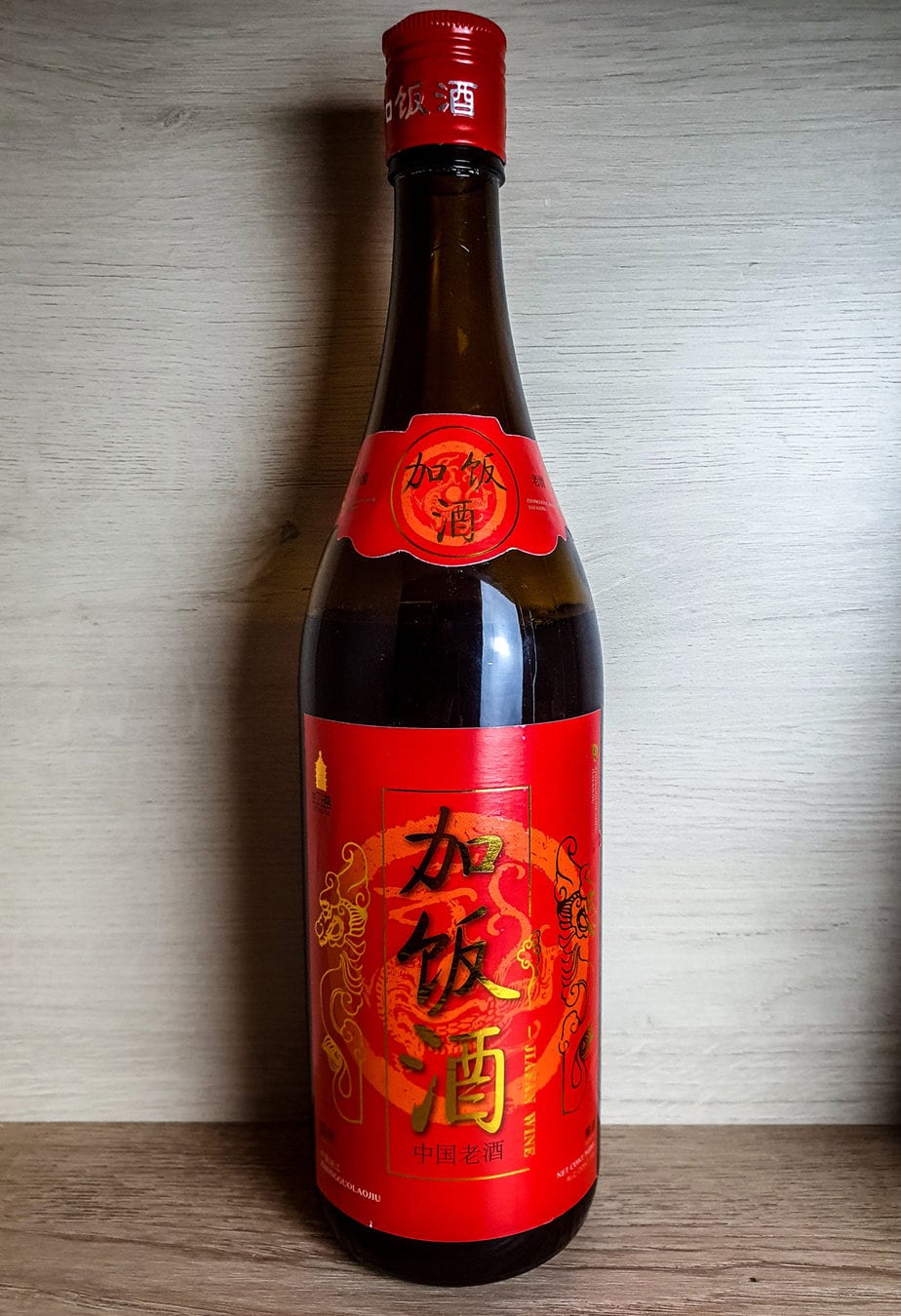
Some markets offer both salted and salt-free versions, so look for both! While there are many types of rice wine, the vast majority of my recipes (especially stir-fries) call for Shaoxing wine.
For those of you who really can’t find Shaoxing wine, a good substitution is a dry sherry. Unfortunately, I haven’t yet found a good non-alcoholic substitute for Shaoxing wine, but since I’ve had so many requests, I’m working on it!
Click here to buy it from our partner
5. Oyster sauce
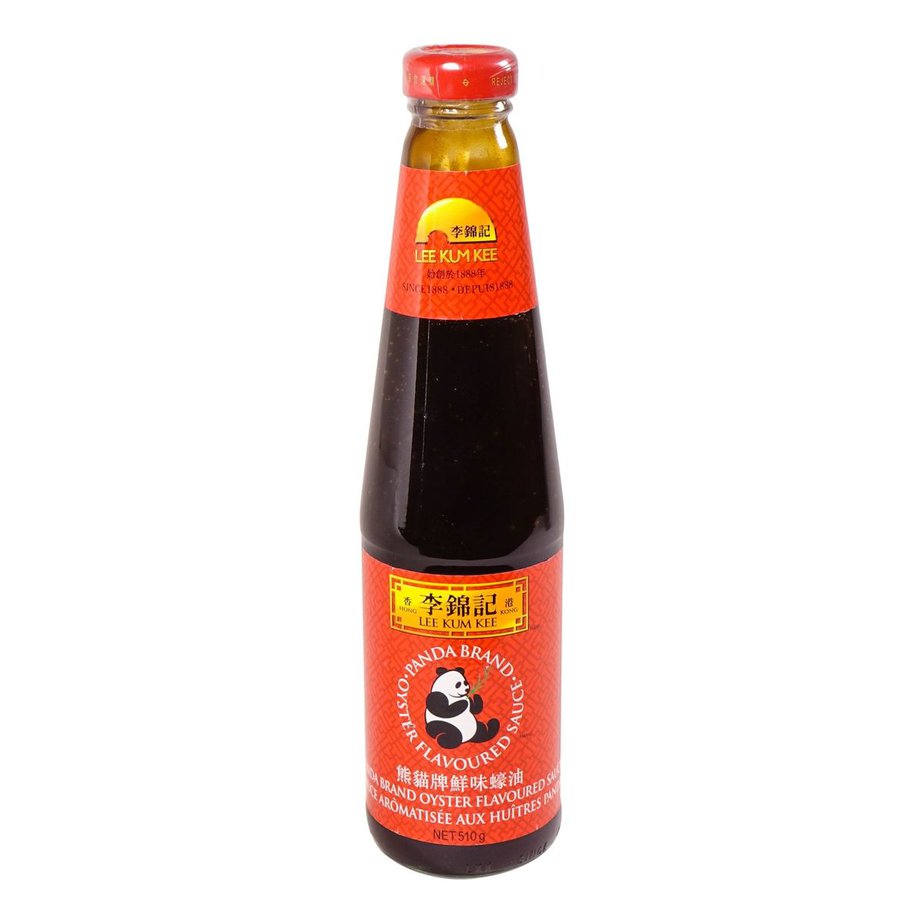
Whether you buy the traditional oyster-based version or the vegetarian mushroom-based version, oyster sauce offers an umami flavor that really enhances the taste of any Asian dish.
Oyster sauce is therefore an essential element of the Asian pantry, even though it’s mainly used in Cantonese dishes. A good-quality oyster sauce is expensive, but it’s really worth it, so go for quality when you’re browsing the sauce aisle at your local Asian shop!
Note that if you’re cooking vegetarian, there’s a vegetarian version of oyster sauce, made from mushrooms.
Click here to buy it from our partner
6. Cornstarch
Cornstarch (also called corn flour) is the most commonly used thickening agent in Asian cooking. It’s also the easiest ingredient to find.
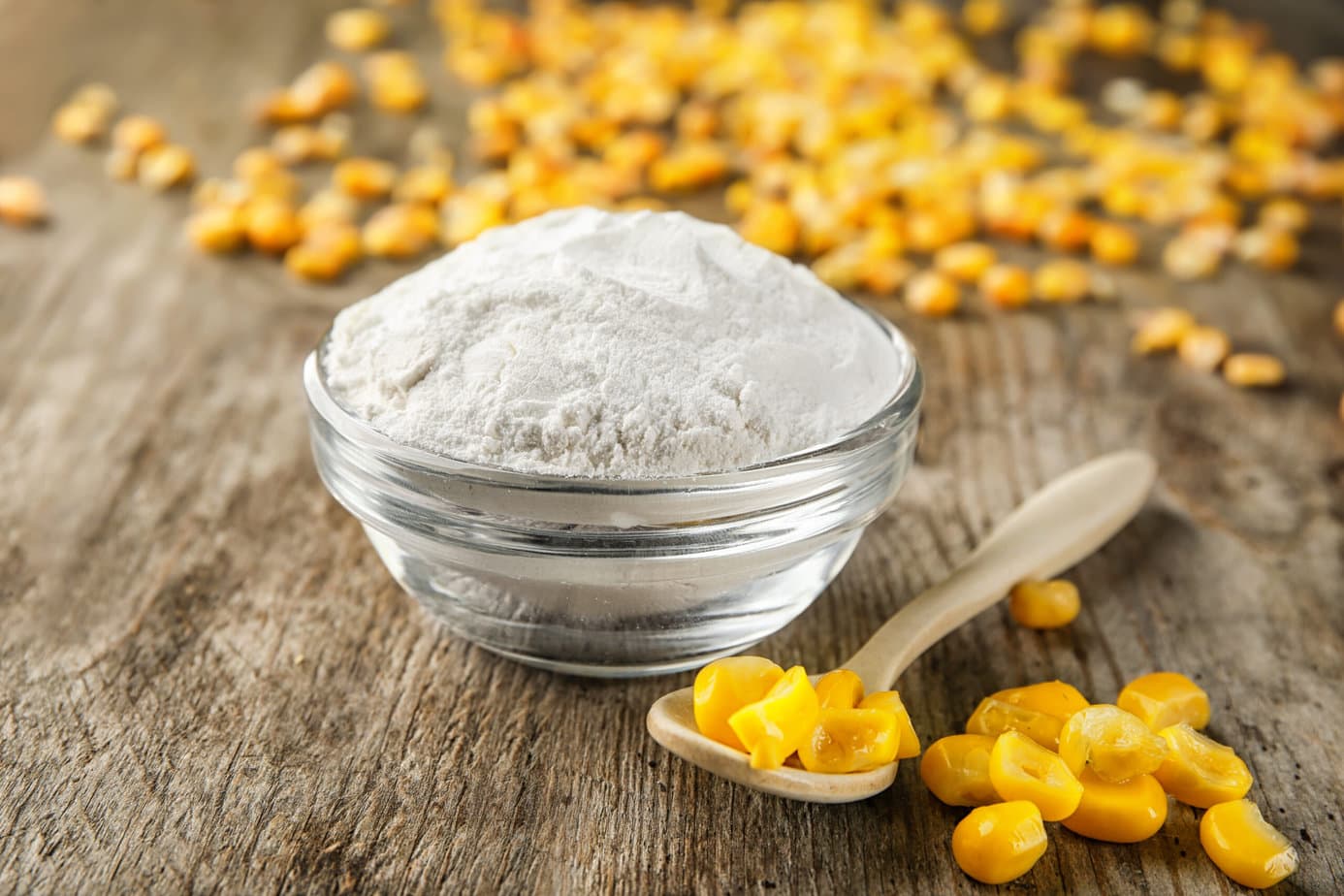
Many of my recipes call for a 1:1 ratio of cornstarch and water mixed together.
These mixtures are used to thicken countless sauces in stir-fried and braised dishes. Larger amounts are needed to make a homemade sweet-and-sour sauce, but the two main tips for using cornstarch would be the following :
- Mix the cornstarch and water well just before using it (it will separate after a few minutes).
- Stir the sauce quickly as you pour in the solution to avoid the formation of lumps.
Another common use for cornstarch is in marinating meat. Cornstarch is used to make the texture of the meat silkier and juicier. Cornstarch is also used for deep-frying, giving a perfectly light and crispy texture.
7. Hoisin sauce
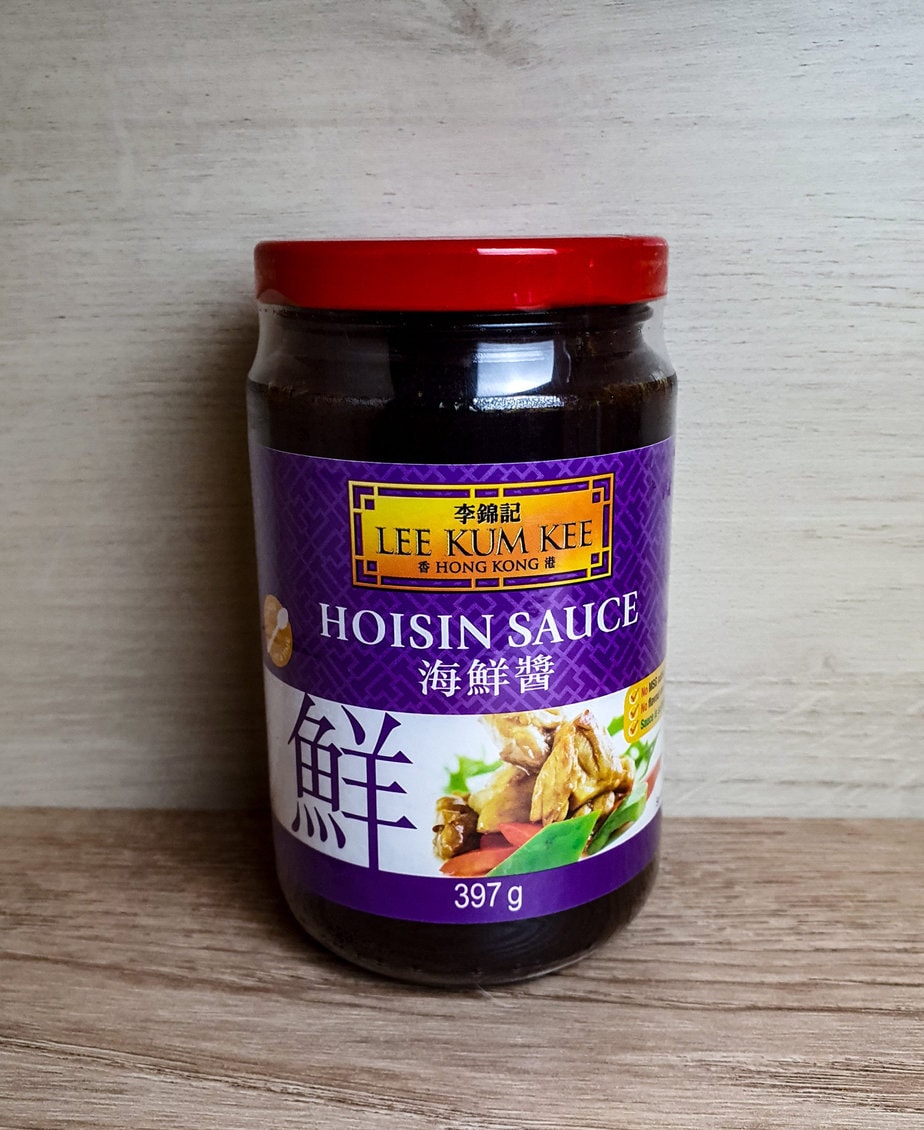
It’s actually the Chinese equivalent of barbecue sauce. The best part? You can make hoisin sauce yourself.
It’s used mainly in stir-fries, marinades, and glazes, but also in dipping sauces.
Click here to buy it from our partner
The essential aromatics of Asian cooking
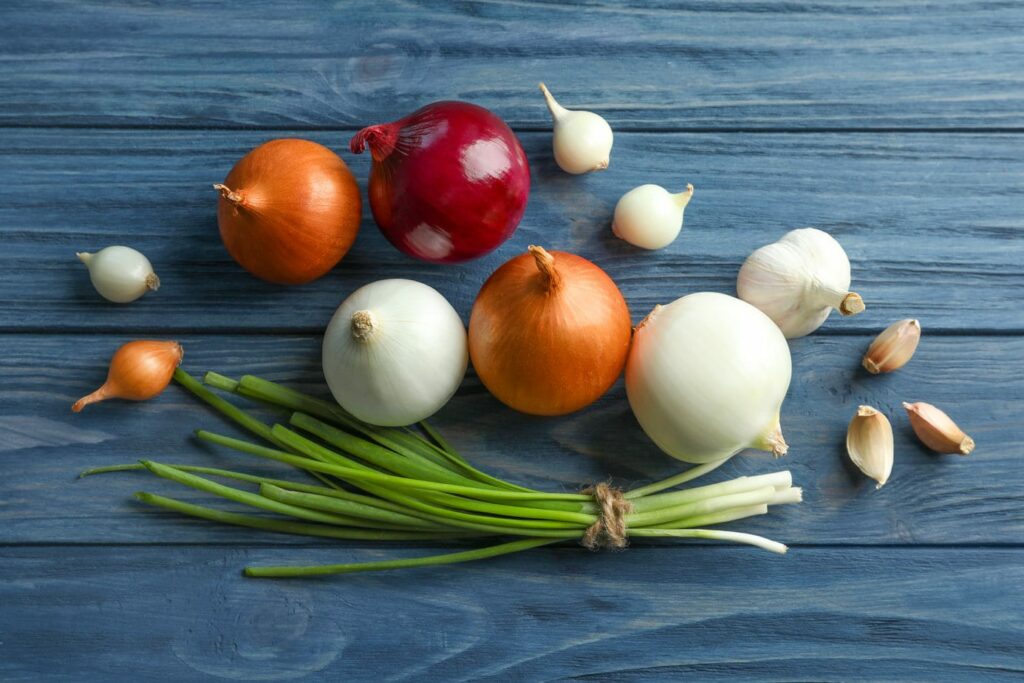
Ginger, garlic, and scallions are the holy trinity of Asian cooking.
Okay, so maybe scallions aren’t technically a pantry item, but they’re so crucial and so easy to find that I decided to include them here.
These aromatics are each essential to Asian cooking, but not every dish requires all three. The flavors of ginger, garlic, and scallion vary depending on what you use and how you cook them.
8. Garlic
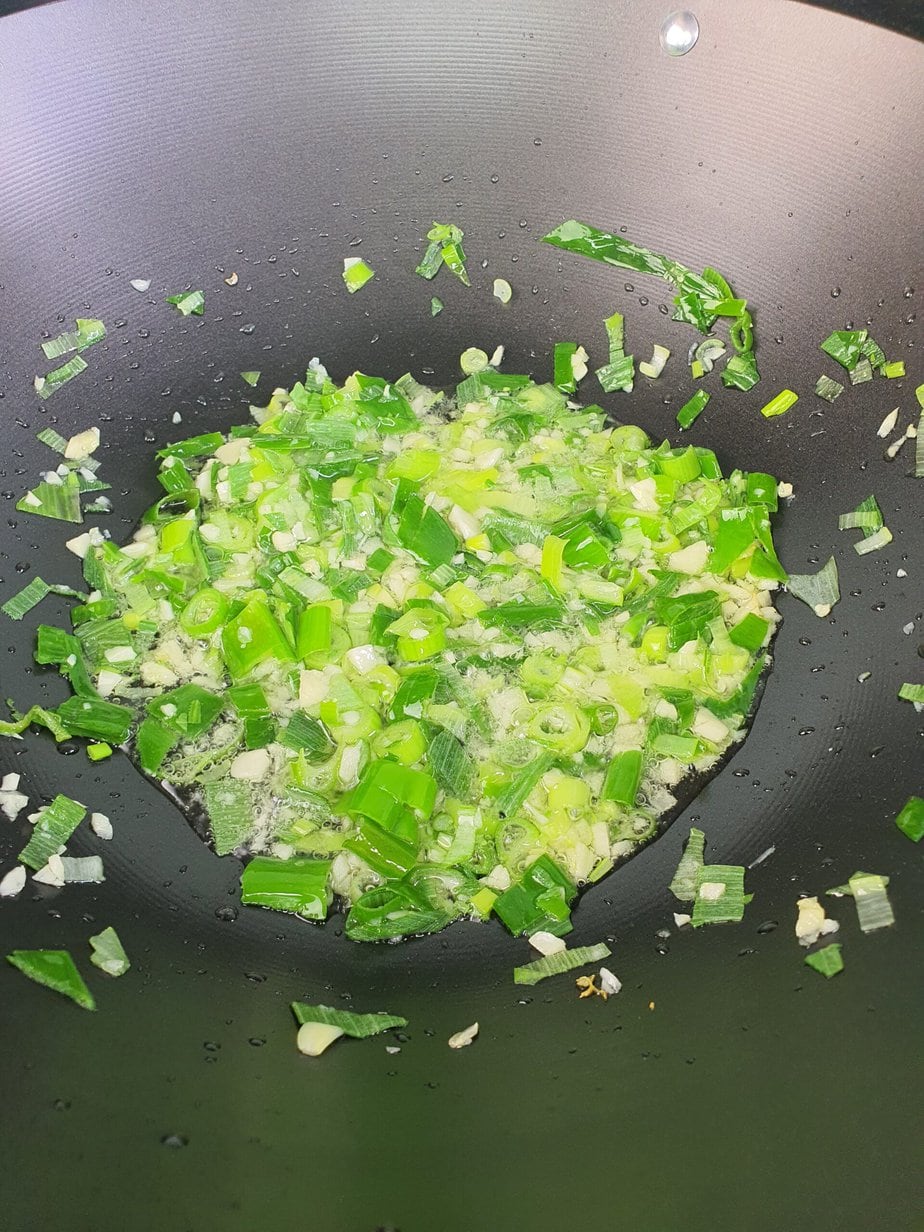
Everyone knows garlic, but you can never have too much garlic in your pantry when you’re cooking Asian dishes! You can also turn it into a delicious condiment: fried garlic
Always remember to work quickly when using garlic in a stir-fry so you don’t burn it. Garlic is the foundation of many of my recipes, and the bitterness of accidentally burnt garlic will ruin your dish.
In fact, if this happens, stop right away, throw out the burnt garlic, and start the recipe over! At worst, you’ll lose 5 minutes.
9. Ginger
Ginger has a unique flavor and is used in many recipes. Caramelizing slices of ginger in oil infuses dishes with a toasted ginger flavor that actually spreads throughout the entire dish for a truly authentic flavor.
10. Scallions
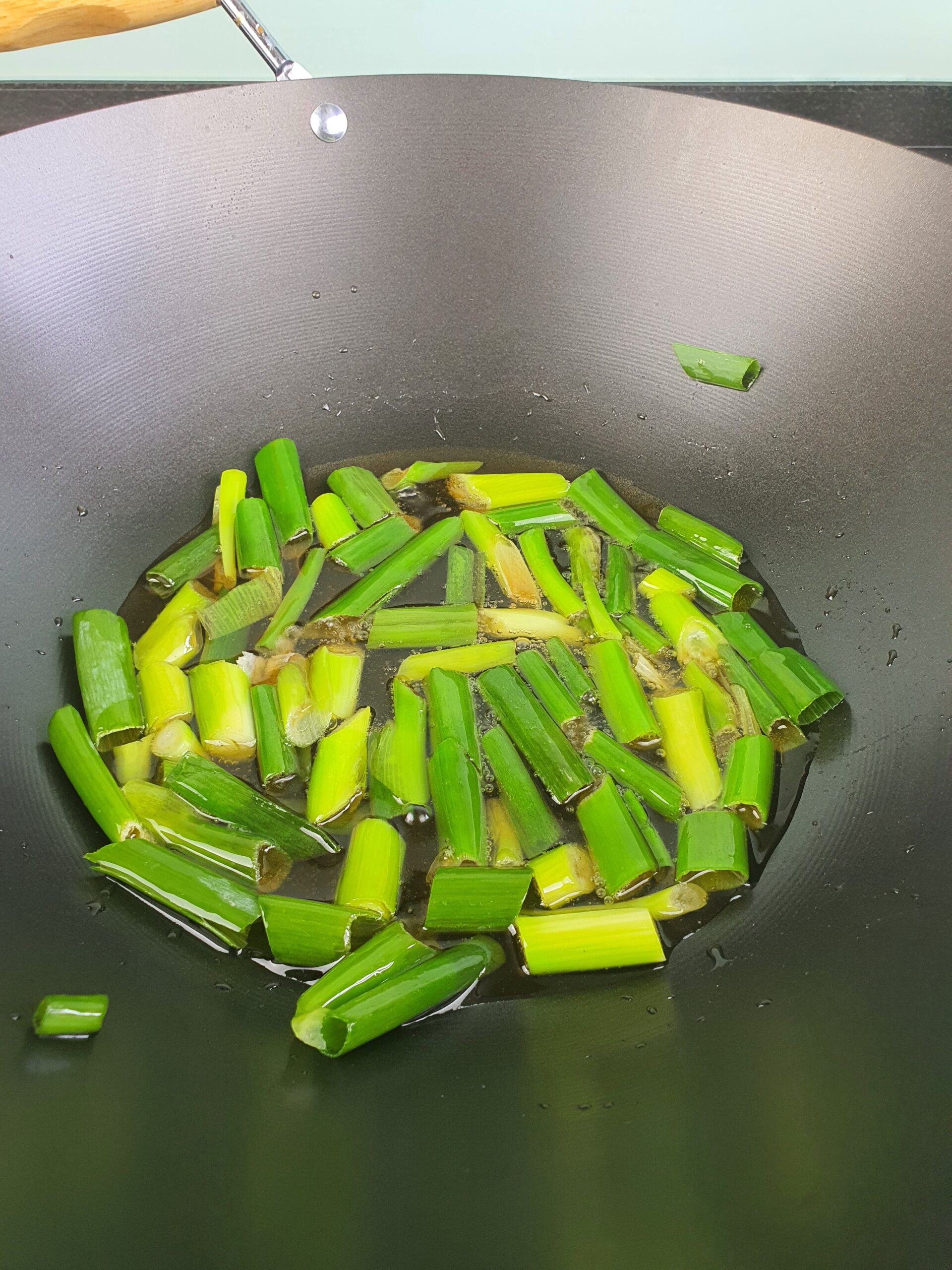
Green onions, or scallions, are used everywhere in Chinese and Asian cuisine. From chili oil
For a quick stir-fry full of scallion flavors, try making my beef and scallion stir-fry. It’s quick to prepare, easy, and a delicious “one pot” meal served over rice, perfect for busy weeknights and when you have a bunch of scallions sitting at the back of your fridge!
There are obviously many more items you could add to your Asian pantry, but for those looking to make a serious foray into Asian cooking at home or simply to whip up a few quick and easy stir-fries, start with the basic Asian pantry items listed here