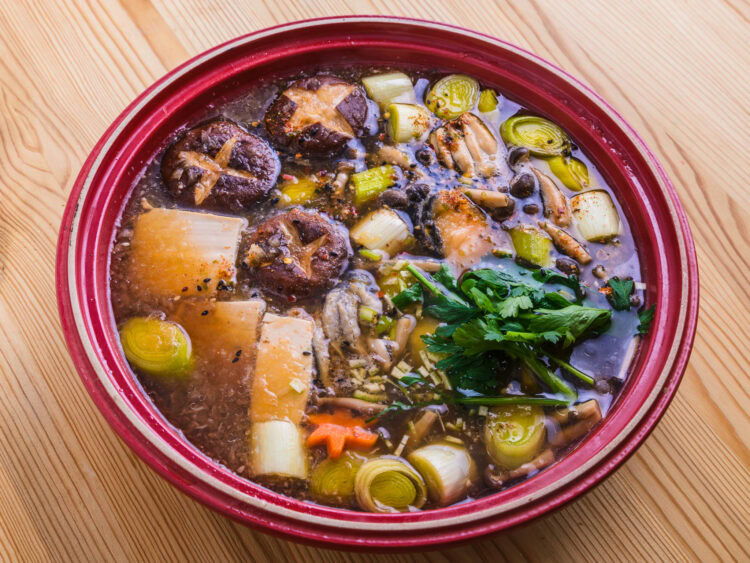
A Japanese winter hot pot in clear dashi, with oysters, fried salmon and cod, mochi, silken tofu, and grated daikon.
It’s cold, night falls early, and nothing sounds more inviting than a steaming hot pot in the middle of the table. In mizore nabe, grated daikon drifts through clear dashi like melting snow, surrounding oysters, silken tofu, and golden mochi.
The fried salmon and cod keep a little of their crispness before soaking up the broth. A dab of yuzu kosho in your bowl, and you forget all about the weather outside.
What Is Mizore Nabe ?
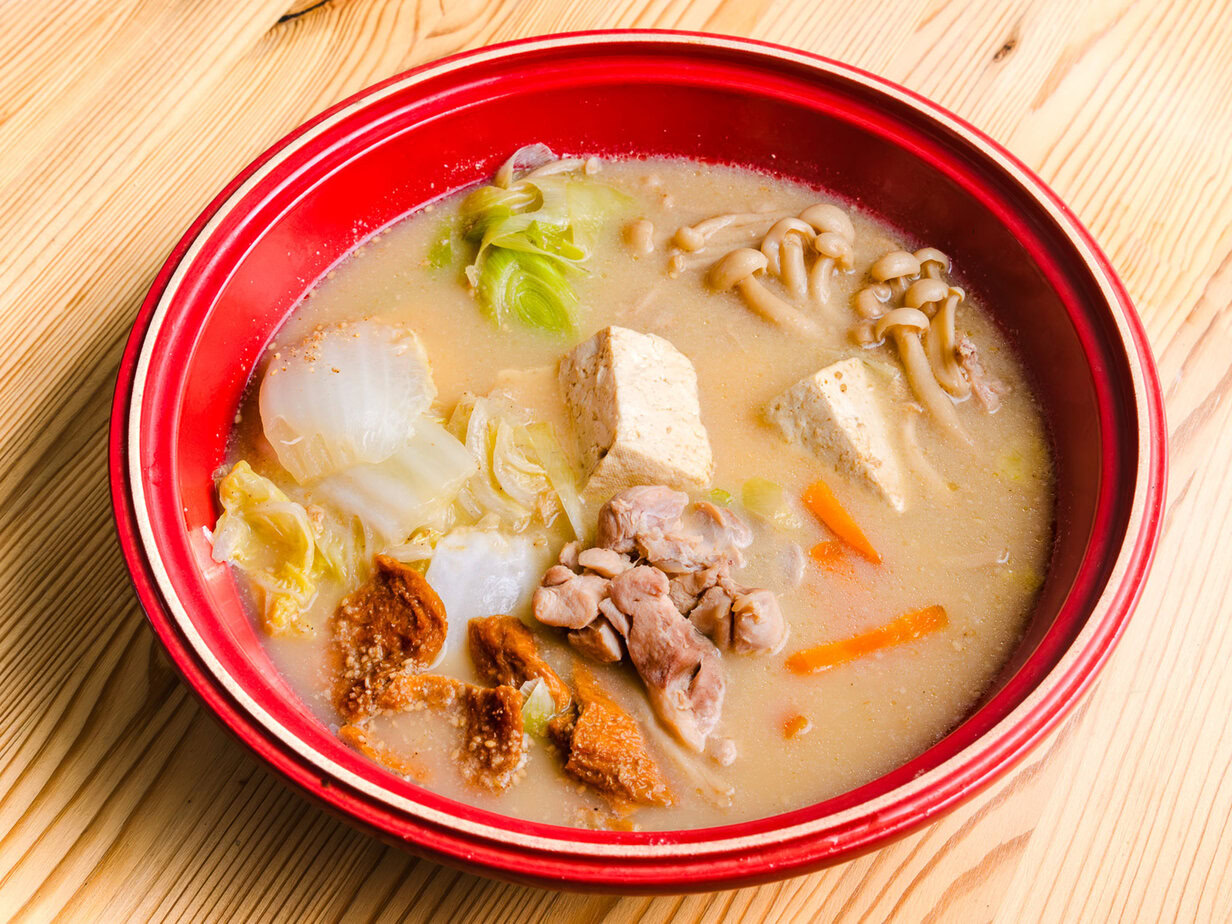
Mizore nabe (みぞれ鍋) is a Japanese winter hot pot, cooked in an earthenware donabe and shared at the table. Its base is a clear kombu and katsuobushi dashi, seasoned with sake, mirin, salt, and light soy sauce (usukuchi), which adds saltiness without darkening the broth.
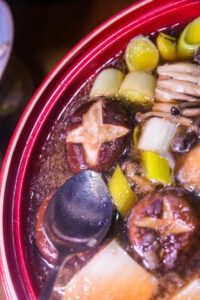
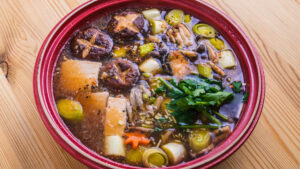
Carrot, Japanese leek, shiitake mushrooms, and shimeji mushrooms cook in the broth, followed by tofu, fried fish, mochi, oysters, and grated daikon. There is no miso, pork, or chicken in this version.
In Japanese, mizore means sleet, the mix of rain and snow that falls on winter days. Gently heated, the grated daikon becomes translucent and floats in the broth like melting snowflakes.
A Hot Pot Born in Snowy Winters
No one knows exactly where mizore nabe originated. It is often associated with Ishikawa Prefecture, on the Sea of Japan, where winters bring heavy snowfall and fish and oysters are local specialties.
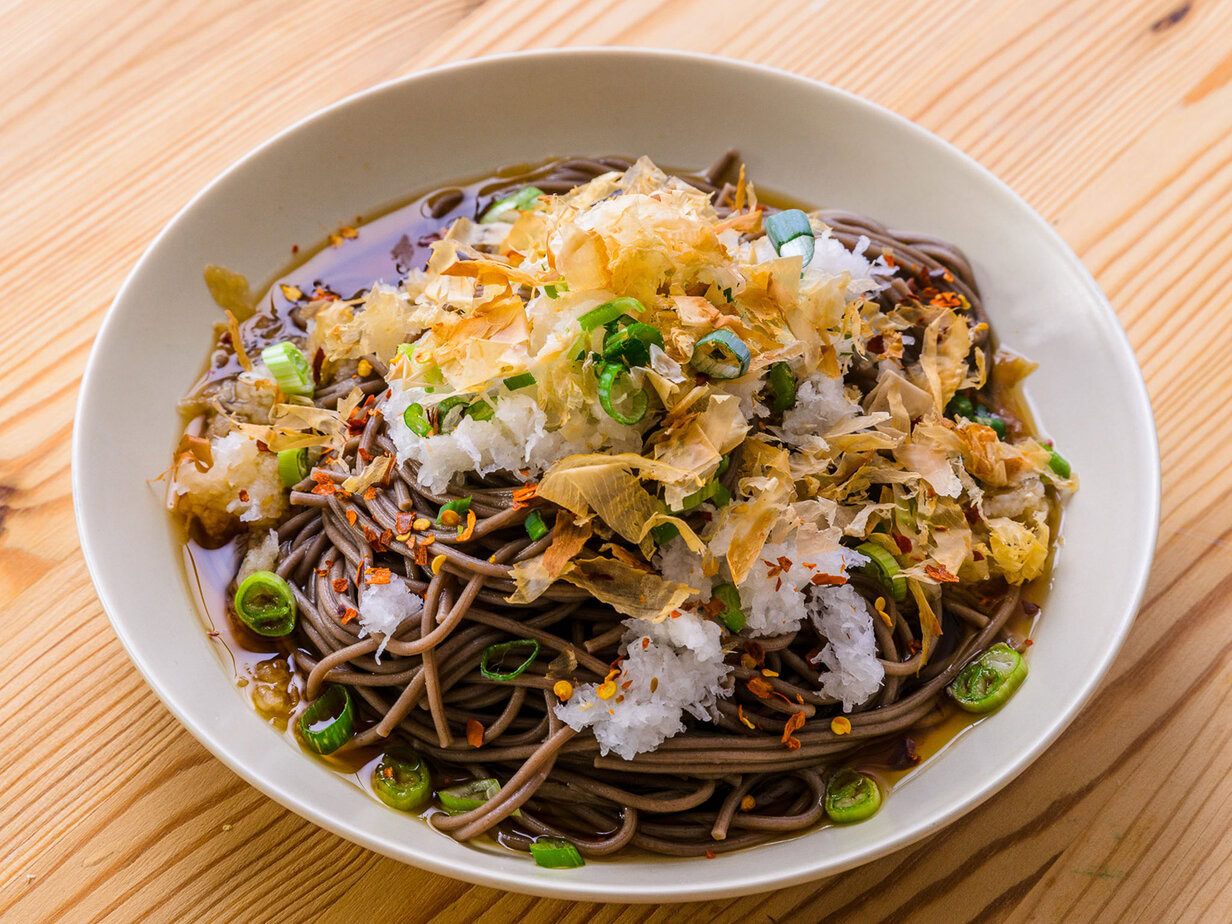
The name follows a tradition in Japanese cooking : bringing the season to the plate. Dishes in which grated daikon evokes melting snow take the prefix mizore, such as mizore-ni (simmered) or mizore-ae (dressed).
When the daikon is drained more thoroughly and placed on top at the end of cooking, the dish is often called yukimi nabe, the “snow-viewing” hot pot, although the two names are used interchangeably.
The donabe sits in the center of the table, and everyone fills their bowl with broth, fish, tofu, and mushrooms.
Grated daikon is traditionally thought to aid digestion, which explains its place alongside fried fish and mochi. The meal ends with shime : udon cooked in the remaining broth, which has grown richer throughout the meal.
The Main Ingredients in Mizore Nabe
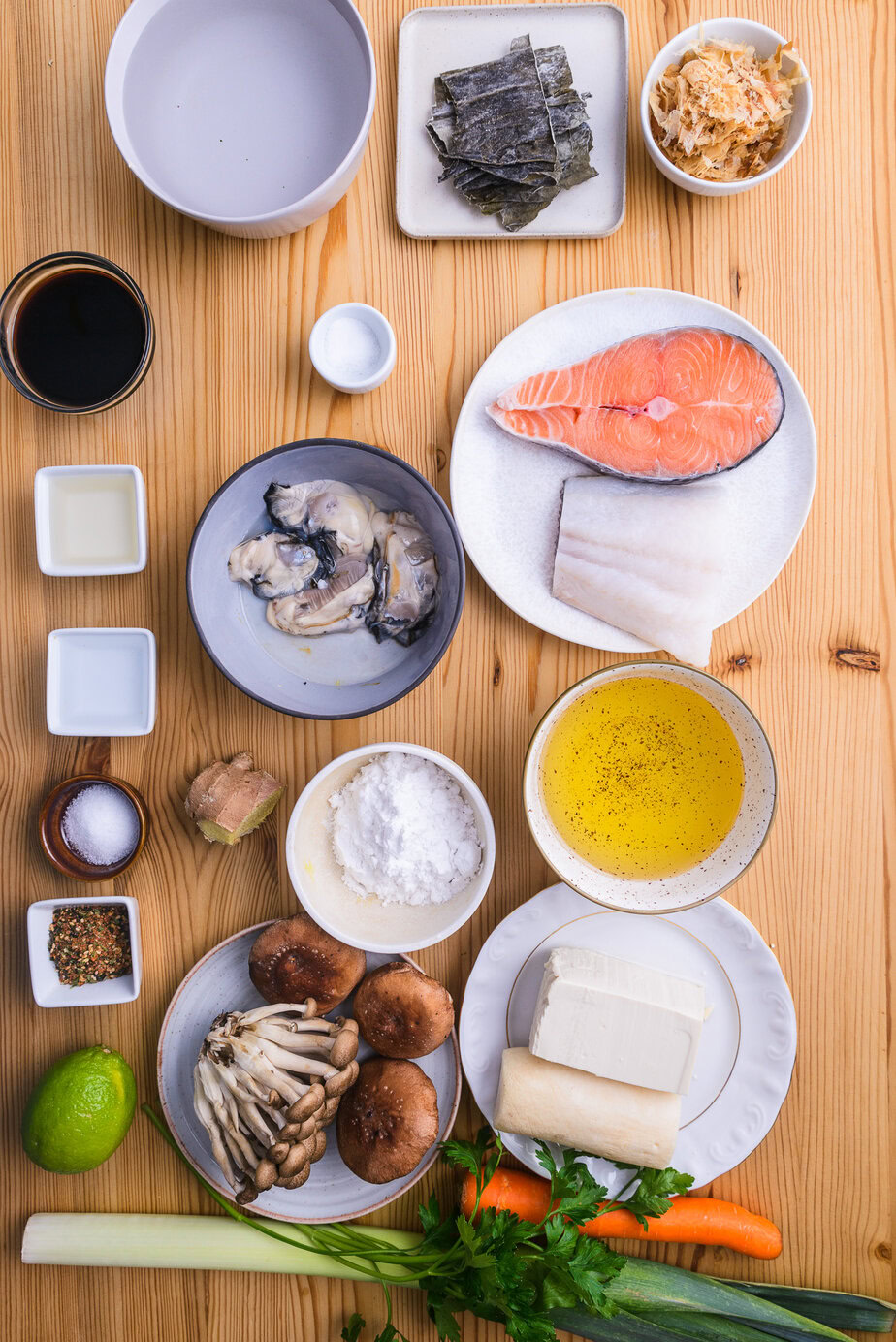
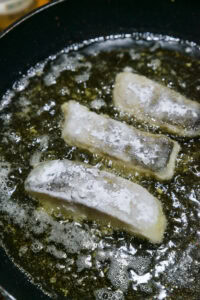
The oysters are salted, rinsed, then blanched for a few seconds, just long enough to firm them up. The salmon and cod are salted, rinsed, flavored with ginger juice, and fried in a thin coating of potato starch (katakuriko).
Kirimochi, rectangular glutinous rice cakes, are fried until they puff up, then turn meltingly soft in the broth. Silken tofu provides a gentle contrast to these fried ingredients.
As for the vegetables, the carrot is cut into maple leaf shapes, and the shiitake caps are scored with a cross. Japanese leek (naganegi) is milder than European leek. Seri, a fresh Japanese herb similar to parsley, goes in last, and watercress makes a good substitute.
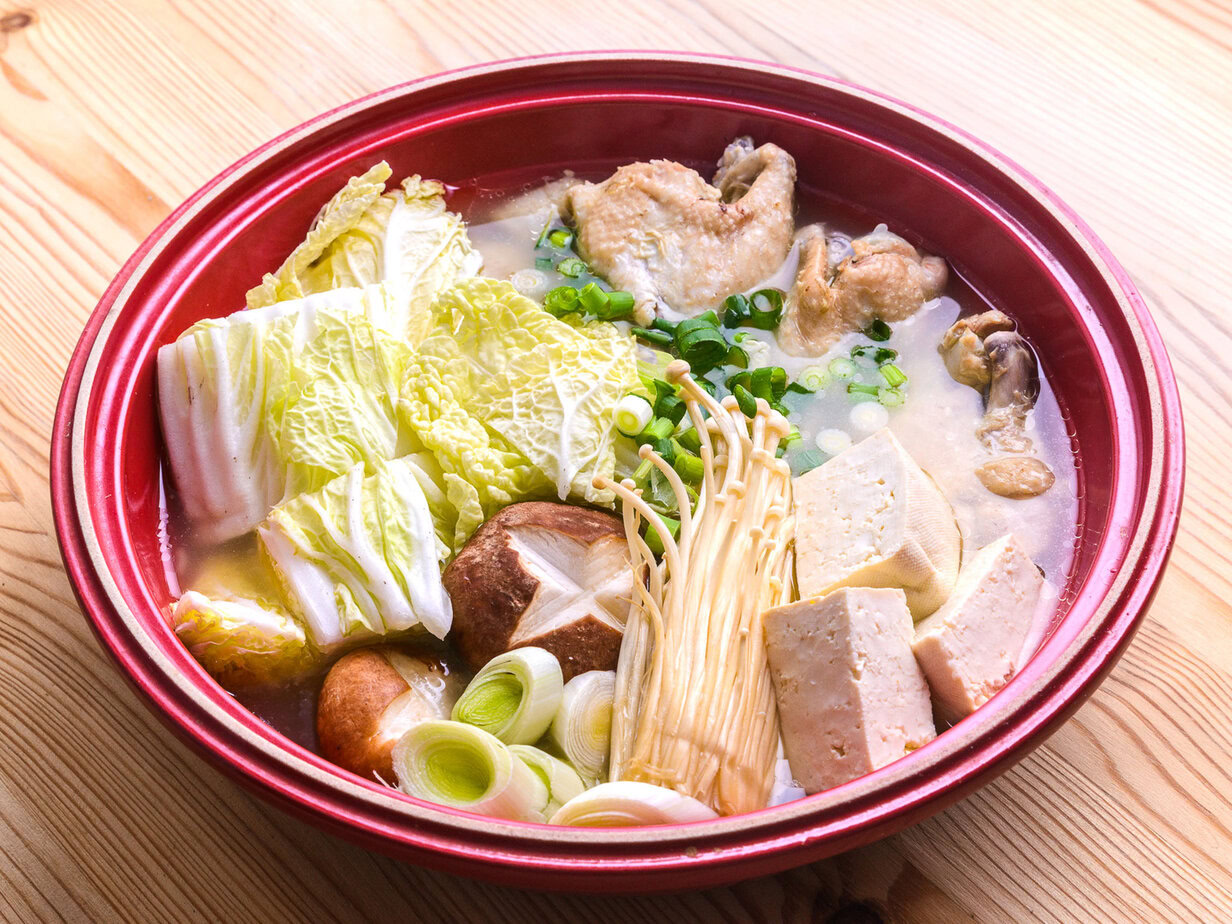
Grated daikon defines this dish. It goes into the pot with the tofu, fish, and oysters, and should be heated only briefly to preserve its texture and mild sweetness. At the table, everyone seasons their bowl with yuzu kosho, shichimi togarashi, and yuzu zest.
Tips for a Good Mizore Nabe
Keep the broth pale : light soy sauce adds seasoning without color, and homemade dashi gives the cleanest flavor, though instant dashi works in a pinch.
Add the grated daikon at the very end and turn off the heat as soon as the broth returns to a boil. For the shime, thin the broth with a little dashi if it has reduced too much, and adjust the seasoning with a little light soy sauce and mirin before adding the udon.
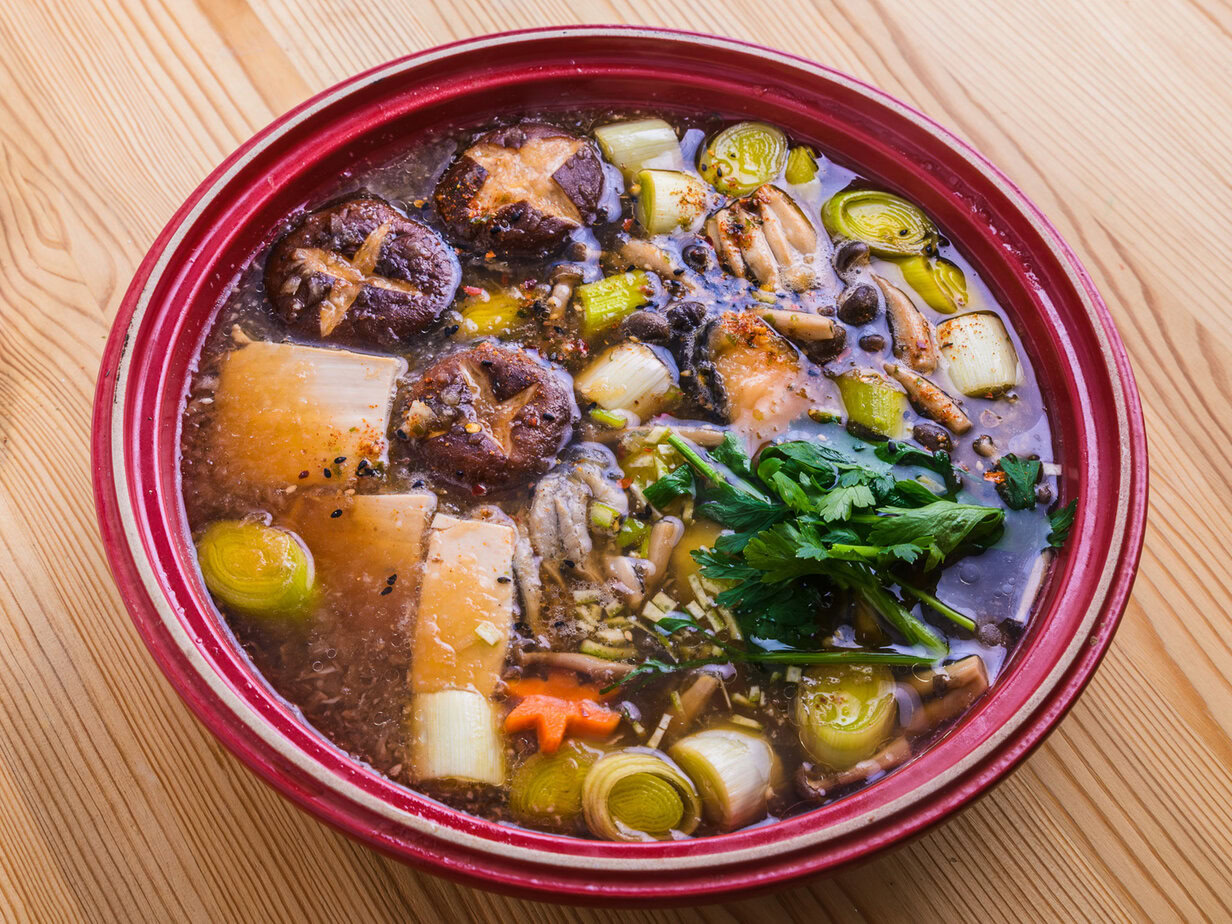
Ingredients
Dashi (Kombu and Bonito Broth)
- 1 L water
- 4 pieces kombu 5 cm by 5 cm
- 20 g bonito flakes dried (katsuobushi)
Nabe Broth
Fish and Seafood
- 4 large oysters
- 1 fillet salmon unsalted
- 1 fillet cod unsalted
- salt for the fish and oysters
- 1 piece ginger
- potato starch (katakuriko), for coating
- frying oil
Vegetables and Noodles
- 5 rounds carrot 3 mm thick
- 1 leek Japanese (naganegi)
- 3 shiitake mushrooms fresh
- 50 g shimeji
- 60 g seri (Japanese parsley), or watercress
- 300 g daikon grated
- 150 g tofu silken, about 0.5 block
- 2 mochi (rice cakes, kirimochi)
- 1 package udon frozen or precooked
Condiments
- yuzu kosho
- 1 yuzu zest only
- shichimi togarashi
Instructions
Dashi
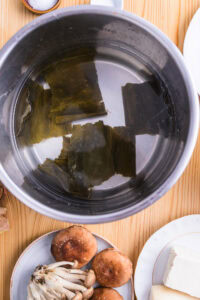
- Soak the kombu in the water for about 30 minutes.1 L water, 4 pieces kombu
- Add the bonito flakes to the saucepan of kombu broth.20 g bonito flakes
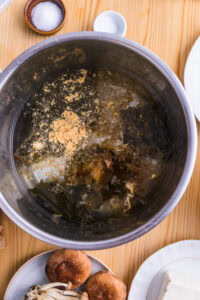
- Heat over medium heat.
- When it comes to a boil, skim off the foam.
- Reduce the heat and let steep for 5 minutes.
- Turn off the heat and strain through a strainer lined with paper towels.
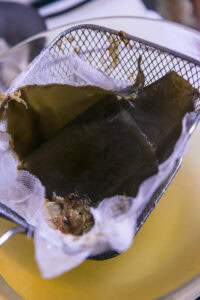
- Press the bonito flakes firmly to extract a rich dashi.
Preparation
- Cut the carrot into 5 rounds, 3 mm thick, then cut them into maple leaf shapes.5 rounds carrot
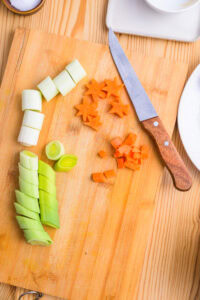
- Cut the leek into 6 pieces, 4 cm long, then slice the rest diagonally into 7 to 8 mm slices. Reserve the diagonal slices for the udon.1 leek
- Remove the shiitake stems and score a cross into the caps.3 shiitake mushrooms
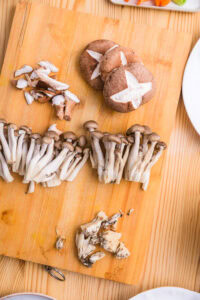
- Trim the base of the shimeji and separate them into small clusters.50 g shimeji
- Cut the seri into 7 cm lengths.60 g seri
- Cut the silken tofu into 4 pieces.150 g tofu
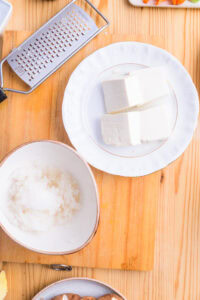
- Cut the mochi in half.2 mochi
- Thinly peel the yuzu, remove the white pith, cut the zest into thin strips, then finely chop.1 yuzu
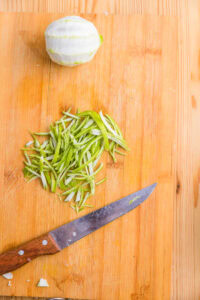
- Grate the daikon.300 g daikon
- Sprinkle the oysters with about 1 teaspoon of salt, then toss gently and briefly.4 large oysters, salt
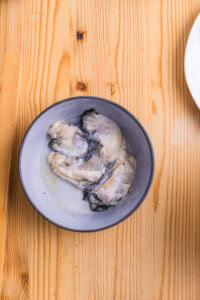
- Rinse under running water and drain in a strainer.
- Lower the strainer into boiling water and gently stir the oysters with chopsticks.
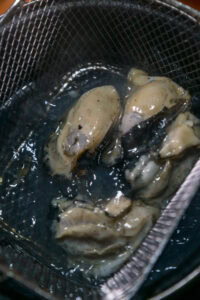
- After about 10 seconds, as soon as they plump up, remove them immediately.
- Salt the salmon and cod on both sides, press lightly, and let rest for 20 minutes until the surface is moist.1 fillet salmon, 1 fillet cod
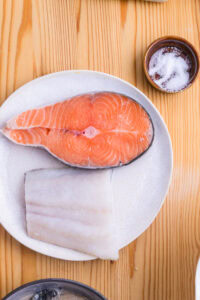
- Rinse thoroughly with water to remove any fishy smell, then pat dry with paper towels.
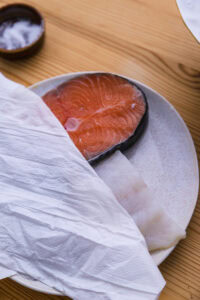
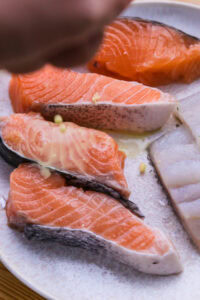
- Slice the salmon diagonally into 4 pieces, and do the same with the cod.
- Grate the ginger and drizzle its juice over the fish to coat.1 piece ginger
Frying
- Pour about 1 cm of oil into a frying pan and heat to 170°C.frying oil
- Fry the mochi, turning them until golden on all sides.
- When they puff up slightly, remove and drain.
- Coat the salmon in potato starch and tap off the excess.potato starch
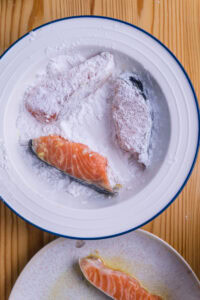
- Fry at 170°C, turning the pieces, then drain on paper towels once golden.
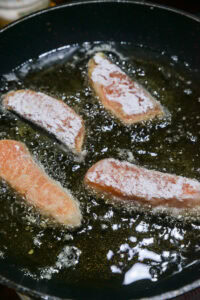
- Fry the starch-coated cod in the same way, turning the pieces, then drain.
The Nabe
- Pour the dashi into a donabe (earthenware pot) and heat.500 ml dashi
- When it comes to a boil, add the sake, mirin, salt, and light soy sauce, then stir.1 tablespoon sake, 1 tablespoon mirin, 0.5 teaspoon salt, 2 tablespoons soy sauce
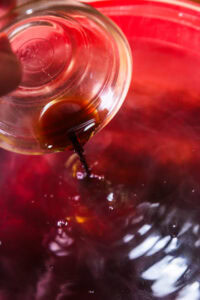
- Add the carrot, leek pieces, shiitake, and shimeji.
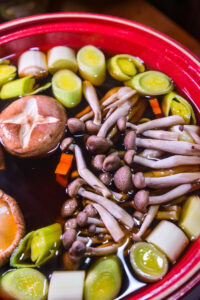
- Cook for 1 to 2 minutes.
- Add the grated daikon, tofu, fried salmon and cod, mochi, and oysters.
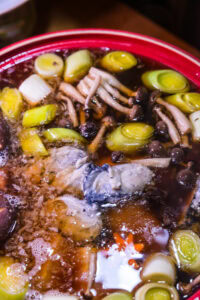
- When it returns to a boil, skim off the foam.
- Finally, add the seri.
- Do not overcook the grated daikon, as it quickly loses its goodness when heated.
- Serve in individual bowls.
To Finish (Udon)
- Add the udon to the remaining broth.1 package udon
- Top up with a little dashi if the broth has reduced too much.
- Adjust the seasoning with a little light soy sauce and mirin.
- Add the reserved diagonal leek slices and separate the noodles with chopsticks.
- Serve with the condiments: yuzu kosho, shichimi, and yuzu zest.yuzu kosho, shichimi togarashi