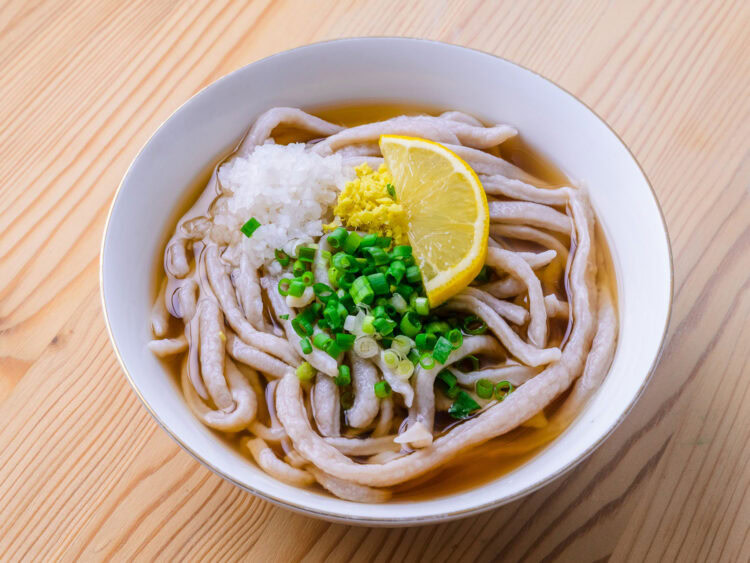
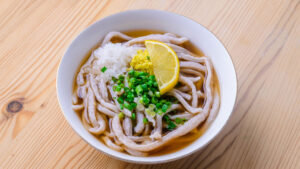
Homemade udon served chilled, drizzled with concentrated niboshi-dashi tsuyu and topped with grated daikon, ginger, and lemon wedges.
The air is heavy, the kitchen is already too hot, and a steaming bowl of soup is out of the question. The noodles come straight from ice water — firm and springy — and need only a drizzle of well-concentrated tsuyu over the top.
Grated daikon cools and refreshes, ginger adds warmth, and lemon brightens everything at the last moment. Toss quickly, eat quickly — the bowl will be empty before you have even settled into your seat.
What is bukkake udon?
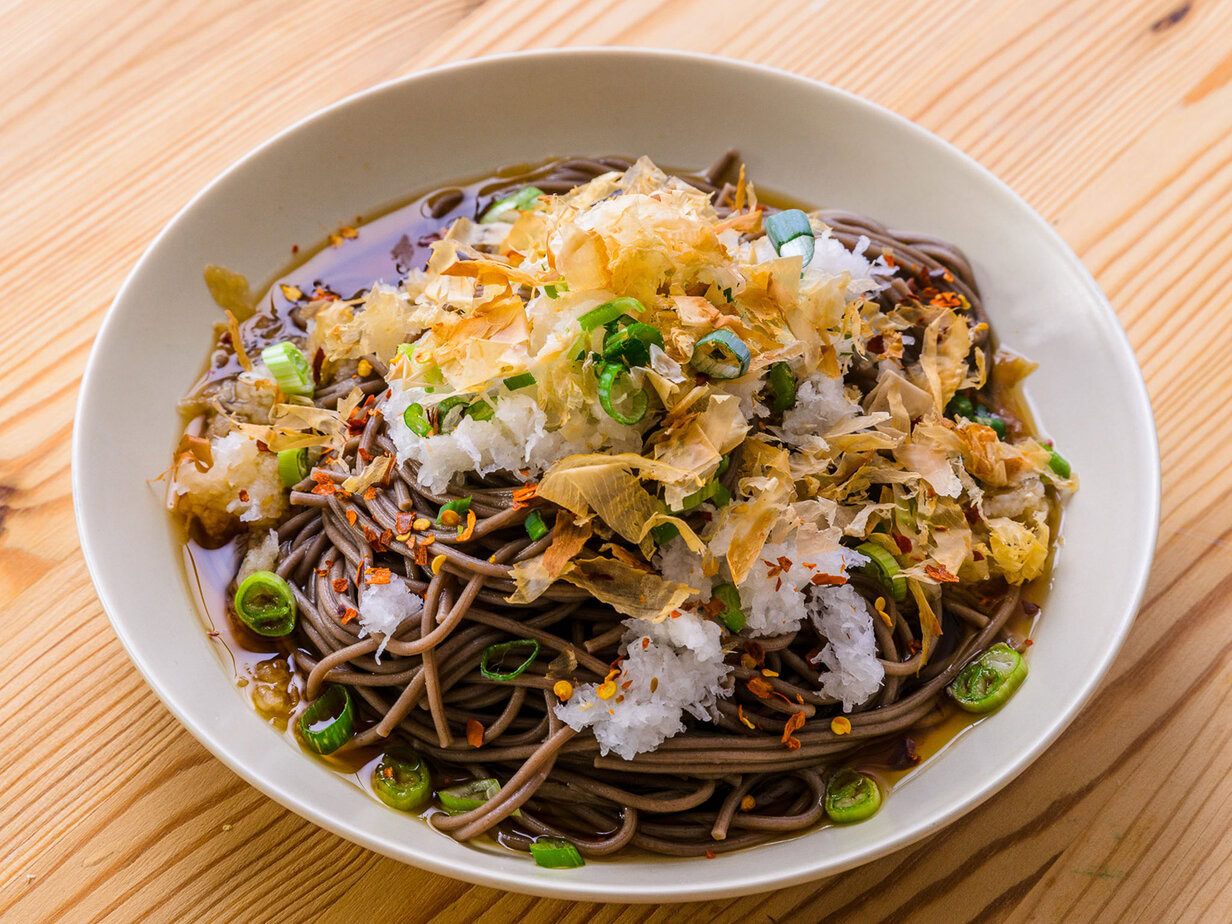
Three elements make the bowl. First, thick wheat udon noodles with firm, elastic koshi — that satisfying chew right to the core of each strand. Then a concentrated tsuyu that coats the noodles without drowning them: in Kurashiki, a mellowed kaeshi of soy sauce, sugar, and mirin cut with a dashi of kombu, bonito, and dried shiitake; in Kagawa, a clearer dashi led by iriko.
Finally come the yakumi toppings: scallion, grated daikon, ginger or wasabi, nori, tenkasu, and — in Kurashiki-style bowls — sometimes a raw quail egg.
The name comes from the verb bukkakeru, to pour or to splash. It is a perfectly ordinary kitchen term in Japan that long predates the meaning assigned to it by the adult video industry in the late 1990s — so much so that some restaurants abroad list it as “B.K. Udon” on their menus.
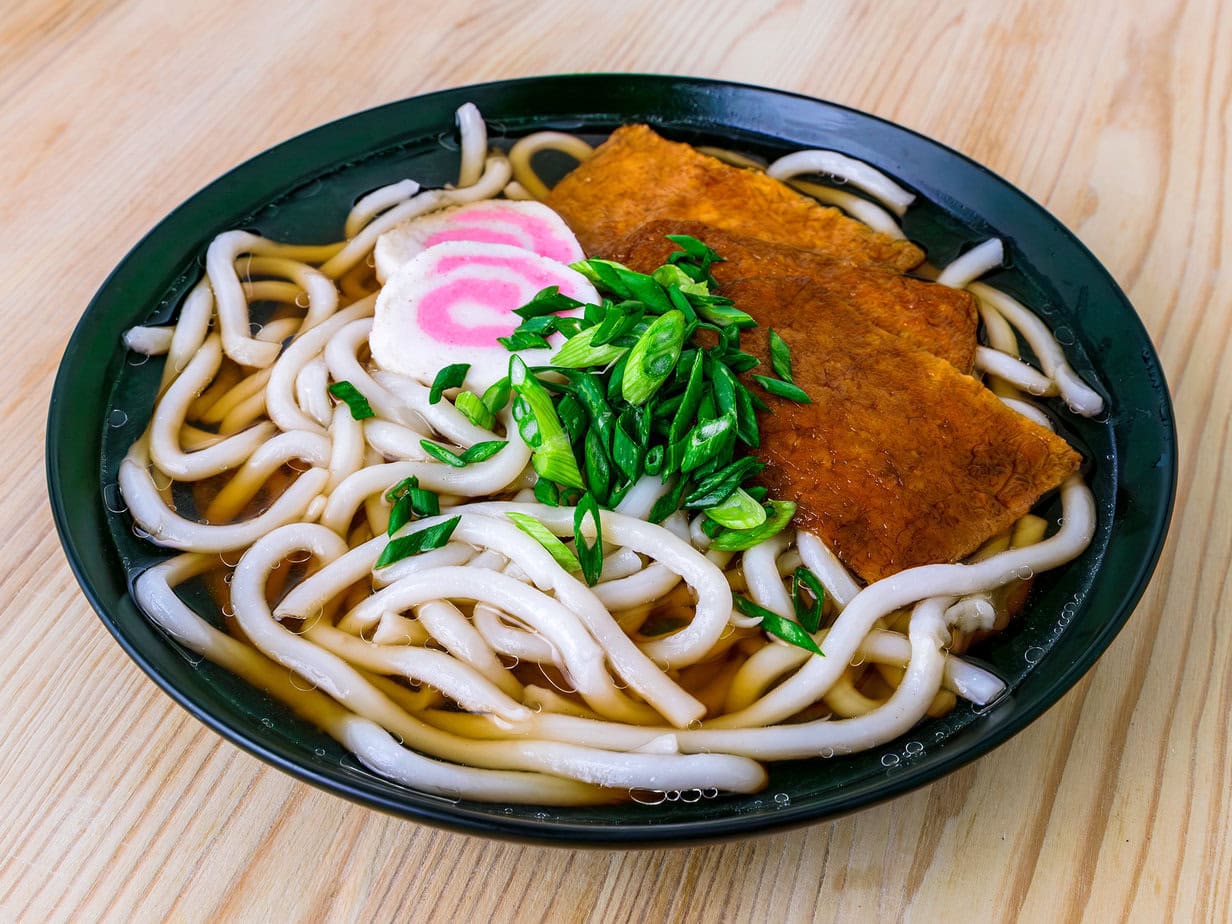
You don’t eat it like soup. There is no separate dipping dish as with zaru udon — a close cousin of zaru soba — and the noodles don’t swim in broth as in kake udon or kitsune udon. Instead, a small ladle of full-bodied tsuyu is poured over the plated noodles, then everything is tossed together well.
A mahjong table in Kurashiki, a lunch break in Kagawa
The Kurashiki story begins in Okayama Prefecture in the 1960s with mahjong players who didn’t want to juggle a separate dipping dish. The cold udon went straight into the bowl, the sauce was poured right on top, and the shortcut became a local signature.
Furuichi, open since 1948, trademarked “Bukkake Udon” in 1993. Its sauce is dark and sweet, close to a soba tsuyu — a mellowed kaeshi blended into a dashi of kombu, bonito, and dried shiitake — served chilled with raw quail egg, tenkasu, scallion, kizami nori, and wasabi.
In Zentsuji, Kagawa Prefecture, the story is different. Yamashita Udon, opened in 1981, served its staff makanai bowls drizzled with concentrated iriko dashi made from dried sardines.
Customers asked for the same, and the style caught on. Sanuki bukkake has kept its restraint: a pale, briny broth, very firm noodles, grated ginger, and a squeeze of lemon halfway through.
Both versions stand their ground in their own regions. Kurashiki leans dark and sweet, toward soba noodles. Kagawa stays with a lighter, briny broth and bets everything on bite — what regulars sometimes call goumen.
The main ingredients for bukkake udon
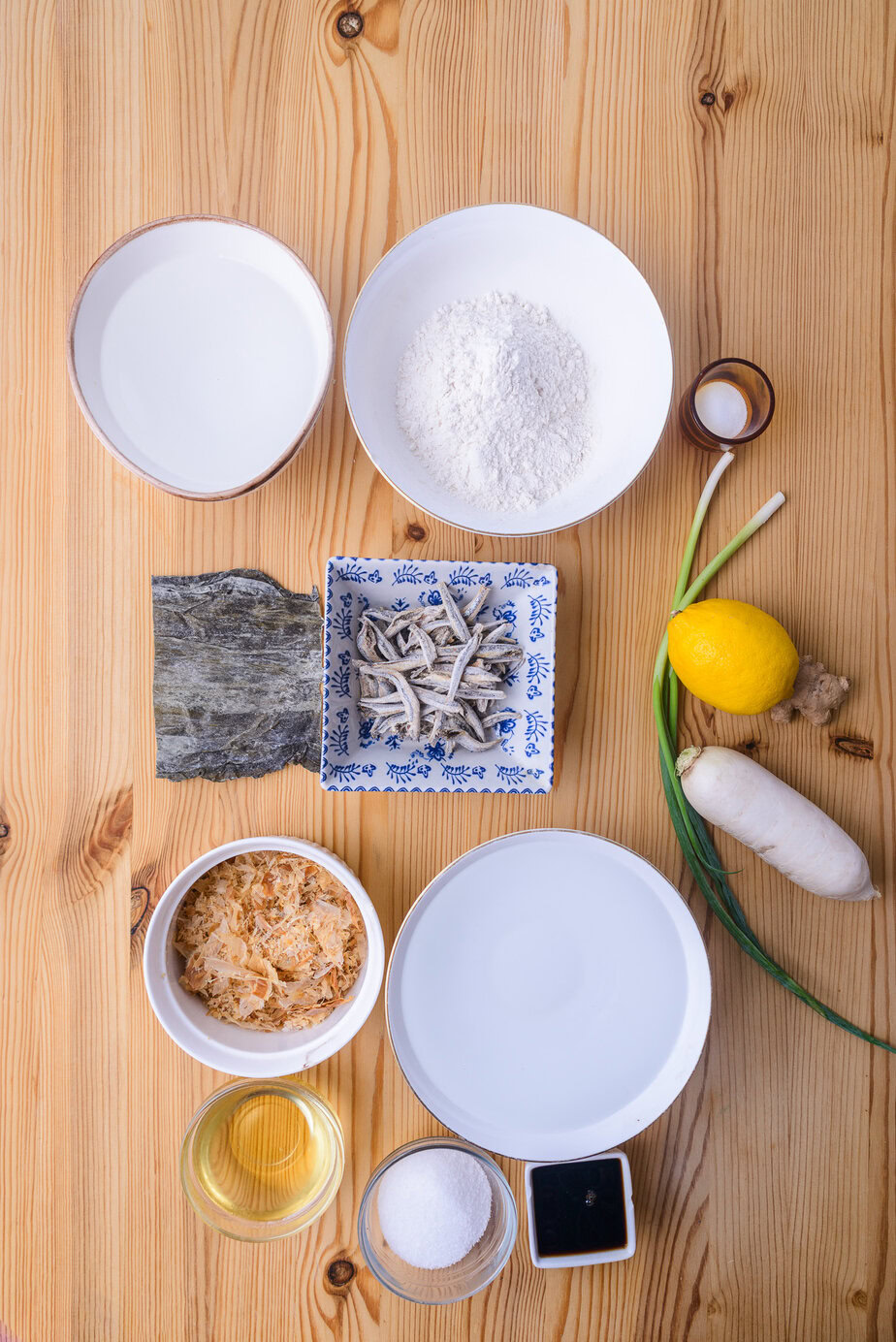
It all starts with the noodles. Thick Sanuki-style udon — fresh, frozen, or homemade — keeps the koshi that dry, flat versions rarely have.
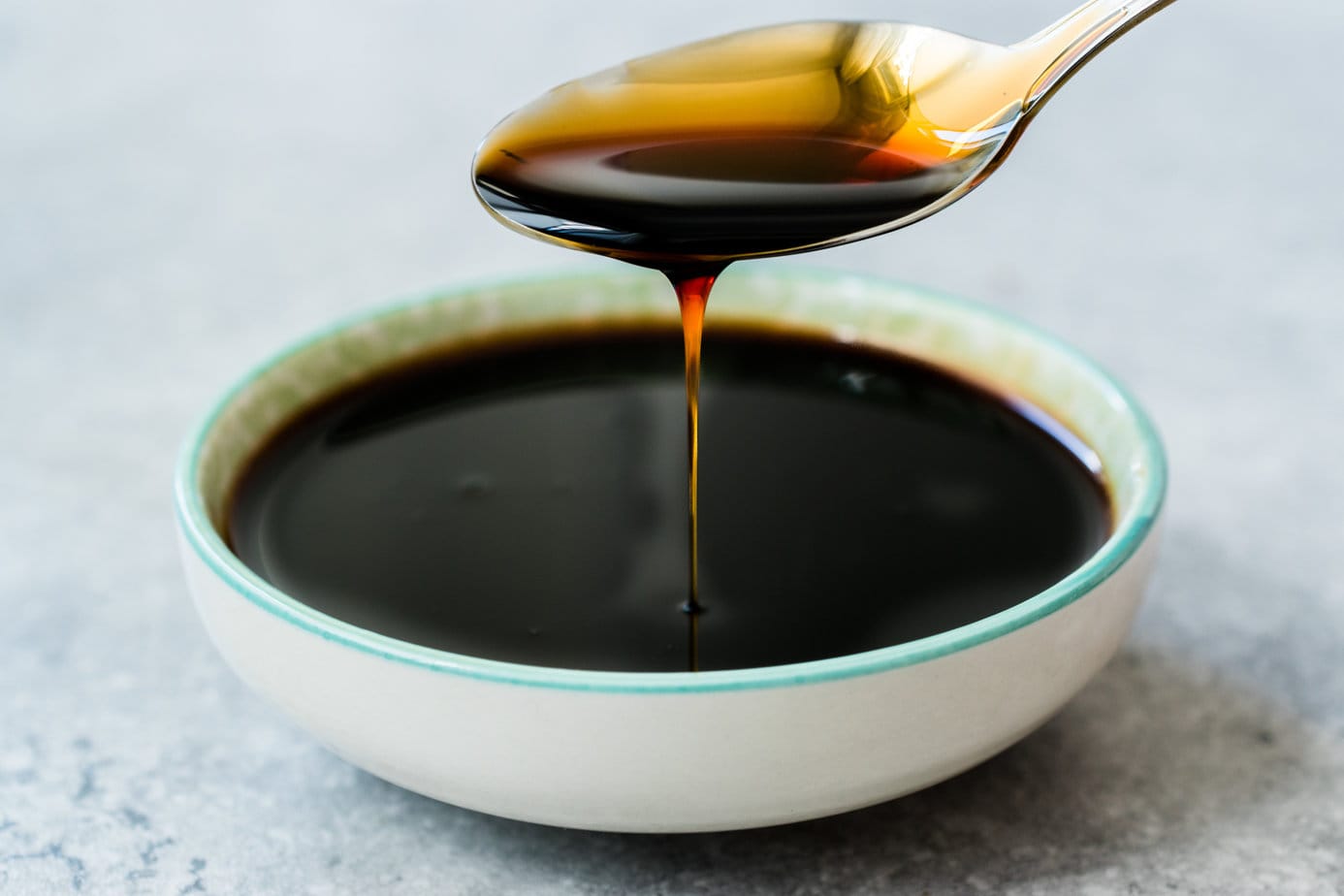
Rinsing in ice water after cooking firms up the texture and restores its springy bite. Next comes the tsuyu — for the Kurashiki style, a kaeshi of soy sauce, mirin, and sugar, mellowed and rounded by resting.
Dashi decides the rest. Kombu, katsuobushi, and dried shiitake create a deep umami base and stretch the kaeshi into an intense sauce that coats without weighing the noodles down. The Kagawa version starts with iriko, often backed by kombu and lifted with light soy sauce and a touch of mirin, letting the dried sardine shine.
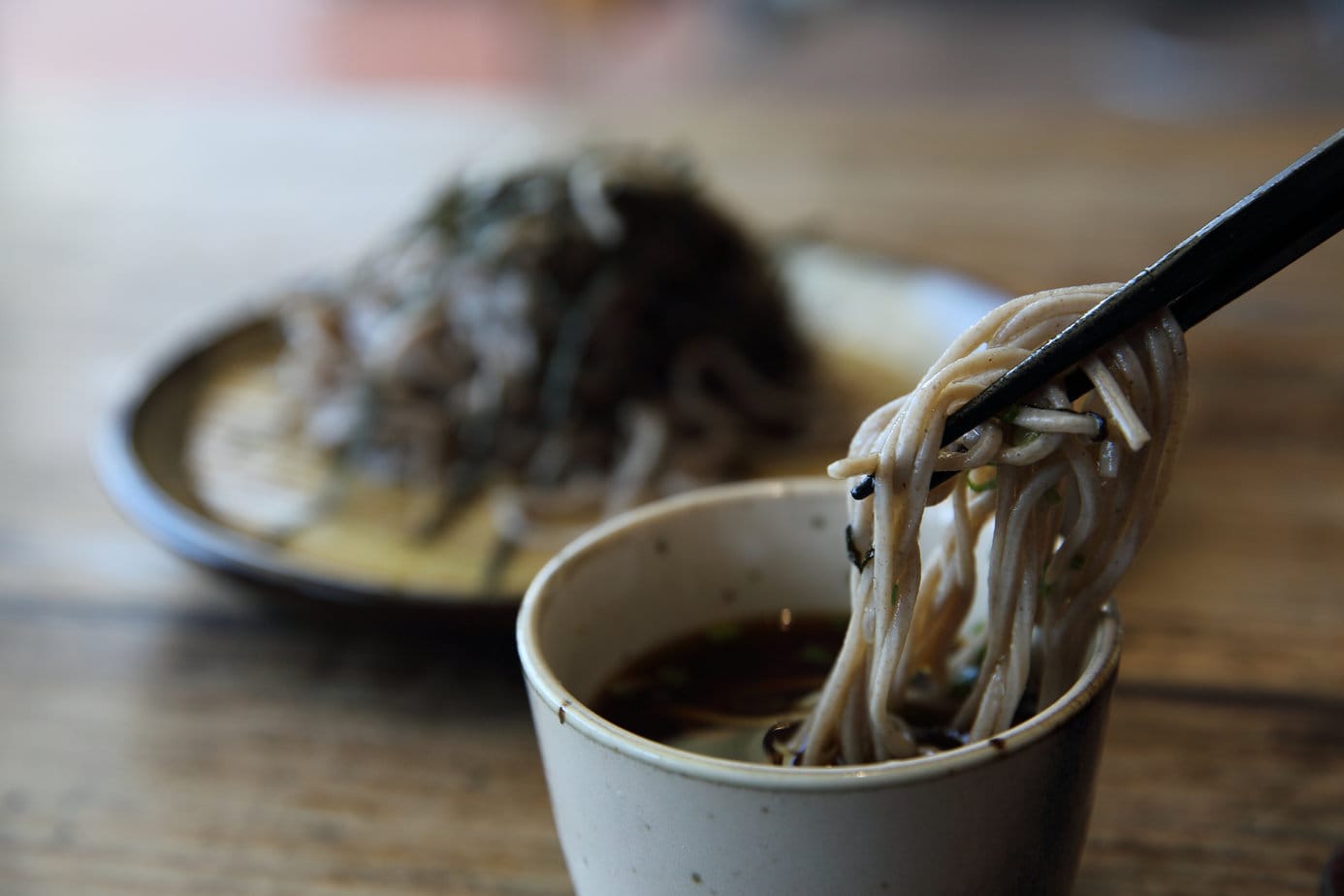
The toppings provide balance. Scallion adds peppery freshness and grated daikon adds juicy brightness that cuts through salt and sweetness — ginger suits iriko bowls, while wasabi suits chilled Kurashiki bowls.
Squeeze in lemon as you eat; tenkasu adds crunch before soaking up the sauce, and kizami nori brings the aroma of toasted nori seaweed. In the Kurashiki style, a raw quail egg makes the sauce silky — use only eggs safe to eat raw, or pasteurized eggs, as a large chicken yolk will overwhelm the bowl. In Sanuki shops, a piece of tempura, oden, or fried tofu rounds out the meal.
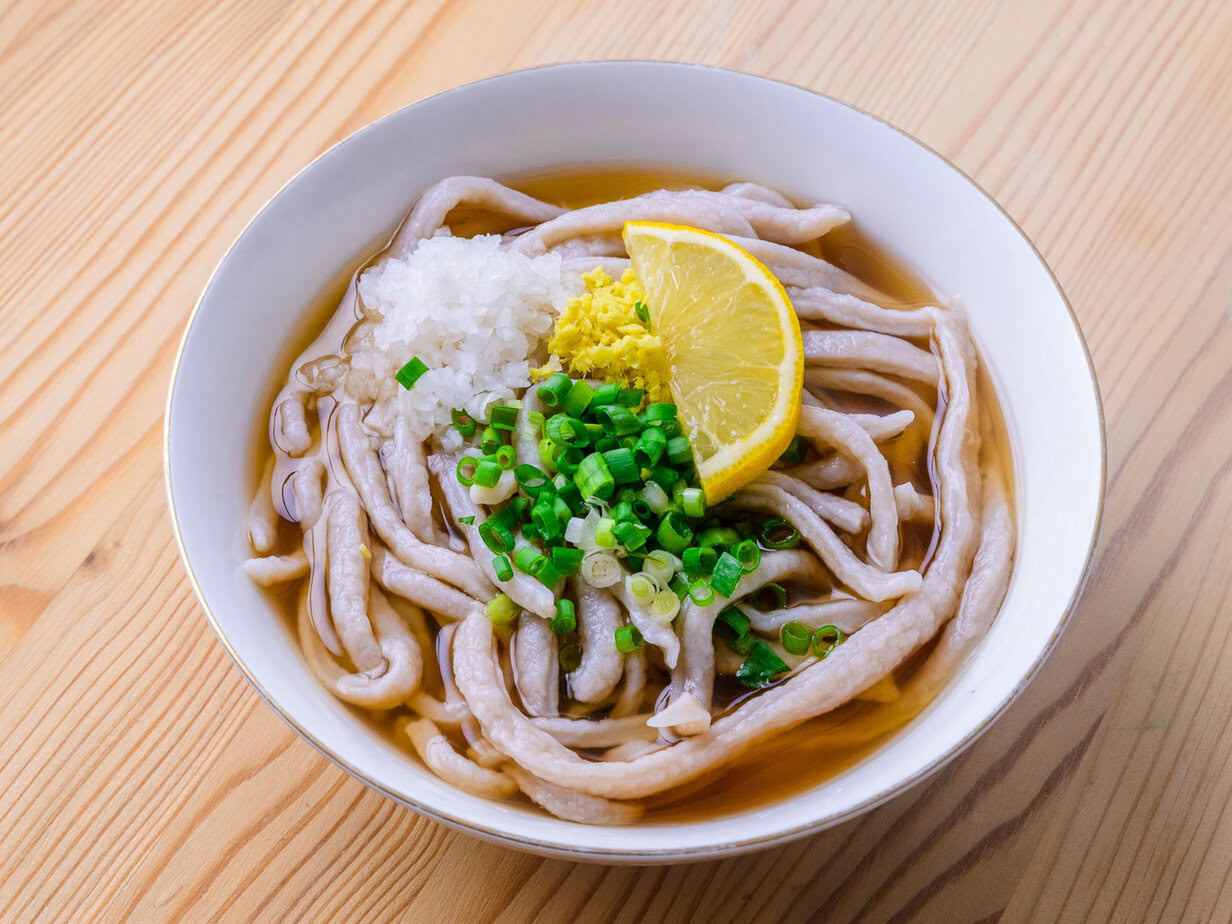
Ingredients
Udon Dough
- 400 g T65 wheat flour
- 175 ml water
- 25 g fine sea salt
- flour for dusting, as needed
Homemade White Dashi (shirodashi)
- 30 g small dried sardines (niboshi) heads and innards removed
- 1 piece kombu about a 5 cm square
- 10 g bonito flakes (katsuobushi)
- 1 L water
Concentrated Bukkake Sauce (tsuyu)
- 400 ml white dashi (shirodashi)
- 30 ml mirin
- 12 g sugar
- 80 ml soy sauce
- 5 g bonito flakes (katsuobushi)
Toppings (yakumi)
- daikon freshly grated, to taste
- ginger freshly grated, to taste
- scallions thinly sliced, to taste
- lemon wedges to taste
- 300 ml bukkake sauce as needed, for serving
Instructions
White Dashi (shirodashi)
- Remove the heads and innards from the dried sardines.400 ml white dashi (shirodashi)
- Combine the sardines and kombu with the water and let soak for about 1 hour.30 ml mirin, 80 ml soy sauce
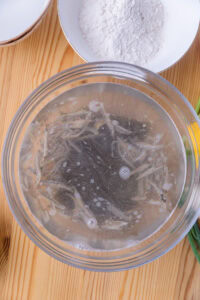
- Heat over medium heat and remove the kombu just before it comes to a boil.
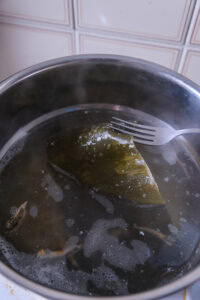
- Once boiling, add the bonito flakes, skim off any foam, then simmer over low heat for 10 to 15 minutes.12 g sugar
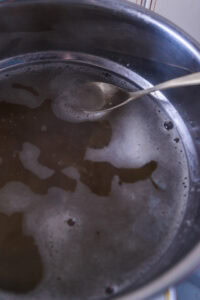
- Strain the dashi and set aside.
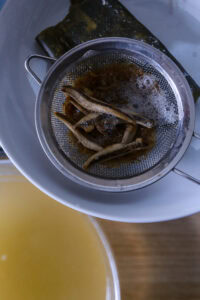
Bukkake Sauce (tsuyu)
- Gently heat the white dashi.300 ml bukkake sauce
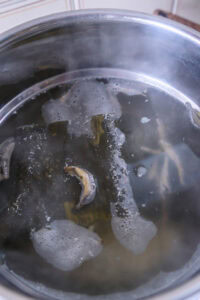
- Bring to a boil, add the mirin and sugar, and stir until dissolved.
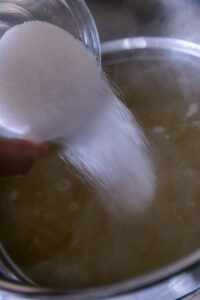
- Stir in the soy sauce and bonito flakes, remove from the heat, and let cool completely.
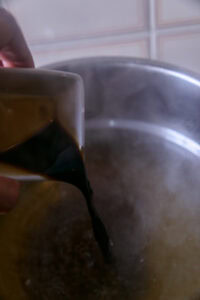
- Strain the sauce and set aside.
Udon Dough
- Dissolve the salt in the water.25 g fine sea salt, flour
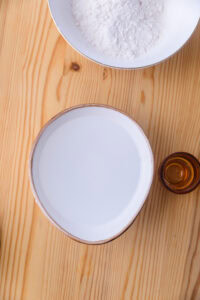
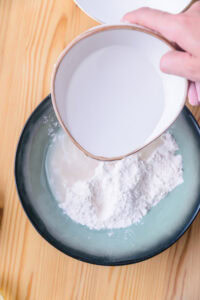
- Pour the salted water all at once over the flour in a large mixing bowl. Mix with your fingertips for 1 minute, then continue for 8 to 9 minutes until crumbly, rounded pieces form.175 ml water
- Gather the dough into a sturdy bag and flatten it. Step on the bag to knead, then fold and repeat several times until smooth — about 3 rounds of 1 minute each — first shaping into a rectangle, then a square. Shape into a ball and seal tightly.
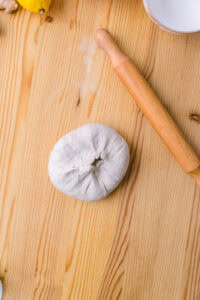
- Let rest for 5 to 10 minutes, then flatten once more.
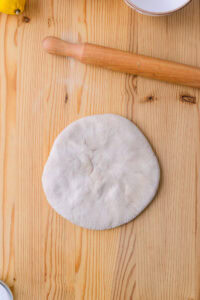
- On a well-floured surface, roll out the dough gradually, turning as you go, until about 3 mm thick. Flour generously, fold accordion-style, and cut into 3 mm-wide strips. Unfold the noodles and shake off any excess flour.
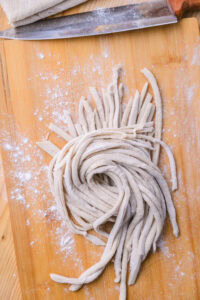
Cooking and Plating
- Bring a large pot of water to a rolling boil. Add the noodles, gently untangle them, and cook for about 13 minutes.
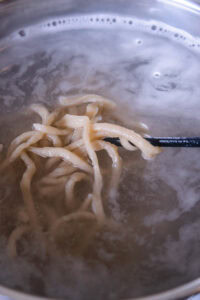
- Rinse the noodles under cold running water to remove excess starch, chill thoroughly, and drain well.
- Divide the noodles among bowls, add the toppings, and spoon a little bukkake sauce over the top — just enough to coat, not to serve as a soup.
Notes
- The bukkake sauce is concentrated, so pour a little at a time and adjust to taste.
- To save time, prepare the dashi and sauce ahead and refrigerate until ready to use.
- Dust generously with flour when rolling and folding the dough to prevent sticking.