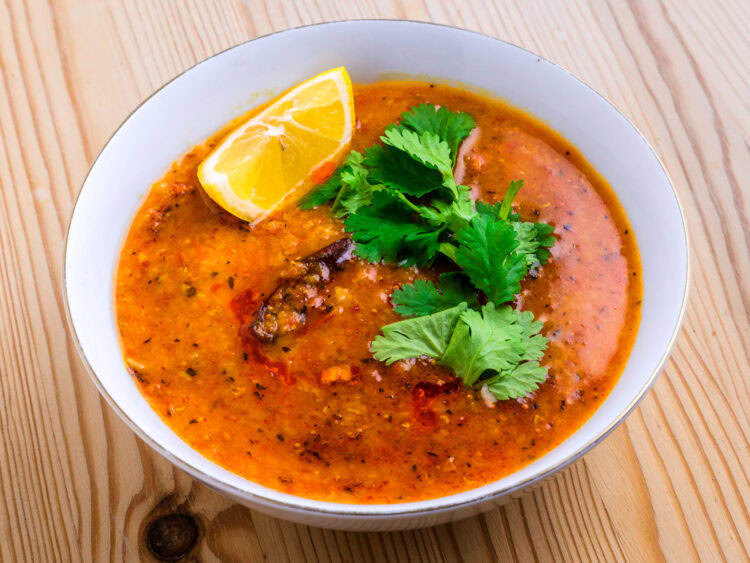
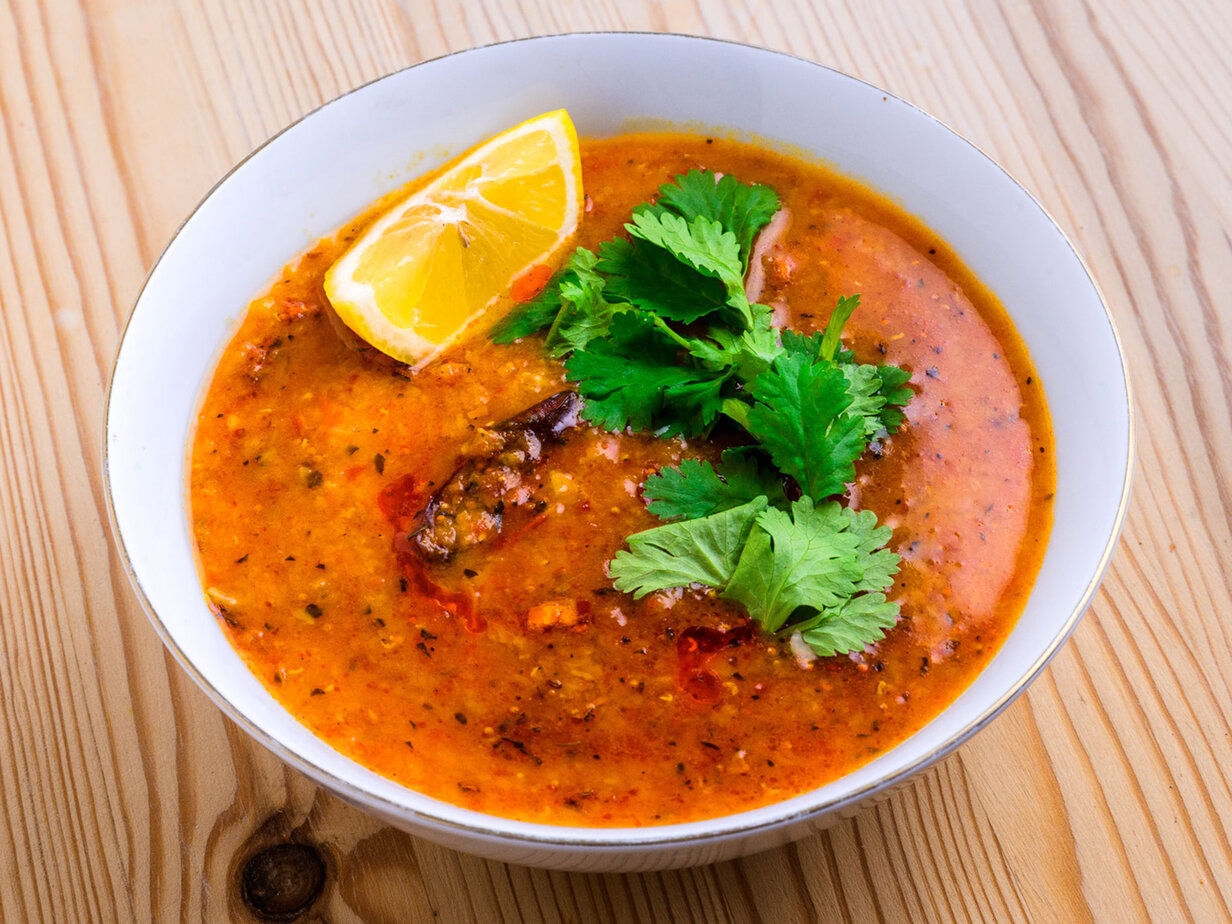
A quick North Indian dahl, creamy and fragrant, finished with a sizzling ghee, spice, and garlic tadka, perfect with rice or roti.
It’s 7 p.m., hunger hits, and nothing in the fridge looks like dinner. Grab a handful of red lentils and a couple of tomatoes, and within minutes the pot already smells wonderful.
The magic happens right at the end: garlic and cumin sizzling in hot ghee, poured all at once over the creamy lentils with a sharp sizzle you can hear from the next room. A squeeze of lemon, a scatter of fresh cilantro, and this easy weeknight dish becomes the one you’ll make again next Wednesday.
What is red lentil dahl?
The word dal, also spelled dahl or daal, refers to both split pulses and the dishes made with them. Here the base is red lentils, masoor dal, which cook in about twenty minutes and can be mashed to your preferred texture, from rustic to silky-smooth. It all comes down to four elements: pulses, liquid, aromatics, then the tadka.
The tadka, also called tarka or chaunk, means blooming spices in hot ghee or oil to infuse the fat with flavor. Cumin seeds, dried red chili, and garlic form the base, sometimes joined by mustard seeds and a pinch of asafoetida, hing.
Turmeric, Kashmiri chili, and garam masala are added off the heat, just before everything is poured over the lentils.
A northern-style dal without coconut milk
Serve this North Indian-inspired version with rice, preferably basmati, or roti. It contains no coconut milk and relies instead on garam masala and kasuri methi, dried fenugreek leaves.
The tadka carries much of the flavor. Bloom the spices in the ghee until the garlic just turns golden, then pour the mixture over the lentils at the end of cooking. Reserve half to spoon over each bowl when serving.
Further south, some versions are mellowed with a little coconut milk stirred in at the end of cooking. In a pressure cooker, cook for 1 to 2 whistles over medium heat, then mash the lentils once the pressure has released.
Key ingredients for red lentil dahl
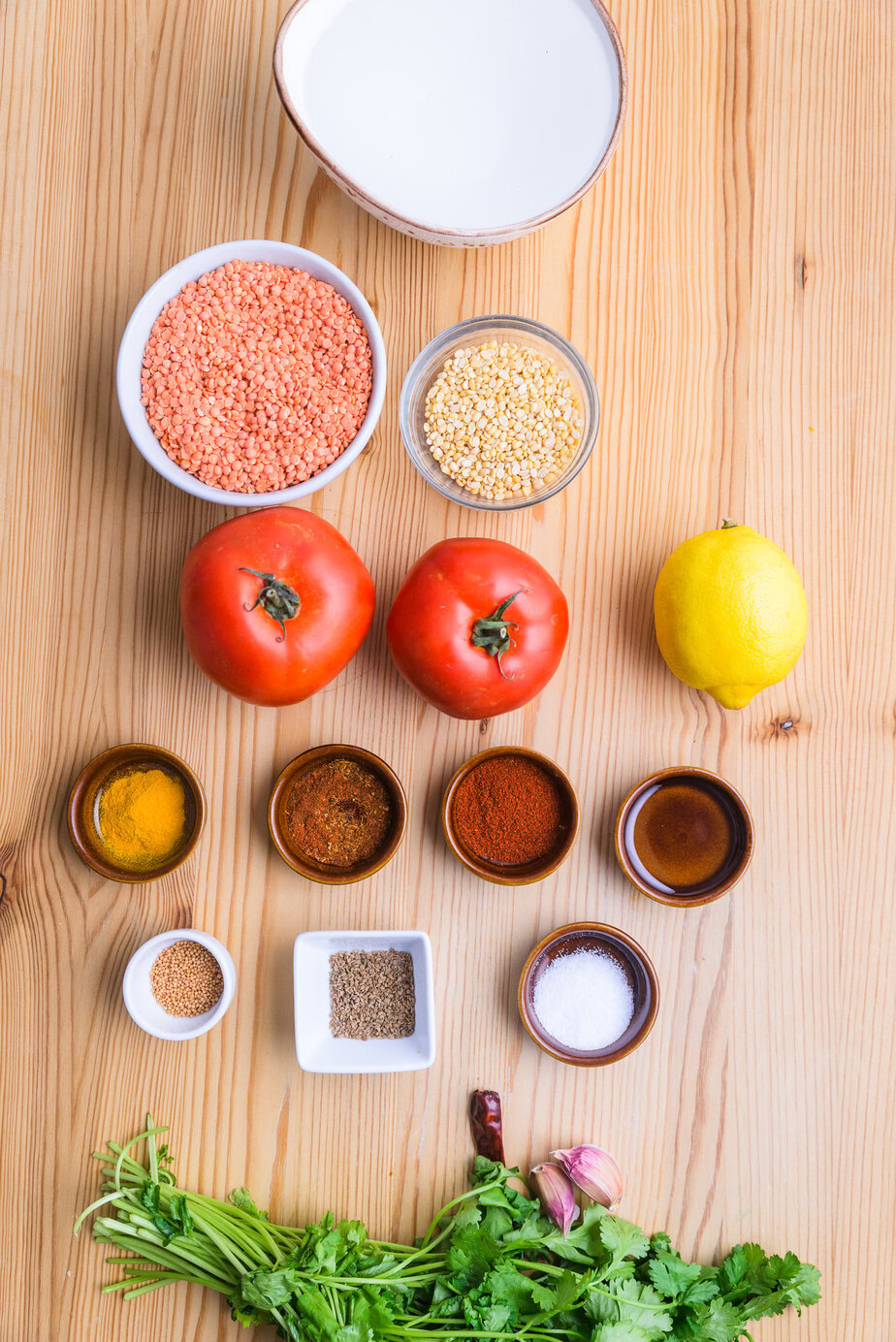
Red lentils give the dish its body. Simmer them with the tomatoes, water, and green chili, if using, then mash. The tomatoes add gentle acidity and a touch of umami. An optional spoonful of moong dal thickens the mixture and makes it extra creamy; add a little extra water in that case.
Ghee is the soul of the tadka. Use a neutral oil for a fully vegan version, or butter if needed. Sizzle the chopped garlic in the hot fat with cumin seeds and dried red chili until just golden; mustard seeds and asafoetida are optional but deepen the base flavor.
Add turmeric, Kashmiri chili powder and garam masala off the heat: they would turn bitter over high heat. Crumbled kasuri methi adds its signature light fenugreek bitterness, while fresh cilantro and lemon juice go in at the very last moment.
Tips for a perfect dal
A great dal is all about texture: thick enough to coat the spoon, yet fluid enough not to set as it cools. Always thin with hot water, never cold, and skim off any foam that rises at the start of cooking. A flat-tasting dal almost always means the tadka was poured too early or the ground spices were scorched over high heat.
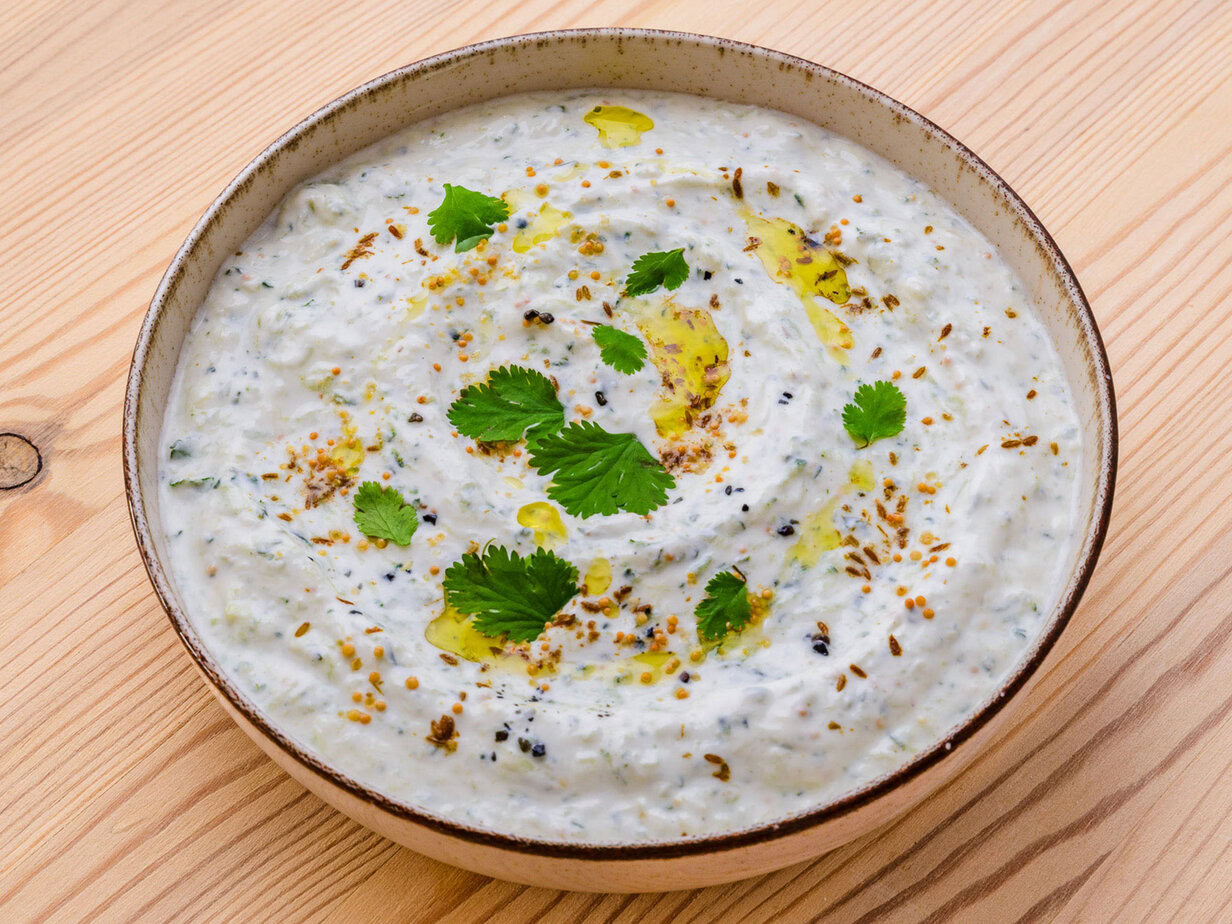
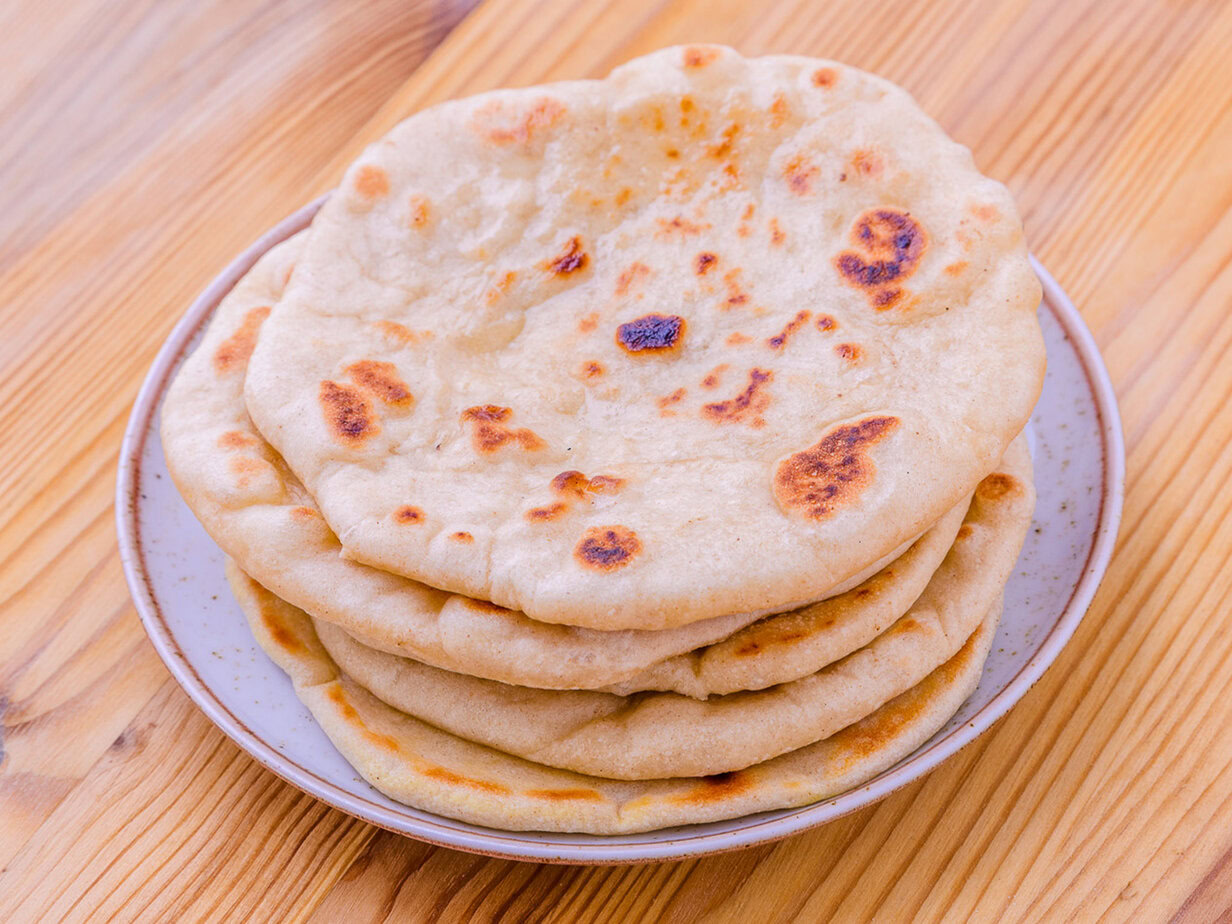
To turn it into a real feast, start with samosas, serve a naan or roti for mopping up, and add a cool cucumber raita on the side. An aloo gobi rounds out the vegetarian plate beautifully.
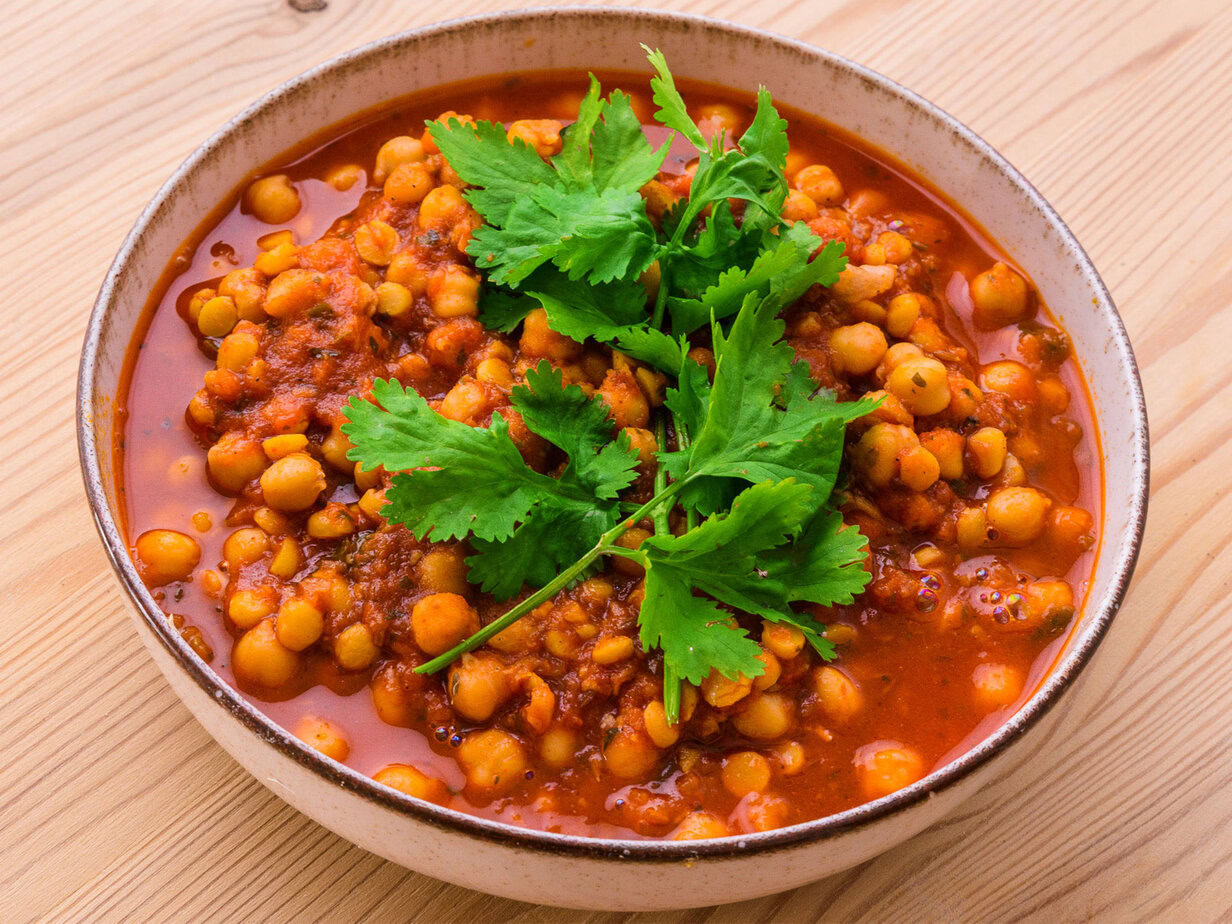
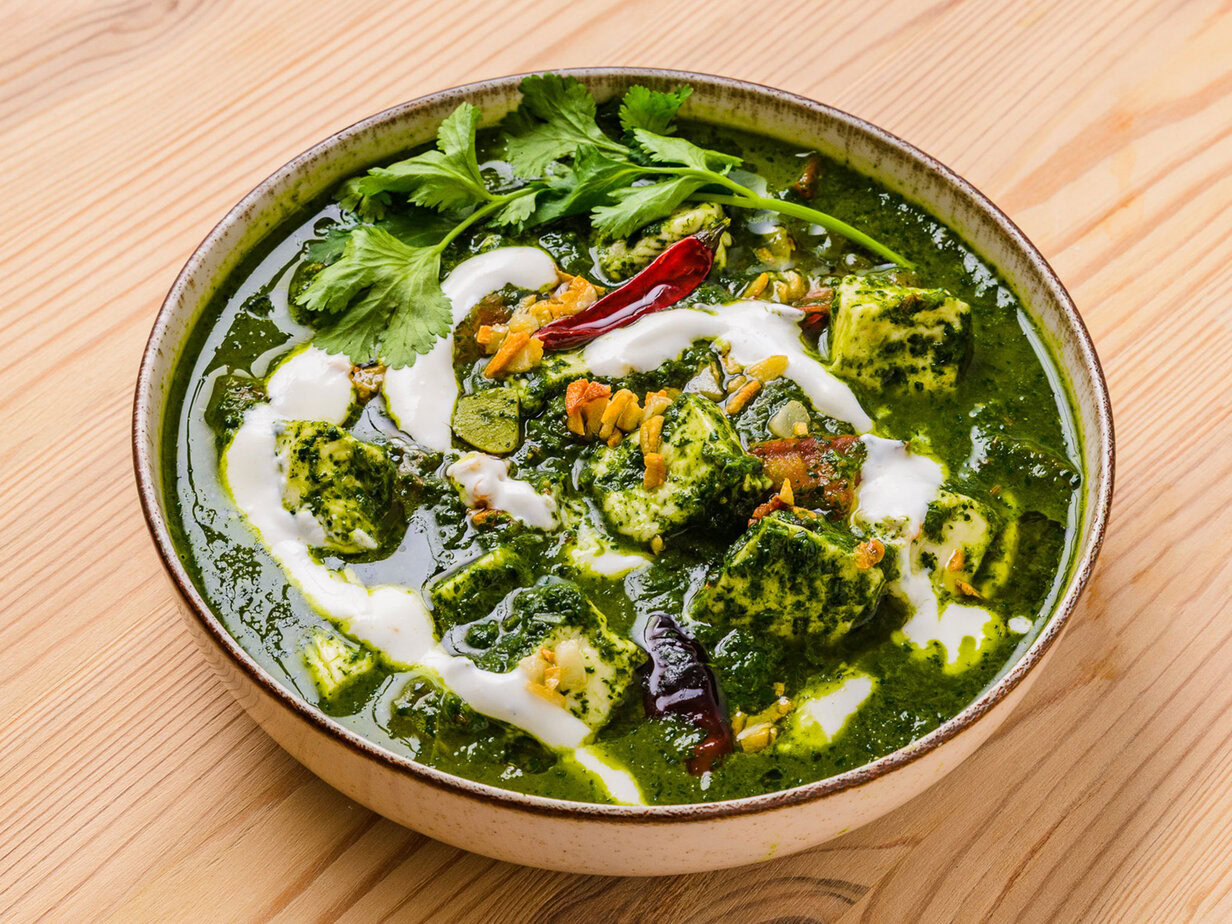
And if you love pulses, chana masala and Nepalese dal bhat are well worth trying next.
Ingredients
- 95 g red lentils
- 23 g moong dal optional
- 2 medium tomatoes seeded and chopped
- 1 green chili optional
- 300-360 ml water
For the tadka
- 2 tablespoons ghee or 1 tablespoon neutral oil, or 2 tablespoons butter
- 1 dried red chili broken
- 2 cloves garlic chopped
- 0,25 teaspoon mustard seeds optional
- 0,5 teaspoon cumin seeds
- 1 pinch asafoetida (hing) optional
- 0,5 teaspoon salt
- 0,25-0,5 teaspoon Kashmiri chili powder
- 0,25 teaspoon turmeric
- 1 pinch garam masala
- 0,5 teaspoon kasuri methi (dried fenugreek leaves) optional
- 2 tablespoons fresh coriander finely chopped, for garnish
- 1 tablespoon lemon juice for serving
Instructions
Cooking the lentils
- Place the red lentils and moong dal in a saucepan.95 g red lentils, 23 g moong dal
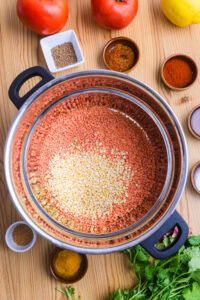
- Rinse under cold water until the water runs clear.300-360 ml water
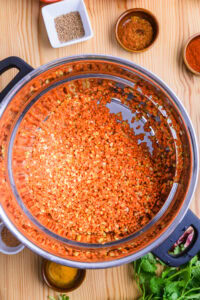
- Add the tomatoes, water, and green chili.2 medium tomatoes, 1 green chili
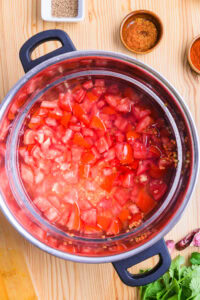
- Bring to a boil.
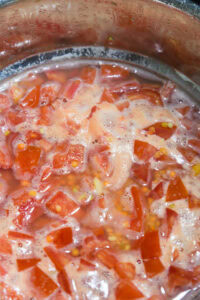
- Reduce the heat and cook, covered, until the lentils are tender, adding a little hot water if needed.
- Skim off any foam from the surface.
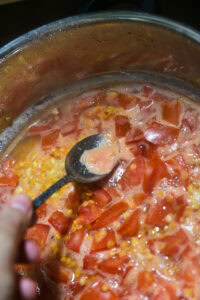
- Mash the lentils to your preferred texture, smooth or slightly chunky.
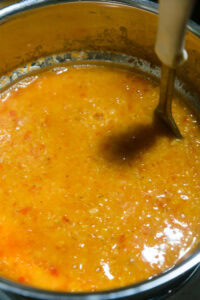
- Thin with a little hot water if the dal is too thick.
Tadka
- Heat the ghee in a small pan over medium heat.2 tablespoons ghee
- Add the mustard seeds, cumin seeds, dried red chili, and garlic.0,25 teaspoon mustard seeds, 0,5 teaspoon cumin seeds, 1 dried red chili, 2 cloves garlic
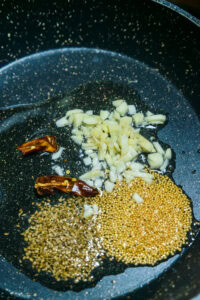
- Sauté until the garlic is lightly golden.
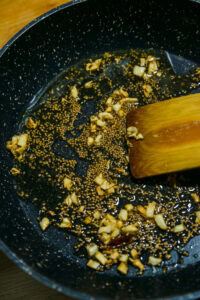
- Remove from the heat, then add the asafoetida, Kashmiri chili powder, turmeric, and garam masala.1 pinch asafoetida (hing), 0,25-0,5 teaspoon Kashmiri chili powder, 0,25 teaspoon turmeric, 1 pinch garam masala
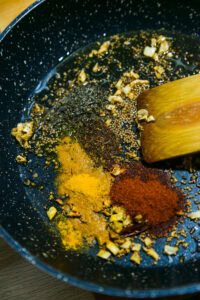
- Immediately pour the tadka over the dal.
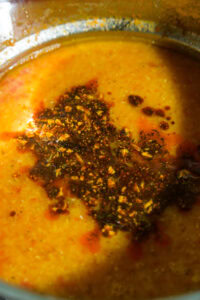
- Add the salt and crumbled kasuri methi.0,5 teaspoon salt, 0,5 teaspoon kasuri methi (dried fenugreek leaves)
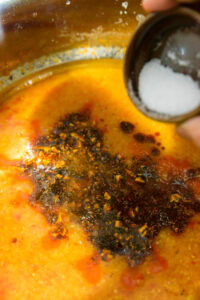
- Stir and simmer for 2 minutes.
- Taste and adjust the salt.
- Finish with a squeeze of lemon juice.1 tablespoon lemon juice
- Garnish with fresh coriander.2 tablespoons fresh coriander
- Serve hot with rice or roti.
Notes
- Moong dal is optional, but it makes the dal thicker and creamier. If you use it, add a little extra water during cooking.
- To save time, cook the lentils in a pressure cooker: cook for 1 to 2 whistles over medium heat, then mash them once the pressure has dropped.
- You can add carrots, spinach, or fresh fenugreek leaves to the lentils during cooking.
- Reserve half of the tadka to drizzle over the dal when serving.
- This is a North Indian-style dal and does not contain coconut milk. For a milder South Indian-style version, stir in a little coconut milk at the end of cooking.