


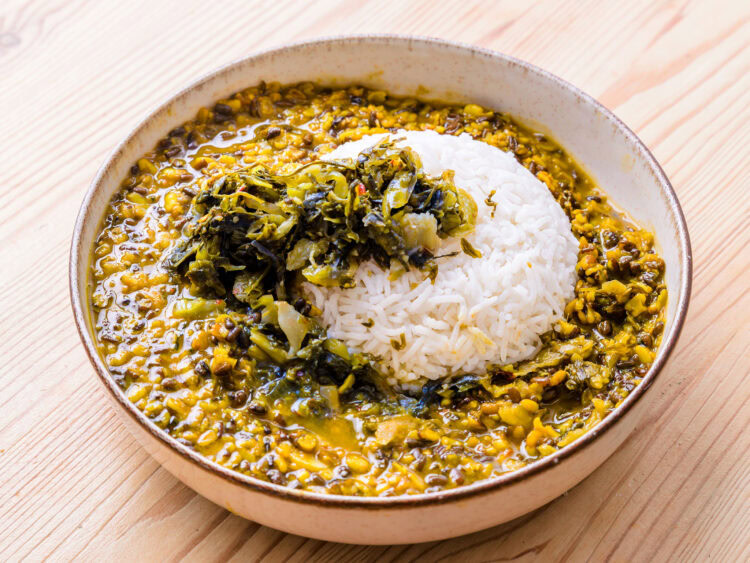
Black urad bean soup simmered with Nepali spices, then finished with a crunchy ghee tempering.
Steam rises from a mound of white rice while a thin, golden dal coats each grain, perfumed with ghee and fried garlic—the everyday emblem of Nepal. Dal bhat is both meal and ritual: fluffy rice, lentils in broth, seasonal vegetables, and a punchy achar, all presented on a metal thali.
Home cooks, trekkers, farmers, and families alike speak this language; the slogan says it best: “Dal Bhat Power, 24 Hour!” What follows is not a step-by-step recipe but a region-minded guide.
It shows you how dal bhat should look, smell, and feel, and why this humble duo—shaped by ancient South Asian agriculture and rooted in the Licchavi and Malla eras (4th–18th centuries)—still commands the center of the Nepali table.
On the plate: Essential elements and flavor principles
The non-negotiables start with a simple creed: a pourable dal; fluffy, unsalted rice; seasonal sides; a light hand with spices; and either ghee or mustard oil, depending on the region. Each component is meant to mingle, not compete.
The dal must be fluid and pourable, made to glaze the rice. Use whatever grows close by—masoor (red lentils), rahar (pigeon peas/toor), mung beans, or urad (black gram, “kalo dal”)—cooked until silky, then jolted awake with a jhaneko (or jhanne): a quick tempering of ghee or mustard oil, cumin or fenugreek, garlic, ginger, and dried chilli that releases its heady aroma.
In the mountains, a pinch of fried jimbu in the hot fat lends a distinctly Nepali note—part garlic, part onion—while timur adds a citrusy tingle. Heat stays restrained; the heavy garam masala or cream found in many restaurant dals would smother the rice-lentil duet.
The rice (bhat) is straightforward and pristine: long-grain white rice (basmati or the local jira masino) cooked so every grain remains separate and left unsalted. A spoonful of melted ghee over the rice—or over the dal—is classic, the aroma blooming against the heat.
The tarkari and saag mirror the seasons—potatoes, cauliflower, beans, pumpkin, spinach, radish—lightly kissed with turmeric and cumin, deepened with garlic. Most are dry or semi-dry so they don’t swamp the plate; mustard oil reigns in the lowlands. The sautéed greens arrive glossy, tender but still a little crisp, sometimes brightened with a pinch of timur or a splash of chilli.
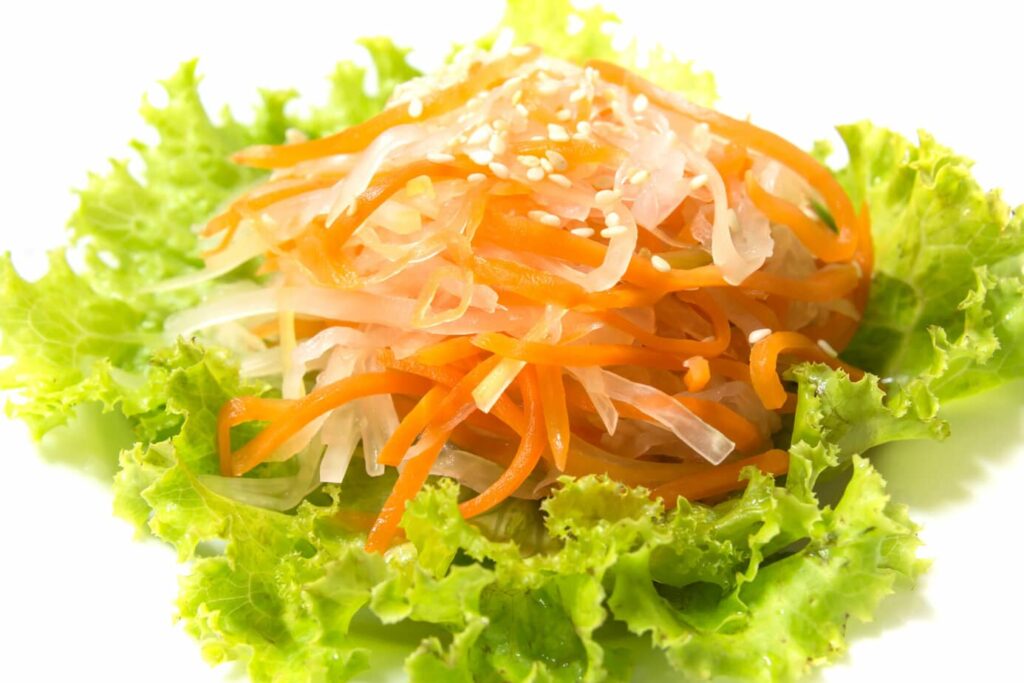
Achars deliver a bright, cutting edge—tomato-timur chutney, white radish (daikon) in mustard oil, gundruk achar (fermented leaves), lemon pickle. A papad adds crunch, and a spoonful of yogurt cools the heat. Use just enough to lift each bite.
The spice palette stays lean: turmeric, cumin, fenugreek, garlic, and ginger form the base. Mustard seeds (common in the Terai), a bay leaf, a pinch of hing, a hint of clove, or even a whisper of Chinese cinnamon (cassia) might join in, but always with restraint. Ghee is prized; mustard oil defines the Terai. Olive oil has no place in a traditional Nepali kitchen.
Serve the meal on a metal thali, with small bowls or compartments for the dal and sides circling a central mound of rice. Pour the dal over the rice or keep it in its bowl to mix later. Eat with the right hand, and expect your host to top up the rice with a smile. Remember, this is a thali platter—no naan, no separate soup course.
From the valleys to the high Himalayan plateaus: Regional signatures
Regional plates: three styles
Terai (southern plains): fertile land, assertive bite. Rahar (toor) or moong dals carry more heat and salt, tempered in mustard oil—often with cumin and sometimes mustard seeds—for a sharp kick. The vegetable roster is generous: okra, eggplant, pumpkin, beans, all cooked in that same robust oil. Raw onion and green chillies sit at the rim of the thali, while mango or chilli achar adds extra zing. On busy days rice may yield to chiura (flattened rice) or roti. The defining notes: mustard oil and green chillies.
Hills and Kathmandu Valley: balanced and gentle. The “standard” set centers on masoor dal—pourable, lightly seasoned with turmeric, cumin, garlic, and ginger, with only a whisper of hing or a bay leaf. The tarkari stay simple: potatoes with cauliflower, beans, cabbage, and plenty of saag. Radish achar or tomato chutney brightens the plate; Newar homes may sneak in a hotter version, yet the overall tone stays measured. When ghee is on hand, it perfumes the rice quietly.
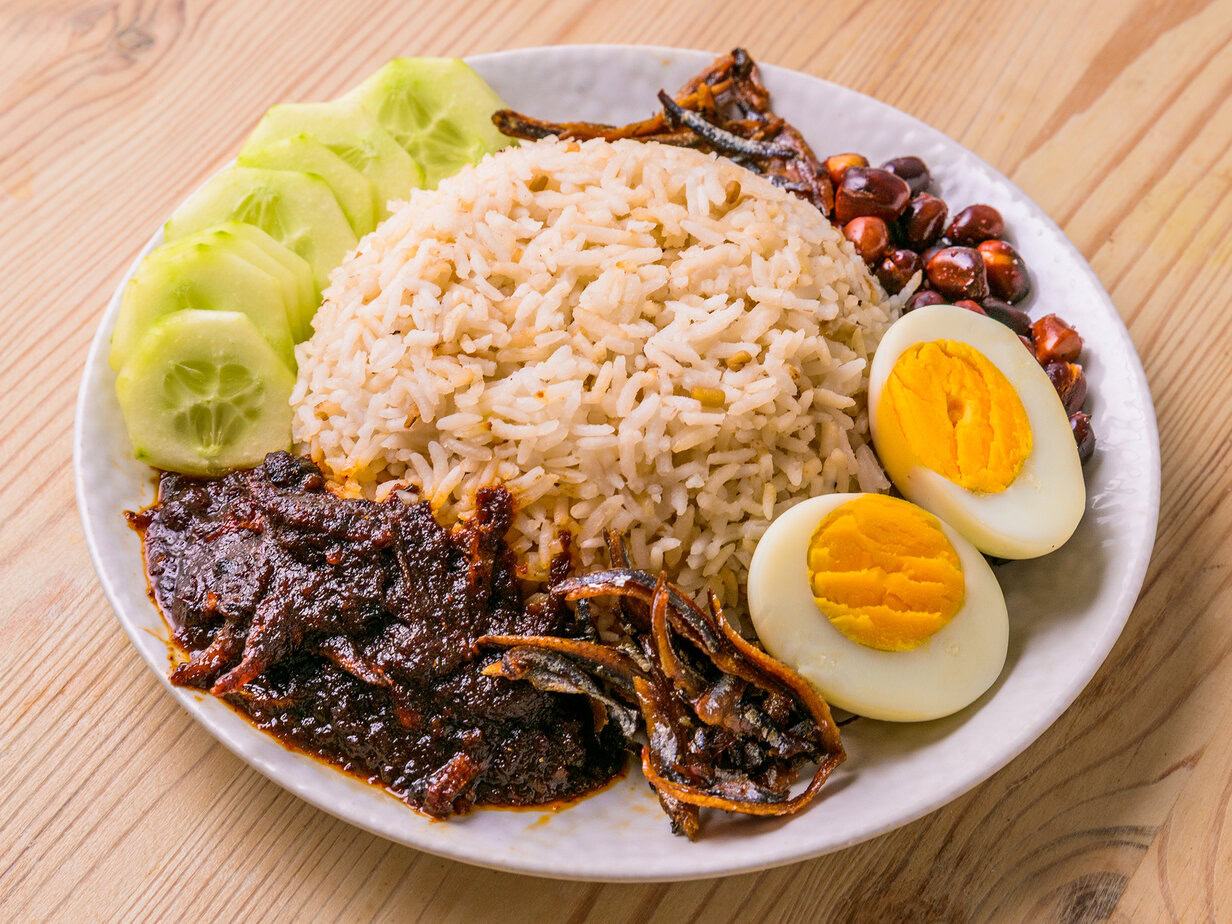
Mountains and Himalaya (with a Thakali accent): robust, aromatic, generous with ghee. Kalo maas (urad bean)—sometimes whole but more often skinned and split—or a mix of lentils produces a deeper, slightly thicker dal fit for the cold, tempered with jimbu and brightened by a hint of timur. The sides are equally hearty: Mustang potatoes, bitter melon, and gundruk (served as soup or pickle) bring acidity and backbone.
Ghee, in abundance, gleams over the rice and greens. Millet, buckwheat, or maize—and occasionally barley—also appear: dhindo, a thick cereal porridge, often replaces rice at higher altitudes. Meat, whether yak or mutton, is more common. Mountain style is both richer and brighter, thanks to timur and jimbu. Spot these cues to gauge authenticity amid modern twists.
Markers of authenticity
Ask a Nepali cook what makes dal bhat “right,” and the answer is nearly always simplicity and technique. The dal must be pourable and clean-tasting: lentils gently cooked, then finished with a decisive jhaneko that lets cumin or fenugreek crackle in ghee or mustard oil. The spice list is short; balance, not showmanship, carries the meal.
Local identity reveals itself in small signatures: jimbu in the tempering, the citrus prickle of timur in chutneys, gundruk on the side, and the grounding aroma of ghee or mustard oil. Dal bhat is a complete set—rice, dal, vegetable, achar—not merely “lentils and rice.” A tourist plate that omits the greens and achar misses the point.
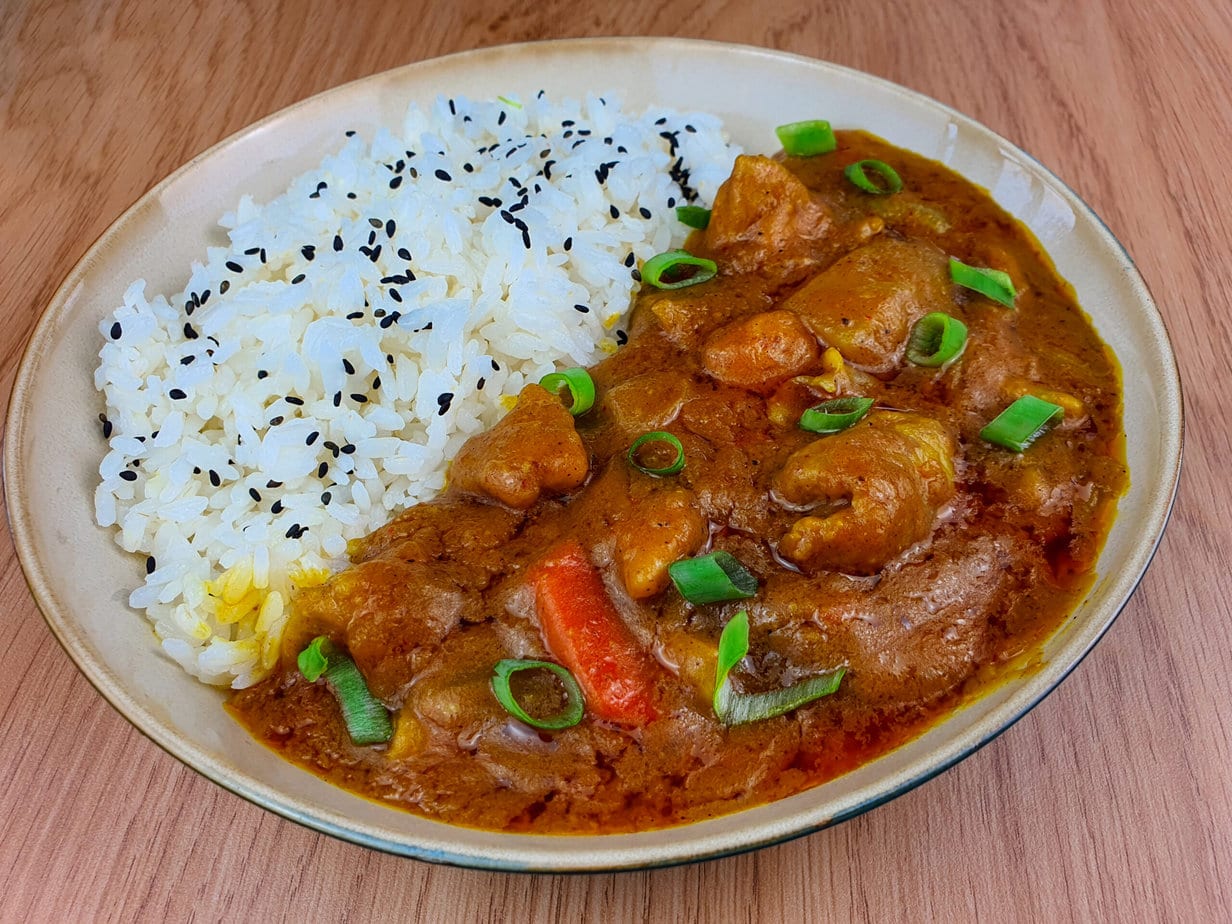
Watch for red flags: heavy garam masala, cream or butter replacing ghee, tomato-laden sauces, shortcuts with Japanese curry powder, or olive oil. The dal should not land at the table as a thick stew, nor be paired with naan or served as a separate soup course. Everything belongs on one thali, ready to be mixed.
Modern life calls for tweaks: diaspora kitchens rely on electric pressure cookers, and substitutions step in when jimbu is scarce. Such changes stay faithful as long as the flavor profile, hot tempering, and service style remain Nepali. Debates swirl around upscale Thakali platters, yet authenticity is judged by ingredients, technique, and balance—not by price.
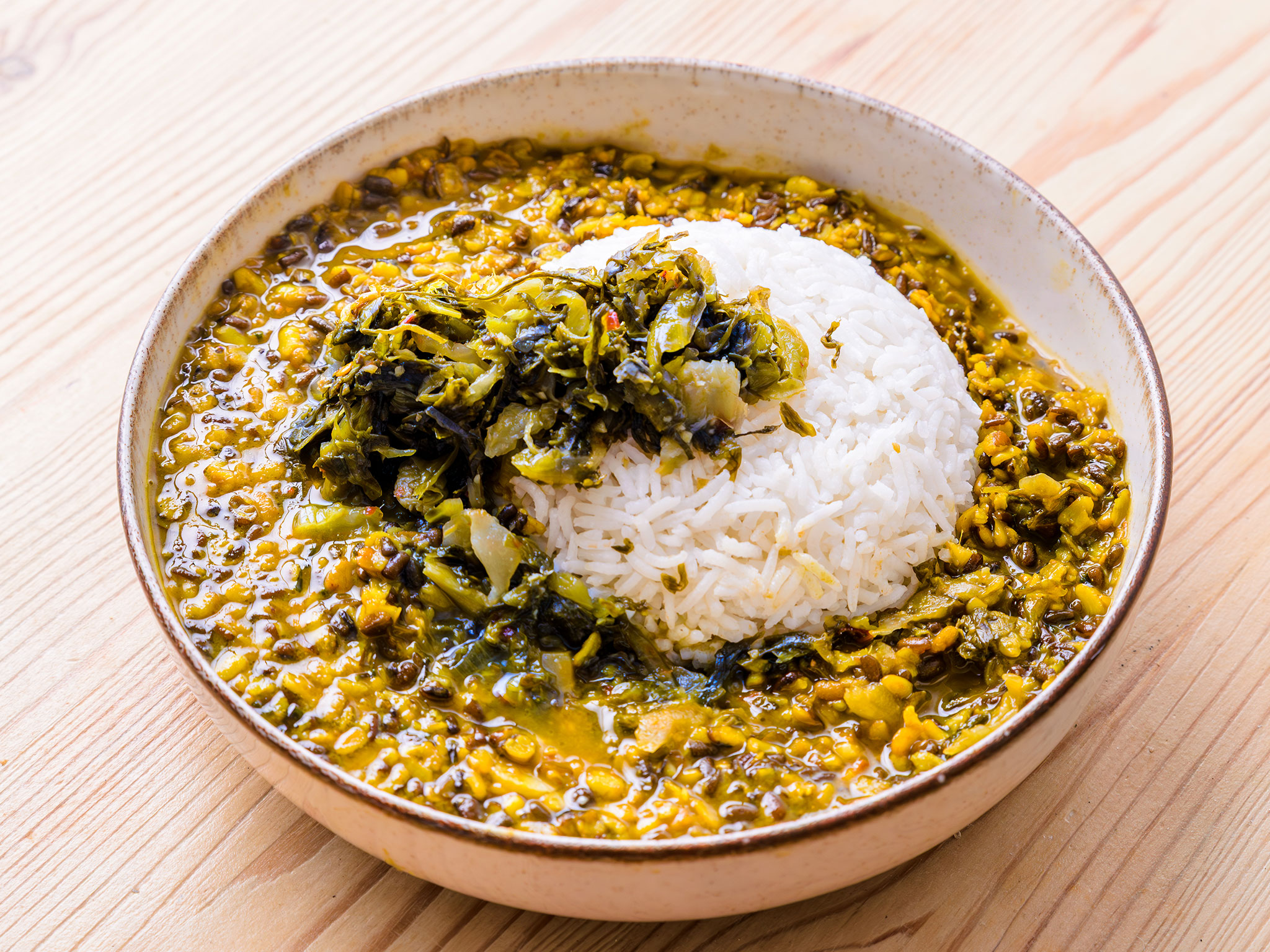
Nepali Dal Bhat with Maas Ko Daal
Ingredients
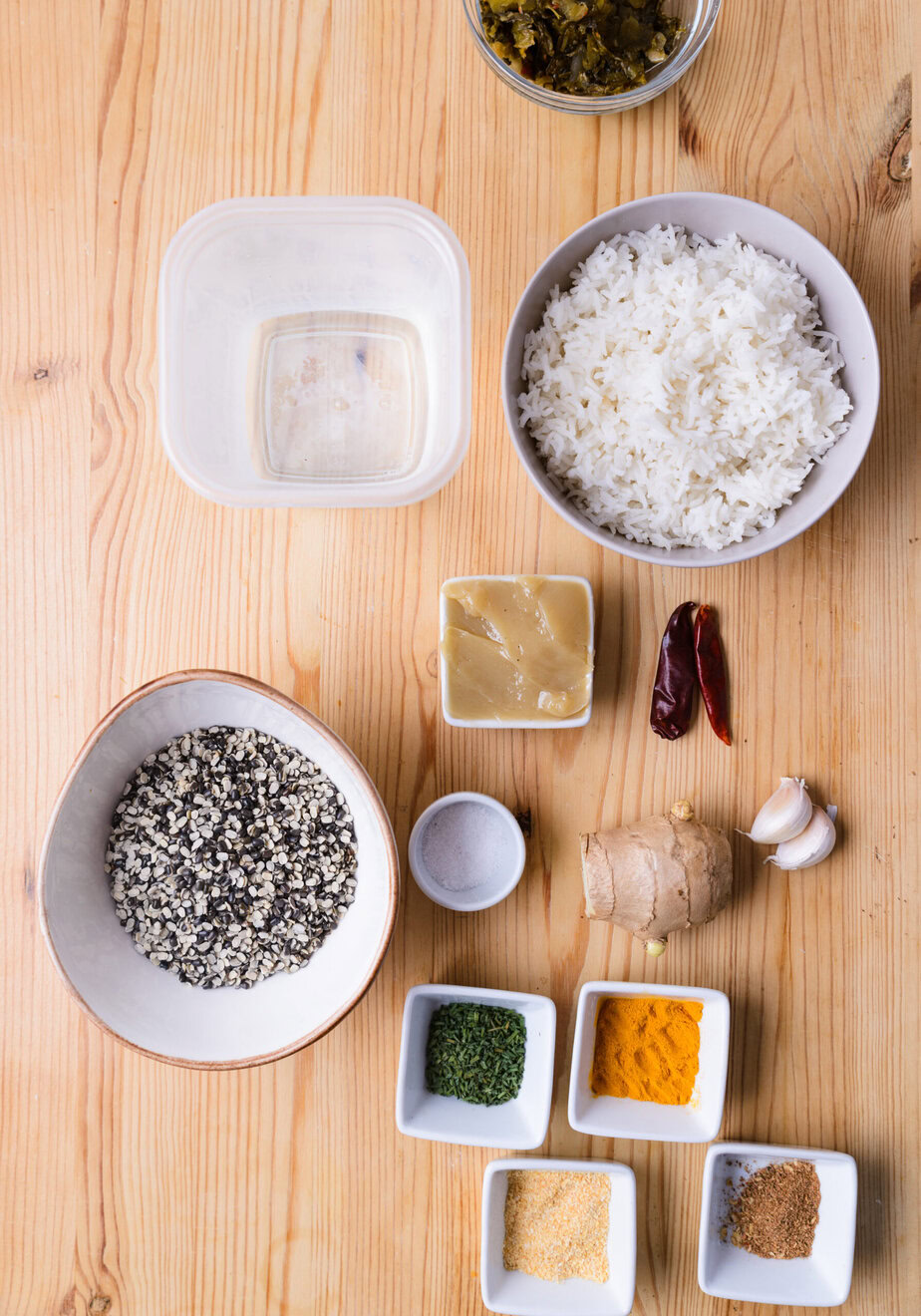
- 150 g split black urad beans with skins on
- 1 tablespoon fresh ginger julienned
- 1.5 teaspoons fresh ginger chopped
- salt to taste
- 0.5 teaspoon turmeric ground
- 0.5 teaspoon Sichuan pepper ground
- 1 tablespoons ghee (clarified butter) for cooking the beans
- 2 tablespoons ghee (clarified butter) for the final tempering
- 2 dried red chilies halved and seeded
- 0.5 teaspoon jimbu dried Himalayan herb; substitute dried chives if needed
- 1 large pinch asafetida ground; replace with a 50/50 blend of onion and garlic powder
- 2 cloves garlic large, thinly sliced
- 840 ml water
For serving
- Steamed rice
- Preserved mustard greens
Instructions
Cook the Daal
- In a cast-iron pot, combine the urad beans, chopped ginger, salt, turmeric, Sichuan pepper, the ghee for cooking, and the water.150 g split black urad beans, 1.5 teaspoons fresh ginger, salt, 0.5 teaspoon turmeric, 0.5 teaspoon Sichuan pepper, 1 tablespoons ghee (clarified butter), 840 ml water
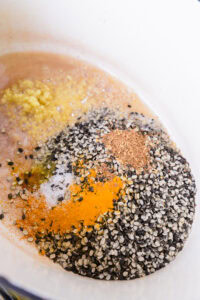
- Bring to a boil over medium-high heat, uncovered, stirring to prevent boil-overs, then cook for 20 minutes.
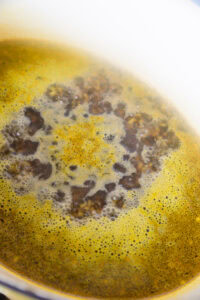
- Reduce the heat to low, cover, and simmer until the beans are tender and have doubled in volume, about 55 minutes.
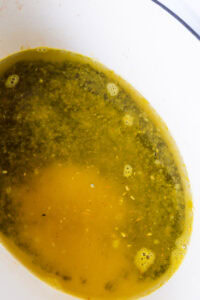
- If needed, splash in a little water to achieve a soupy consistency, then simmer 5 minutes more.
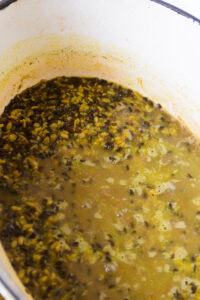
- Take the pot off the heat and set it aside.
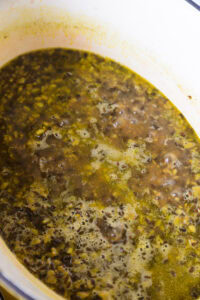
Tempering
- Heat the remaining ghee in a small skillet over medium-high heat.2 tablespoons ghee (clarified butter)
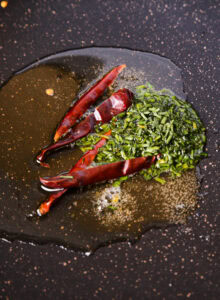
- Add the red chilies and jimbu; fry for about 5 seconds, just until lightly colored and fragrant.2 dried red chilies, 0.5 teaspoon jimbu
- Immediately stir in the asafetida, followed by the julienned ginger and garlic; fry for another 10 seconds until crisp.1 large pinch asafetida, 1 tablespoon fresh ginger, 2 cloves garlic
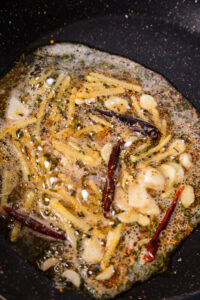
- Pour the sizzling temper straight into the daal, stir, cover, and let it infuse for 5 minutes.
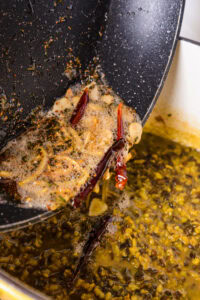
Serving
- Serve the daal piping hot with steamed rice and preserved mustard greens.Steamed rice, Preserved mustard greens
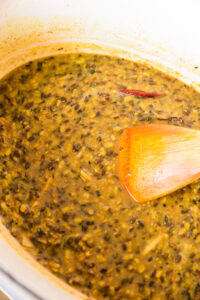


So fragrant and comforting, that ghee tempering is everything!
Fragrant, comforting, and that ghee tempering is everything.
Absolutely delicious, that ghee tempering is pure magic! 😋
So quick and easy to pull together on a weeknight when I was tired and short on time, and that ghee tempering made it taste like I’d been cooking all day. Served it over rice with mustard greens and everyone went back for seconds 😊