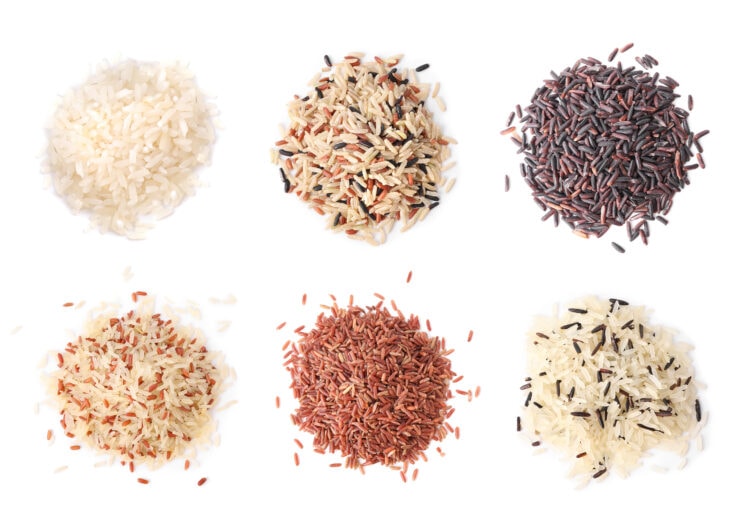
Rice, that staple of Asian cuisine… but not only that! Did you know that a little over 750 million tonnes of it are produced worldwide every year? Granted, while the biggest producers are mostly found on the Asian continent, Europe, even though it trails far behind in the rankings, still has its own modest share each year, namely 2.8 million tonnes per year. In short, rice is a hit!
It’s even one of the most widely eaten staple foods in the world. And to the great delight of its fans, there are said to be around 130,000 varieties, each with its own flavour, its own texture and its own colour.
Enough to please the taste buds! In this article, while I’ll spare you the description of all 130,000 varieties, you’ll find a complete guide to the different types of rice that you may one day get to cook. From traditional white rice to brown rice, by way of the most exotic varieties such as wild rice or black rice, you’ll know exactly what you’re dealing with and how you’re going to eat it!
Basmati rice, or Indian rice
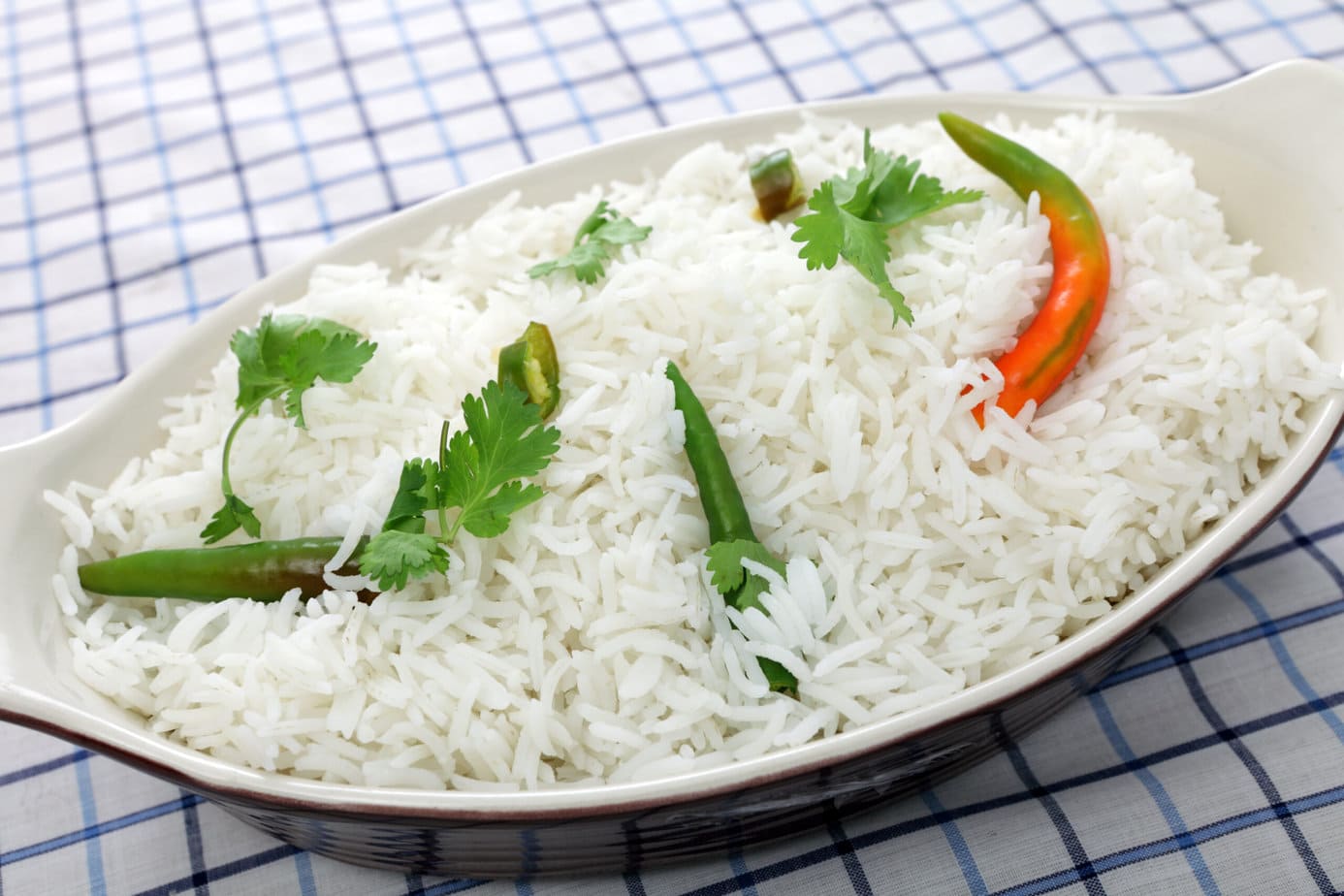
Basmati rice is an aromatic variety of rice that originates from India and Pakistan. It’s also greatly valued for its floral aroma and its light, airy texture. Be careful not to confuse it with Thai rice!
Basmati rice stands out for its very fragrant, nutty taste. It comes in long, slender grains that are white or brown. It’s often used in the Indian and Pakistani cuisines it comes from, but also in Persian or Chinese cooking.
It’s the perfect type of rice to go with spicy or boldly seasoned dishes, like satay beef or sambal oelek! To give basmati rice a more complex flavour, you can also add spices like cardamom, cinnamon or cloves to the cooking water to perfume it delicately.
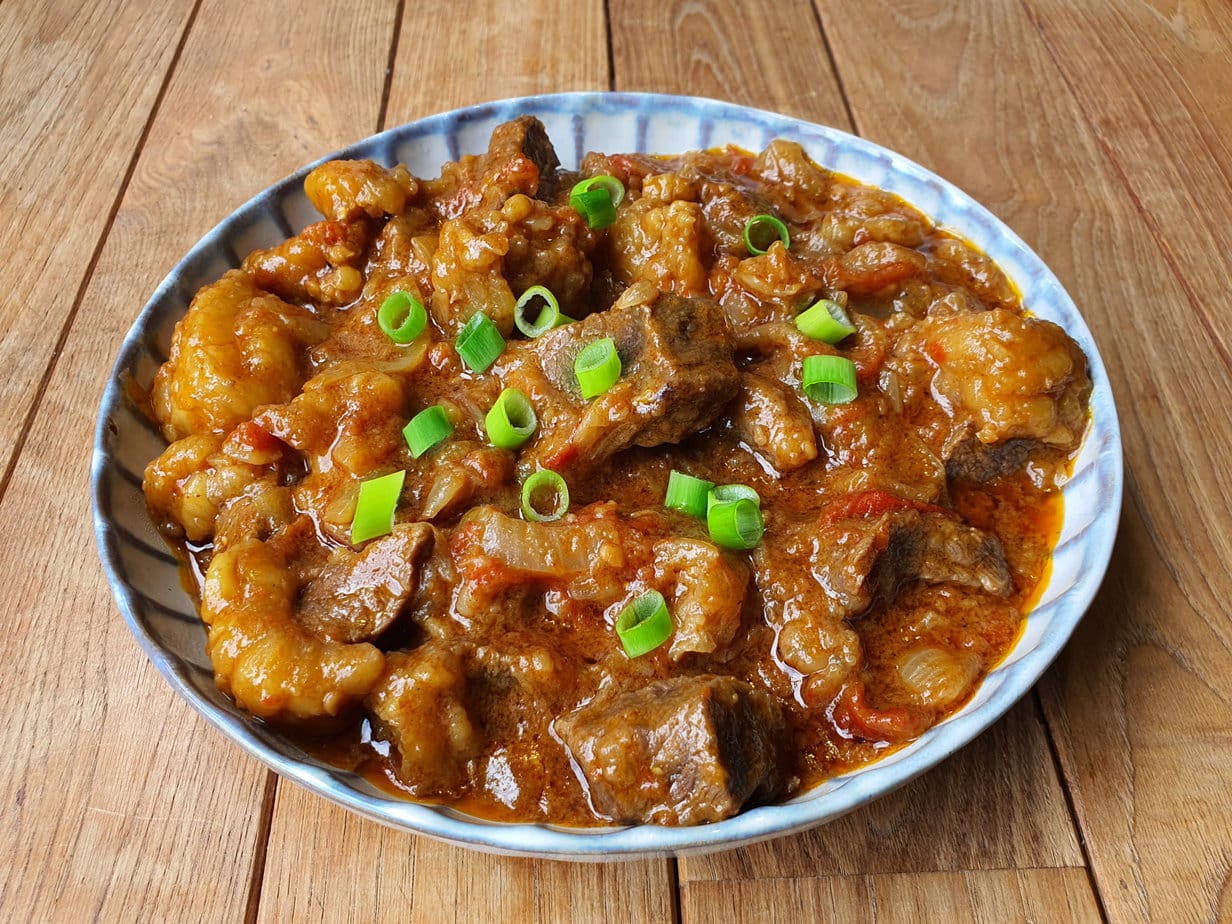
First and foremost, make sure to rinse it several times until the water runs clear, in order to remove the excess starch and prevent it from overcooking. Then you can cook it as usual, in boiling water for several minutes. This type of rice is very well suited to accompanying saucy dishes or salads. And a big plus: it’s easy to cook!
Thai rice
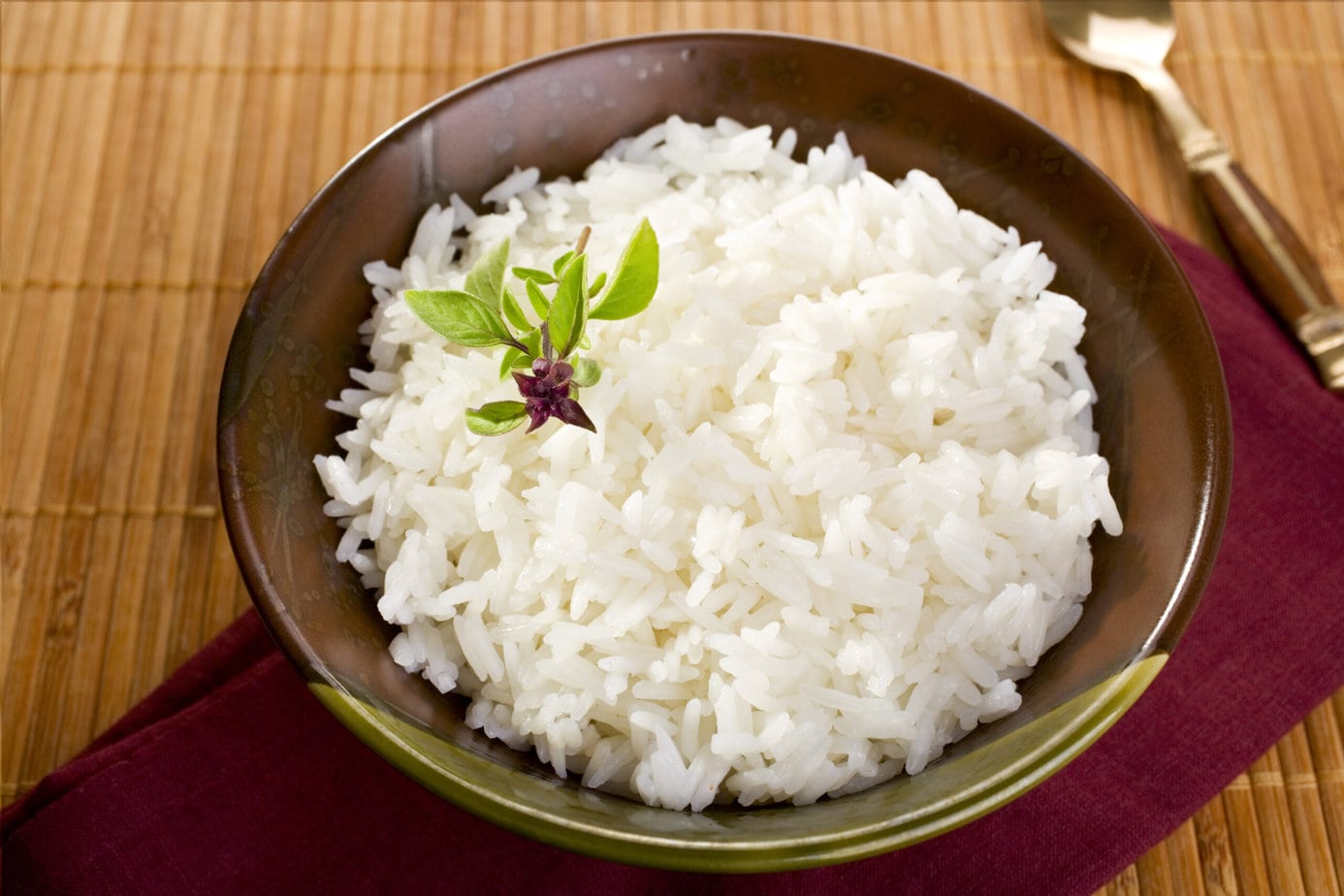
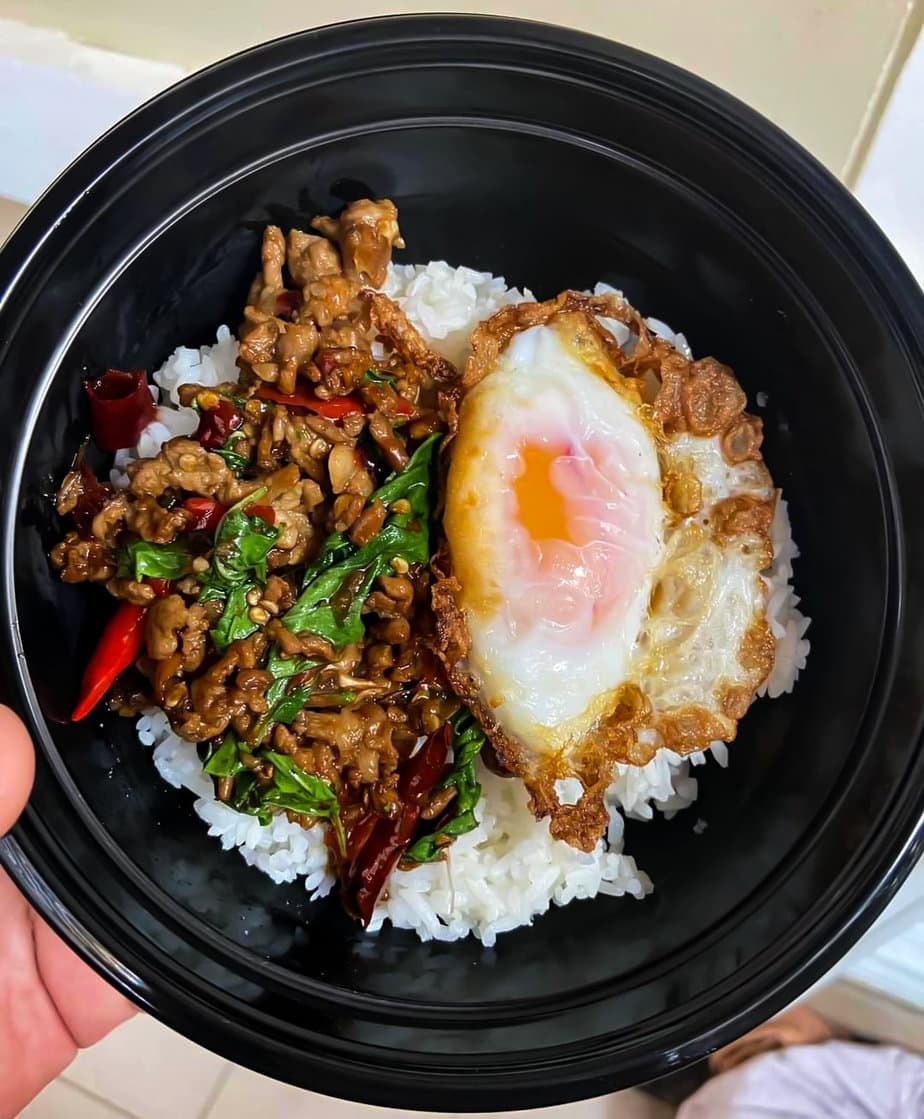
Thai rice is a variety of rice that’s very popular in the culinary world. Also known as jasmine rice, it’s characterised by its very distinctive aroma that sets it apart from other rice varieties. Be aware that it doesn’t taste or smell of jasmine; it owes its name above all to the colour of the rice grains, which is similar to that of jasmine flower petals. It’s used to accompany Hainanese chicken, for example
It’s mainly grown in Thailand, but it’s also produced in other parts of Southeast Asia. It comes in long, slightly translucent grains. Once cooked, it has a firm texture. This rice variety is especially prized for its mild flavour and its texture.
There are many ways to cook Thai rice, but one of the most common methods is to steam it.
It must first be washed several times to remove the starch, then steamed in water until it’s perfectly tender. You’ll find it in many spicy Thai dishes, such as curry and stir-fries. However, it can also be used as a base for salads or, something radically different, desserts.
White rice
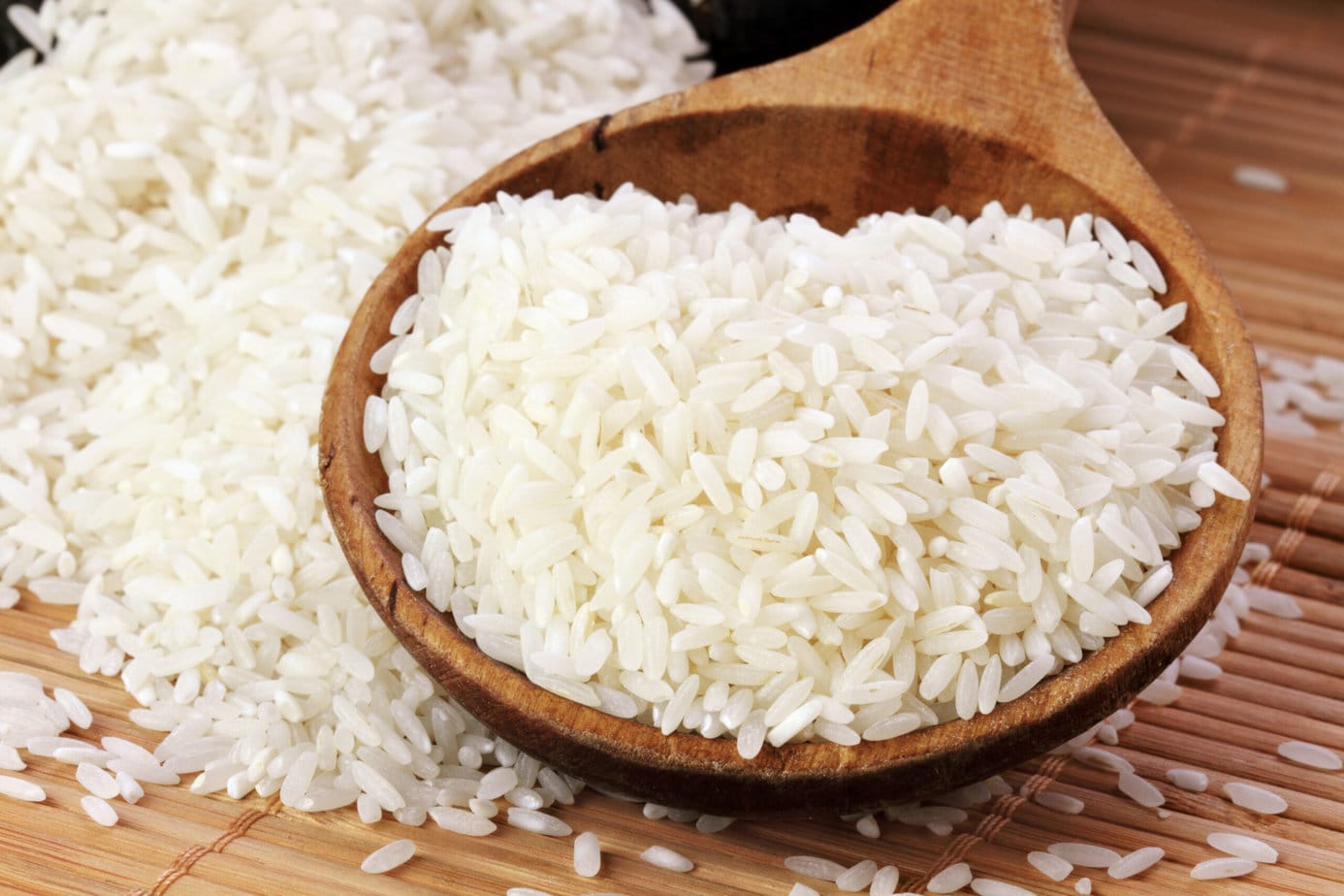
White rice is one of the most widely eaten types of rice in the world. It’s obtained by removing the outer layer and the germ of the rice grain, which makes it a refined option compared with other types of rice such as brown rice.
That said, by removing all these layers of vitamins and fibre, this also makes it a less nutritious rice. One solution: it can be enriched with other foods rich in vitamins and fibre to improve its nutritional value.
The origin of white rice isn’t clearly established, but it’s thought to have first been cultivated thousands of years ago in East Asia, namely in China and India. Since then, it has become a staple food in many cultures around the world.
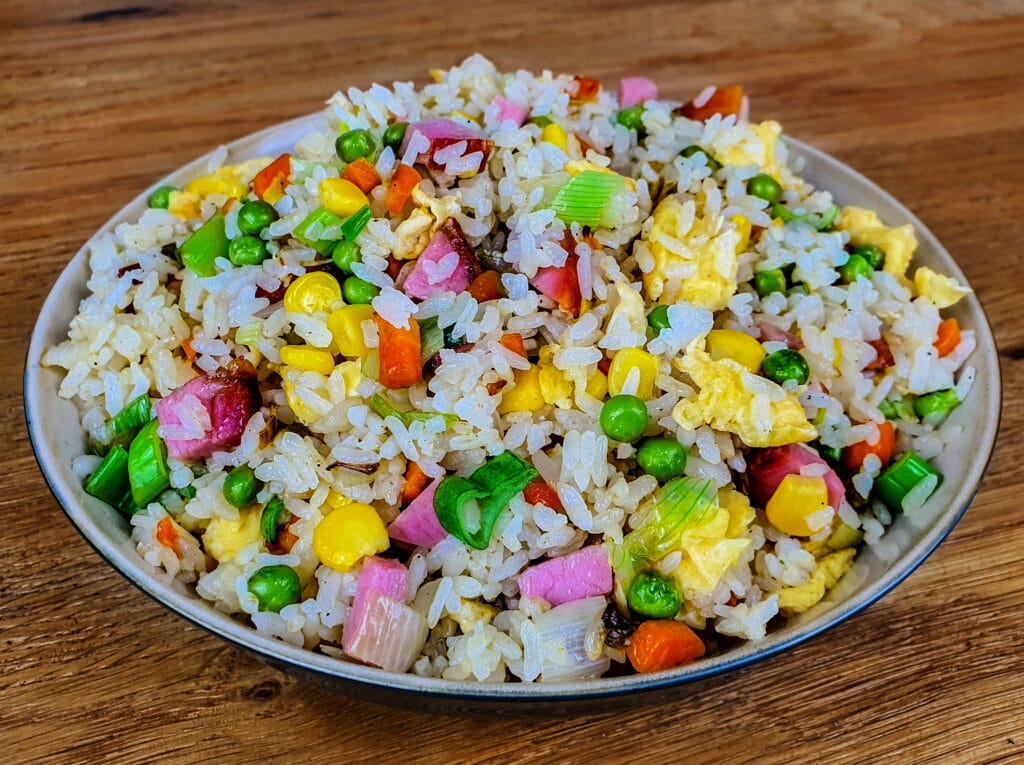
It has a light, airy texture, and its flavour is neutral, which makes it easy to enjoy. It’s also very versatile and can be used in many different recipes, ranging from Asian dishes to Latin American or European ones.
White rice can be prepared in several different ways, simply using a saucepan, or else a slow cooker or a pressure cooker. It’s time to make your best Cantonese rice!
Brown rice
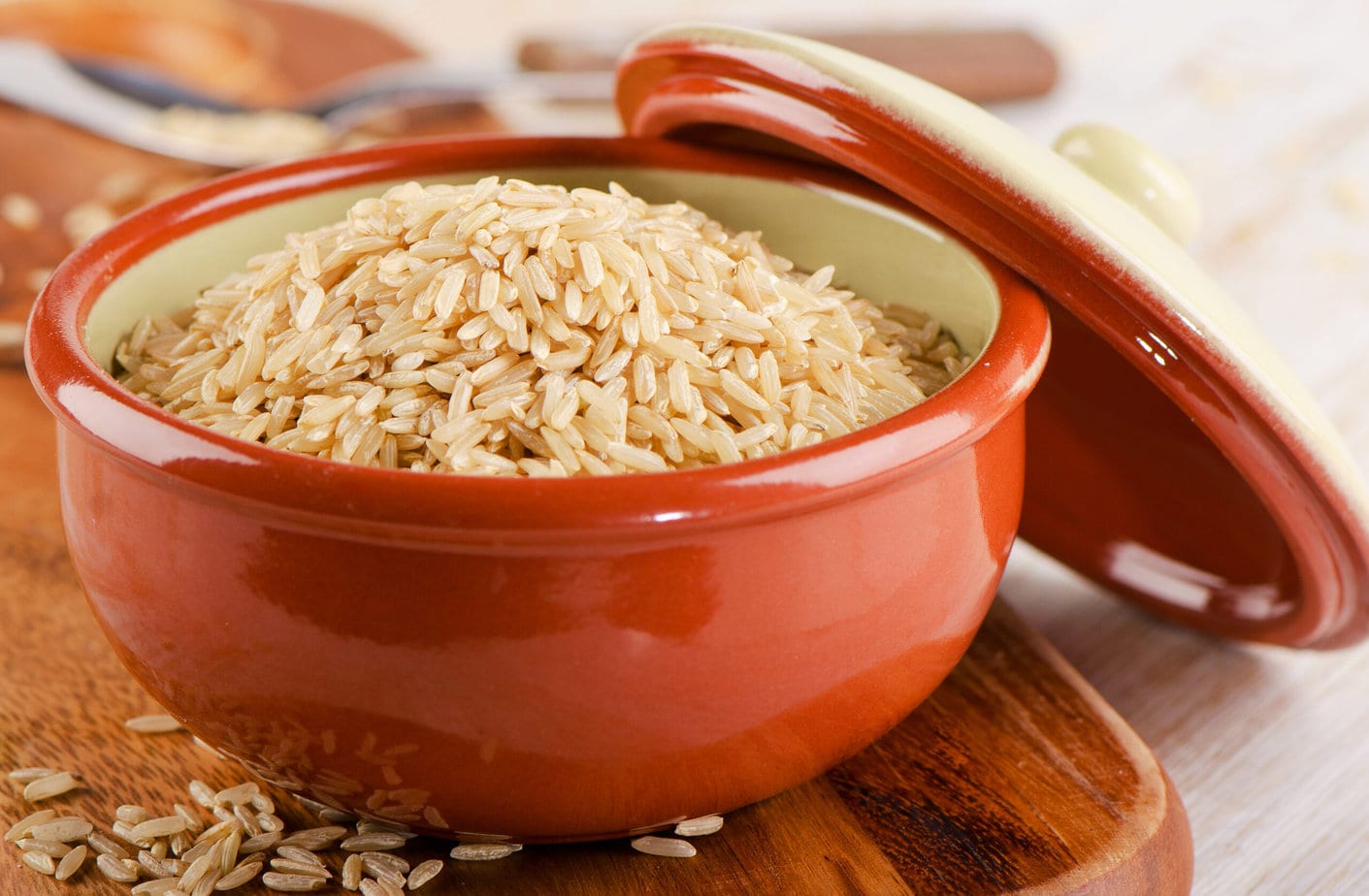
Originating from Asia, where it too has been cultivated for thousands of years, brown rice is generally agreed to have first been grown in China more than 7,000 years ago.
Brown rice, or “cargo” rice, is a type of whole-grain rice that’s much appreciated here at home too for its texture and its filling effect, because indeed, unlike white rice, brown rice is whole, meaning it contains all the parts of the rice grain, which gives it its dark brown colour.
It’s a good source of plant protein, which fairly quickly brings on a feeling of fullness. It’s even considered a healthier alternative to white rice. The fibre contained in brown rice helps regulate digestion and maintain a stable blood sugar level.
In terms of taste, brown rice has a more pronounced flavour than white rice. Preparing brown rice is similar to preparing white rice, but with one small catch: it can take a little longer to cook because of its fibre and nutrient content.
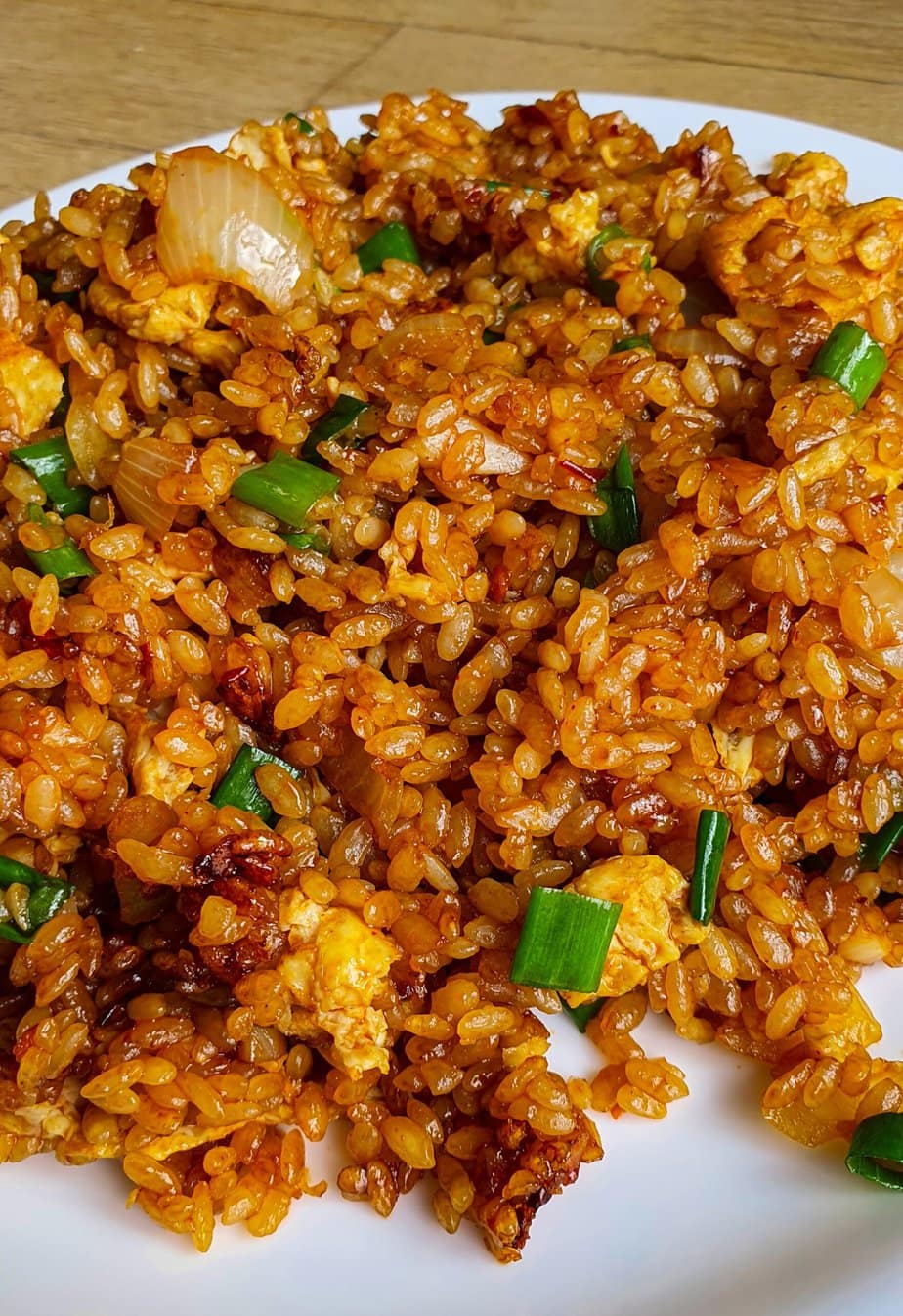
Rinse it before cooking to remove any impurities. Looking for a recipe idea? Mexican or Spanish cuisine remains a safe bet. And why not bring it into Indonesian cooking? Use it in fried rice dishes, like Nasi Goreng.
Black rice
Black rice, also known as “forbidden rice” or “emperor’s rice”, is another rice variety, except that this one originates from China! As a little fun fact, it was called “forbidden rice” because only the Chinese emperor was allowed to eat it back in the day.
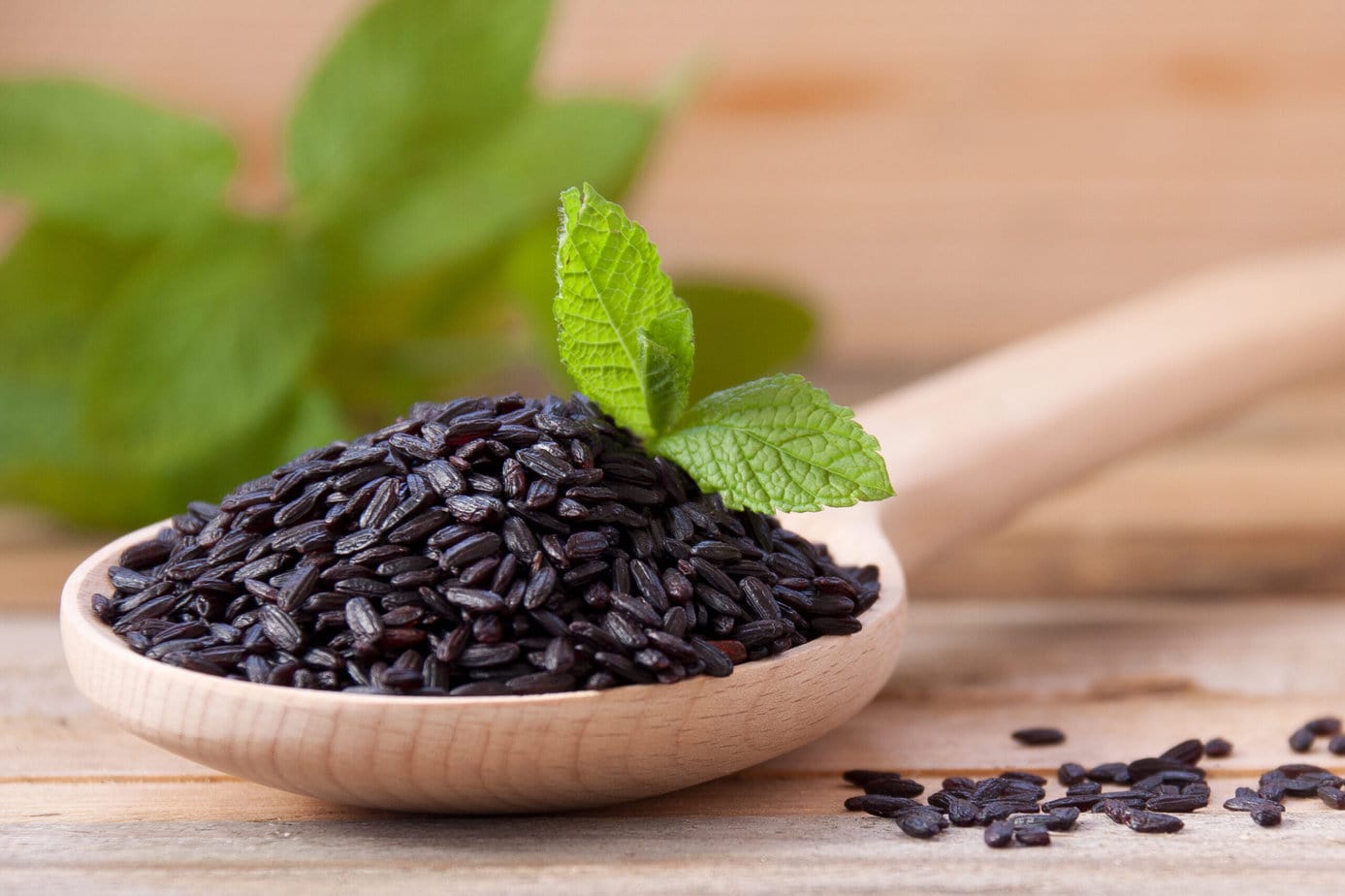
Of course, it’s best known for its very distinctive colour, which can sometimes range from deep purple to intense black, and its firm texture. It too has a flavour very similar to that of hazelnut.
Black rice is rich in anthocyanin antioxidants, which can reduce inflammation, fight heart disease and strengthen the immune system.
It also contains plenty of important nutrients; fibre, vitamins and minerals… It’s also what’s known as a “gluten-free” rice, which therefore makes it an ideal alternative for people who are sensitive to gluten!
How do you cook it? You can absolutely use black rice in desserts, as surprising as that may seem! Try combining it with mild flavours like coconut milk or orange blossom, into which its slight hazelnut taste will blend.
You can naturally also use it in savoury dishes, as a side to your stews for example. Still undecided? Then I’d recommend caramel pork!
Here, the big plus is its visual appeal. You’ll be able to make any dish look stunning with this type of rice.
Red rice
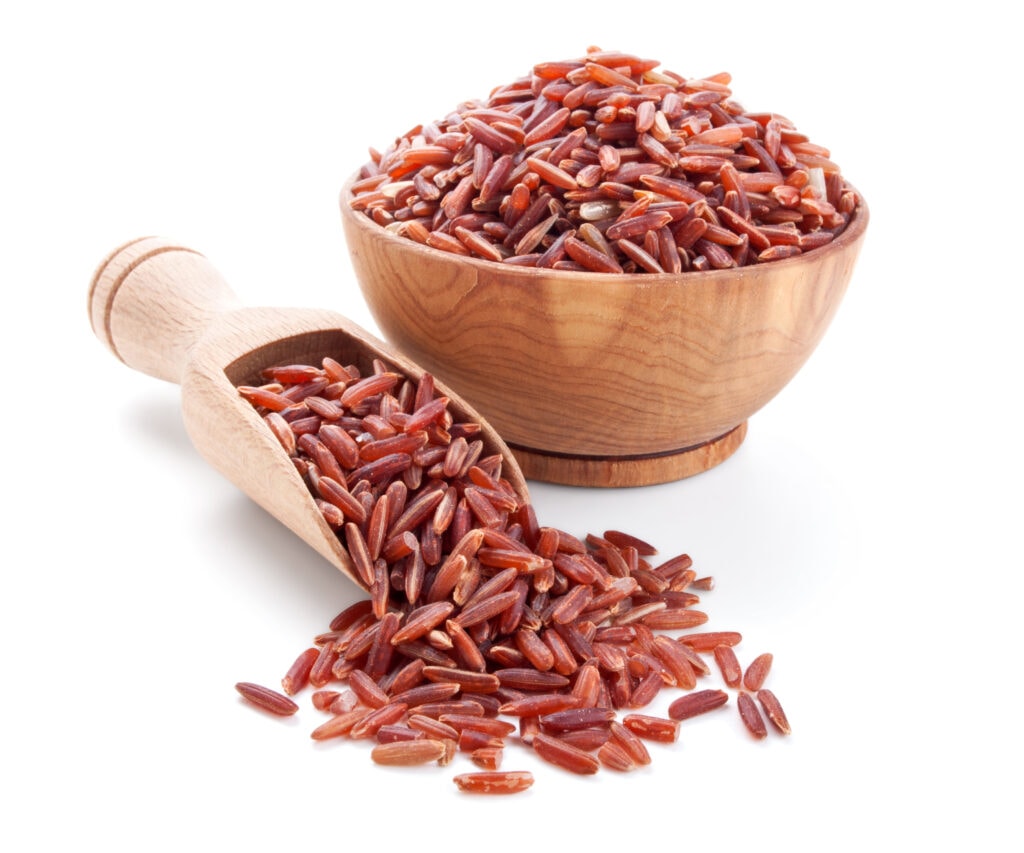
Red rice is a Chinese rice variety grown mainly in Asia, but also in other regions of the world. It gets its name from its reddish colour, which, like black rice, is due to the presence of a natural pigment called anthocyanin. Here’s another type of rice that will add a bit of colour to your plate!
Red rice is rich in nutrients and antioxidants, which makes it beneficial for your health. It contains B vitamins, iron, zinc and other important minerals. Like most rices, it’s also a source of dietary fibre that can help regulate digestion and maintain a healthy cholesterol level.
On top of its health benefits, red rice has a unique, slightly sweet taste that’s different from other rice varieties. It’s often used in Asian cuisine to prepare dishes like fried rice, pork dishes and soups.
However, note that red rice contains red yeast, which can have effects on the liver. As a result, it’s recommended not to eat it in large quantities and to consult a doctor before eating it if you have liver problems.
Japonica rice
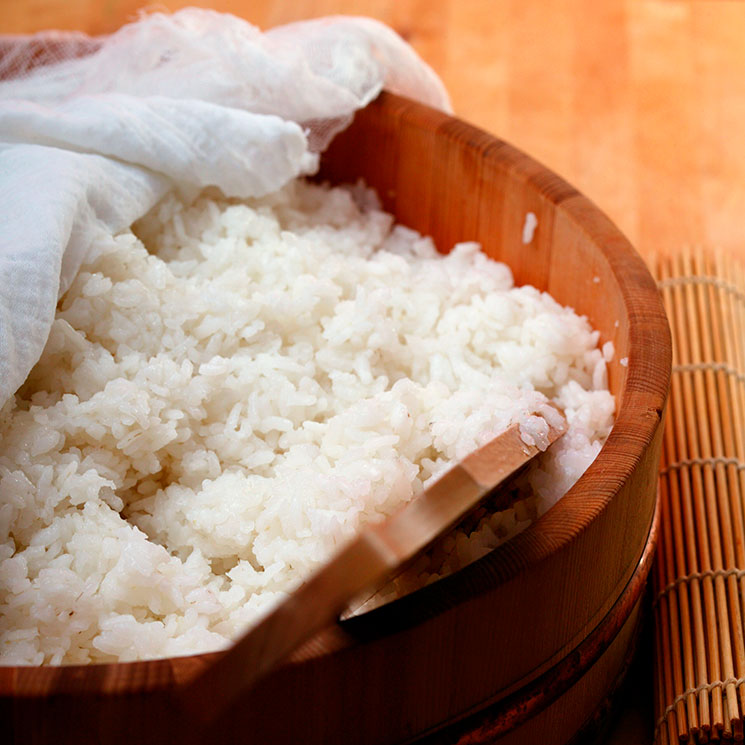
This one is another type of short-grain rice that originates from Japan, as its name suggests. Imported from China, this rice made its way to Japan before being grown on a massive scale in other regions of the world, notably in Europe!
It’s mainly used as a white rice to accompany most traditional Japanese dishes, such as sushi, sashimi or onigiri. There are in fact several varieties of japonica rice, each with its own characteristics.
For example, Koshihikari rice is considered the best japonica rice thanks to its soft, sticky texture and its delicate taste. And that’s exactly why it’s so highly prized!
Its tender texture and its delicate, slightly sweet taste enjoy quite a following, and no longer just in Japan! Very often it’s steamed or boiled, particularly to preserve its texture and its delicate taste.
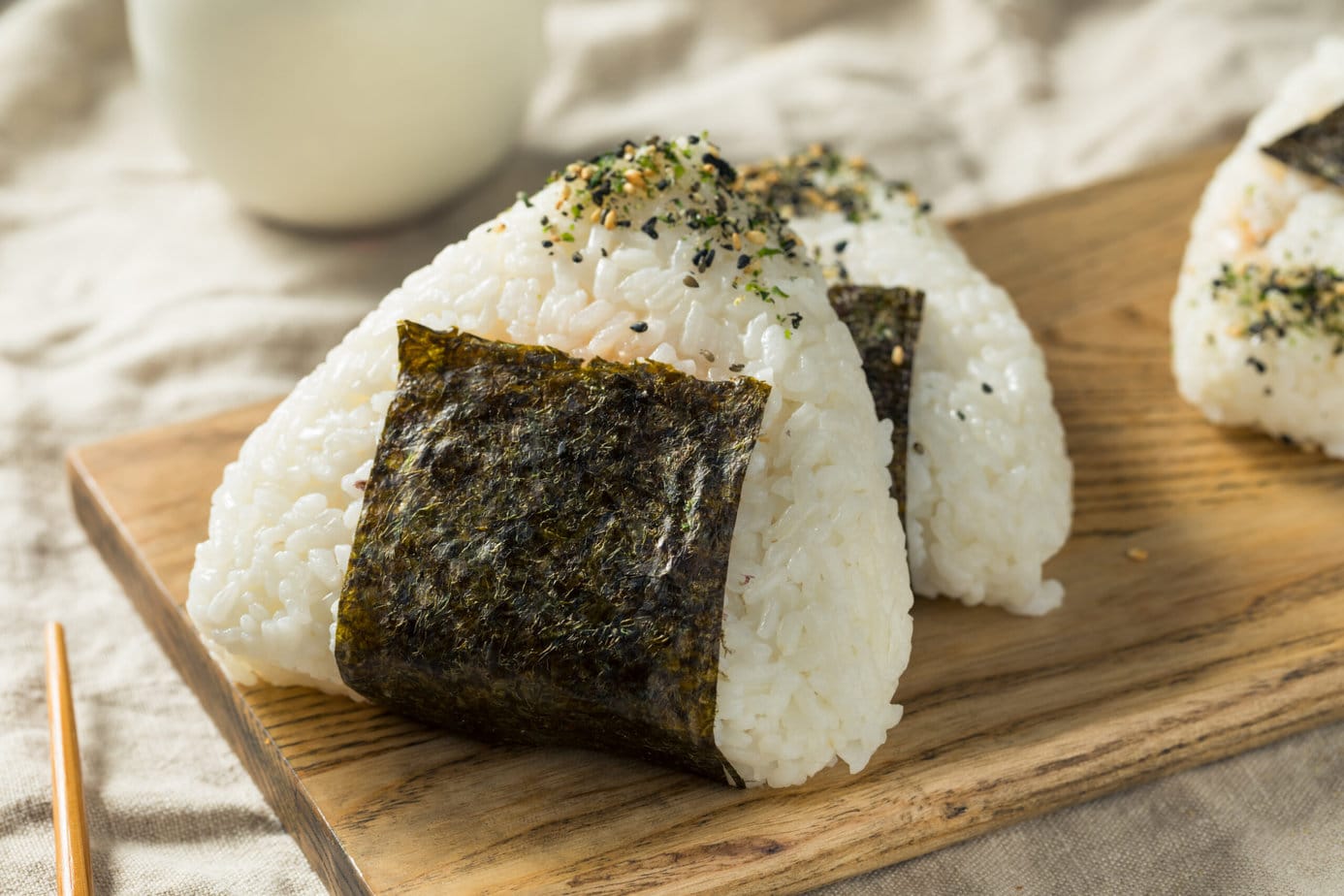
To prepare japonica rice, you need to rinse it several times until the water runs clear, in order to remove the excess starch and any impurities. It’s then placed in a saucepan with cold water and brought to a boil.
Once the water is boiling, the heat is lowered and the rice is left to simmer for about 15 minutes. After cooking, the rice is left to rest for a few minutes to absorb the excess water. If you’re making sushi, the rice should be cooked with rice vinegar, sugar and salt, to give it a sweet-and-sour taste and a sticky texture that keeps the sushi ingredients in place. It’s also used in omurice.
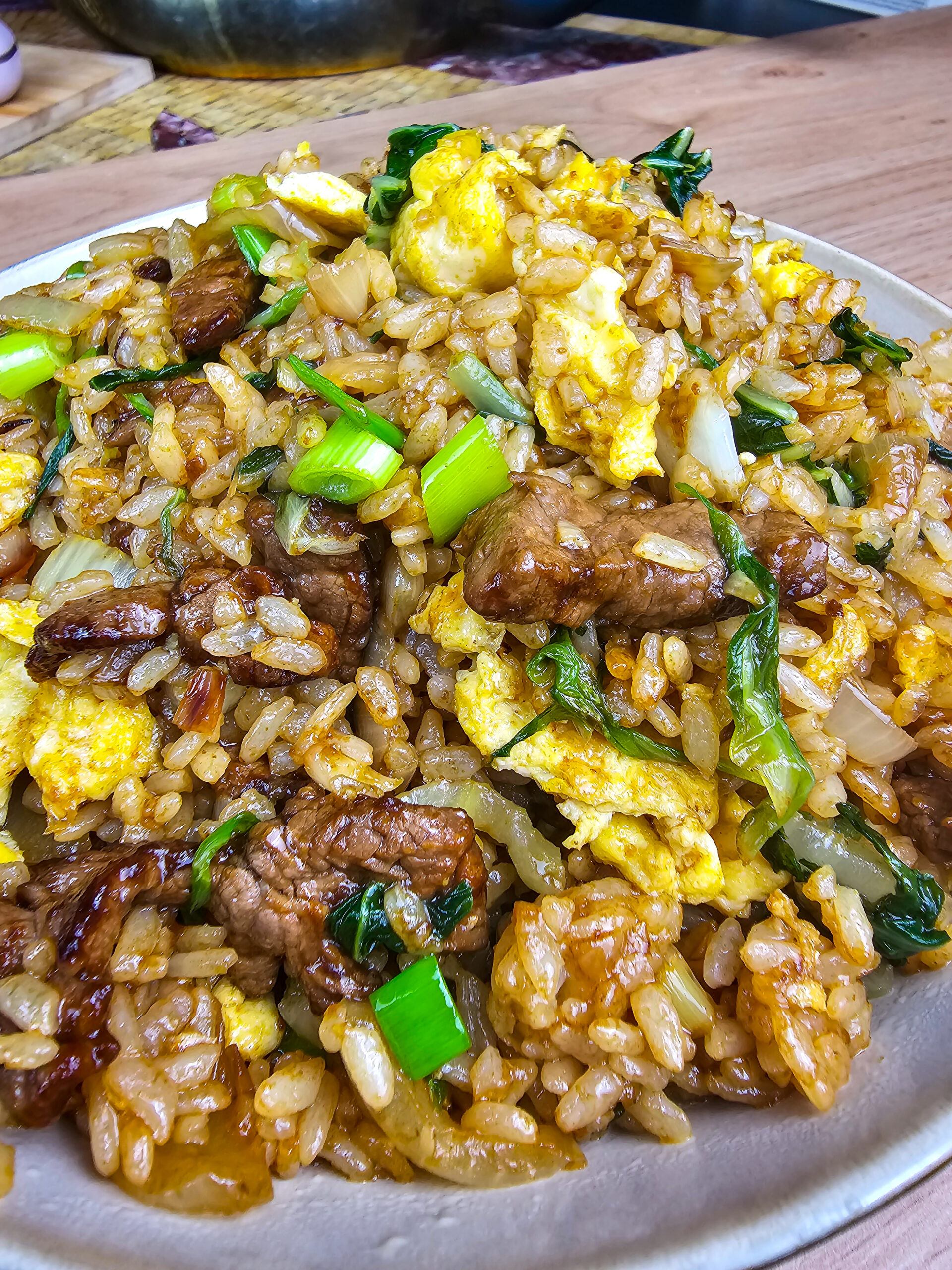
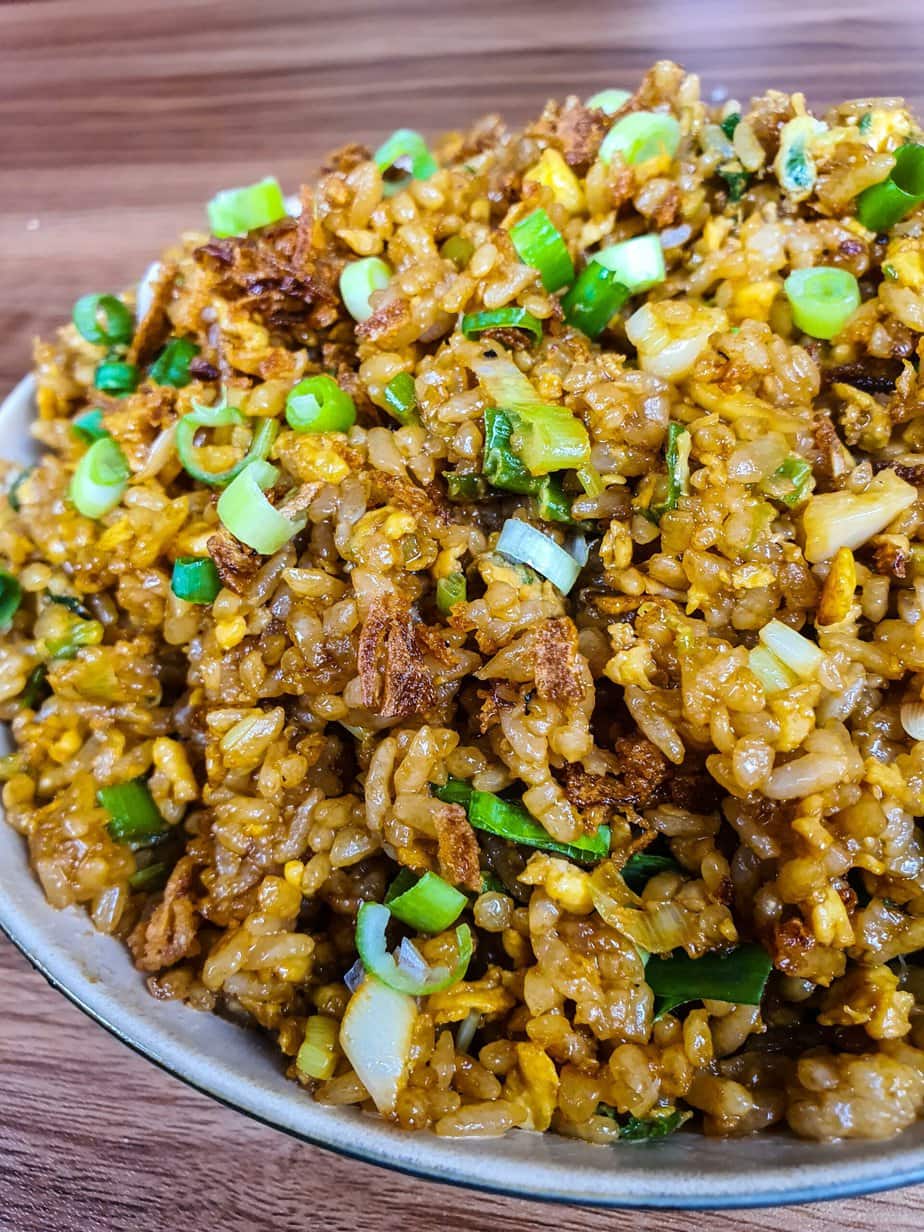
Outside of Japanese cuisine, japonica rice can be used in other Asian dishes, like Chinese or Korean sticky rice. I often use it in my fried rice
It can also be used to make desserts like rice pudding or rice puddings. It’s a very versatile rice, whether you serve it as a side or as the main ingredient of a dish.
“Arborio” rice
This is a type of short-grain rice that originates from Italy. It takes its name from the town of Arborio, in the Po Valley, in the Piedmont region of Italy. Not all rices come from Asian crops! It’s mainly used to make risotto, an Italian dish famous for its creamy texture and rich taste.
Arborio rice is especially well suited to risotto because it contains a large amount of starch. When it’s cooked, the starch is released, creating a creamy texture that’s very characteristic of risotto. To make a good risotto with arborio rice, you’ll need broth, onions, parmesan and a little fat, such as olive oil or butter. Melt your butter or heat your oil in a pan, add the onion and sauté it until tender.
Then add the arborio rice and stir well to toast it lightly. Next, pour in the broth, but little by little, stirring constantly until the liquid is completely absorbed before adding more.
Keep going until the rice is well cooked! Add grated parmesan and stir it all together. Serve immediately, garnishing with fresh parsley or lemon slices for a touch of colour and freshness. There are plenty of risotto variations, so you can give your creativity free rein!
Arborio rice is also delicious served as a cold salad or alongside meat and fish dishes. Whichever way you choose to prepare it, arborio rice is a versatile, delicious ingredient that adds a touch of elegance to any dish.
Camargue rice
Grown in the alluvial plains of the Camargue, a region in the south of France, this long-grain rice variety is especially valued for its subtle flavour and its slightly firm texture.
Camargue rice is grown in a responsible and sustainable way, without the use of pesticides or chemical fertilisers, and is certified organic. The Camargue rice paddies are flooded with seawater to control weeds, which gives them their characteristic colour and contributes to the rice’s unique flavour.
Camargue rice is often used in French cuisine to prepare dishes like paella or risotto, or as a side for meat or fish dishes. It can also be used in salads or vegetarian dishes.
To prepare Camargue rice, it’s important to rinse it thoroughly before cooking to remove the starch and impurities. The rice is then steamed or boiled, depending on the recipe.
It can also be cooked in a broth or a spice mix to add flavour. Camargue rice is an excellent alternative to ordinary white rice, as it’s rich in nutrients such as B vitamins, magnesium and iron.
Sticky rice
In Thai and Laotian cuisine, you see a lot of dishes made with sticky rice. But what exactly is it? Unlike other varieties, sticky rice contains very little starch and is rich in amylopectin, and that’s what gives it its sticky texture after cooking!
It’s just a little more demanding to prepare. Although it remains easy to cook, sticky rice still needs to be soaked in water for several hours before being cooked. After that, it’s steamed or boiled until it becomes sticky and tender. Sticky rice can also be cooked with coconut milk to add flavour and richness.
It’s often used as a base for Asian desserts such as sweet sticky rice, which is often served with fresh fruit or sweetened coconut milk, or coconut pearls. It’s also used a lot in savoury dishes, like prawn rice or sticky rice with steamed chicken.
This rice variety is rich in nutrients; carbohydrates, protein and B vitamins… It’s therefore an excellent source of energy. However, it’s important to note that sticky rice is very calorific, so it should be eaten in moderation.
Wild rice
Coming straight from North America, wild rice is a long-grain black rice variety that actually comes from an aquatic plant. Not to be confused with Asian black rice, which has smaller, rounder grains!
With this rice, get ready to spend a fair bit of time in the kitchen: wild rice has to be cooked longer than the other varieties you’ve discovered in this article. Count on 40 to 50 minutes on average, but the effort is worth it! It can be steamed, boiled or even grilled to add flavour.
As a side for grilled meats or in grain salads, wild rice adapts to many recipes.
Although wild rice is more expensive than other rice varieties, its unique flavour and nutritional benefits make it an excellent choice for those looking to add variety to their diet.
Bomba rice
Off to Spain! Here’s a rice variety that originates from the Valencia region. Bomba rice is different from other rice varieties because of its ability to absorb a large amount of liquid, like arborio rice, while keeping its firm texture and unique flavour.
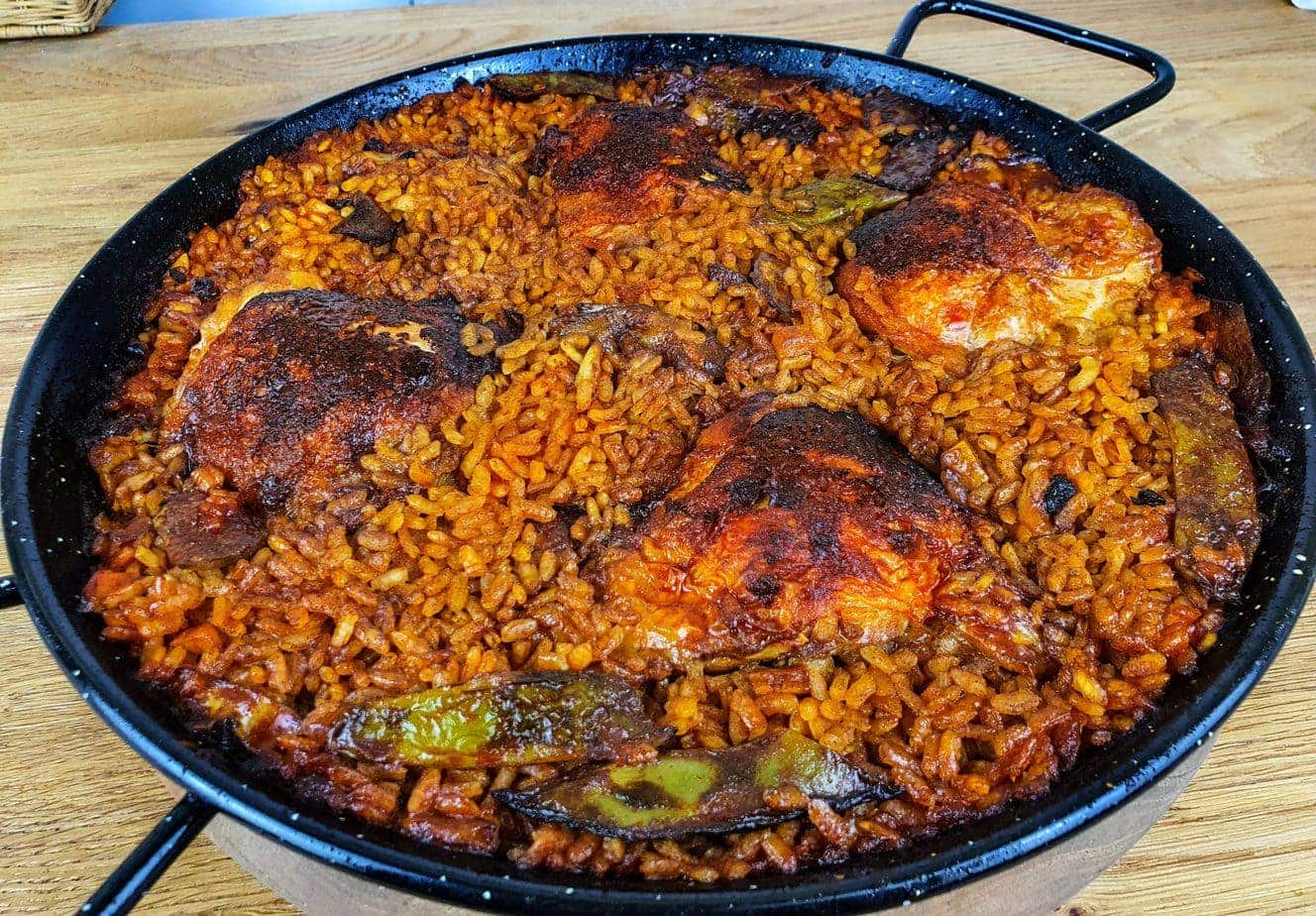
In Spanish rice dishes, like arroz con pollo (chicken rice) or arroz al horno (oven-baked rice), it’s an absolute knockout. It’s perfectly suited to paella; it’s even the best rice for this kind of dish. Looking for a traditional recipe? Chicken paella.