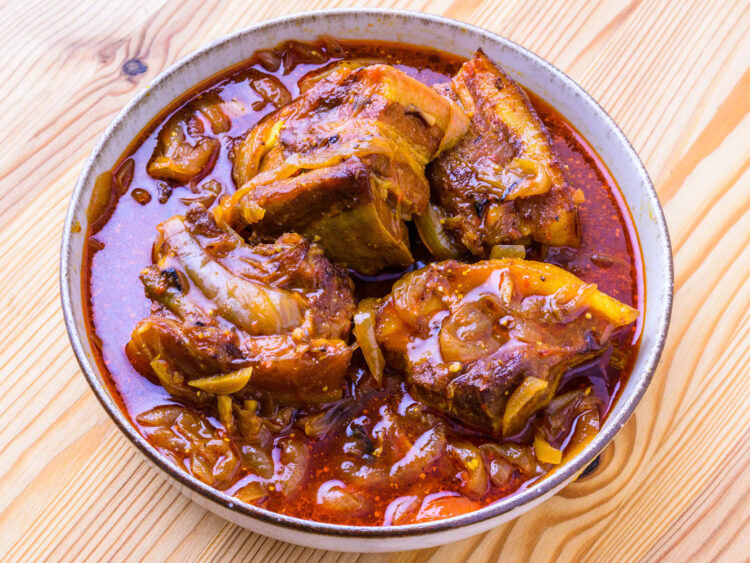
A bold, aromatic Goan pork vindaloo, marinated in homemade masala and simmered until the oil rises and the sauce turns deeply flavorful.
Rich, fatty pork takes on a deep red hue in a glossy, vinegary sauce, with sticky edges of rendered fat and aromas of garlic, clove, and cinnamon.
Authentic Goan vindaloo bears little resemblance to the ultra-spicy version served in British curry houses, a world also associated with dishes like chicken tikka masala.
It also has nothing to do with potatoes in its original form. Its color and heat come from dried Kashmiri chilies, or the closely related Byadgi chilies; its tang comes from palm toddy vinegar; and its depth comes from marinating and slow cooking.
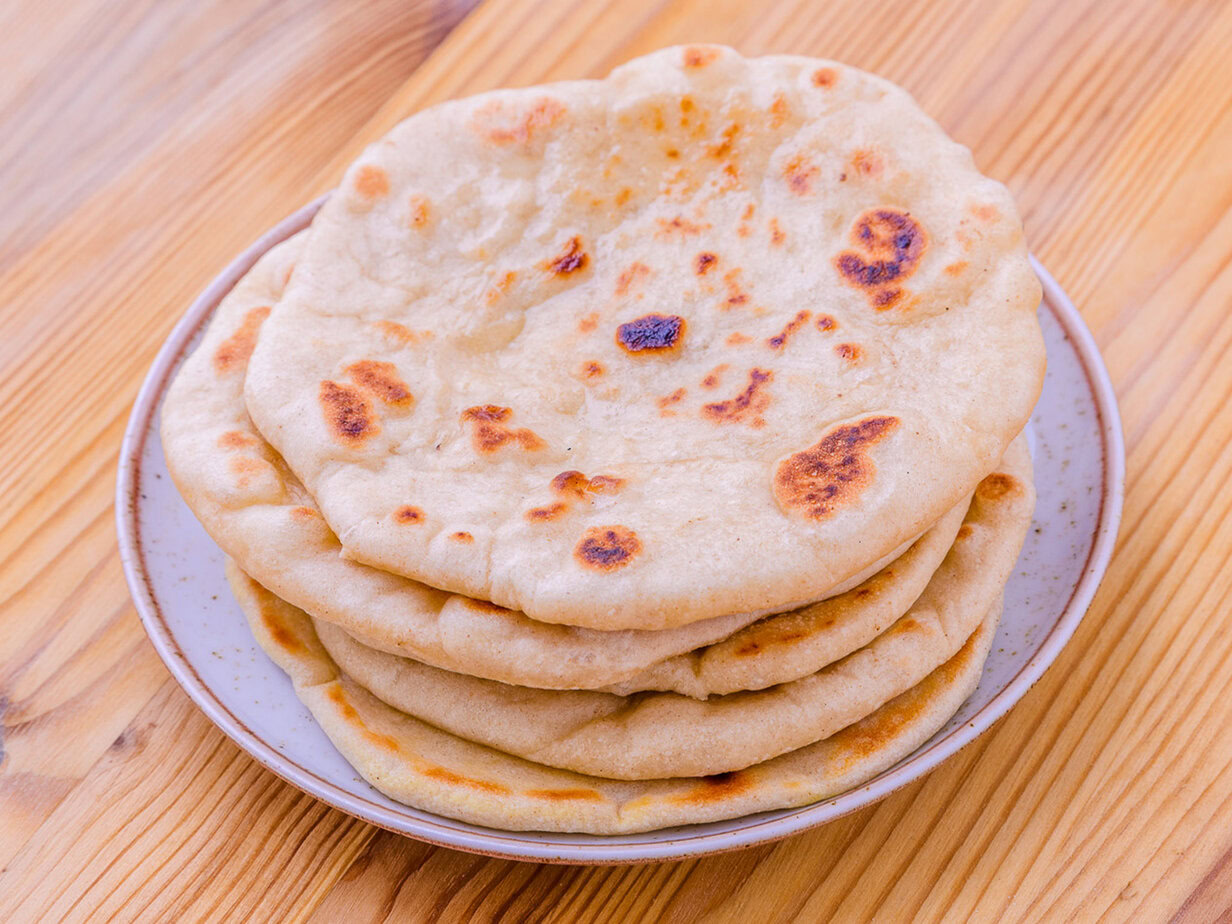
Traditionally made with pork, it balances acidity, gentle sweetness, and spices that deepen as they cook, and is eaten with poee or fluffy sannas rather than the classic flatbreads of northern India, such as chapati.
What is vindaloo?
The name tells the story of the dish. Vindaloo comes from the Portuguese carne de vinha d’alhos, meaning meat with wine and garlic, an expression that was adapted into Konkani as vindaloo. Alhos means “garlic,” not aloo, the Hindi word for “potato”; that misunderstanding explains many later versions, but not the original Goan one.
In its traditional Catholic Goan form, vindaloo is made with fatty cuts of pork: shoulder, belly, or a combination of the two. Their collagen and fat slowly melt into the sauce, much like in a long-simmered chashu pork.
Palm toddy vinegar, made from fermented coconut palm sap, gives the dish its characteristic astringent acidity, with a faint sweetness in the background. Dried Kashmiri or Byadgi chilies turn the sauce red and add fruity notes, with moderate warmth rather than aggressive heat.
Cumin, coriander, mustard seeds, cloves and cinnamon, peppercorns, and a little fenugreek are dry-toasted. They give the stew a warm, lingering spice depth.
A little dark jaggery or palm sugar softens the acidity without making the dish noticeably sweet. After a long marinade, the pork is seared, then slowly braised, as in other dishes where time transforms the meat’s texture, such as lu rou fan, until a red, spice-scented fat rises to the surface.
It contains neither potatoes, tomatoes, ketchup, coconut milk, yogurt, nor cream; the body of the dish comes from the pork, vinegar, aromatics, spices, rendered fat, and time.
From a Portuguese preserving method to a Goan dish
Vindaloo grew out of an Iberian, more specifically Portuguese, preserving method rather than a classic curry recipe. In regions such as Madeira and Alentejo, pork was preserved or seasoned with wine, garlic, herbs, and salt. When this method arrived in Goa in the 16th century, European wine was scarce and expensive to import.
Goan cooks therefore turned to palm toddy vinegar, a sharper local fermented product. Its acidity gives the dish its backbone, much as palm vinegar does in Filipino chicken adobo.
Chilies then arrived through Portuguese trade networks and the Columbian Exchange. Native to the Americas, chilies of the genus Capsicum found their way into Indian cuisines, then into condiments like sambal oelek. In Goa, closely related varieties such as Kashmiri and Byadgi chilies were prized for their color, aroma, and moderate heat.

Over time, vinegar-rich pork stews became staples of Goan Catholic life: weddings, Christmas tables, feast days, and community pig slaughters where nothing went to waste.
Their place at festive meals brings to mind other celebratory pork dishes such as lechon kawali and sisig. Outside Goa, the misunderstanding around aloo encouraged versions loaded with potatoes; in British curry-house culture, the dish was pushed even further toward extreme heat and tomato-based sauces.
Key ingredients in vindaloo
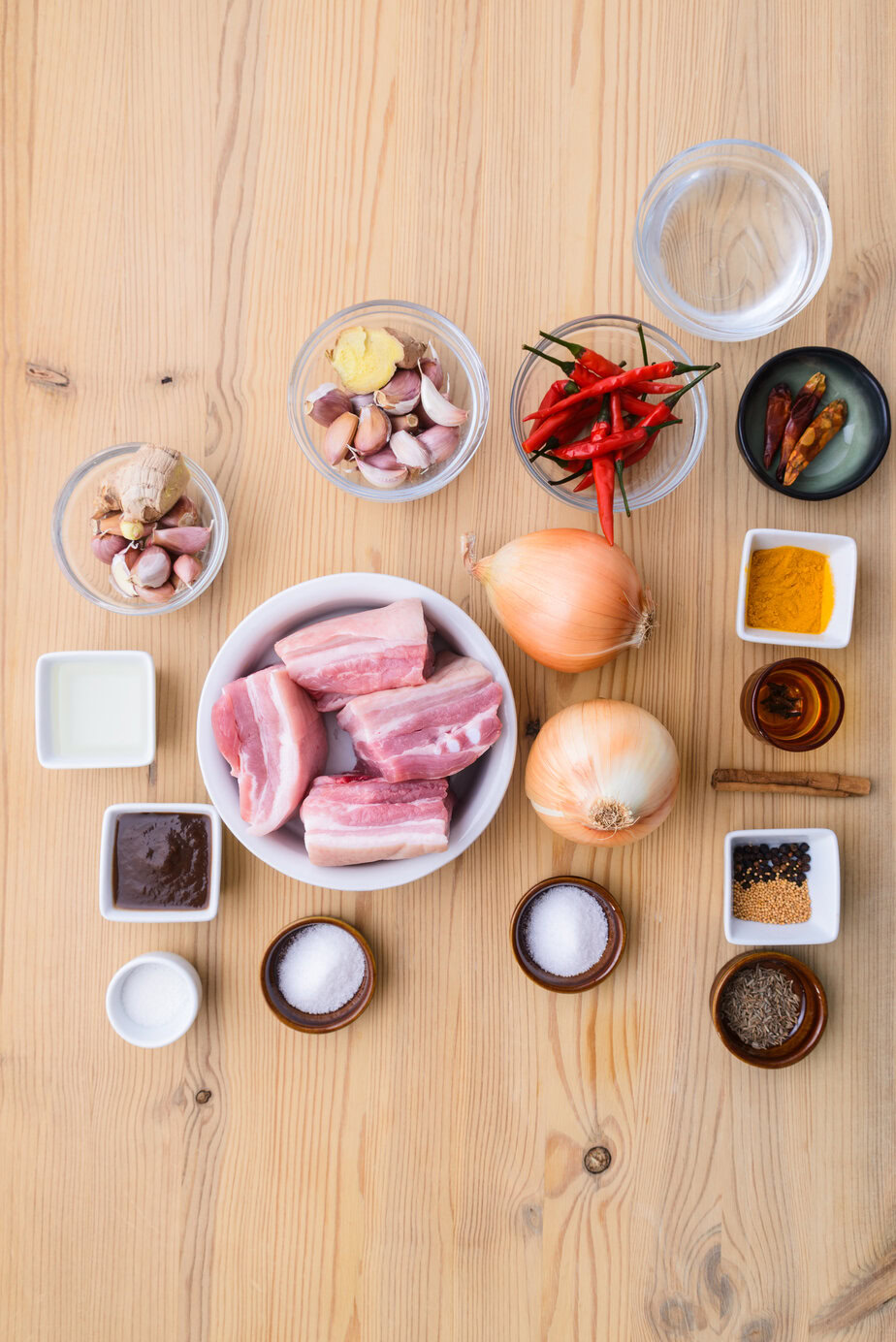
- Pork shoulder or belly: the collagen and fat melt down into a naturally glossy sauce.
- Palm toddy vinegar: it tenderizes the meat, helps preserve it, and gives the dish its distinctive Goan tang.
- Dried Kashmiri or Byadgi chilies: they bring crimson color, earthy fruitiness, and moderate heat.
- Cumin seeds: they form the warm, earthy backbone of the masala.
- Coriander seeds: they add citrusy notes that balance the vinegar.
- Mustard seeds: they bring a pungent, nutty lift when toasted.
- Cloves and cinnamon: they round out the vinegary, garlicky base with warm spice.
- Black peppercorns: they add peppery heat without overwhelming the chilies.
- Fenugreek seeds: used sparingly, they contribute deep, maple-like notes.
- Garlic: it is the pungent, lingering base that gives the dish its name.
- Ginger: it brightens the paste and complements the garlic in the marinade.
- Dark brown jaggery: it softens the vinegar’s acidity and rounds out the flavors.
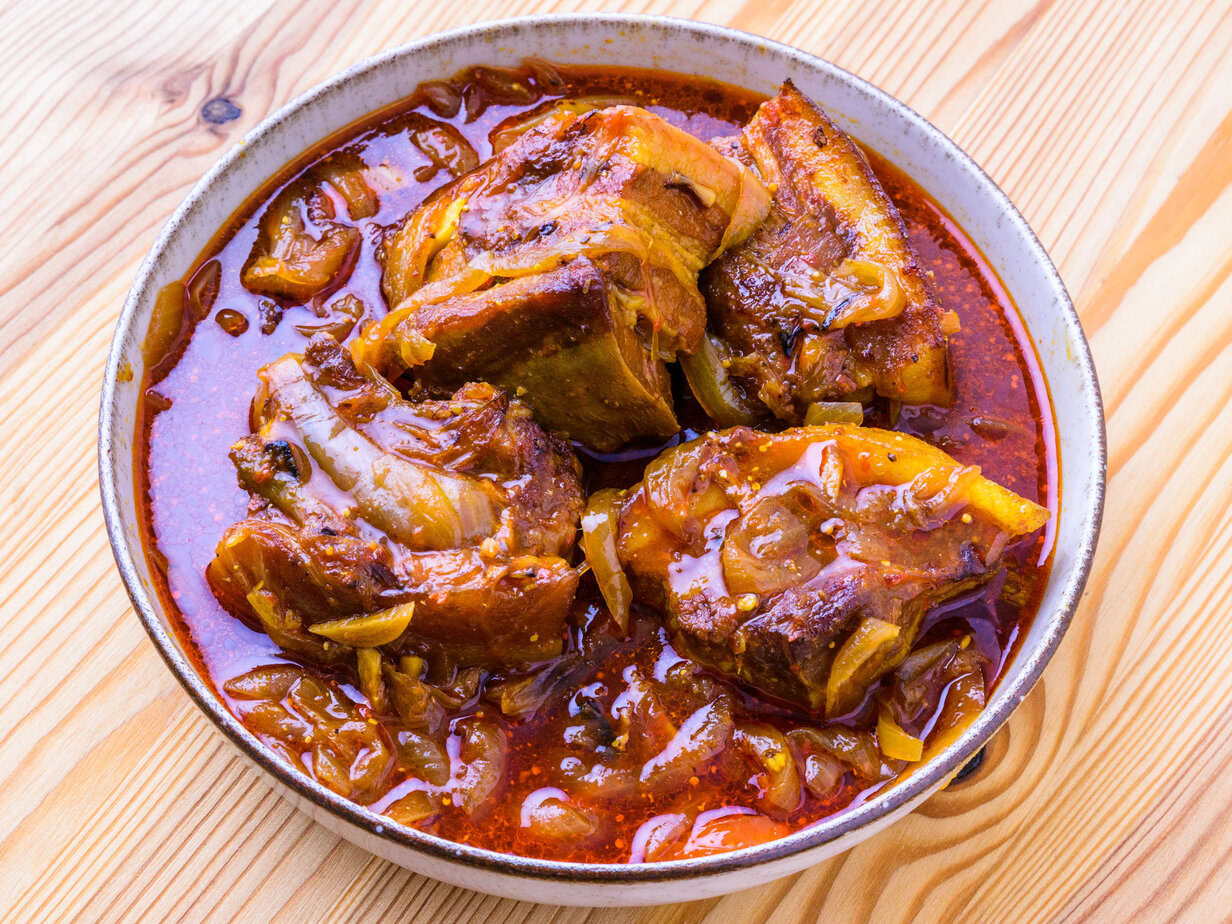
Ingredients
- 1 kg pork boneless, with fat and skin attached, cut into 5 cm pieces
- 2 onions thinly sliced
- 12 cloves garlic julienned
- 2 inches ginger julienned
- 1 ball tamarind about the size of a lime, soaked in 60 ml of lukewarm water
- 1 teaspoon sugar
- 1 tablespoon salt
- 1 teaspoon salt
- 2 tablespoons oil
For the vindaloo masala
- 15 fresh red chilies seeded
- 3 dried red chilies
- 1 teaspoon cumin seeds
- 1 teaspoon ground turmeric
- 10 cloves
- 1 stick cinnamon
- 0.5 teaspoon peppercorns
- 1 teaspoon mustard seeds
- 15 cloves garlic
- 1 piece ginger 5 cm, chopped
- 200 ml palm vinegar
- 1 cup lukewarm water
Instructions
Method
- Rinse the pork and squeeze out any excess water.1 kg pork
- Season the pork with 1 tablespoon of salt, then refrigerate for 30 minutes.1 tablespoon salt
- Blend all the vindaloo masala ingredients until smooth.15 fresh red chilies, 3 dried red chilies, 1 teaspoon cumin seeds, 1 teaspoon ground turmeric, 10 cloves, 1 stick cinnamon, 0.5 teaspoon peppercorns, 1 teaspoon mustard seeds, 15 cloves garlic, 1 piece ginger, 200 ml palm vinegar
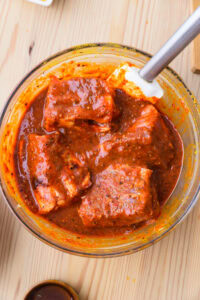
- Rub the masala and sugar all over the pork, then marinate in the refrigerator for 12 hours, or overnight.1 teaspoon sugar
- Heat the oil in a heavy pot.2 tablespoons oil
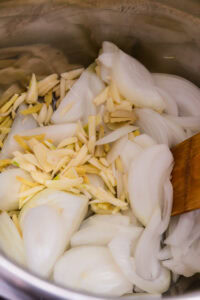
- Add the onion, ginger, and garlic, then sauté over medium heat until lightly golden.2 onions, 12 cloves garlic, 2 inches ginger
- Add the pork and stir well.
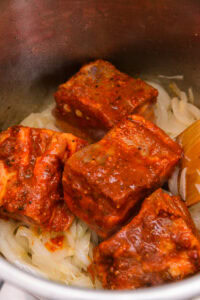
- Cook over low heat for 10 minutes, stirring occasionally.
- Add 1 cup of lukewarm water and 1 teaspoon of salt. Cover and cook over low heat for 30 minutes, stirring 4 to 5 times.1 cup lukewarm water, 1 teaspoon salt
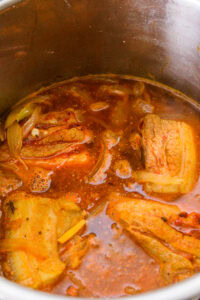
- Add the tamarind soaking liquid, bring to a boil, then reduce the heat and cook, covered, for 15 minutes more, until the meat is tender.1 ball tamarind
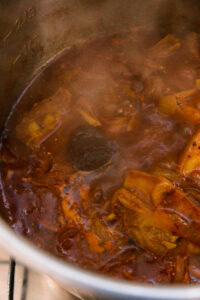
- By the end, the oil will rise to the surface—don’t discard it; that’s where the flavor is.