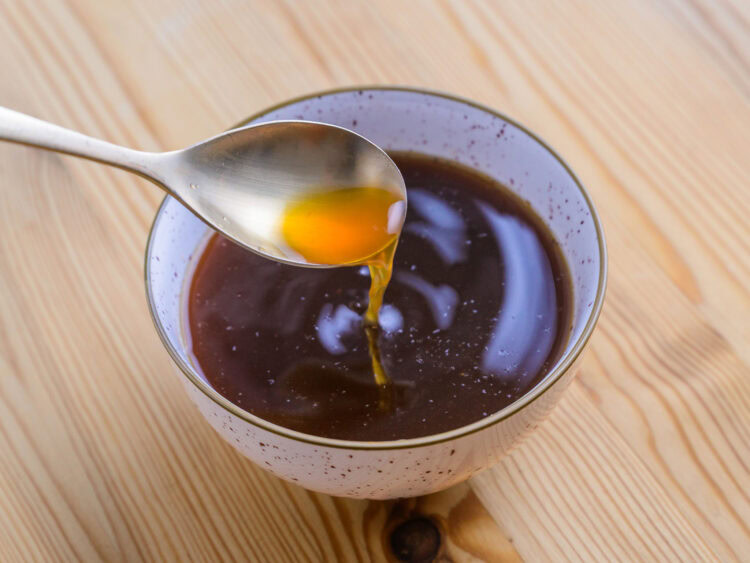
A Japanese sauce made with citrus and soy sauce, mellowed with mirin and flavored with kombu and dried bonito.
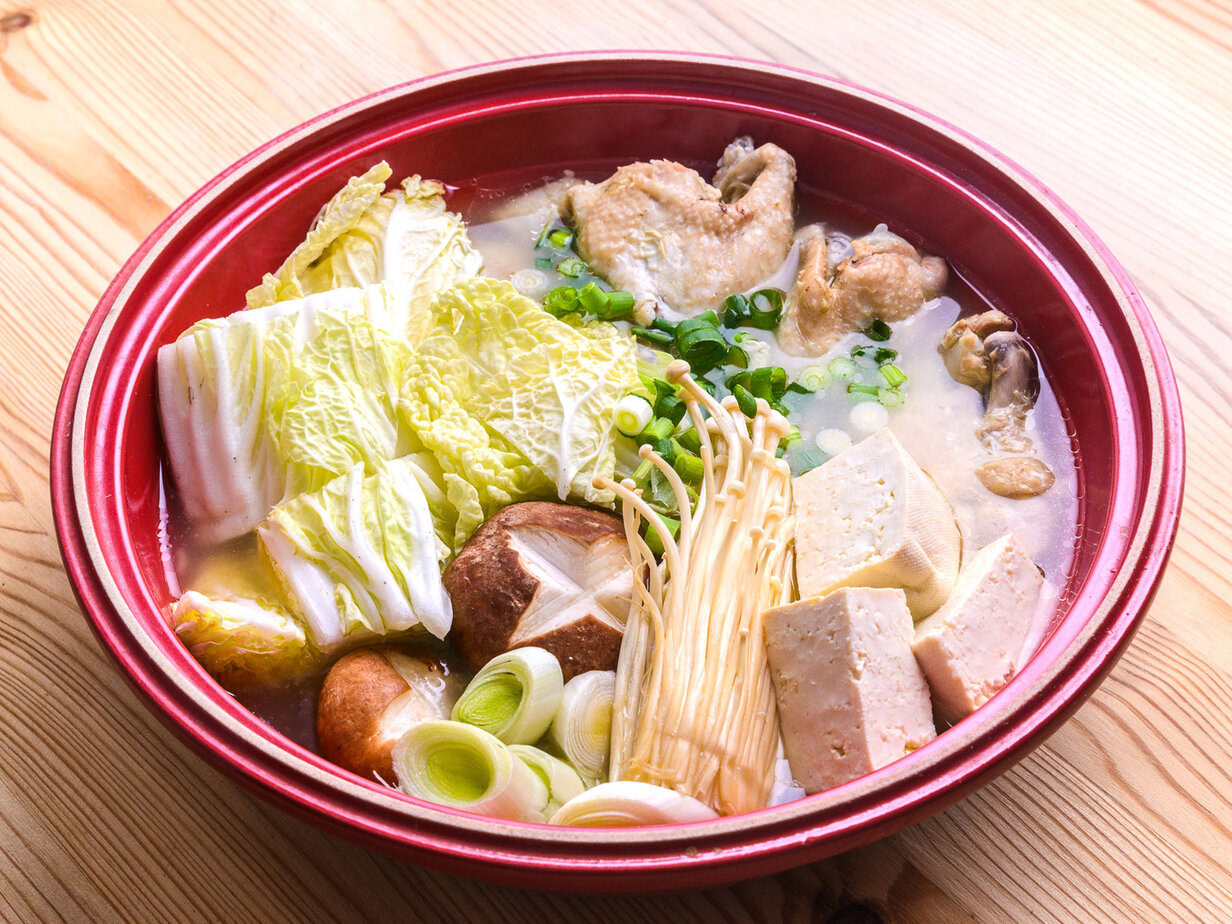
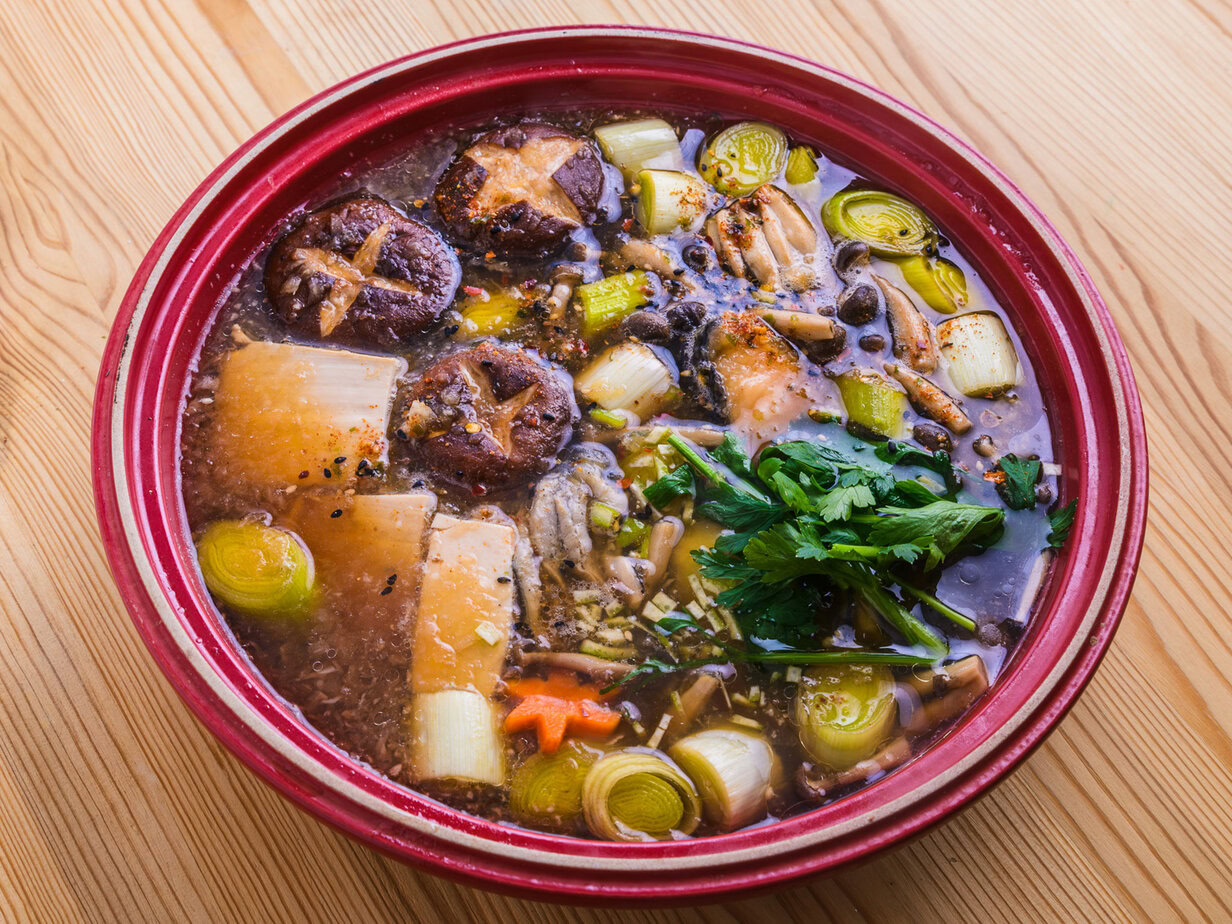
On a winter evening, a pot steams in the middle of the table and everyone fishes out a piece of chicken, a cabbage leaf or a cube of tofu.
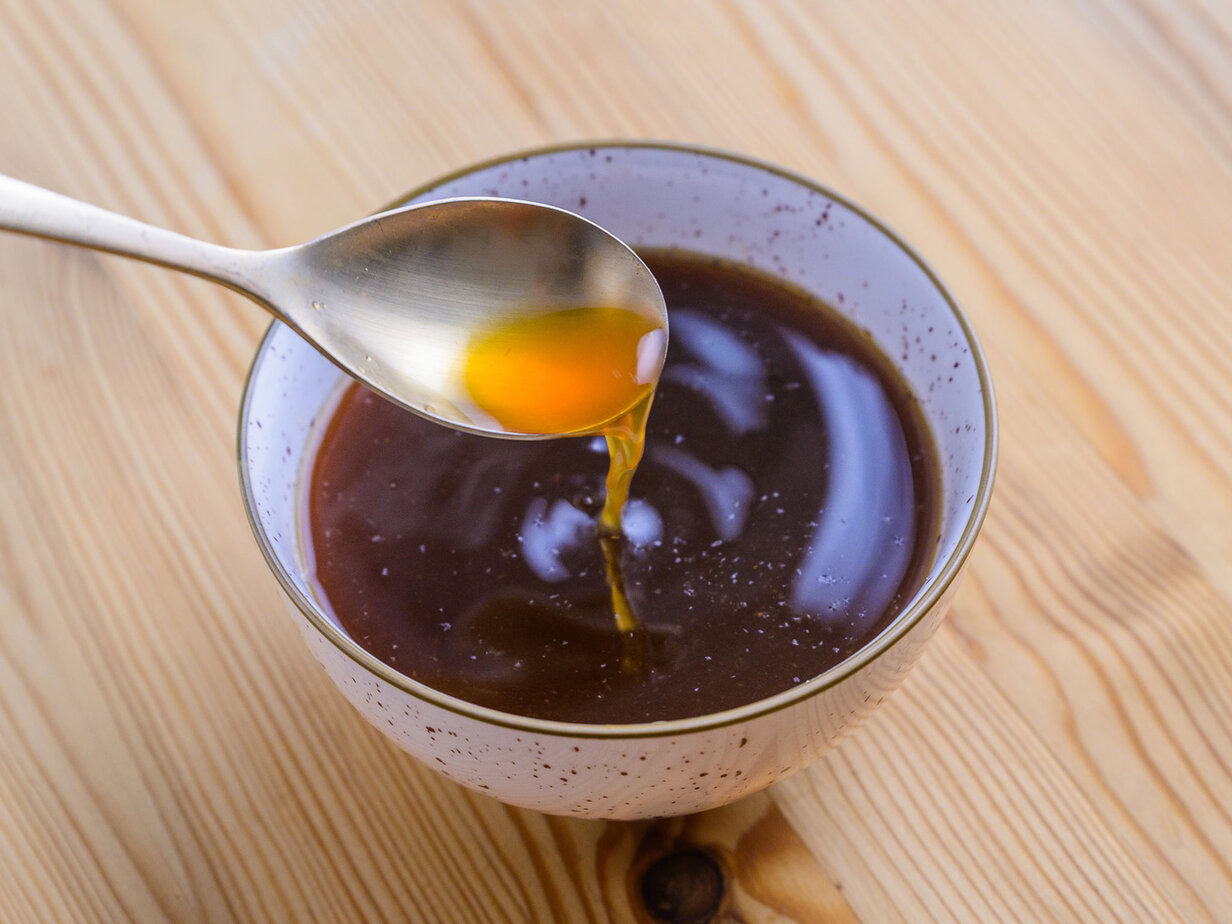
Next to the plate, a small bowl is waiting: a dark sauce that smells of yuzu and soy sauce. The first impression is tart and fresh, then the salt and umami come through, with a smoky hint of bonito. Dip a bite in it, and even the mildest broth wakes up.
What Is Ponzu Sauce?
The ponzu sauce served in Japan is almost always ponzu shoyu: citrus juice and soy sauce in equal parts, mellowed with mirin and sake that have been heated to cook off the alcohol.
A piece of kombu and some katsuobushi flakes steep in it overnight and are then removed. The result is a tart, salty sauce used mainly for dipping or for seasoning at the last minute.
The name comes from the Dutch pons, a fruit juice punch. In Japan, the last syllable is written with the character for vinegar (su, pronounced zu here). In fact, ponzu in the strict sense is simply a mixture of citrus and vinegar, with no soy.
A Word Brought by Dutch Merchants
The word entered the Japanese language during the Edo period, when the Dutch were the only Europeans allowed to trade with Japan. Their pons, a drink made with fruit juices, eventually came to mean a tart seasoning. Over time, the soy sauce version took over at the table, and it’s the one you find bottled today.
Ponzu is never cooked with the dish. It’s poured on as a finishing touch or used for dipping bites, to cut through the fat and refresh the palate, a common principle in Japanese cooking. Each region has its own citrus: sudachi in Tokushima, kabosu in Oita, daidai in Fukuoka.

Main Ingredients in Ponzu Sauce
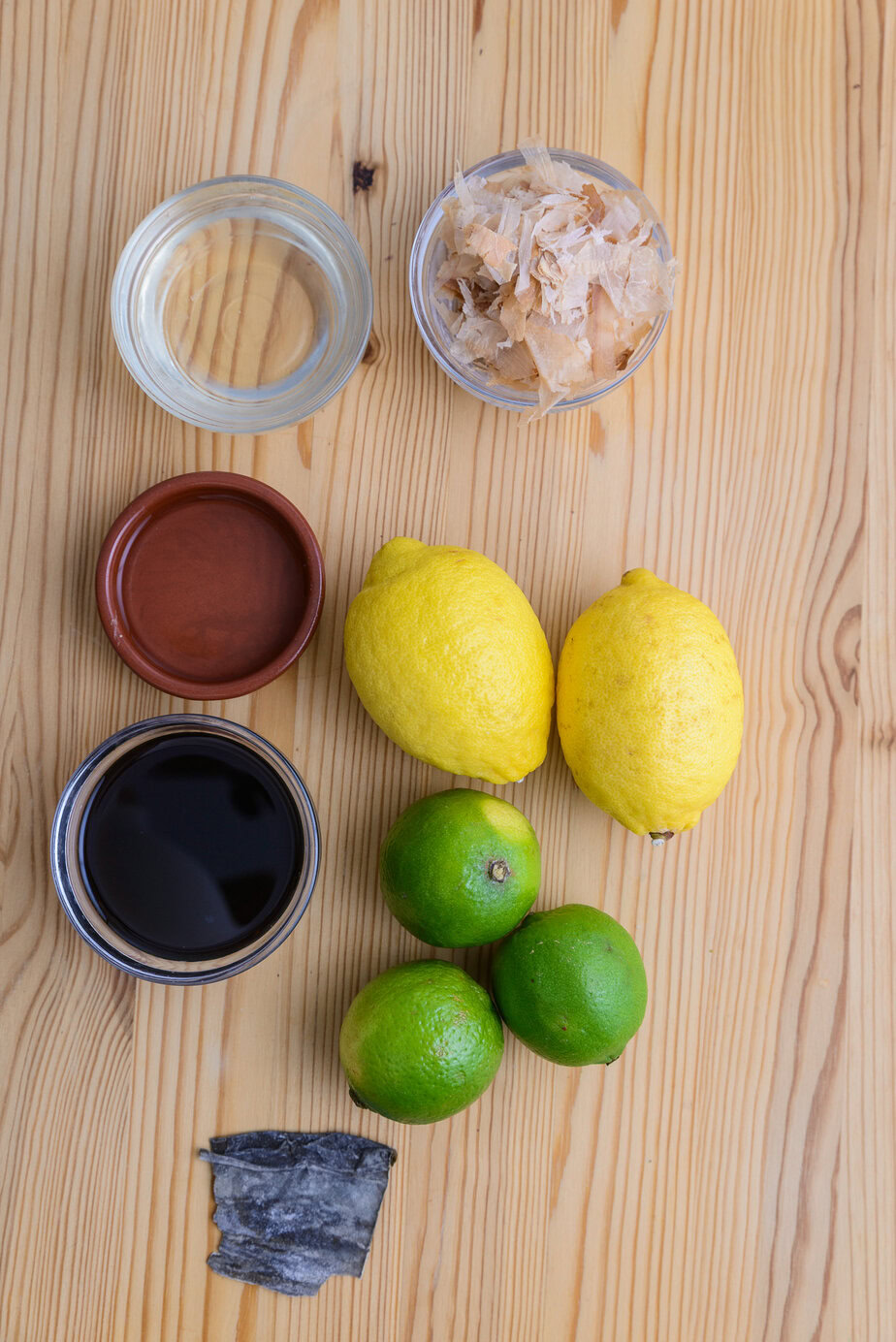
Fresh yuzu is the ideal citrus, but it’s hard to find and expensive in Europe. Bottled 100 percent yuzu juice can replace it in equal amounts. Without yuzu, a mix of half lemon, half lime works very well, and a little grapefruit adds yuzu’s slight bitterness. Squeeze the citrus at the last minute, as lime juice quickly turns bitter.
Japanese soy sauce provides the salt and the color: dark koikuchi for a darker sauce, light usukuchi for a paler shade. Mirin rounds out the acidity. Sake adds body, with no taste of alcohol once heated.
Kombu and katsuobushi, the two building blocks of dashi, give the sauce its long finish and smoky note. You can then adjust it to taste with a little dashi, mirin or rice vinegar.
What to Serve with Ponzu Sauce
In Japan, ponzu goes first and foremost with winter hot pots, from shabu-shabu to chanko nabe: the meat and vegetables are dipped in it as they come out of the broth. It also goes well with tataki and sashimi, pan-fried gyoza and the chilled tofu of hiyayakko. On a salad or grilled fish, a spoonful is all you need.
Technical Tips for Good Ponzu Sauce
Freshly made, the sauce is very sharp. A night in the refrigerator mellows the acidity and gives the kombu and bonito time to infuse.
Make it in a glass or ceramic jar scalded with boiling water: the sauce is acidic and picks up a metallic taste in contact with metal. Once strained, it keeps for about a month in the refrigerator and can be frozen in an ice cube tray.
Ingredients
Citrus Juice
- 100 ml citrus juice fresh, yuzu or 50% lime, 50% lemon
Steeping and Straining
- 100 ml Japanese soy sauce, dark (koikuchi) or light (usukuchi)
- 10 g katsuobushi (dried bonito flakes)
- 1 piece kombu about 1.5 cm
Instructions
Citrus Juice
- Cut the citrus fruit in half.100 ml citrus juice
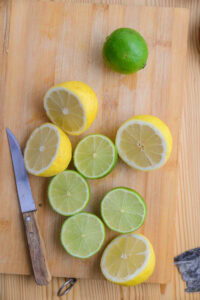
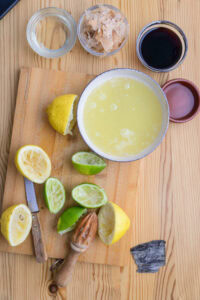
- Squeeze the citrus fruit to extract the juice.
Mirin and Sake
- Pour the mirin and sake into a small saucepan.20 ml mirin, 10 ml sake
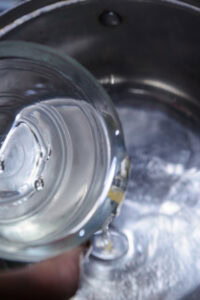
- Warm over low heat to cook off the alcohol (this is called nikiri).
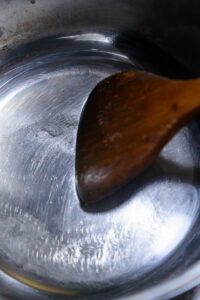
- Let cool.
Steeping and Straining
- Put the citrus juice, the cooled mirin and sake, the soy sauce, the katsuobushi and the kombu in a clean glass jar or bottle.100 ml Japanese soy sauce,, 10 g katsuobushi, 1 piece kombu
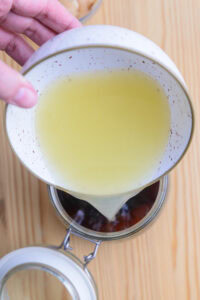
- Mix well.
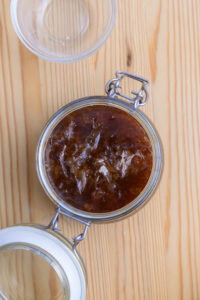
- Seal the container.
- Let sit overnight in the fridge.
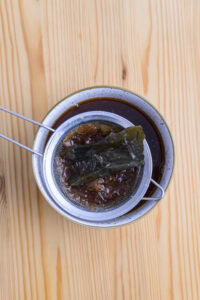
- Strain the sauce through a fine-mesh sieve or a tea strainer.
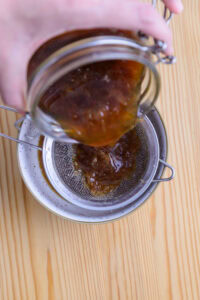
- Remove the katsuobushi and kombu.