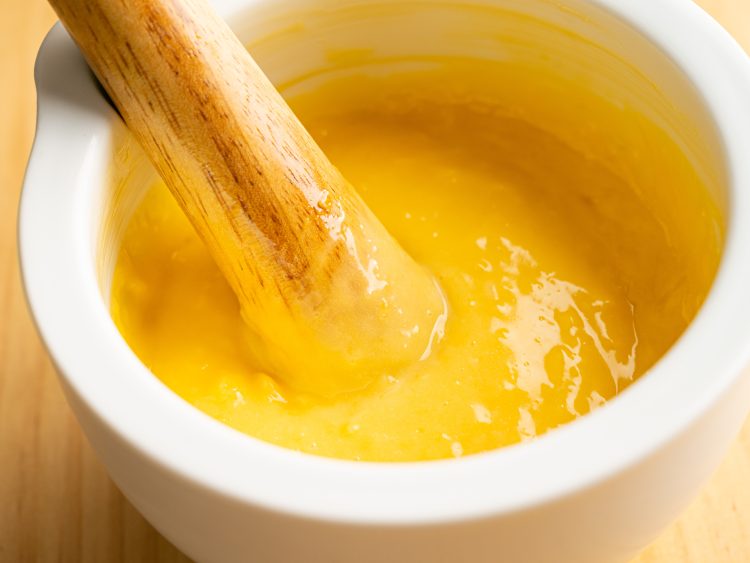
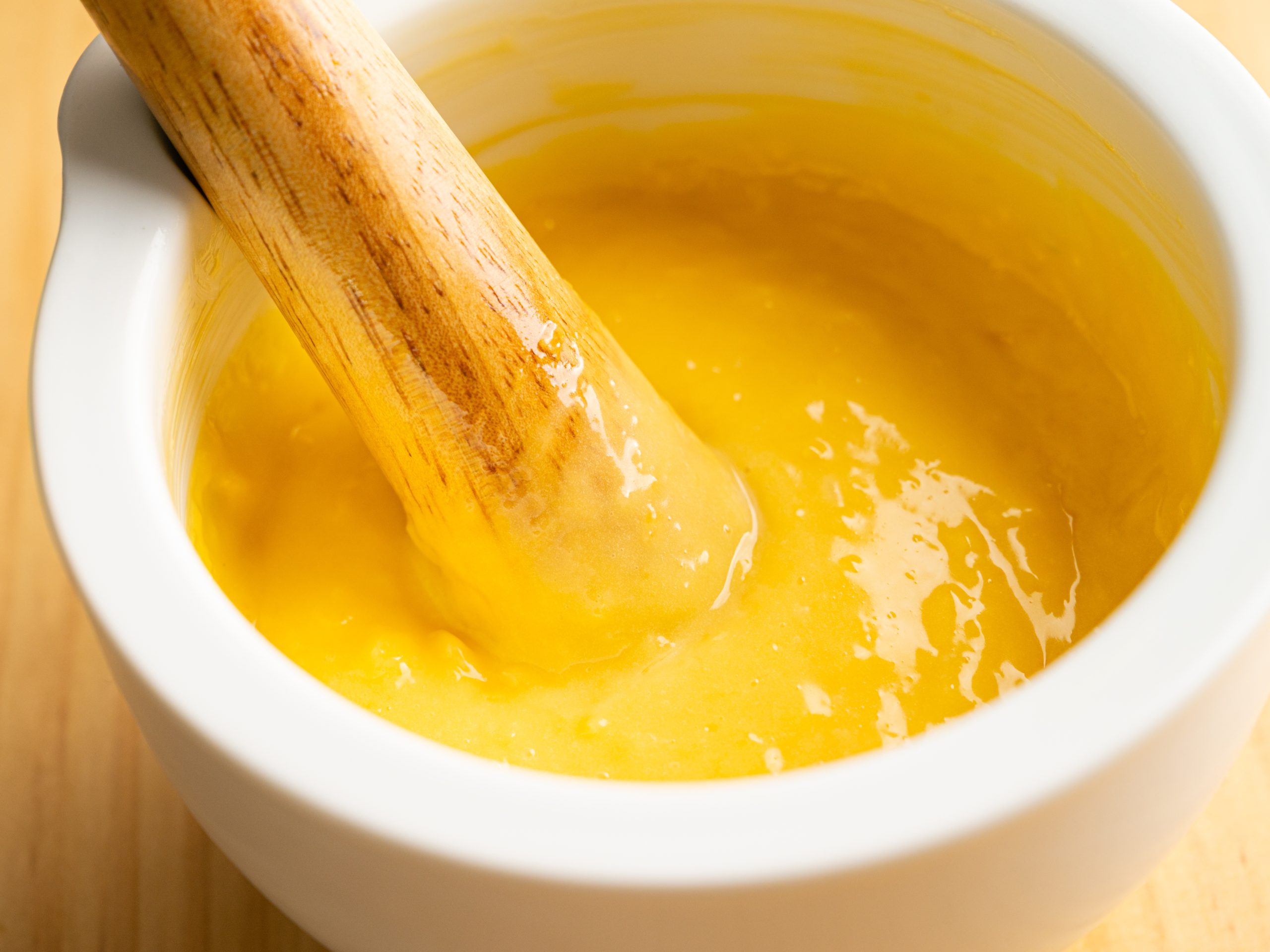
A raw Provençal sauce of pounded garlic, egg yolks and extra virgin olive oil, emulsified in a mortar.
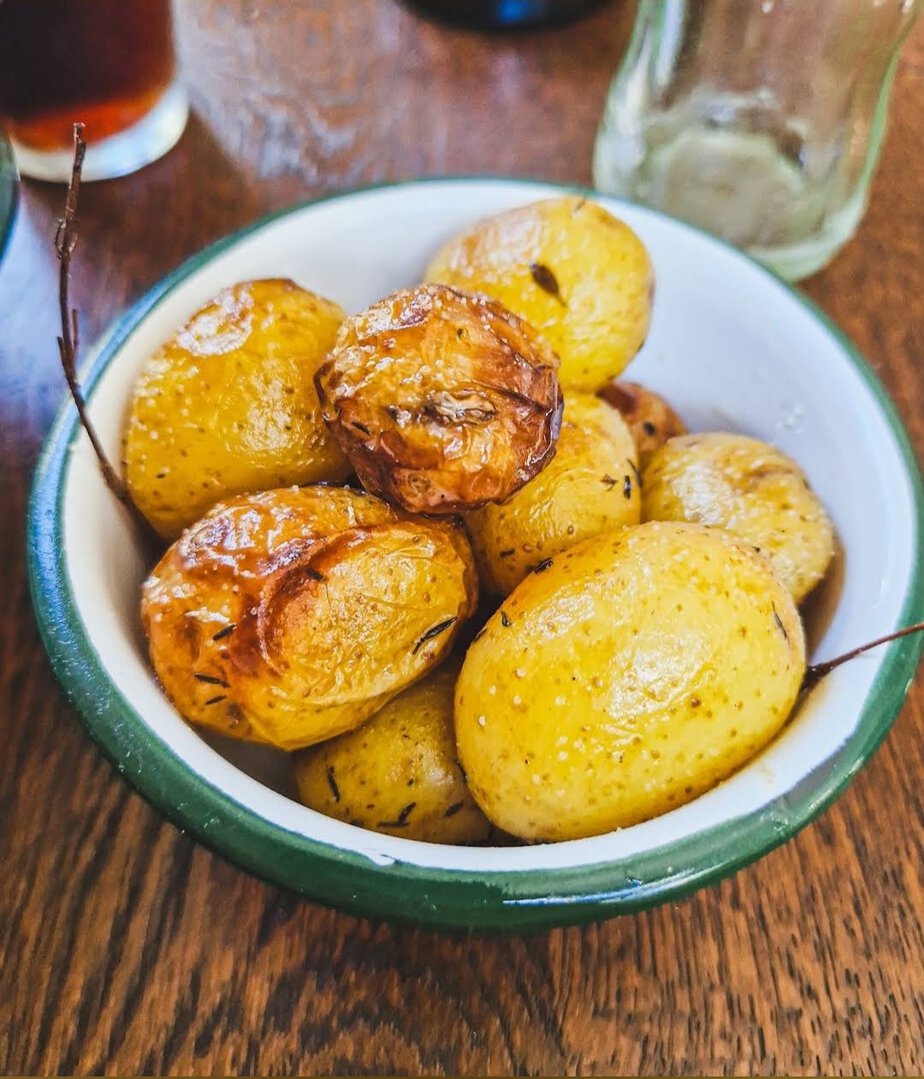
A piece of poached salt cod, still warm, steaming potatoes, a few carrots, and in the middle of the table a mortar filled with a golden sauce. Everyone digs in with a spoon right away.
The raw garlic bites first, then the olive oil rounds everything out, with just enough lemon to keep it all fresh. After that, the jar of mayonnaise in the cupboard tastes pretty bland.
What Is Aioli?
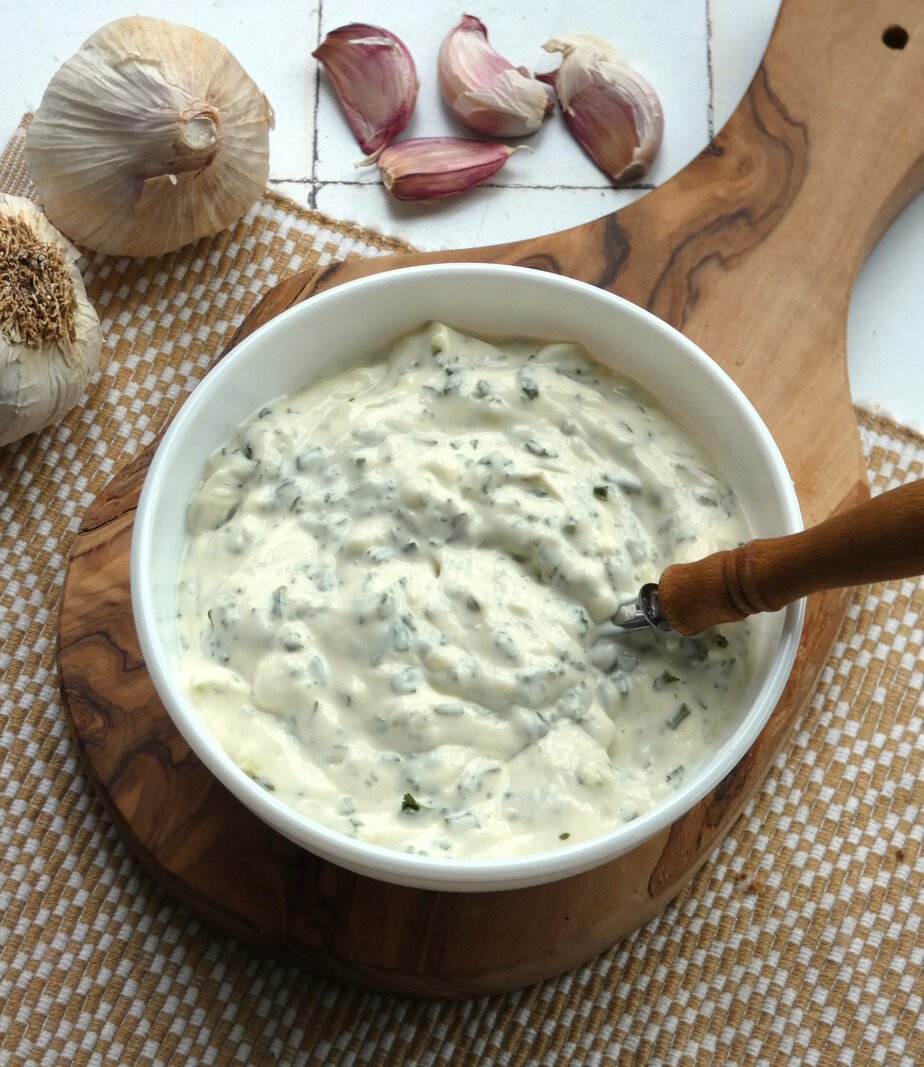
Aioli is a raw sauce from Provence: garlic pounded to a paste with salt, two egg yolks, then extra virgin olive oil worked in little by little with the pestle, plus a little lemon juice. The emulsion works the same way as a mayonnaise, except that classic mayonnaise is made with neutral oil and no garlic, whereas aioli is made only with olive oil, on a garlic base. The sauce is thicker and more fragrant than Japanese mayonnaise or sriracha mayonnaise. The pairing of garlic and citrus also shows up in French Caribbean sauce chien, which is much runnier.
The word comes from the Occitan alh, garlic, and òli, oil: the name already tells you the recipe. In Provence, people distinguish aioli, the sauce, from grand aioli, the complete meal it goes with.
On Fridays, Aioli in the Middle of the Table
In Provençal families, aioli was the dish for meatless days, especially Fridays, served with fish and vegetables. Its thick texture and golden color earned it the nickname “the butter of Provence,” in a region where olive oil takes the place of butter. In 1891, the poet Frédéric Mistral even named the newspaper he founded to defend the Provençal language L’Aiòli.
Grand aioli brings together desalted, poached salt cod, steamed vegetables (potatoes, carrots, cauliflower, green beans) and hard-boiled eggs around the mortar. The fish and vegetables come to the table warm, while the sauce stays at room temperature. Several Provençal villages still hold aioli festivals, with outdoor meals at long shared tables.
On the other side of the Pyrenees, Catalan allioli is made without egg, with just garlic, salt and olive oil. It’s worked drop by drop for many long minutes and breaks easily. The Provençal version adds egg yolks, which stabilize the emulsion and let you work in more oil.
The Main Ingredients in Aioli
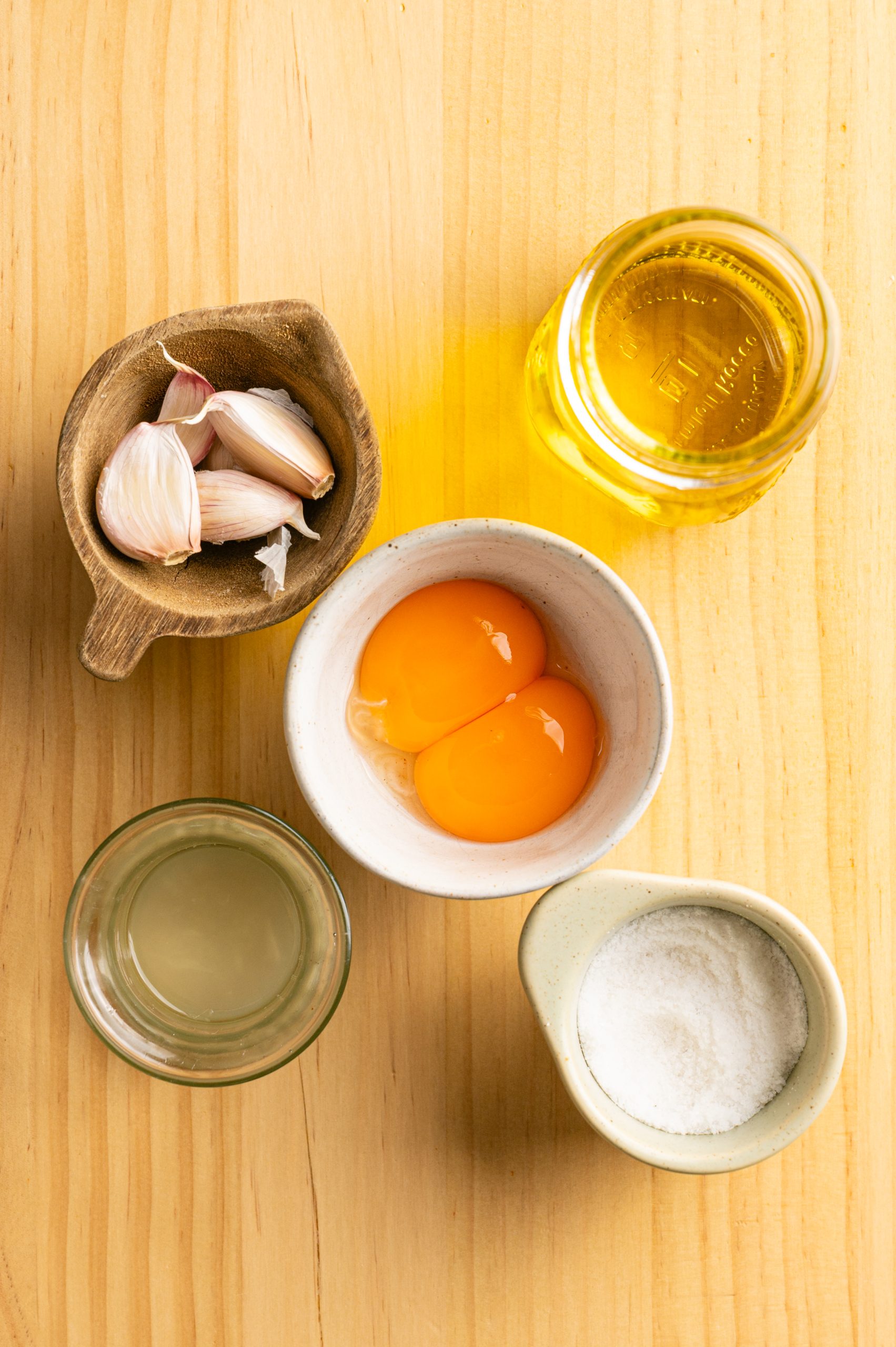
It all starts with garlic: four cloves for four people, three for a milder flavor, five for a punchy sauce. Each clove is cut in half and the germ removed, since the green sprout adds bitterness. A pinch of fine salt helps the pestle grind the garlic into a smooth paste. Raw garlic keeps all its bite, a far cry from the toasty notes of fried garlic.
The two egg yolks provide the lecithin that binds the oil to the rest of the sauce. They should be at room temperature, like the oil and garlic: a temperature difference between the ingredients is the number one reason a sauce breaks.
Extra virgin olive oil is what gives aioli its flavor. Choose a mild, fruity one, because a very pungent oil with green, grassy notes makes the sauce bitter. Fresh lemon juice, added halfway through, balances the richness of the oil. Mustard and vinegar are best left to mayonnaise.
Technique Tips for a Good Aioli
At first the oil goes in drop by drop, with the pestle turning nonstop, until the base thickens and turns opaque. Only then does it go in as a thin stream, for about 8 minutes of emulsifying in all. If the sauce breaks, start again with a room-temperature egg yolk in a clean bowl and work the broken sauce into it in a very slow stream, as if it were oil. Without a mortar, a whisk or a blender will do the job, following the same order.
What Do You Serve with Aioli?
Aioli is served at room temperature, never heated: heat breaks the emulsion. Beyond grand aioli, it goes with an air fryer fish fillet, accras de morue or air fryer breaded fish. A spoonful can also stand in for mayonnaise in eggs mimosa, for a more garlicky version.
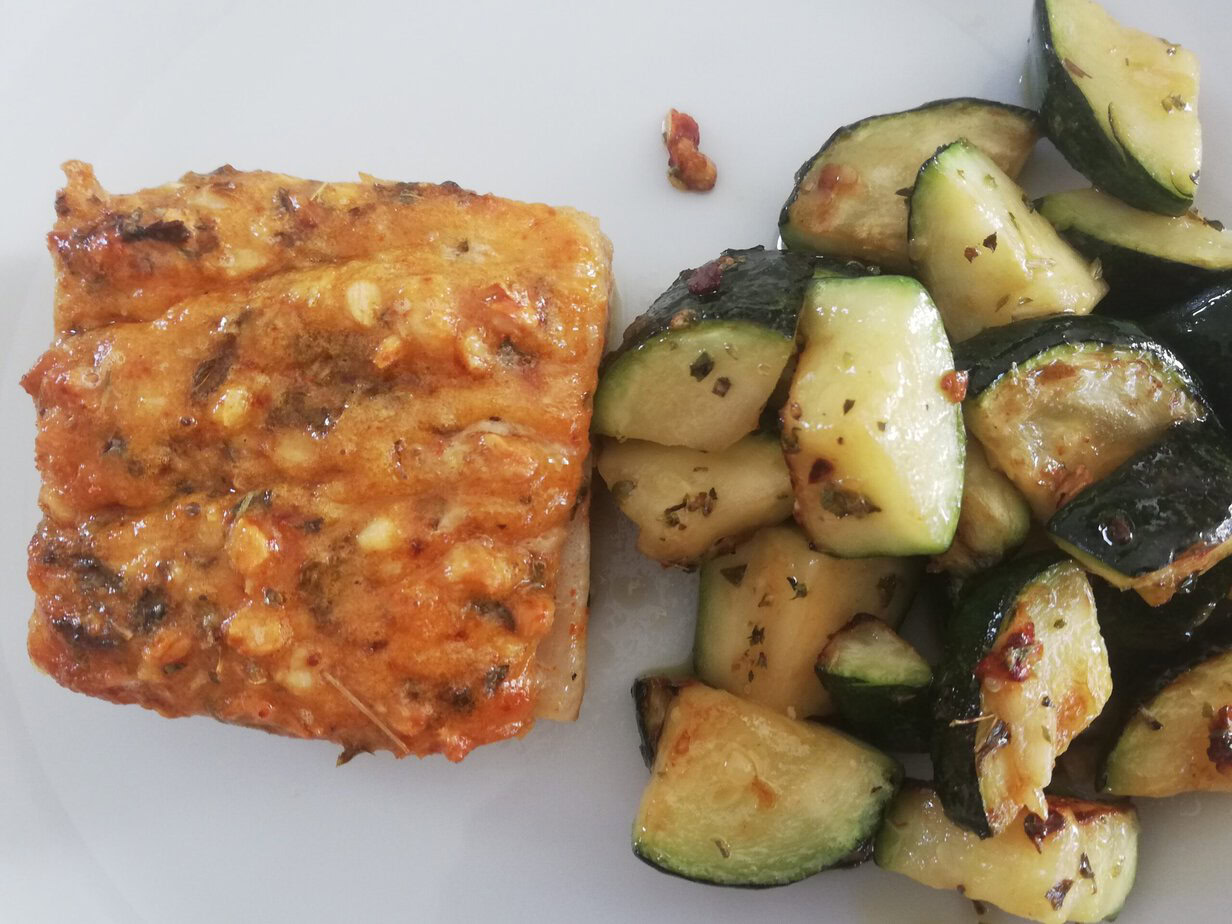
For vegetables, still-warm air fryer zucchini or air fryer eggplant work really well. Aioli keeps for 24 hours at most in the refrigerator, in a bowl covered with plastic wrap, and can’t be frozen. It’s best made the same day, no more than 3 to 4 hours ahead, and taken out of the refrigerator 20 minutes before serving.
Ingredients
Garlic Base
- 4 cloves garlic, or 3 for a milder flavor, 5 for a stronger one
- 1 pinch fine salt
- 2 egg yolks, at room temperature
Emulsifying with Olive Oil
- 200 ml extra-virgin olive oil, mild and only slightly bitter
- 1 tablespoon lemon juice fresh
Instructions
Garlic Base
- Take the olive oil, eggs and garlic out of the refrigerator at least 30 minutes before you start: a temperature difference between the ingredients is the number one reason a sauce splits.4 cloves garlic,, 2 egg yolks,, 200 ml extra-virgin olive oil,
- Peel the garlic cloves.

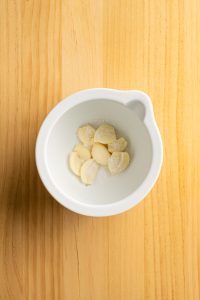
- Cut each clove in half and remove the central germ: it makes the sauce bitter.
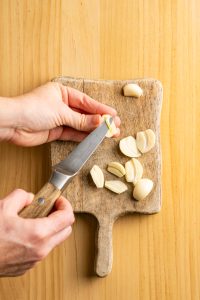
- Put the garlic and salt in the mortar.1 pinch fine salt
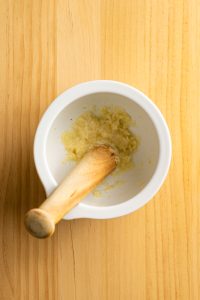
- Pound with the pestle until you have a smooth, even paste with no visible pieces.
- Add the egg yolks.
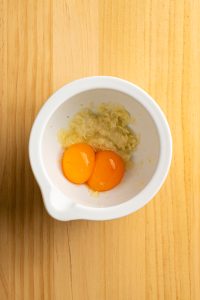
- Mix vigorously with the pestle for 2 minutes, until you have a smooth, golden base.

Emulsifying with Olive Oil
- Start by adding the olive oil drop by drop, turning the pestle without ever stopping, until the mixture thickens and turns opaque.

- Continue in a thin, steady stream, still stirring constantly: the emulsion gradually forms, and the sauce thickens and takes on a lovely golden color.
- When you are halfway through the oil, add the lemon juice to balance the sauce.1 tablespoon lemon juice

- Work in the rest of the oil in a thin stream, still stirring, for a total emulsifying time of about 8 minutes.

- Taste and adjust the salt.
- Serve at room temperature, never heated: heat breaks the emulsion.
Variation Without a Mortar
- Put the garlic (peeled, germ removed and crushed), the egg yolks and the salt in a mixing bowl.
- Whisk, or blend at medium speed, until the mixture is smooth.
- Add the oil exactly as you would in the mortar, drop by drop and then in a thin stream, whisking constantly.
- Add the lemon juice halfway through, work in the rest of the oil, then adjust the salt.