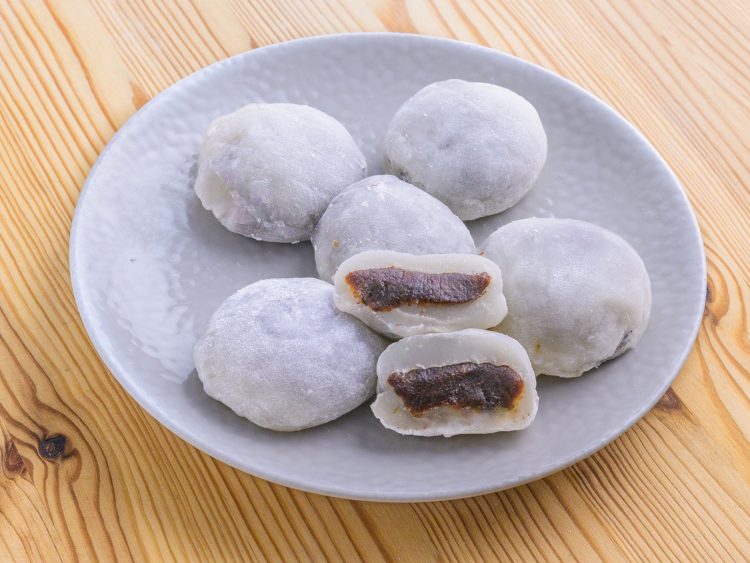
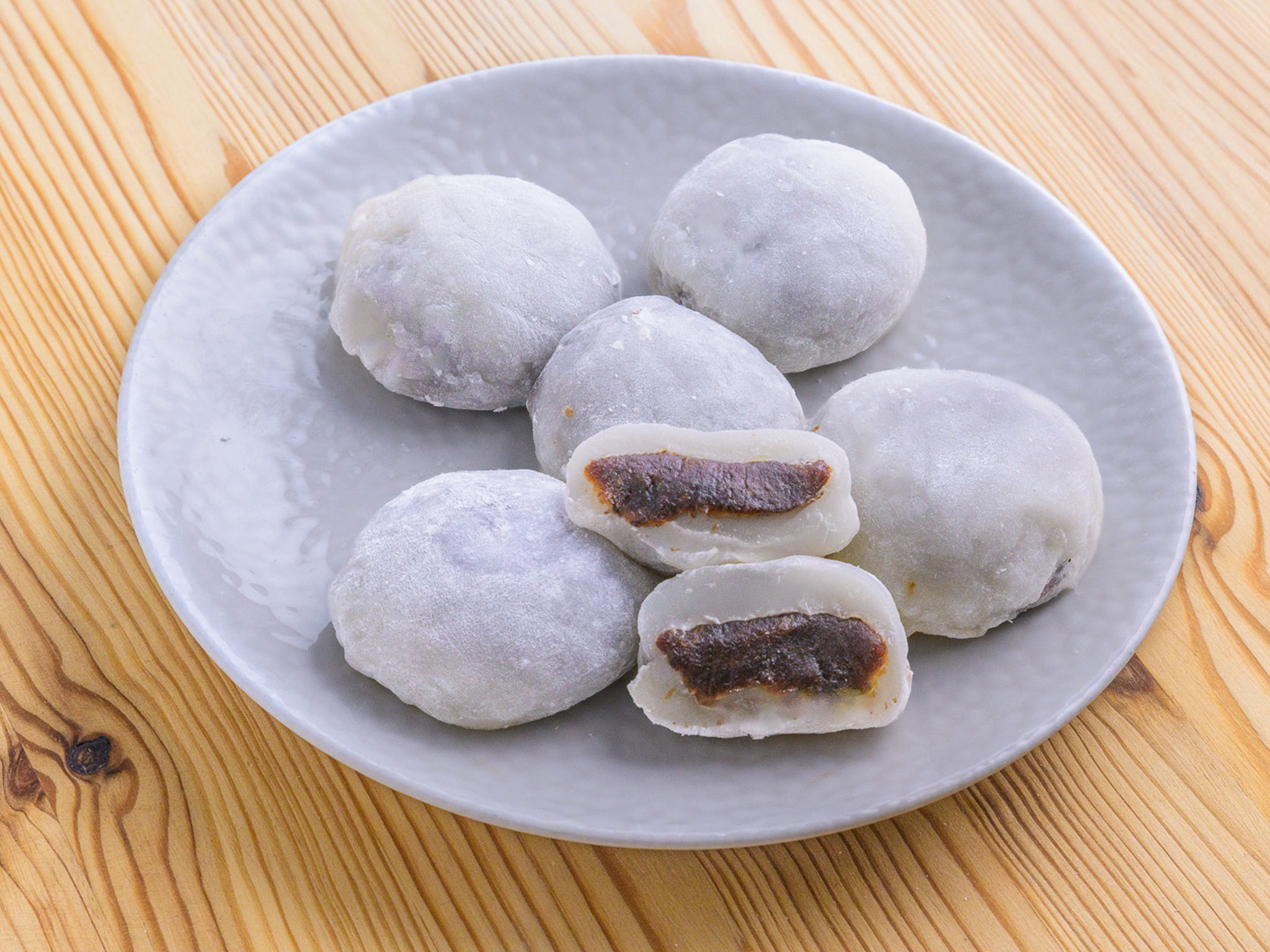
A ball of soft, powder-dusted white mochi filled with sweet red bean paste: the shiro daifuku of Japanese sweet shops, made at home.
There’s that mid-afternoon lull when you want something sweet without going as far as cake. Daifuku hits the spot: a small white ball, still dusted with starch, that yields under your fingers.
The first bite stretches, soft and tender, then you reach the red bean paste, dense and meltingly smooth. You have one just to try it, and a second follows close behind.
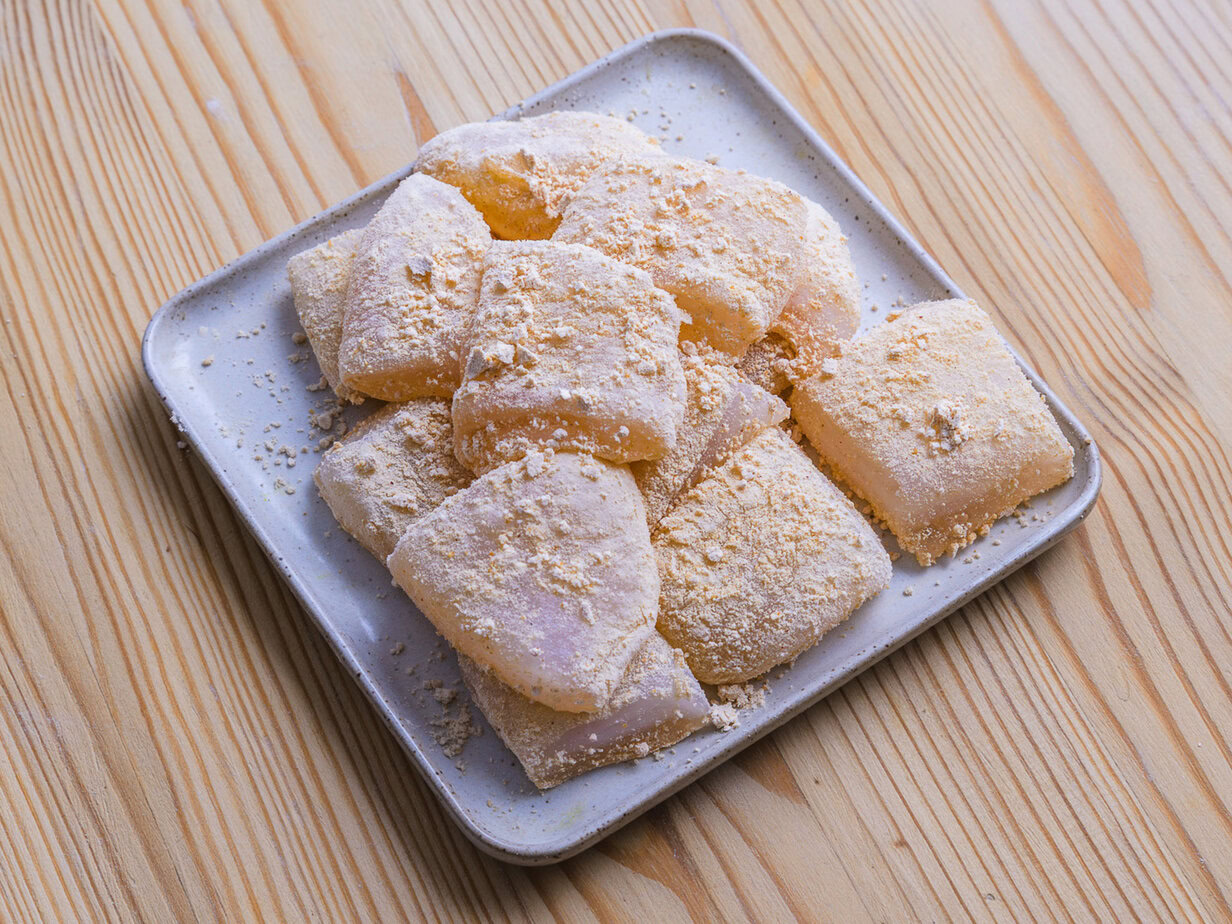
What Is Daifuku?
Daifuku is a wagashi, a traditional confection of Japanese cuisine, from the same family as mitarashi dango. It consists of a mochi shell, a soft, stretchy dough made from glutinous rice, wrapped around a filling. Shiro daifuku, or “white daifuku,” is the plain version, filled with anko, a sweet azuki bean paste. It’s eaten at room temperature, unlike mochi ice cream, which is filled with ice cream.
Daifuku is written 大福 and means “great fortune.” The name comes in several variations: ichigo daifuku hides a whole strawberry along with the anko, while mame daifuku has beans mixed into its shell.
A Sweet from the Edo Period
Daifuku became widespread during the Edo period (1603-1867) as a popular snack. Its ancestor, uzura mochi, or “quail mochi,” owed its name to its plump, oval shape. These early versions were bigger than today’s daifuku and filled with salted red beans.
Back then it was called harabuto mochi, “big belly mochi,” a snack that filled you up. As it became smaller and sweeter, it took the name daifuku, written with the characters for good fortune.
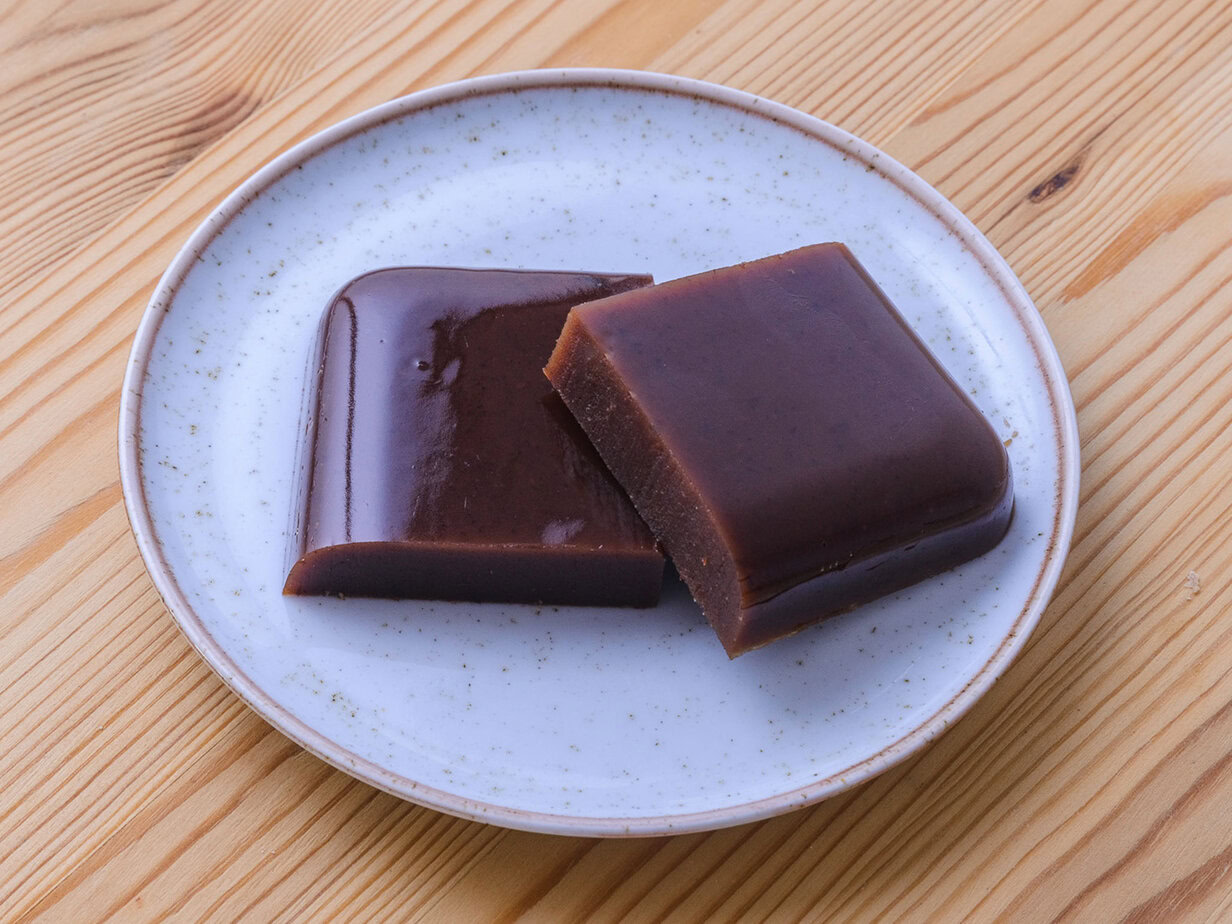
Traditional mochi is made by mochitsuki: steamed glutinous rice is pounded with a mallet in a mortar until it forms a smooth paste. At home, mochiko, a glutinous rice flour, lets you skip all that.
The Main Ingredients in Daifuku
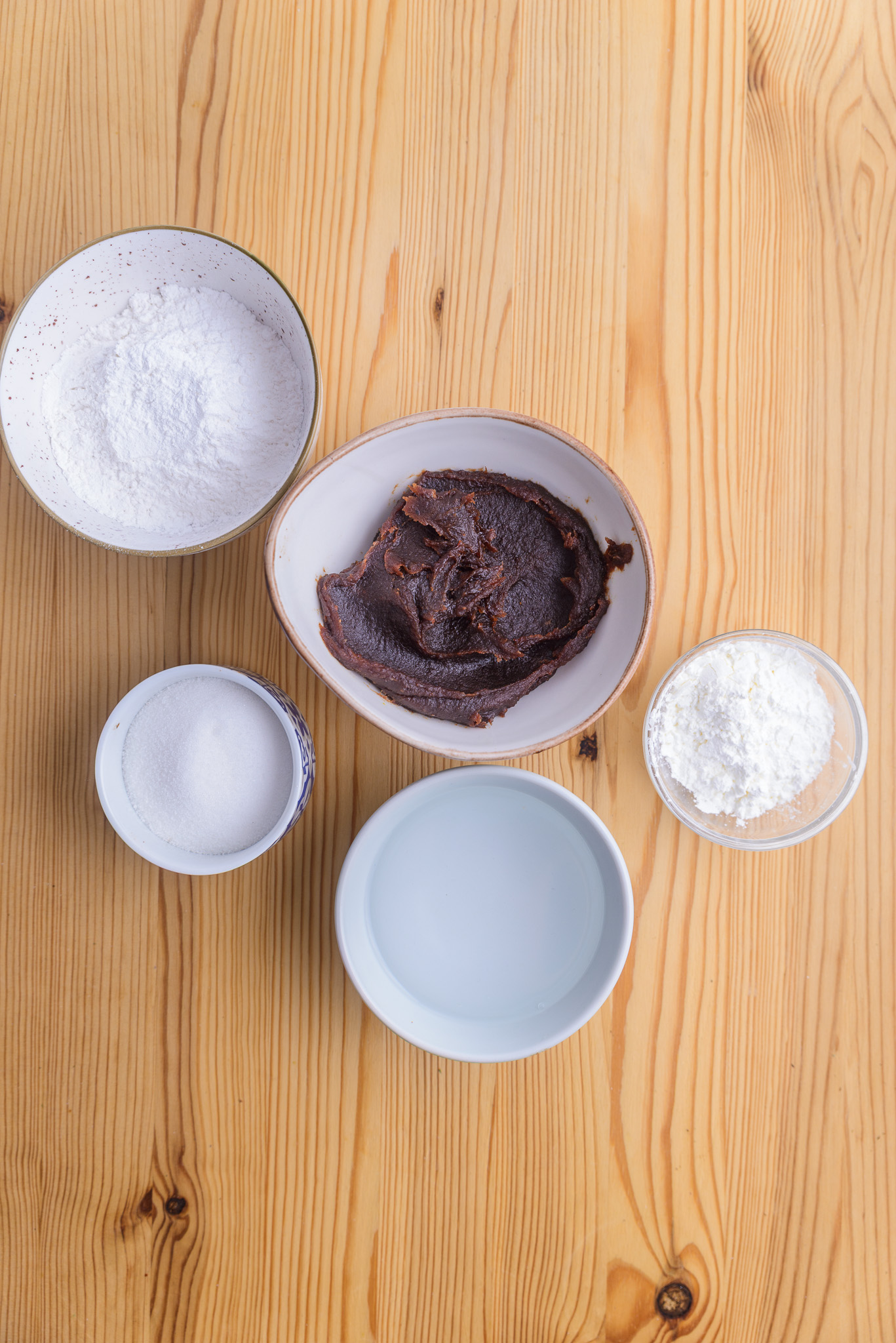
The shell takes just three ingredients: mochiko, water, and sugar. Mochiko is essential, as regular rice flour won’t give you that stretchy dough. Despite its name, glutinous rice contains no gluten: the word describes its sticky texture once cooked. You’ll find mochiko at Asian grocery stores, especially Japanese ones.
The sugar matters as much as the flour. Worked into the hot mochi in three additions, it keeps the shell soft and tender for much longer. The amount may seem generous, but cutting back makes the daifuku harden faster.
The anko for the filling can be made at home or bought at a Japanese grocery store. It’s the same paste used in dorayaki, either smooth, known as koshian, or with bits of bean, known as tsubuan. For shaping, potato starch, or katakuriko, keeps the mochi from sticking to your hands. Cornstarch works just as well in its place.
Technical Tips for Soft Daifuku
It all comes down to the saucepan. Each third of the sugar must melt completely before you add the next, over medium-low heat, without letting the dough burn. The mochi is then shaped while still hot, on a generously dusted tray, and each daifuku rests seam side down.
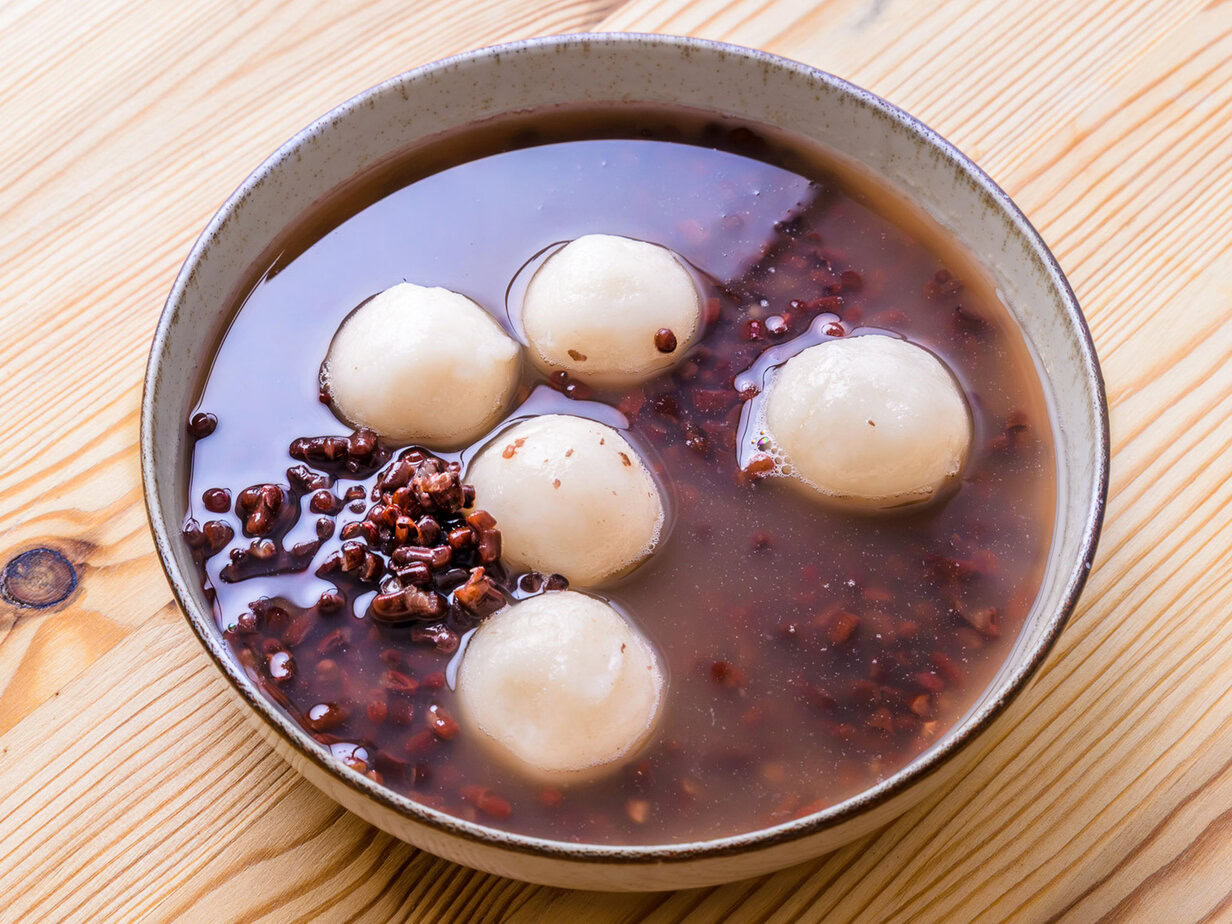
Daifuku is best eaten the same day, at room temperature, with a matcha or another green tea. In the fridge, the starch in the mochi firms up and the shell hardens. To keep them longer, wrap them individually and freeze them.
Ingredients
Filling
- 8 heaping tablespoons red bean paste sweetened (anko, about 250 g), made ahead and completely cooled
Mochi Dough
- 160 g mochiko (glutinous rice flour)
- 180 ml water, plus a little extra if the dough is too dry
- 150 g sugar, added in three batches
Shaping
- Potato starch (katakuriko), or cornstarch, for dusting generously
Instructions
Filling (Make Ahead)
- Make the red bean paste ahead of time.
- Let it cool completely.
- Shape 8 balls of red bean paste, each the size of a heaping tablespoon.8 heaping tablespoons red bean paste

- Set the balls aside on a plate.
Mochi Dough
- Put the mochiko in a glass bowl, or in another heatproof container.160 g mochiko
- Add the water.180 ml water,
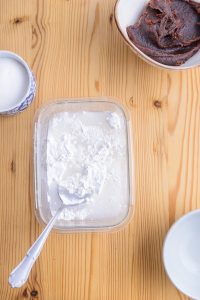
- Mix well.
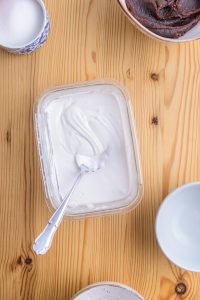
- If the dough is too dry, add a little water, one tablespoon at a time, mixing after each addition.
- Place the bowl, with the dough in it, in the basket of a steamer.
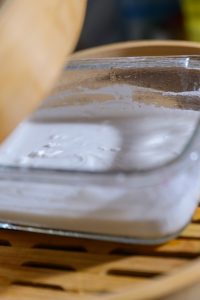
- Steam for 20 minutes.
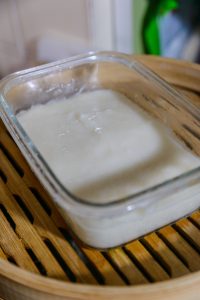
Cooking with Sugar
- Transfer the steamed mochi to a saucepan.
- Heat over medium to medium-low heat.
- Add the first third of the sugar.150 g sugar,
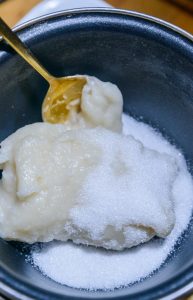
- Stir until the sugar has completely dissolved.
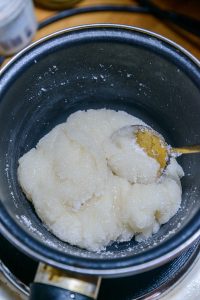
- Add the second third of the sugar.
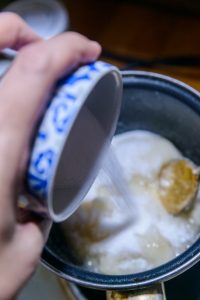
- Stir well until it has dissolved.
- Add the last third of the sugar.
- Keep cooking, stirring, until the sugar has dissolved.
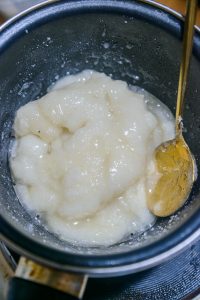
- Take your time to melt the sugar fully, without letting it burn.
Shaping
- Generously dust a baking sheet with the starch.Potato starch
- Place the hot mochi on the baking sheet.
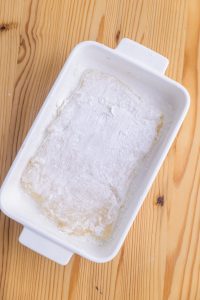
- Cut off a piece of mochi for each daifuku (8 in total).
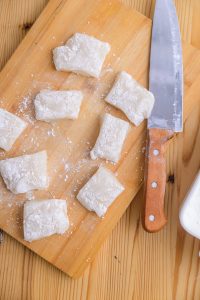
- Wrap a ball of red bean paste in the piece of mochi.
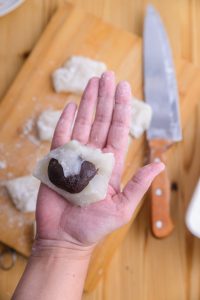
- Pinch the edges of the mochi to seal the daifuku tightly.
- Place the daifuku on the baking sheet, seam side down.
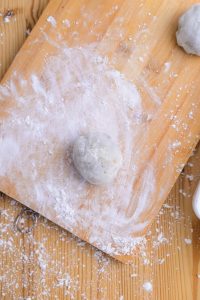
- Repeat with the remaining mochi and red bean paste balls.
- Serve the daifuku seam side down.