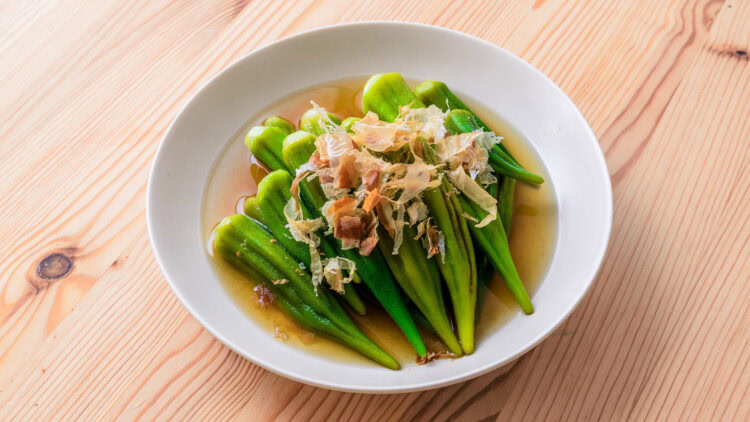
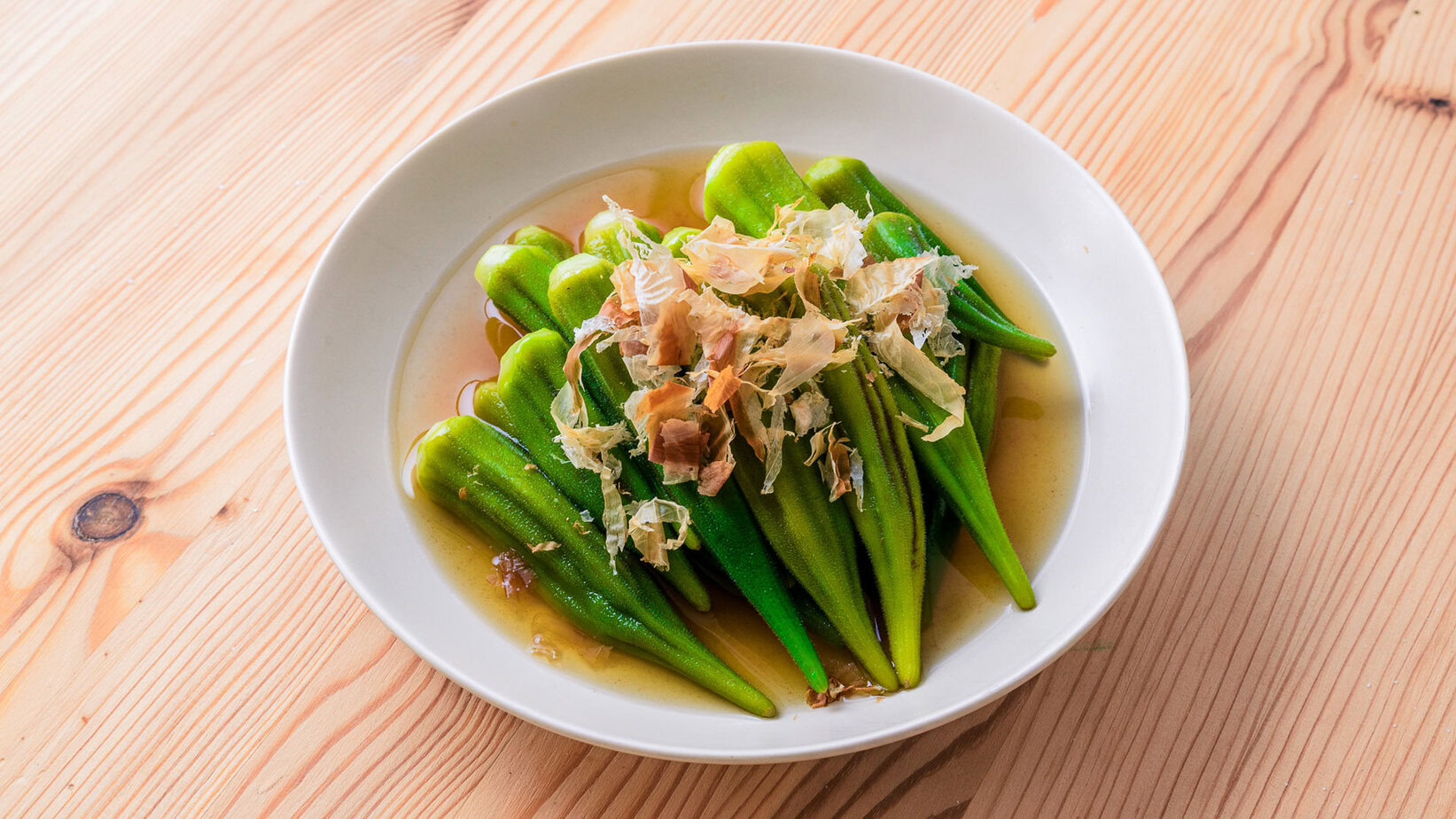
Blanched okra, chilled in a light dashi, then served with a little broth and a scattering of bonito flakes.
Summer clings to the skin, the appetite lags, and yet this little bowl of chilled okra disappears in three bites. The ice-cold dashi hits first, seasoned just enough, then the pod yields to the bite and releases its silky texture.
The bonito flakes are still quivering when the dish reaches the table. Nothing has simmered here; everything has simply soaked, and that quiet wait is what builds the flavor.
What Is Okra no Ohitashi ?
Ohitashi, written お浸し, comes from hitasu: to immerse, to soak. It is a technique before it is a dish, and its identity lies in the time the vegetables spend in the tsuke-ji, a seasoned soaking broth.
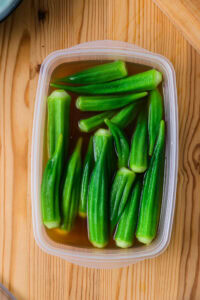
With okra, the tender pods are blanched, cooled, then immersed in dashi seasoned with usukuchi shoyu and mirin. The bowl is served very cold, with a spoonful of clear broth over the top.
After two or three hours of soaking, or a full night, umami seeps into the heart of the vegetable instead of staying on the surface. Usukuchi shoyu, paler and saltier than koikuchi, the standard Japanese soy sauce, does a better job of preserving the pods’ bright green color.
Cut on the bias or into rounds, the pods reveal a clean star shape, lifted by katsuobushi and a touch of ginger. Okra that is simply boiled and drizzled with soy sauce is still just a seasoned vegetable; here, it is the soaking that turns it into a dish.
A Modern Vegetable in an Ancient Tradition
The technique comes from the aristocratic Japanese cuisine of the Nara and Heian periods, as well as from Buddhist temple cooking: vegetables are boiled, then plunged into a seasoned broth to preserve their color and texture.
In temples, the broth was made without fish, using kombu and dried shiitake. During the Edo period, irizake and later soy sauce came to enrich the soaking liquid.
Okra, meanwhile, comes from northeastern Africa, where it was cultivated in Egypt as early as the 2nd century BC. It only reached Japan between the end of the Edo period and the start of the Meiji era, in the mid-19th century. At first, it was grown more for its hibiscus-like flowers than for its pods. Its texture and grassy aroma kept it off the plate for a long time.
That changed in the middle of the 20th century. Soldiers returning from Southeast Asia had acquired a taste for it, less fibrous varieties arrived after the war, and the salad craze of the 1960s did the rest. Cultivation spread through warm regions such as Kochi and Okinawa.
The mucilage once held against the vegetable became a selling point, and okra found its place among the dishes eaten to fend off natsubate, the exhaustion of summer.
The Main Ingredients in Okra no Ohitashi
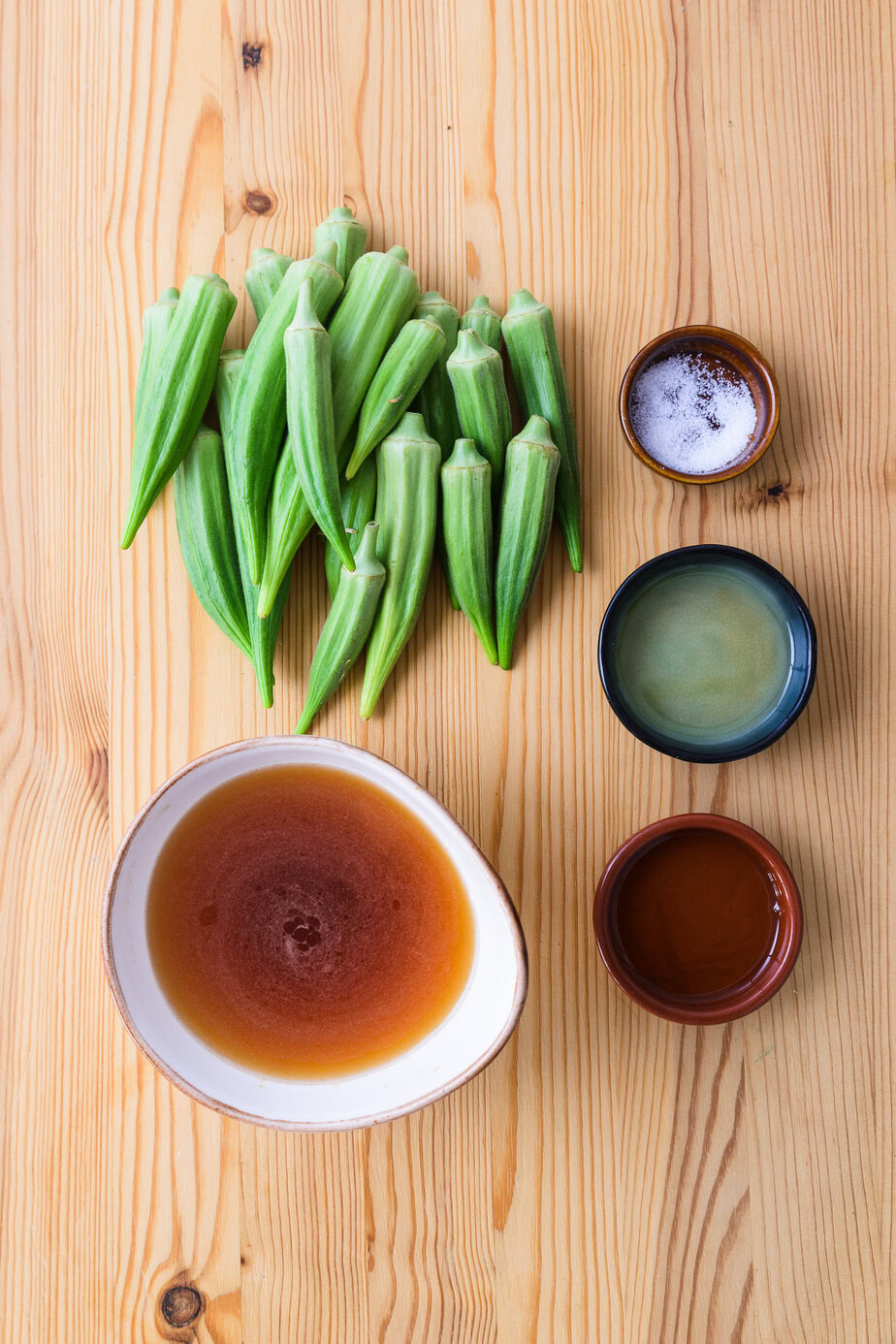
Fresh okra plays the starring role. The classic green pods, firm and pentagonal, bring crunch and that signature star-shaped cross-section. The best ones are taut, vividly colored, with a fine fuzz still visible on the skin.
Coarse sea salt comes into play before cooking. Rubbed over the pods in a technique called itazuri, it removes the tiny hairs that can prickle the tongue, helps set the chlorophyll during blanching, and begins the seasoning.
Dashi forms the base: an awase dashi made with kombu and katsuobushi brings together two sources of umami without weighing down the vegetable, while a shojin version made with kombu and dried shiitake yields a fish-free, earthier broth.
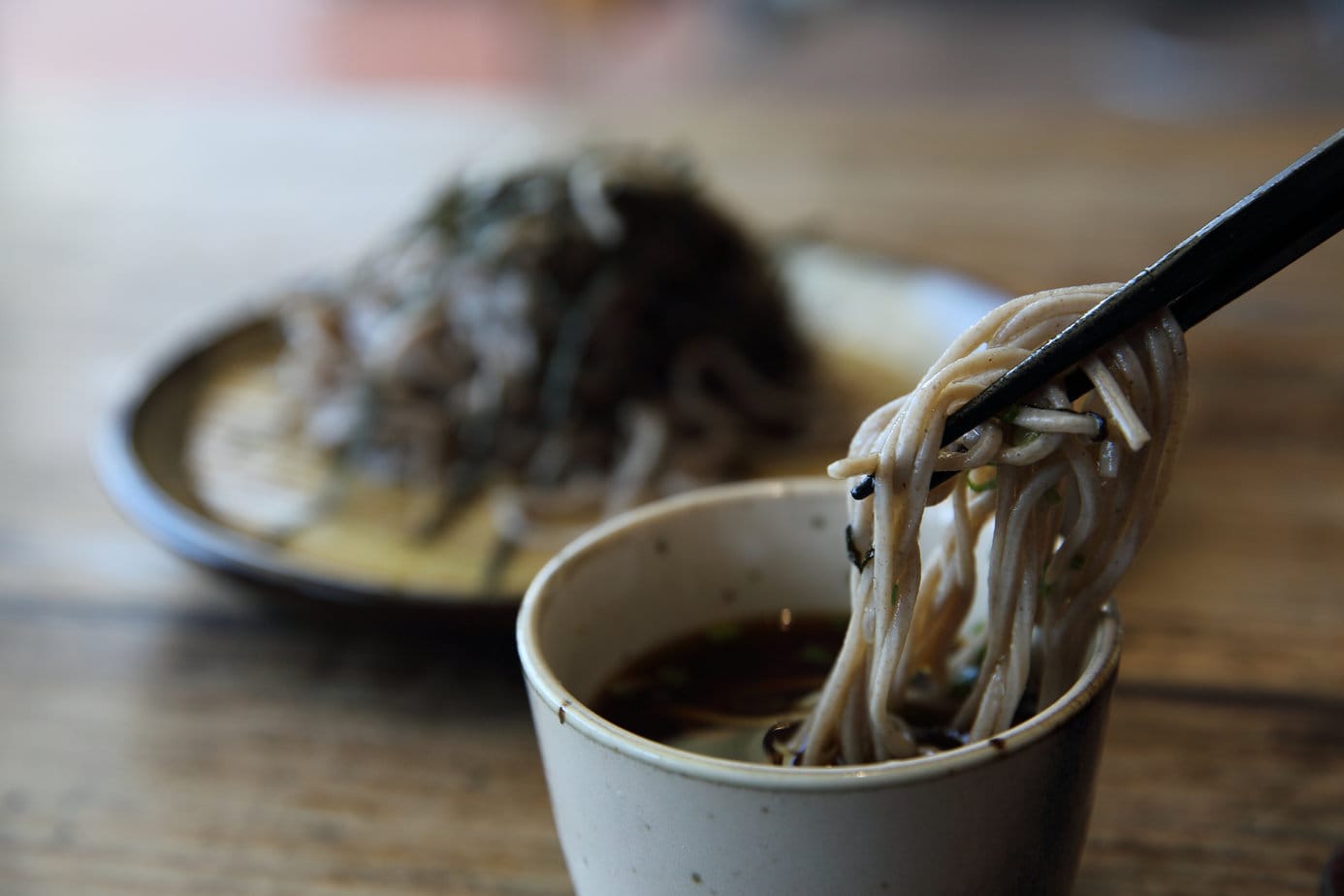
Usukuchi shoyu brings salt and soy aroma while keeping the liquid clear, while hon-mirin adds sweetness and sheen. The dashi, soy sauce, and mirin are briefly brought to a simmer, a step called nikiri, to cook off the alcohol before cooling.
Ingredients
- 20 okra pods about 200 g
Marinade
For the itazuri salt rub
- 1 teaspoon salt
Instructions
Make the marinade
- In a small saucepan, combine the dashi, sake, mirin, and salt.200 ml dashi, 1 tablespoon sake, 1 tablespoon mirin, 0.5 teaspoon salt
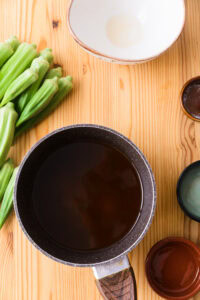
- Bring to a gentle boil over medium heat, then remove from the heat and let cool.
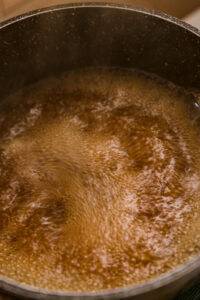
- Once the marinade is cool, stir in the yuzu-kosho.0.5 teaspoon yuzu-kosho
Prepare the okra
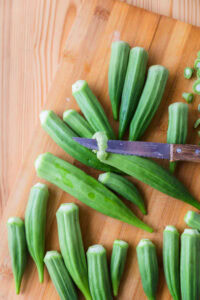
- Trim the okra by cutting off the stem ends, then use a knife to pare away the tough collar around the base (gaku).20 okra pods
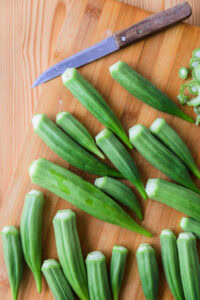
- On a cutting board, rub the okra with the salt reserved for the itazuri to remove the fuzz and smooth the surface.1 teaspoon salt
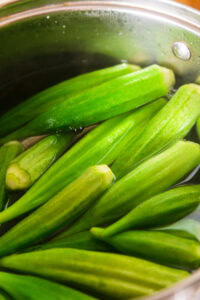
- Blanch the okra for 1 minute in boiling water, until bright green, then immediately plunge it into cold water to stop the cooking. Pat dry thoroughly.
Marinate
- Pour the marinade into a jar or airtight container. Add the okra and make sure it is submerged, then refrigerate for at least 1 hour before serving.
Notes
- For a milder marinade, leave out the yuzu-kosho.
- Chilling time (at least 1 hour) is not included in the total time.