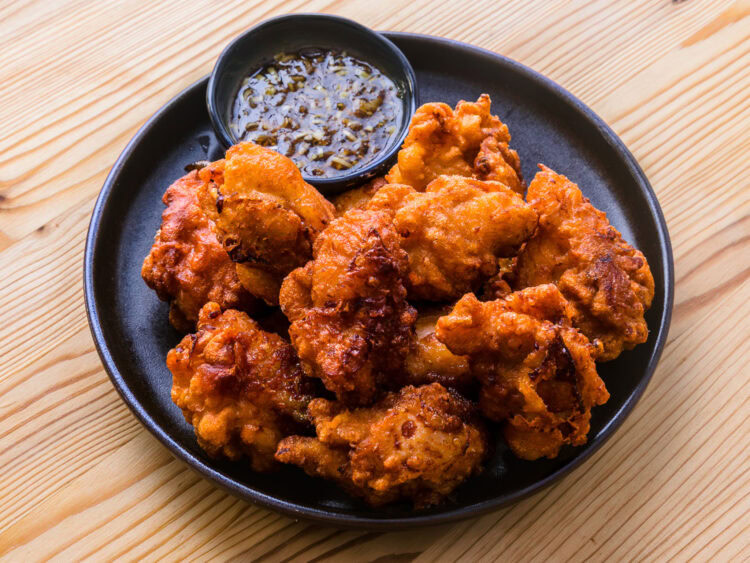
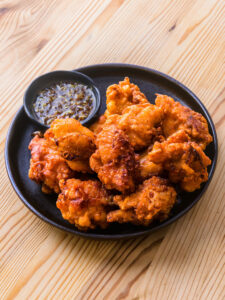
Hokkaido fried chicken : chicken thighs marinated in soy, ginger and garlic, coated with egg, flour and potato starch, then fried twice.
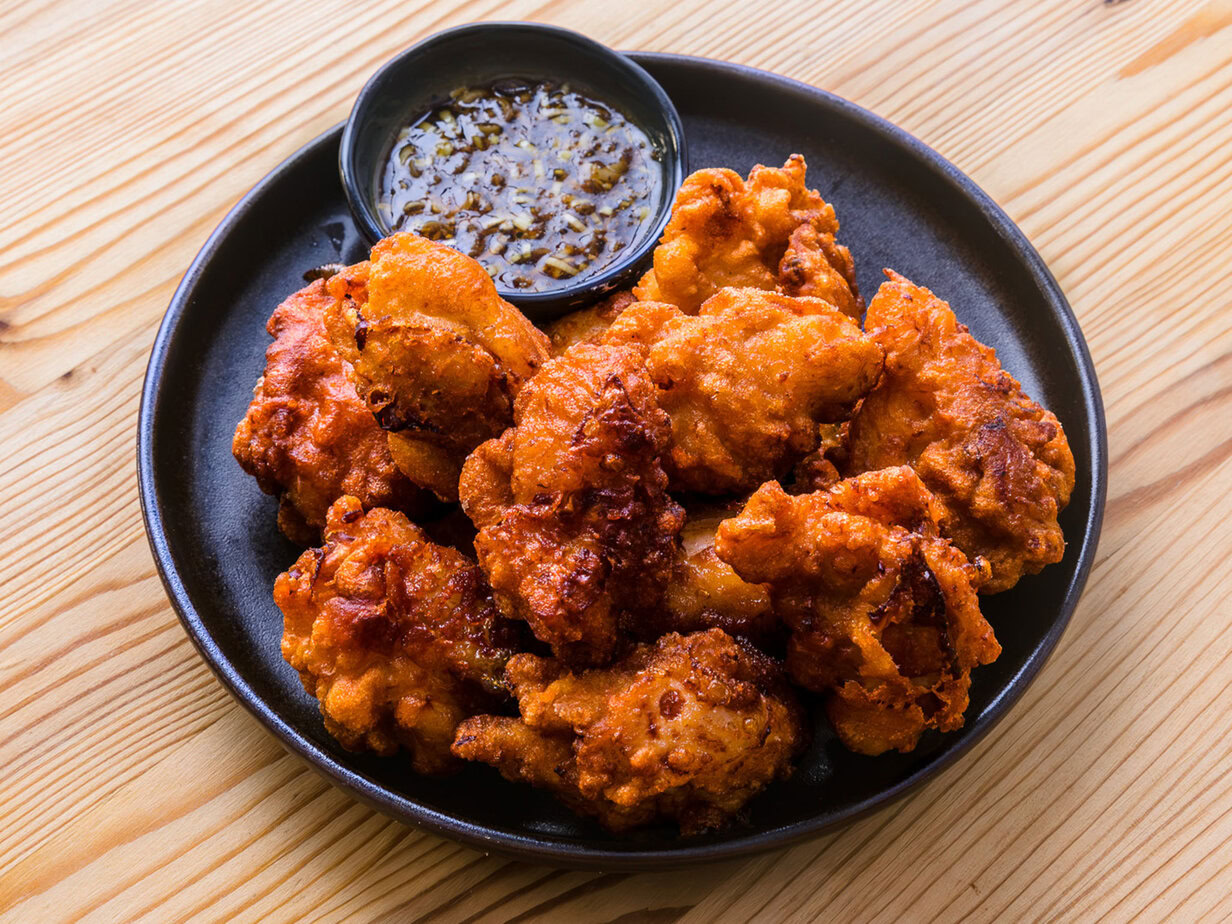
You step out of an izakaya with the smell of fried ginger on your fingers and the urge to go back the very next day. Zangi captures that moment: a brown, craggy crust that crackles loudly, a rush of soy sauce and garlic rising all at once, and underneath, a thigh still brimming with juices.
At first glance, it looks like karaage. One bite is enough to understand that Hokkaido has its own take on fried chicken.
What is zangi ?
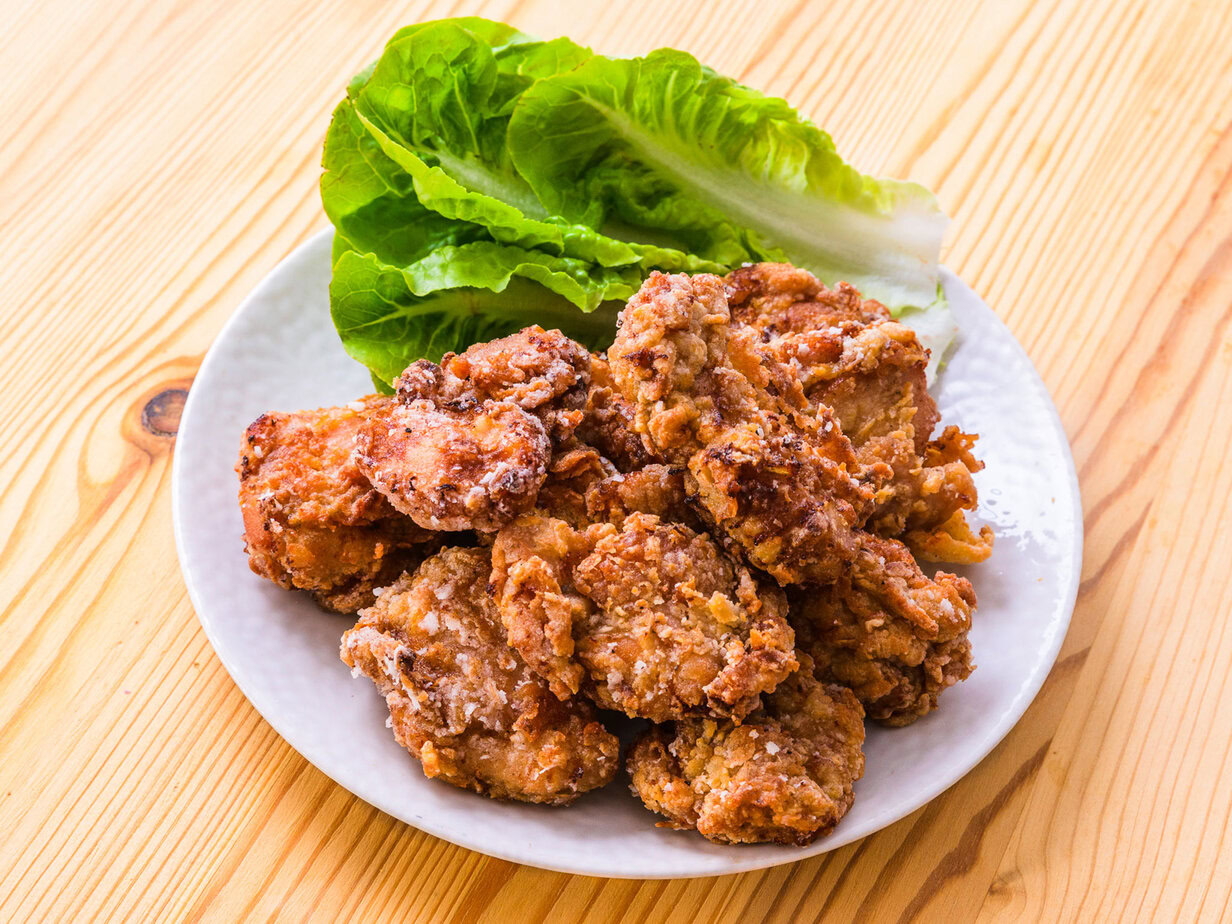
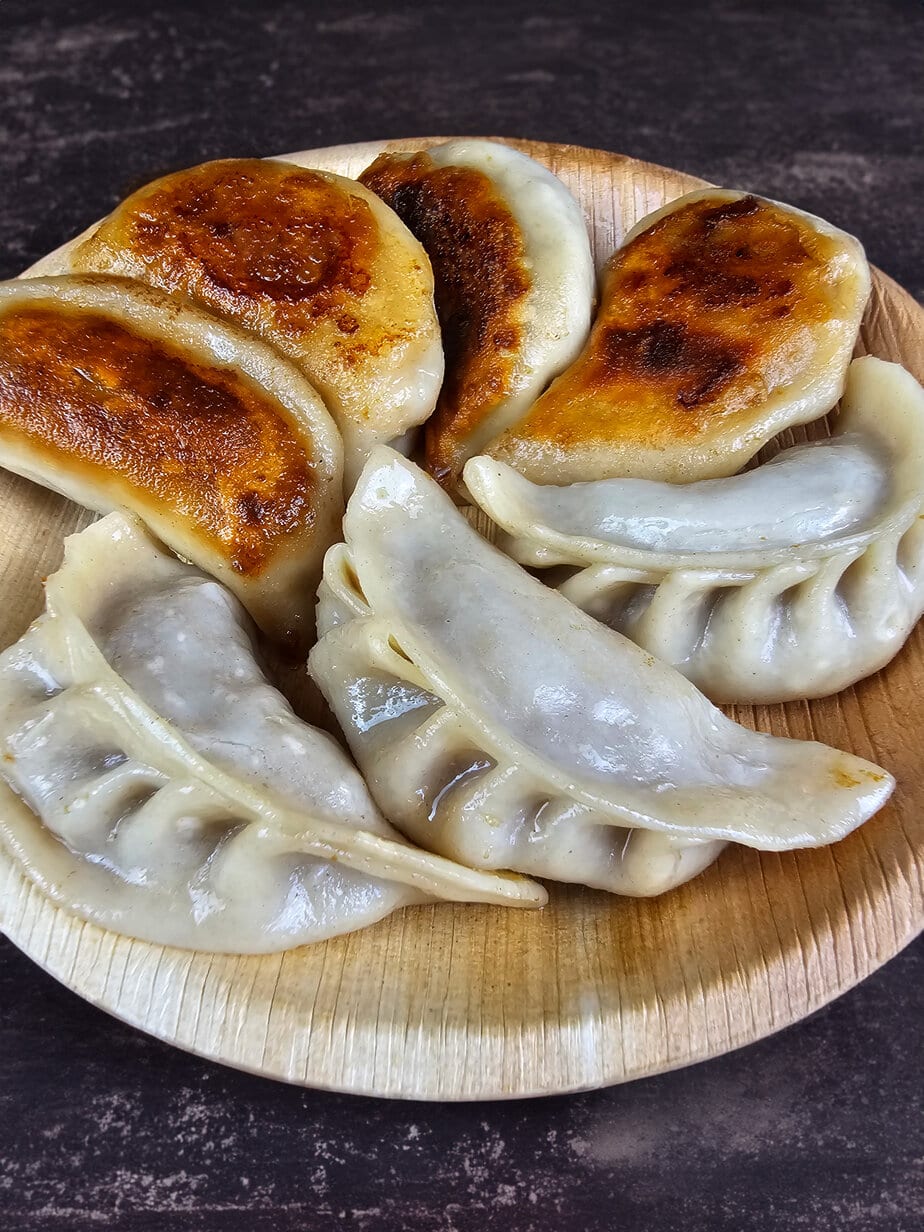
Zangi is Hokkaido’s fried chicken. It starts with boneless, skin-on chicken thighs, cut into large pieces and marinated in a dark mixture of soy sauce, grated ginger, garlic and sake, with a little mirin or sugar.
A beaten egg often goes straight into the seasoned chicken, before the wheat flour and potato starch: the coating turns sticky, then fries up into a thick, irregular crust. Most cooks rely on a double fry: the first cooks the chicken through, the second, at a higher heat, darkens the crust and crisps it up.
The name comes from Chinese expressions referring to fried chicken, zha ji (炸鶏) or zha zi ji (炸子鶏). The explanation most often cited credits the owner of Torimatsu, a yakitori spot in Kushiro, who is said to have added an “n” (ん), echoing un, or luck, as a wish for prosperity for his business.
On the island, the word refers as much to the method as to the chicken: octopus, salmon, whelk and other local ingredients all go through the same soy-ginger-garlic trio.
Born in the izakayas of Kushiro
The story begins in postwar Hokkaido, when cheap broiler chicken became easy to find and cooks started moving beyond traditional yakitori. Around 1960, in Kushiro’s Suehiro district, Torimatsu began cutting up whole chickens, bones and all, and frying the pieces.
The cheapest bird at the market became a hearty dish for drinkers, workers and families alike.
That first zangi was nothing like today’s deeply marinated version. The chicken was simply salted and peppered, dusted with a thin layer of potato starch, fried, then served with a dipping sauce dominated by Worcestershire sauce, livened up with black pepper, spices and oyster sauce. That sauce-first approach remains Kushiro’s signature.
As it spread to Sapporo and across the rest of the island, zangi adapted to home kitchens and bentos: bones gave way to boneless chicken thighs, and the dipping sauce found its way into the marinade.
In 1980, Kushiro gave rise to another variation at the restaurant Nanbantei: zantare, a generous portion of zangi draped in a punchy tare of soy sauce, vinegar and sugar, whose acidity cuts through the richness. It even earned the local team a Silver Grand Prix at the 2015 B-1 Grand Prix.
The key ingredients in zangi
Boneless, skin-on chicken thighs are the foundation. The fat and collagen keep the meat juicy, while the skin adds flavor and twists as it fries, creating those craggy edges.
The beaten egg helps the coating cling and locks moisture against the meat. Wheat flour gives the crust structure and helps it brown, while potato starch delivers the irregular crispness that stays crunchy longer.
The marinade starts with soy sauce, salty and packed with umami, loosened with cooking sake, which mellows the chicken and carries the aromatics into the meat. Mirin or sugar rounds out the saltiness and deepens the color to a dark brown. Fresh grated ginger and garlic bring the aroma, white or black pepper stands up to the coating, and a dash of sesame oil adds the toasted note of family recipes.
Menmi is Hokkaido’s signature touch. This five-times-concentrated tsuyu from Kikkoman, sold only on the island, brings the depth of five different dashi to the marinade: scallop, bonito, mackerel, sardine and kombu.
Elsewhere, a three-times-concentrated mentsuyu with a splash of dark soy sauce works just fine. Then there’s the finishing sauce, which changes everything depending on the city: Worcestershire in Kushiro, or a tare of soy sauce, vinegar and sugar for zantare.
Ingredients
- 500 g boneless chicken thighs skin-on
Brine
- 600 mL water
- 6 g salt for the brine
Marinade and coating
- 2 teaspoons light soy sauce
- 2 teaspoons sake
- 1 teaspoon Shaoxing wine substitute regular sake if needed
- 0.5 teaspoon salt
- 0.5 teaspoon MSG flavor enhancer
- 0.5 teaspoon white pepper ground
- 1 teaspoon sugar
- 1 teaspoon ginger grated
- 1 egg
- 1 teaspoon flour
- 75 g potato starch plus extra if needed before frying
- 1 teaspoon sesame oil
- 1 teaspoon neutral oil
- frying oil as needed
Zangi Sauce (for about 20 pieces)
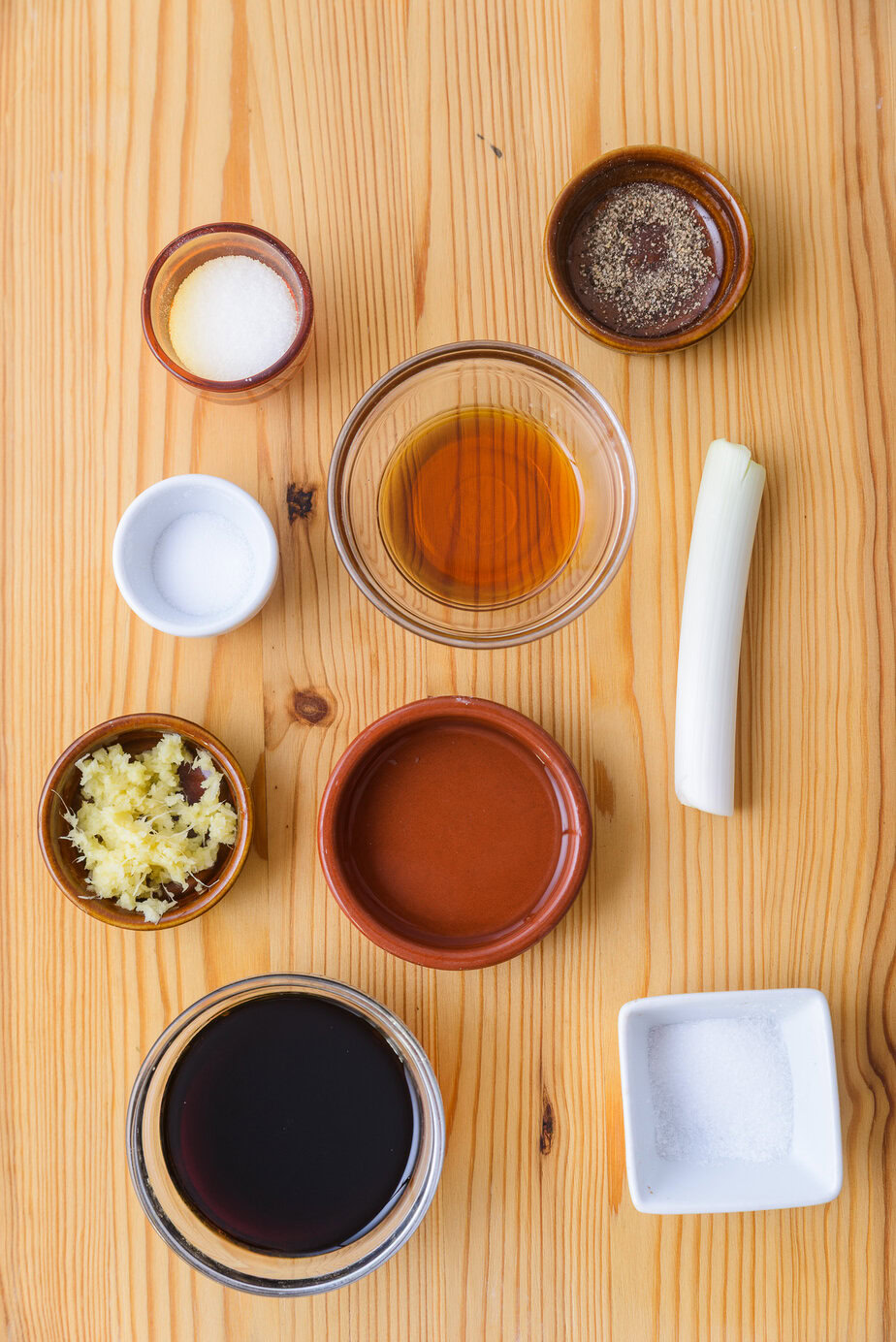
- 40 g Japanese leek or regular leek
- 7 tablespoons rice vinegar
- 3 tablespoons light soy sauce
- 3 tablespoons sugar
- 1.5 teaspoons ginger grated
- 1 teaspoon sesame oil
- 1 pinch salt
- 1 pinch MSG flavor enhancer
- 1 pinch black pepper
Instructions
Brine and marinade
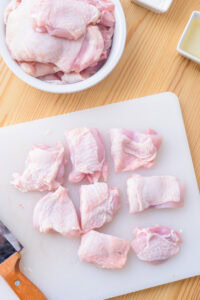
- Cut the chicken thighs into 8 pieces.500 g boneless chicken thighs
- Mix the water and brining salt in a bowl.600 mL water, 6 g salt

- Submerge the chicken in the brine for 10 minutes, then drain and pat dry.
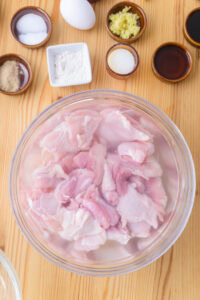
- Add the soy sauce, sake, and Shaoxing wine, then massage them into the chicken to coat evenly.2 teaspoons light soy sauce, 2 teaspoons sake, 1 teaspoon Shaoxing wine
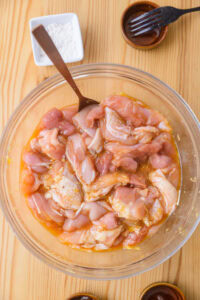
- Add the salt, MSG, sugar, and white pepper, then massage again.0.5 teaspoon salt, 0.5 teaspoon MSG, 1 teaspoon sugar, 0.5 teaspoon white pepper
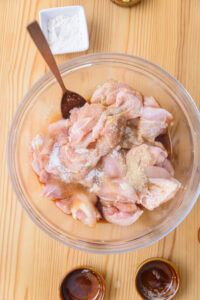
- Add the egg and grated ginger, then massage until fully absorbed.1 egg, 1 teaspoon ginger
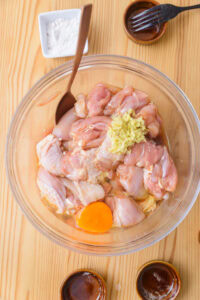
- Add the flour and potato starch, then massage until every piece is evenly coated.1 teaspoon flour, 75 g potato starch

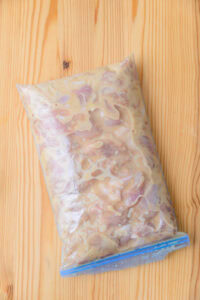
- Add the sesame oil and neutral oil, then massage one last time. Transfer to a bag and refrigerate overnight.1 teaspoon sesame oil, 1 teaspoon neutral oil
Frying
- Take out the chicken. If any liquid has collected, add a little more starch to coat it again.
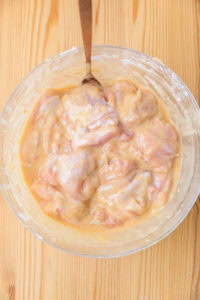
- Heat the frying oil to 160-170 °C. Open up the pieces and stretch the skin without tearing it, then lower the chicken into the oil.frying oil
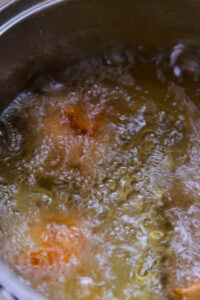
- Fry for about 1 minute 30 seconds, removing the pieces as soon as they turn golden. Let them rest on a rack for 30 seconds to 1 minute.
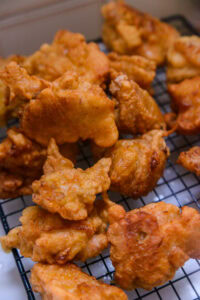
- Increase the heat and bring the oil to 180 °C. Return the chicken to the oil and fry for about 3 minutes. Drain and serve immediately with the zangi sauce.
Zangi sauce
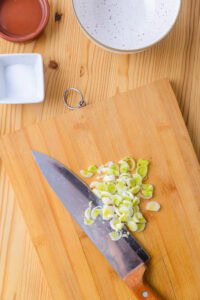
- Thinly slice the leek, then mix it with the rice vinegar, soy sauce, sugar, salt, black pepper, MSG, sesame oil, and grated ginger.40 g Japanese leek, 7 tablespoons rice vinegar, 3 tablespoons light soy sauce, 3 tablespoons sugar, 1 pinch salt, 1 pinch black pepper, 1 pinch MSG, 1 teaspoon sesame oil, 1.5 teaspoons ginger
Notes
- The pieces may look large at first, but they shrink noticeably during frying.
- Adding the ginger peel and the green tops of the leeks to the salted water lightly perfumes the meat and softens any strong aromas.
- Temperature cue for the first fry: small bubbles should form at the tips of chopsticks dipped into the oil.
- Spreading the pieces out and stretching the skin before lowering them into the oil shortens the cooking time and makes the skin even crispier.
- You can substitute regular sake for Shaoxing wine.