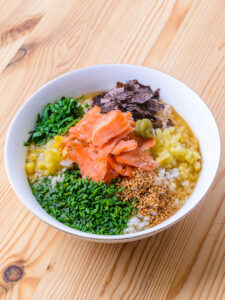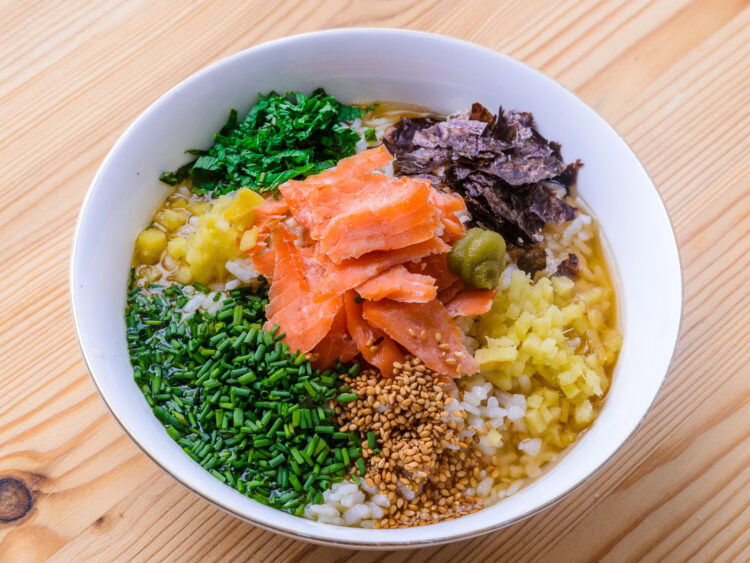
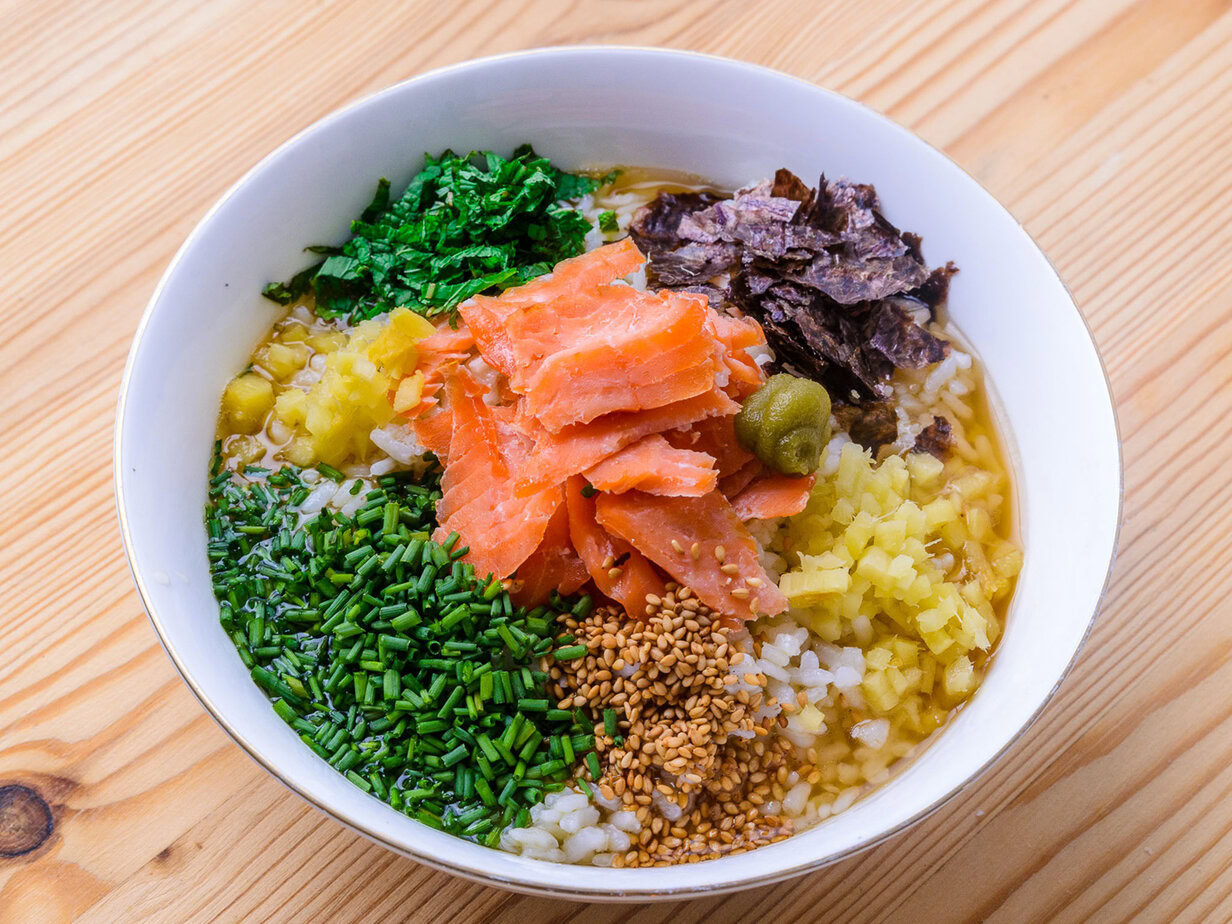
An ultra-refreshing cold ochazuke: rinsed rice, flaked salmon, fresh aromatics, and ice-cold genmaicha dashi poured over at the last moment.
The air is heavy, nobody is really hungry, and yet a bowl of rice flooded with iced dashi disappears in minutes. Rei ochazuke plays on a contrast of temperatures : very cold, distinct grains, a liquid so chilled it almost stings, and on top, salted salmon, ginger, shiso, and a touch of wasabi.
Each bite brings a hit of salt and brine, immediately softened by the broth. It’s the kind of bowl you throw together without thinking and finish before you’ve even set your chopsticks down.
What is rei ochazuke?
Rei ochazuke is the cold version of ochazuke, a bowl of rice bathed in tea or another light liquid. It is also called hiyashi chazuke. The liquid can be plain water, cold-brewed green tea, or chilled dashi when you want more umami.
The cooked rice is rinsed under cold water before serving, and that step is what gives you distinct grains and a clear broth. The toppings need to stay assertive, shiozake, umeboshi, nori, sesame, wasabi, because the cold and the dilution mute everything else.
The word ocha suggests that tea is mandatory. Yet water came long before tea, and in Yamagata the same dish is still eaten under the name mizumama, rice simply doused with cold water.
From the palace icehouse to the summers of Yamagata
The dish’s ancestor is called mizumeshi, rice doused with cold water in summer, with its winter counterpart, yuzuke, revived with hot water. In the Heian period, cooked rice hardened in wooden tubs and water made it edible again: The Tale of Genji places a bowl of it in a summer scene, with ice taken from the palace icehouse.
Collections of anecdotes from the 13th century recount that this diet was recommended to the courtier Sanjō Chūnagon to help him lose weight, and that he ate so much of it that he ended up gaining weight.
Tea came later. Around the middle of the Edo period, sencha and bancha had become affordable, and chazukeya served quick bowls to workers and people in a hurry, alongside soba and the earliest sushi.
Pickled vegetables, umeboshi, and salted fish became standard toppings because they were inexpensive, kept well, and could stand up to a bowl of rice flooded with liquid.
Yamagata gave the dish its most practical form. The city, set in a basin swept by the foehn, held Japan’s heat record at 40.8 °C from 1933 to 2007, and people there vigorously rinsed day-old rice before pouring ice-cold water over it, sometimes with ice cubes.
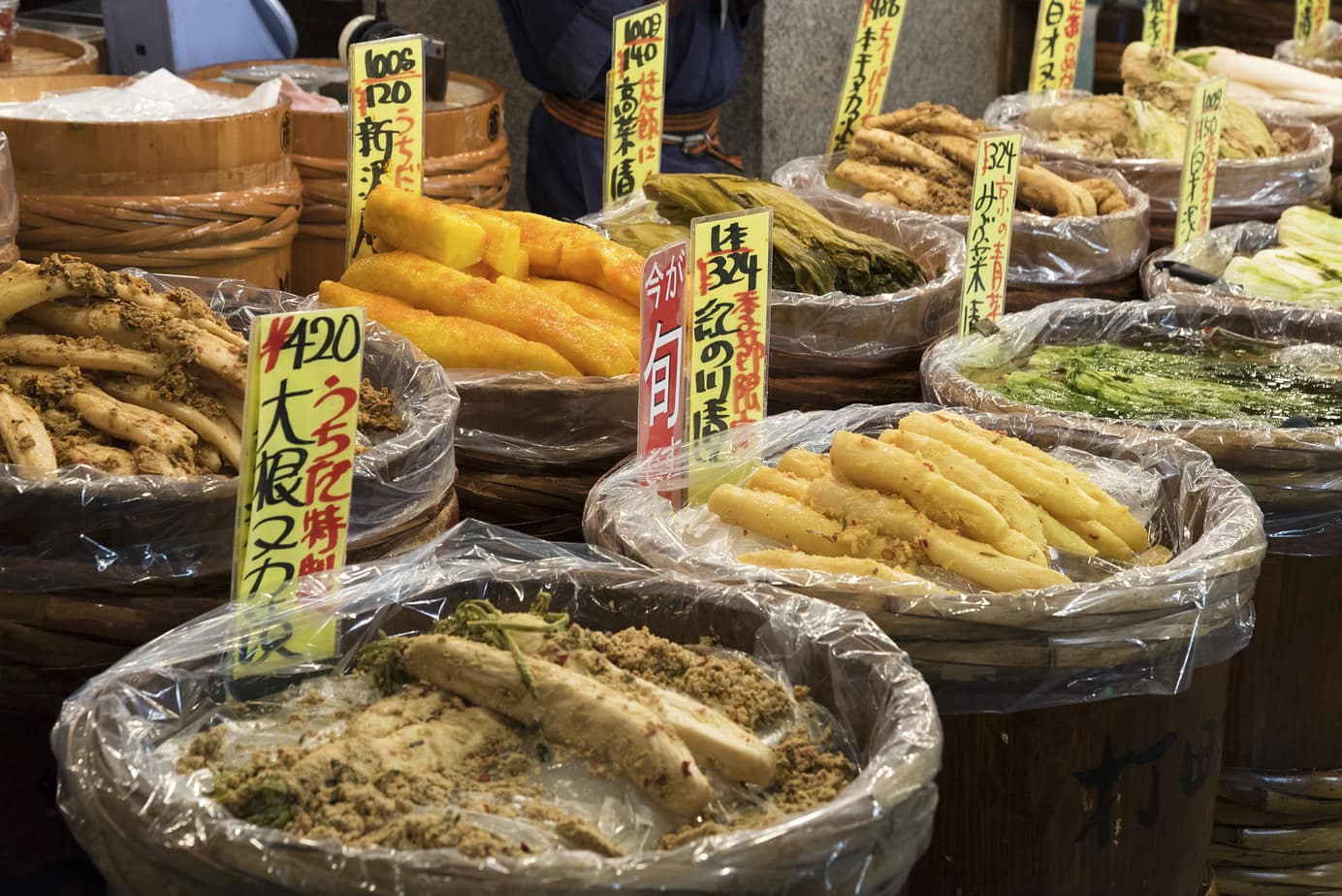
It was eaten with shiozake, raw miso, fermented vegetables, or Yamagata dashi, that summery mince of cucumber, eggplant, myōga, and shiso. That is where today’s essentials come from: distinct grains, genuinely cold liquid, and toppings salty enough to stand up to dilution.
The main ingredients of rei ochazuke
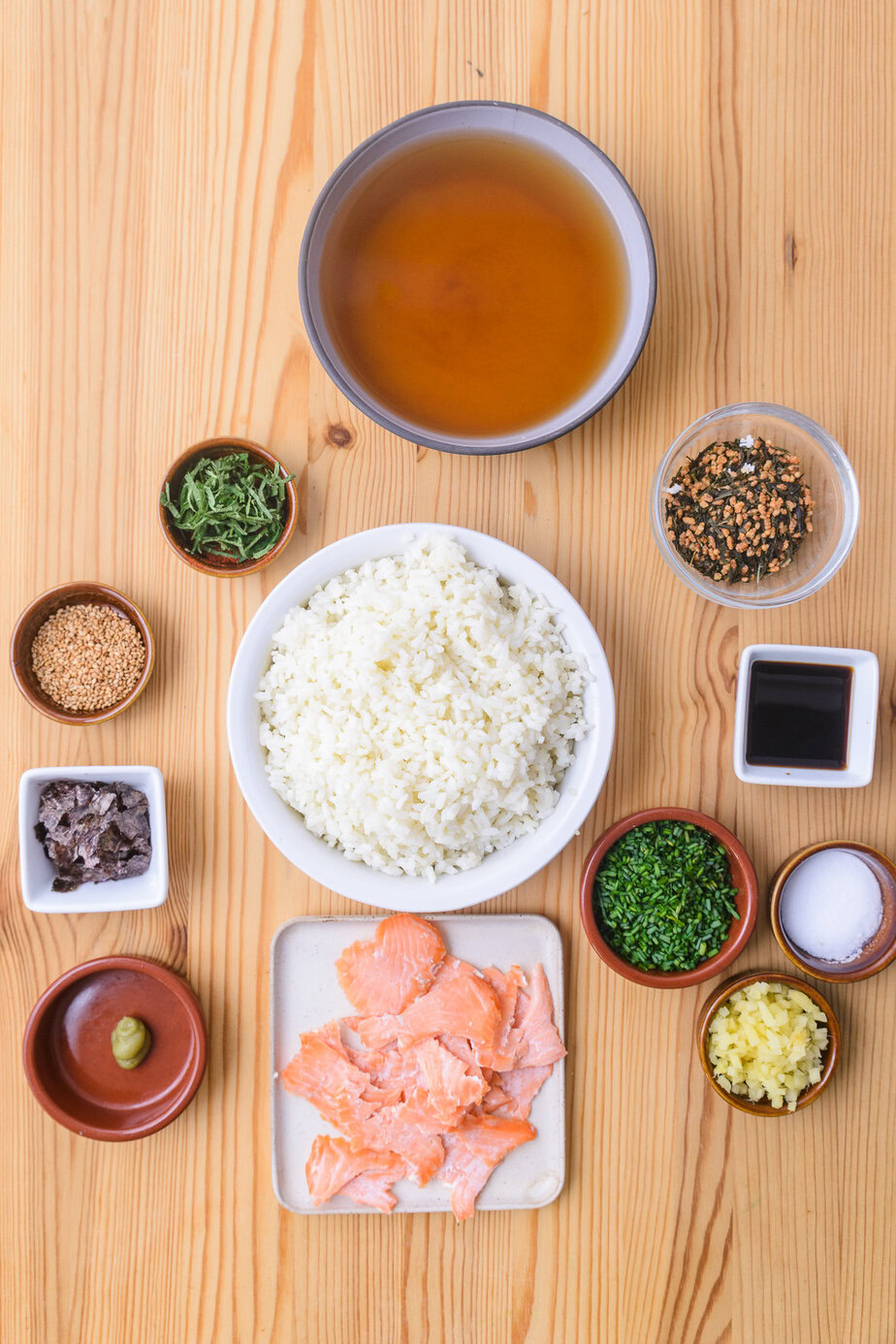
Japanese short-grain rice is the foundation: round and cohesive, tender without falling apart. Rinsing the cooked rice removes the numeri, that sticky surface starch, and it makes all the difference : distinct grains on one side, clear liquid on the other. As for the liquid, plain water is the oldest and lets the sweetness of the rice come through, sencha brings astringency, hōjicha adds toasted notes, and dashi made from kombu and katsuobushi makes for the most satisfying bowl.
The toppings provide the salt. Shiozake, salmon salted at 3 to 5 % of the fish’s weight, brings richness and umami. Umeboshi, mashed into the rice, provides the acidity that revives the appetite when the air is heavy. Yamagata dashi plays the same role in vegetable form: cucumber, eggplant, myōga, and shiso finely chopped and sharpened with a splash of soy sauce.
The rest is a matter of texture and aroma. Nori, scallion, and mitsuba bring briny, vegetal notes, toasted sesame adds nuttiness, and wasabi brings a fleeting heat. Bubu arare, those tiny toasted rice pearls, is a hallmark of modern versions; it stays crunchy for a few moments after the cold liquid is poured in before softening.
Technical tips for a good rei ochazuke
The real turning point is not the choice between tea and water, but the rinsing: without it, the liquid turns cloudy and thick instead of staying light and fluid. Rice taken straight from the refrigerator should not be rinsed as is; its retrograded starch would leave the grains dry and grainy. Reheat it until steaming, then rinse it under cold water, and use only cooked rice that has been cooled quickly and stored properly, as Bacillus cereus is a real risk with rice left out too long.
Serve the liquid between 5 and 12 °C, keep the toppings punchy, and add bubu arare for crunch; otherwise, the bowl veers into rice-water territory. Dashi ice cubes are a recent addition, handy with warm rice, but they are not part of any traditional version.
Ingredients
Salmon and rice
- 2 salted salmon fillets grilled and cooled (or use grilled smoked salmon)
- 4 servings cooked rice cold (preferably day-old rice)
Aromatics (yakumi)
- 1 small piece ginger finely chopped
- 2 myoga finely chopped (optional)
- 8 leaves shiso finely chopped
- chives finely chopped, to taste
- sesame seeds lightly toasted
- 0.25 sheet nori torn into pieces
- wasabi to taste
Genmaicha dashi
- 200 ml dashi
- 1 handful genmaicha tea green tea with roasted brown rice
- salt to taste
- soy sauce to taste
- mentsuyu optional, to taste
Instructions
Prepare the salmon
- Remove the skin and bones from the grilled salmon if needed, then flake it into large pieces.2 salted salmon fillets
Prepare the genmaicha dashi
- Add the genmaicha tea to the hot dashi. Once the tea is well infused, strain it.200 ml dashi, 1 handful genmaicha tea
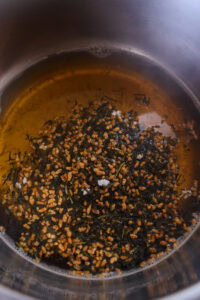
- Season with salt and soy sauce, then let it cool and refrigerate until the dashi is thoroughly chilled.salt, soy sauce
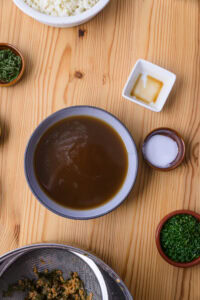
Assemble
- Quickly rinse the cold rice under running water, then drain it well. Divide it among bowls.4 servings cooked rice
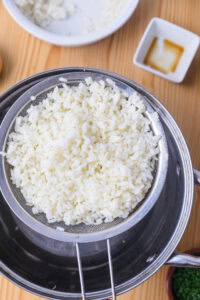
- Top with the salmon and aromatics, then pour over the ice-cold dashi. Add mentsuyu to taste just before serving.1 small piece ginger, 2 myoga, 8 leaves shiso, chives, sesame seeds, 0.25 sheet nori, wasabi, mentsuyu