Homemade charcuterie

Homemade charcuterie is all about turning raw meat into something you can store, slice and share. Terrines, sausages, cured meats and hams all start with the same basics: salt, time and a little patience. You soon learn that proportions and temperature matter just as much as technique.

Every recipe here specifies salt quantities, timings and temperatures for a safe, flavorful result. These factors can make or break charcuterie, so they are given as precise figures rather than estimates. Start with a terrine or rillettes, and save drying and fermentation for later.

Terrines and pâtés

Terrines and pâtés are baked in the oven, often in a water bath, then left to rest in the fridge for two or three days to allow the flavors to develop. The texture depends on the lean-to-fat ratio, cooking time and internal temperature, which each recipe specifies to the nearest degree.

Rillettes and rillons

Rillettes are made from meat slow-cooked in its own fat, then shredded and packed into jars. Rillons are left in chunks, slow-cooked in fat and then browned. In both cases, gentle cooking does all the work, and a generous layer of fat on top helps preserve them in the fridge.

Sausages and boudins

Here we move on to grinding meat and stuffing casings. Keeping the meat well chilled, getting the fat ratio right and moistening the casings will help prevent most mishaps. You’ll find fresh sausages to cook the same day, fine-textured boudins blancs and a garlic sausage that needs cooking before serving, with recipes ranging from straightforward to more technically demanding.

Dry-cured sausages

Dry-cured sausages require precisely measured curing salt and slow drying in a cool, slightly humid room. This is the most demanding category, as fermentation and weight loss need to be monitored. Each recipe specifies the salt percentage and the target weight loss to reach before slicing.

Dry-cured and smoked meats

A duck breast, pork tenderloin or other cut of pork is covered in salt, left to rest in the fridge, then dried for a few weeks. For salmon, cold smoking adds another step. The principle is simple: salt draws out moisture, cold helps preserve the meat, and time concentrates the flavor.

Hams

Homemade jambon blanc is brined, then gently cooked at a low temperature to produce tender, pink slices without unnecessary additives. It’s a good introduction to curing: it requires little equipment, delivers reliable results and offers a chance to learn how salt acts on meat.

Tools

These two practical resources will help you along the way. The first calculates ingredient quantities for a foie gras recipe based on the weight of your foie gras lobe. The second explains how to choose a sausage-stuffing funnel that fits the casing you’re using.

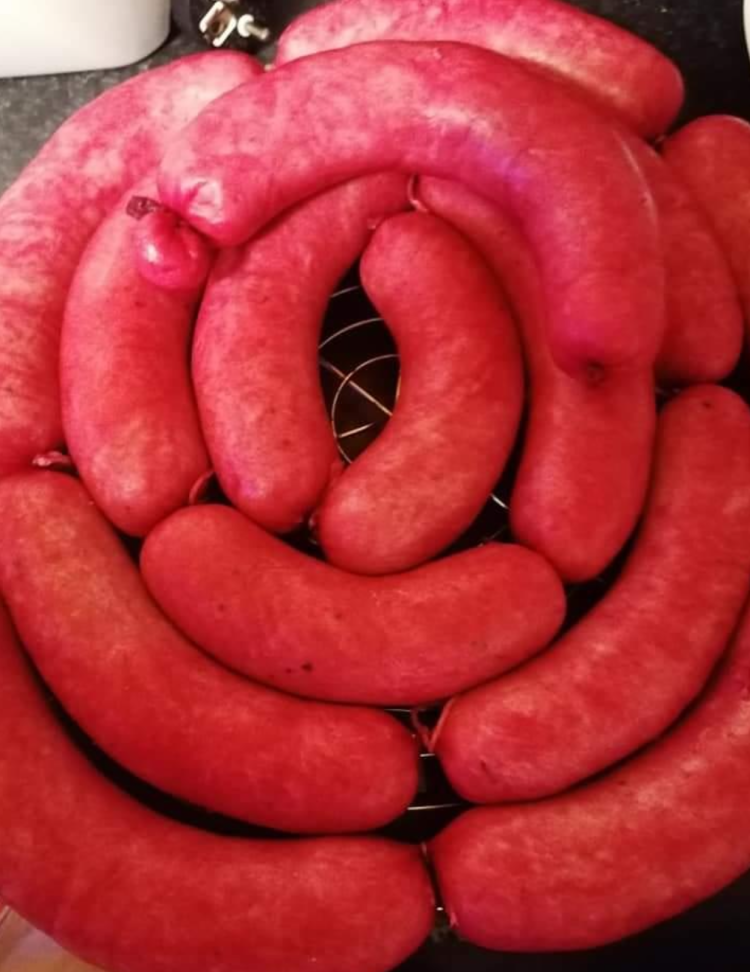
cervelas sur fond sombre

Authentic Alsatian Cervelas

The recipe for homemade Alsatian cervelas, a smooth, tender sausage to serve in a salad, grilled or with mustard A nicely chilled cervelas salad on a summer evening, or a few warm slices with good mustard: it doesn’t take much to treat yourself. Cervelas is a traditional sausage much loved […]

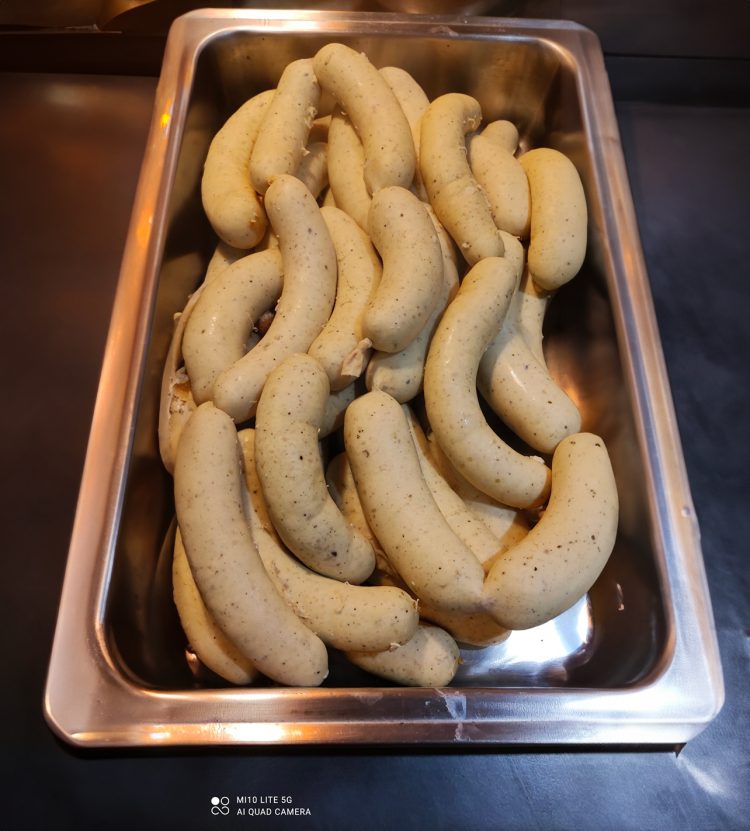
boudins blanc aux cèpes dans un bac

Boudin Blanc with Porcini

A poultry and pork boudin blanc, scented with porcini, for festive meals Creamy white flesh, a mild flavor, then the woodsy aroma of porcini: this boudin blanc has everything it takes to make lovers of fine charcuterie drool. Made at home in one big batch, it keeps vacuum-sealed for meals […]

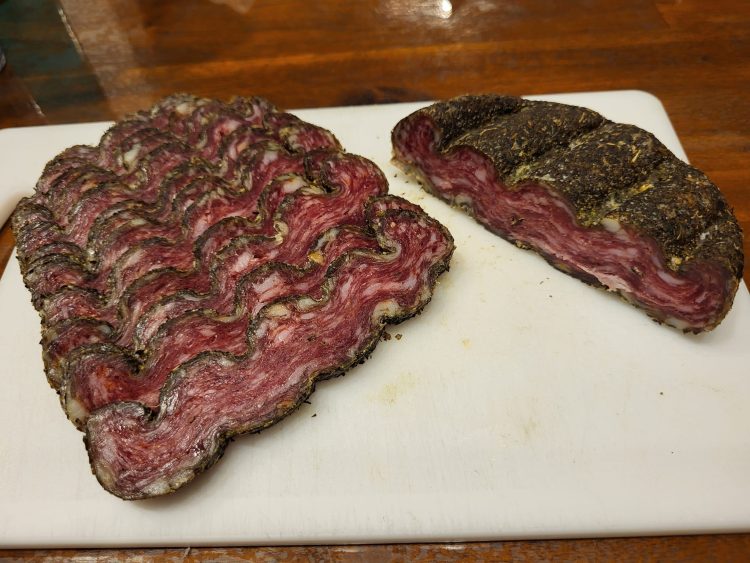
bérets basques maison tranchés sur une planche à découper

Authentic Bérets Basques

A disc-shaped Basque dry sausage with no casing, one of the simplest kinds of homemade charcuterie to make Sliced on a board, the béret basque is instantly recognizable by its Camembert-like shape. This casing-free sausage, flavored with pepper and Espelette pepper, can easily be made at home. If you enjoy […]

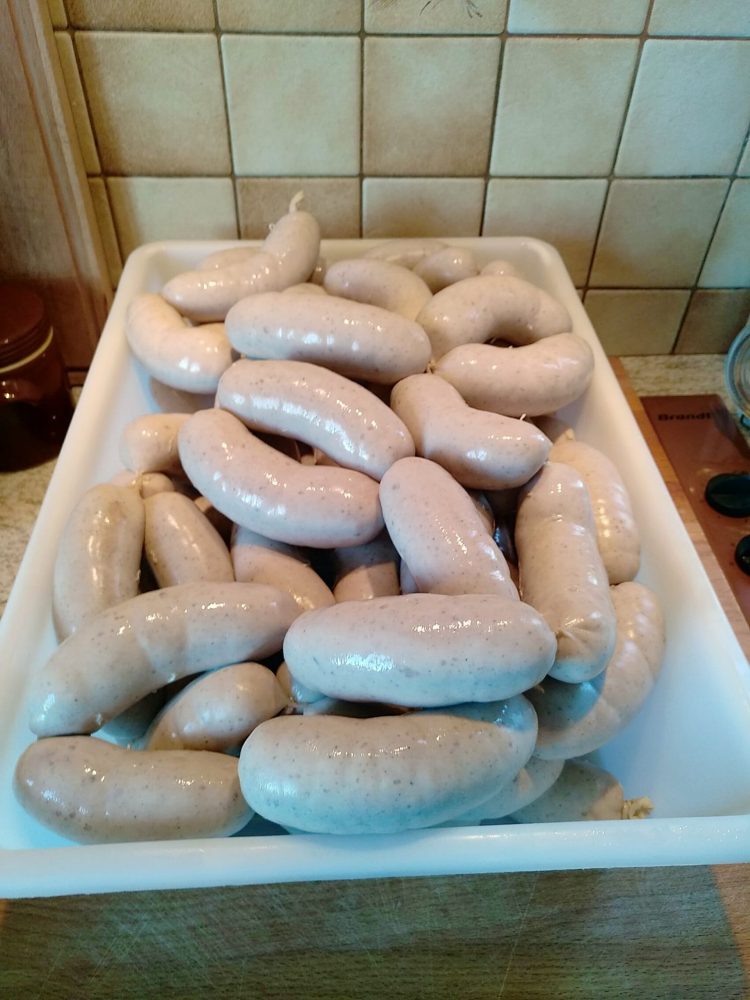
boudin blanc au porto dans un récipient en céramique

Boudin Blanc with Port

A fine-textured boudin blanc made with infused milk and port, gently poached, for holiday meals The holidays are approaching, and a homemade boudin blanc always has its place on the table. This festive charcuterie sticks to the traditional recipe and adds port, which gives the filling a slightly sweet touch. […]

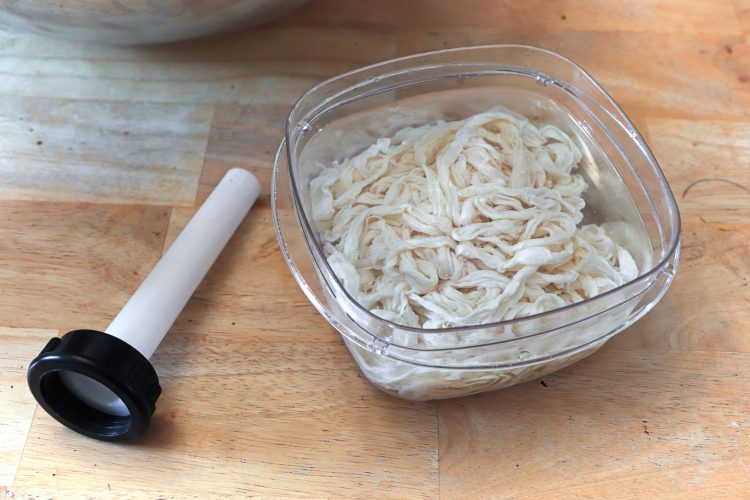
entonnoir à saucisse à côté d'un bol de boyau

Choosing a Funnel for Homemade Charcuterie

The right stuffing tube diameter for every type of homemade charcuterie, from merguez to boudin Which stuffing tube size should you choose for each type of charcuterie? When filling casings for your homemade charcuterie, choose a stuffing tube with an outlet diameter suited to the type of sausage you want […]

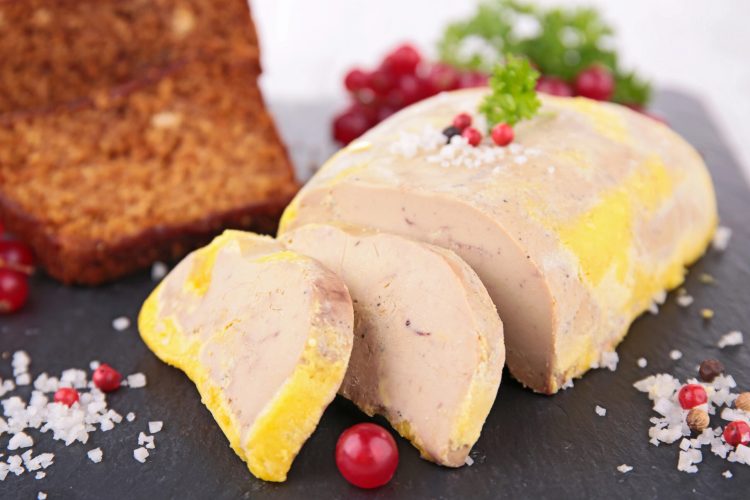
foie gras sur ardoise

Foie Gras Ratio Calculator

Calculateur de Foie Gras Calculatrice pour Foie Gras Poids foie gras (en grammes): Sel (gr): Poivre (gr): 4 épices (gr): Liqueur (gr): Sucre (gr): Foie gras is a classic French specialty, prized for its melt-in-the-mouth texture and delicate flavor. This delicacy is made from the liver of a fattened goose […]

rillettes de veau sur planche à découper avec du pain

Veal Rillettes

Rillettes were originally an age-old way to preserve meat… yes, you guessed it: preserve meat! Before refrigerators existed, they were a very practical way to keep protein on hand throughout the winter. What’s more, as you’ll see, you can kill two birds with one stone and preserve some of the […]

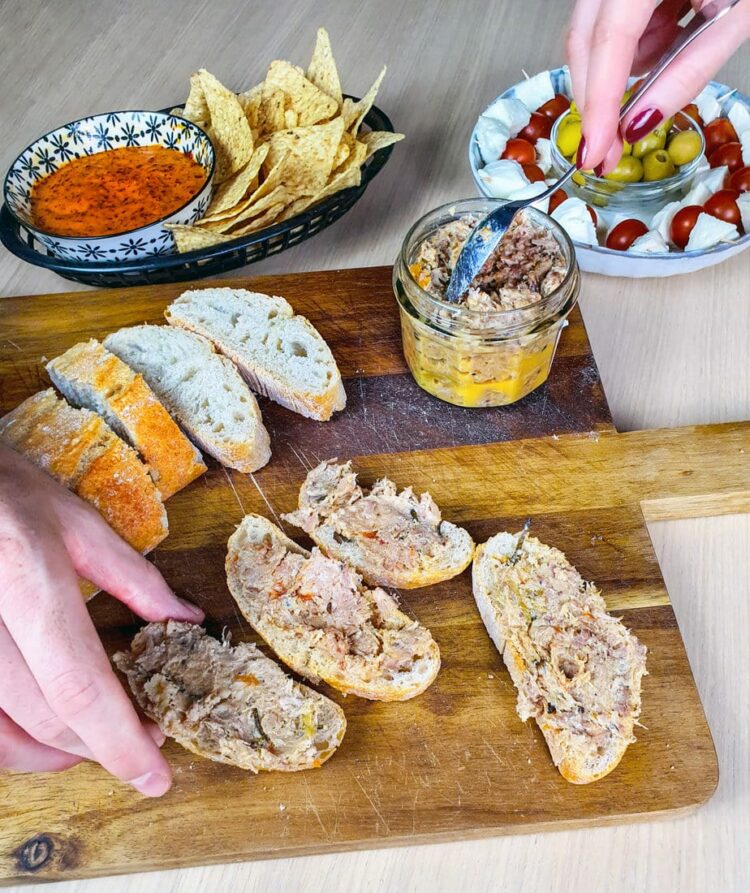
rillettes de poulet sur des tartines de baguette

Authentic Chicken Rillettes – French Potted Spread

What are rillettes? The question may seem silly, but the truth is that once you understand what rillettes are and the core principles behind them, a whole world of chicken, duck, pork, and many other kinds of rillettes opens up. And that’s a beautiful thing. In fact, rillettes are simply […]