It’s almost time for Chinese New Year, and to make sure we’re all ready to celebrate it properly, I’ve put together a guide to what to eat/prepare during this Lunar New Year.
This guide also contains useful information about the festival, customs, and things Chinese people do to say goodbye to the past year and welcome the new one.
If you want the suggested menu, head straight to the bottom of the article.
What is Chinese New Year?
Chinese New Year, also known as Lunar New Year, is China’s most important festive season : it lasts up to two weeks and is the only time of year when China literally shuts down.
Unlike New Year in Western countries, Chinese New Year generally falls on a day between January 21 and February 20 in the Gregorian calendar, according to the Chinese lunar calendar.
What is the date of Chinese New Year 2026?
Chinese New Year 2026 will begin on February 17, 2026 and last until March 3, 2026. According to the Chinese zodiac, it is the Year of the Horse.
Chinese New Year celebrations last 16 days, from Chinese New Year’s Eve to the Lantern Festival. Here are the most important dates in 2026:
- Chinese New Year’s Eve: February 16, 2026
- Chinese New Year: February 17, 2026
- The Lantern Festival: March 3, 2026
It’s a time to spend with family, so food plays a big part in the celebrations. And that’s where I come in
How do you celebrate Chinese New Year?
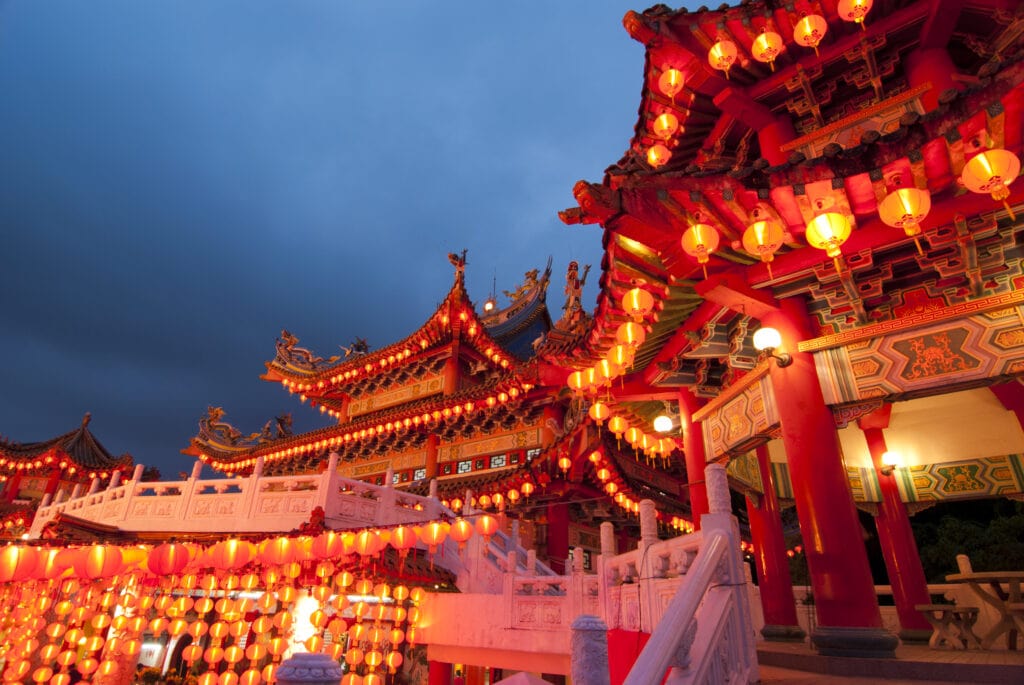
While vibrant red lanterns and colorful lights are the main symbols of Chinese New Year for Westerners, Chinese people have several specific rituals and customs to celebrate the arrival of the new lunar year.
1. Cleaning and decorating the house
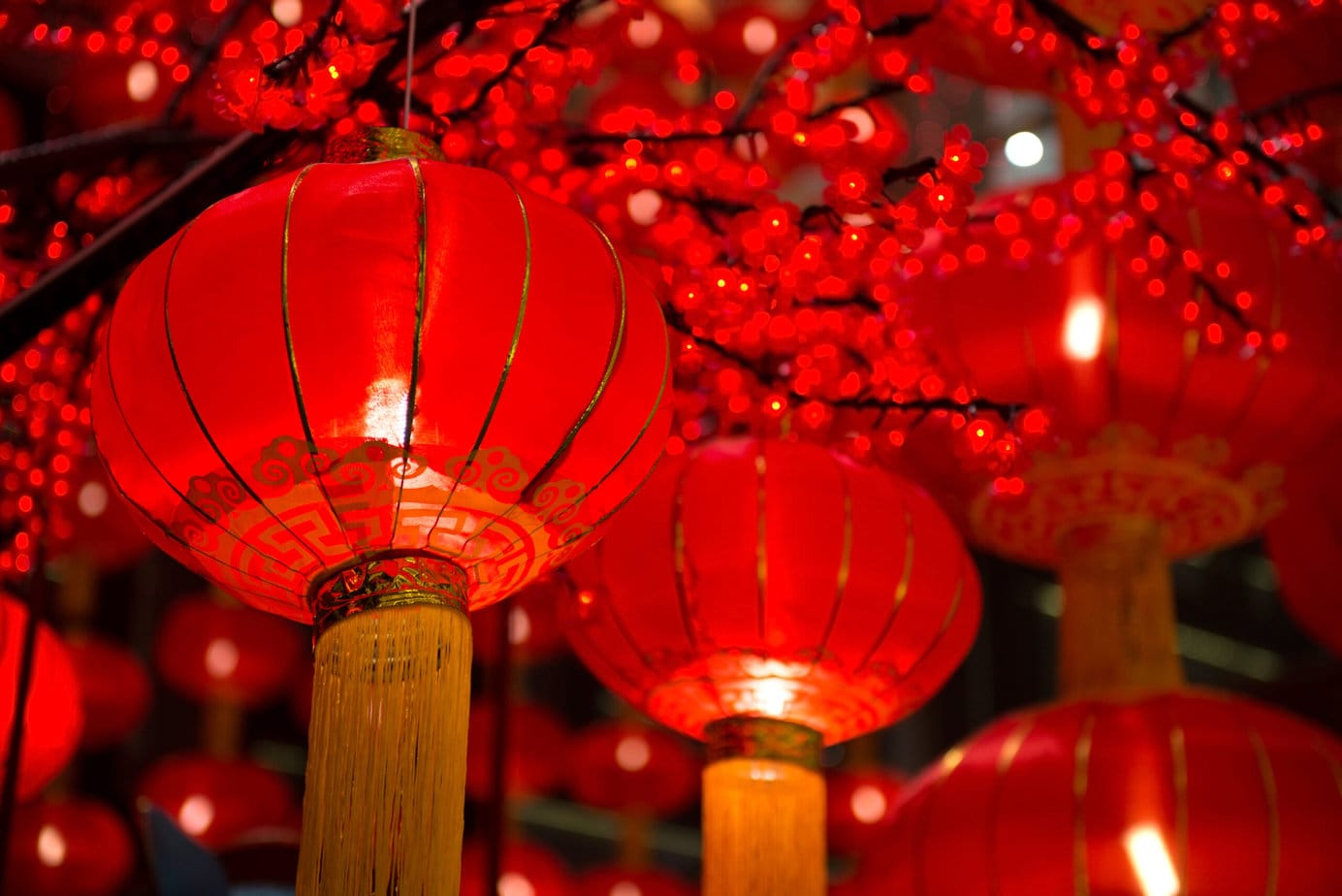
About 15 days before the new year begins, the house is thoroughly cleaned to welcome the new year looking its best. After cleaning, each home is decorated with red lanterns and traditional red decorations.
2. A family meal on New Year’s Eve
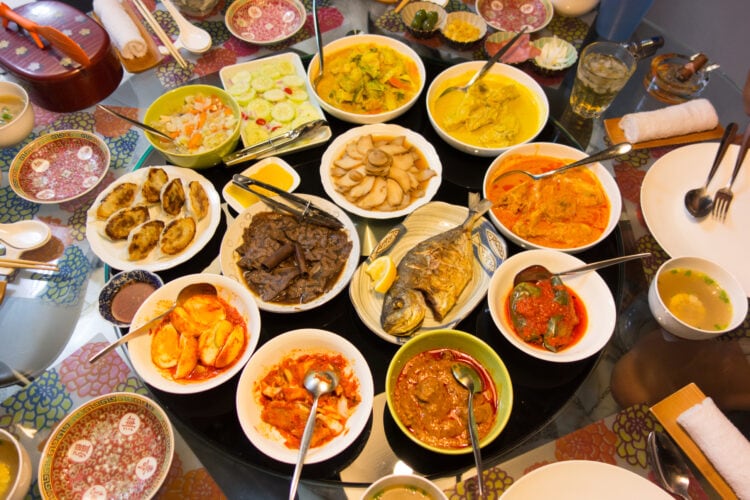
On Lunar New Year’s Eve, the whole family gathers for dinner. The feast includes meat, fish, and vegetables. But we’ll get to that at the end of the article
3. Red envelopes
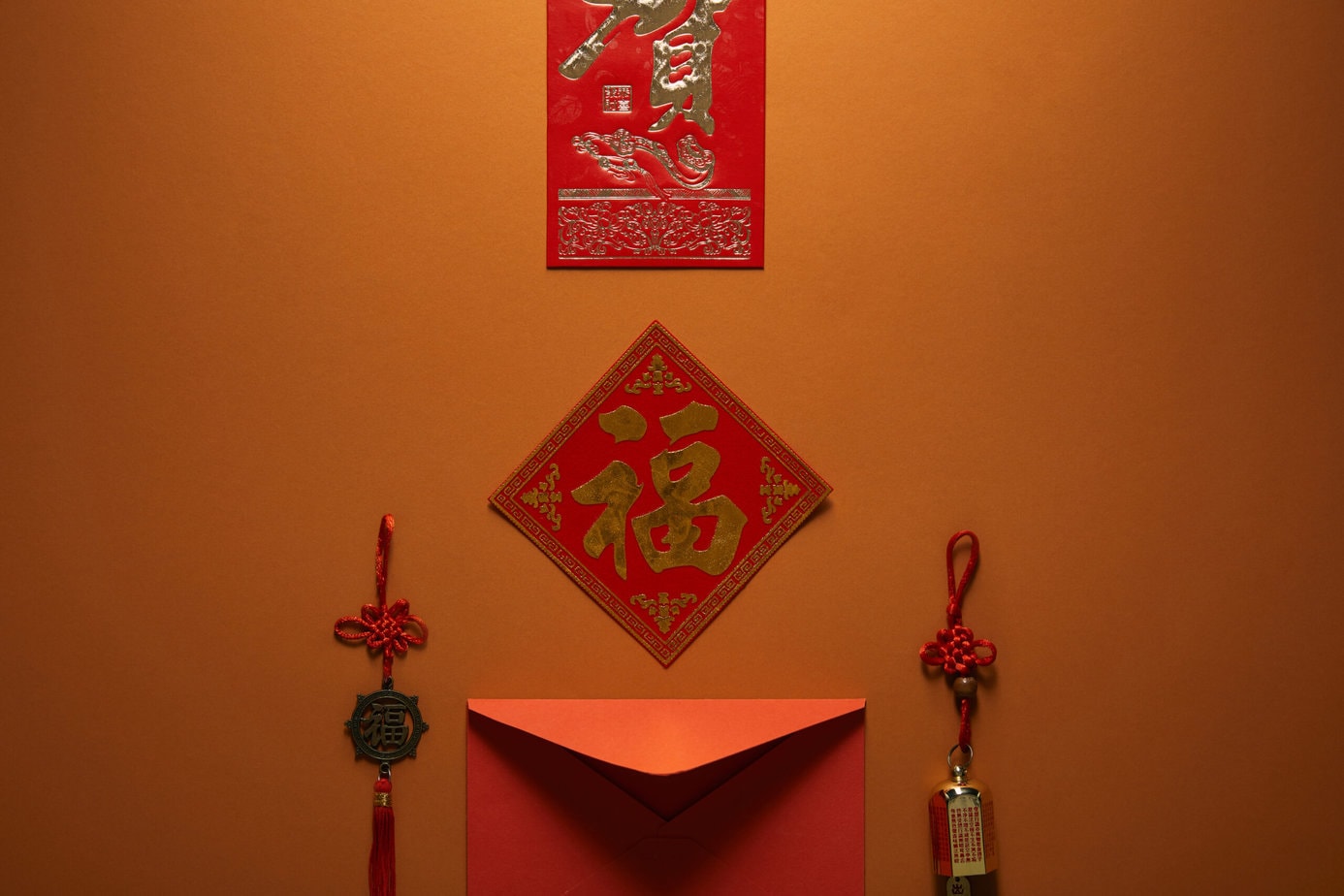
Elders give red envelopes containing money to younger family members. The money is wrapped in red packets to keep evil spirits away from the children.
4. Firecrackers and fireworks
It’s common to watch fireworks from midnight to 12:30 a.m. and even later on New Year’s Eve. According to legend, fireworks scare away the monster Nian, who is said to emerge at midnight.
5. Visiting loved ones
The first day of the new lunar year is normally spent at home, followed by 15 days spent visiting relatives. People bring each other gifts and give red envelopes to children, as mentioned above
6. Folk performances and temple fairs
Folk performances, fairs, and events are held until the 15th day of the first lunar month. This is also when people go to pray at the temple.
Chinese New Year 2026 menu
The starter: dim sum and dumplings galore
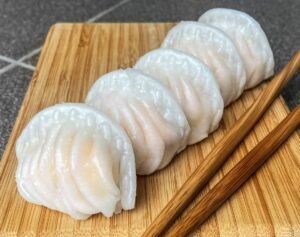
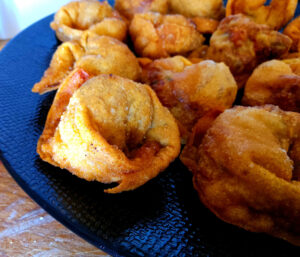
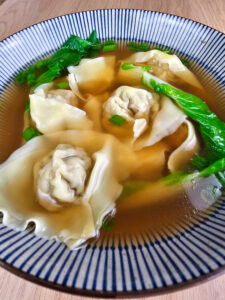
As mentioned above, dumplings and making them are a deeply rooted Chinese New Year tradition. I’d suggest a few kinds of dumplings: the first is very simple, with a pork filling, and the second is slightly more complicated but delicious, with a shrimp filling. As a little bonus, traditional fried wontons are simply AMAZING.
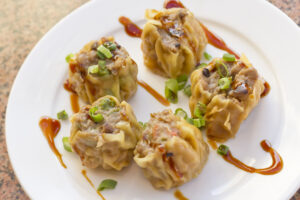
We’re taking things up a notch with siu mai, but they’re still very manageable
Authentiques Gyoza japonais
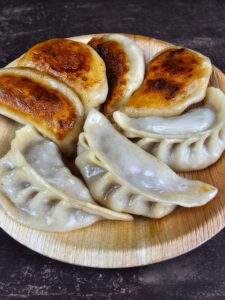
Raviolis Chinois au Porc – Jiaozi

Raviolis aux crevettes à la vapeur (Ha Kao)
Wonton frits
Authentique soupe wonton – 馄饨汤
Siu mai (烧卖) – bouchons chinois à la vapeur
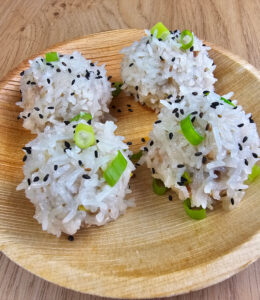
Dim sum perlés chinois
Contrary to popular belief, dim sum doesn’t refer to dumplings, but rather to a meal made up of a whole range of small plates from Cantonese cuisine.
Well, we’re not going to limit ourselves to Cantonese cuisine, but you get the idea. Here are two vegetable dishes and a shrimp dish to serve to your guests. Note: you can substitute Chinese cabbage, green cabbage, leeks, green beans, etc… for the vegetables
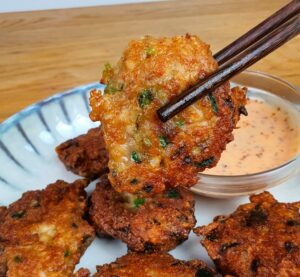
Galettes de crevettes chinoises
Choy sum cantonais à l’ail
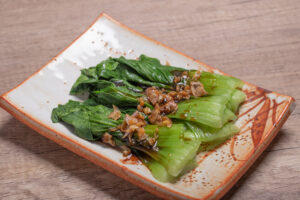
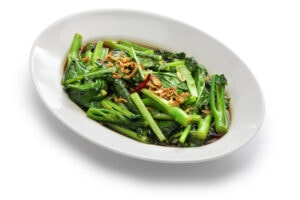
Kai lan sauté à l’ail et à la sauce huître
A little Japanese bonus: these rolls made with noodles and rice paper
Spicy ramen rolls

The main course: Noodles, rice, beef, pork, chicken, and maybe….duck?
In Chinese tradition, there shouldn’t be just one main dish + a side. No, no, you might have one centerpiece dish, but you need lots of small side dishes too
The “centerpiece” dishes
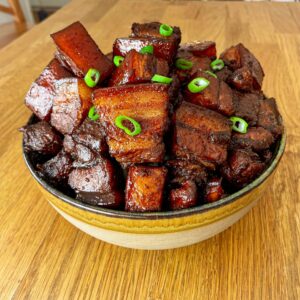
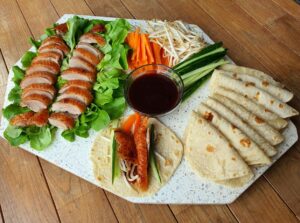
They’re big, impressive, and above all, incredibly flavorful. I suggest Hong Shao Rou (Chinese caramel pork), homemade lacquered duck (less difficult than it looks), or slow-cooked satay beef. Apart from the duck, which by definition is limited to a single duck, these dishes are easy to make in very large quantities and ahead of time.
Bœuf au saté
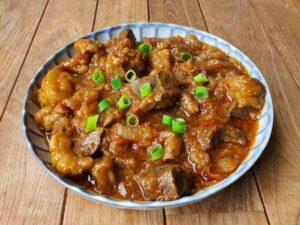
Porc rouge
Canard laqué avec crêpes chinoises 100% maison
The side dishes
Here you’ll find classic fried rice, Cantonese fried rice, or even… white rice. But also chow mein, traditional Chinese stir-fried noodles, vegetable noodles, beef with onions or spring onions, caramel pork or chicken, and stir-fried chicken. In short, there’s no shortage of options! Ideally, make 3-4 of them in small quantities
The list starts with rice/noodles and then moves on to proteins
Authentiques Nouilles de Longévité – Yi Mein
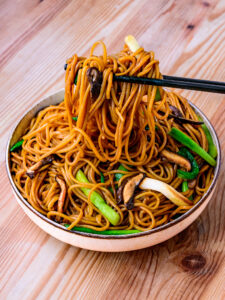
Authentique Riz Cantonais
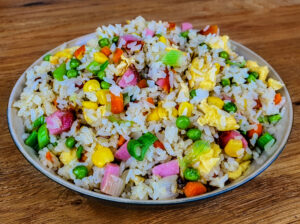
Riz frit : édition orgasme gustatif
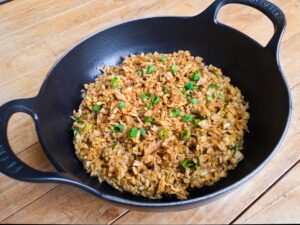
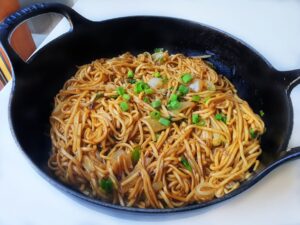
Chow mein (nouilles sautées chinoises)
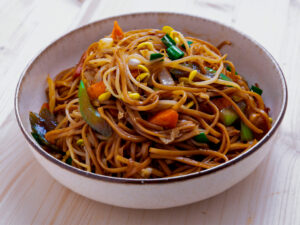
Nouilles sautées aux légumes comme au restaurant
Proteins
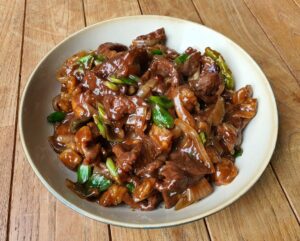
Bœuf aux oignons chinois
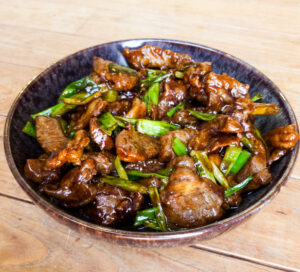
Bœuf aux jeunes oignons
Porc au caramel simple et rapide
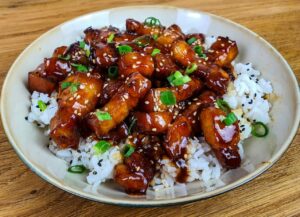
Poulet au caramel
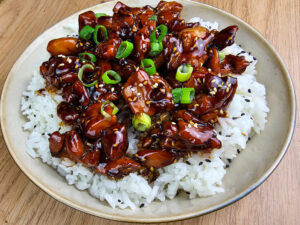
Sauté de poulet chinois
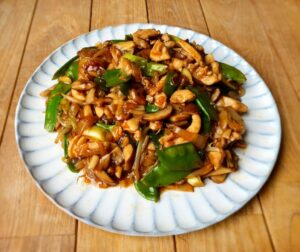
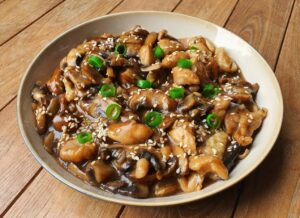
Sauté de poulet aux champignons
Desserts
A very controversial topic because, generally speaking, we’re not that big on desserts in China BUT they do exist, and here are a few recipe suggestions
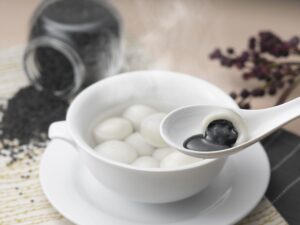
Tangyuan au sésame noir
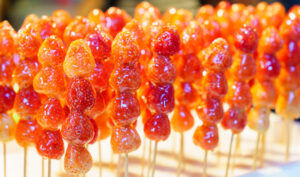
Tanghulu
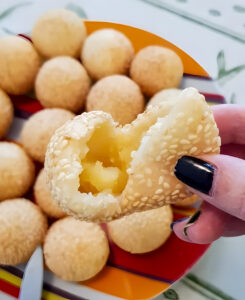
Banh Cam: Sesame Balls