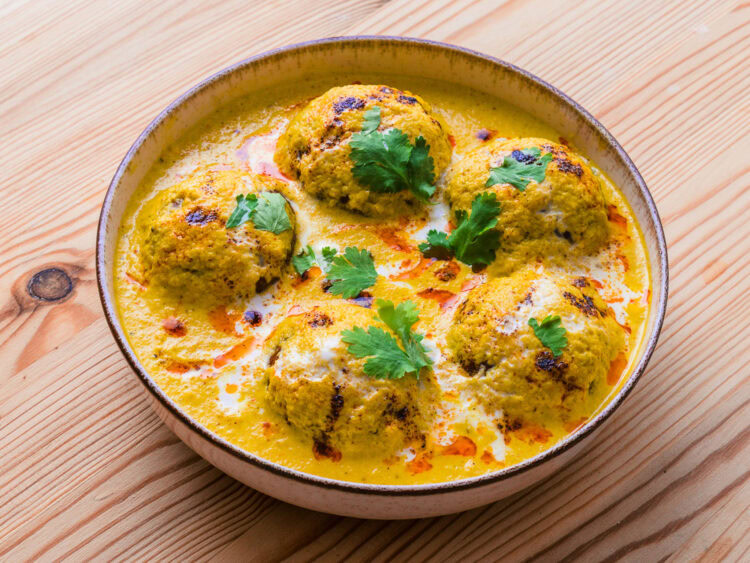
Tender paneer dumplings in an ivory cashew sauce, the great vegetarian classic of Mughal banquets.
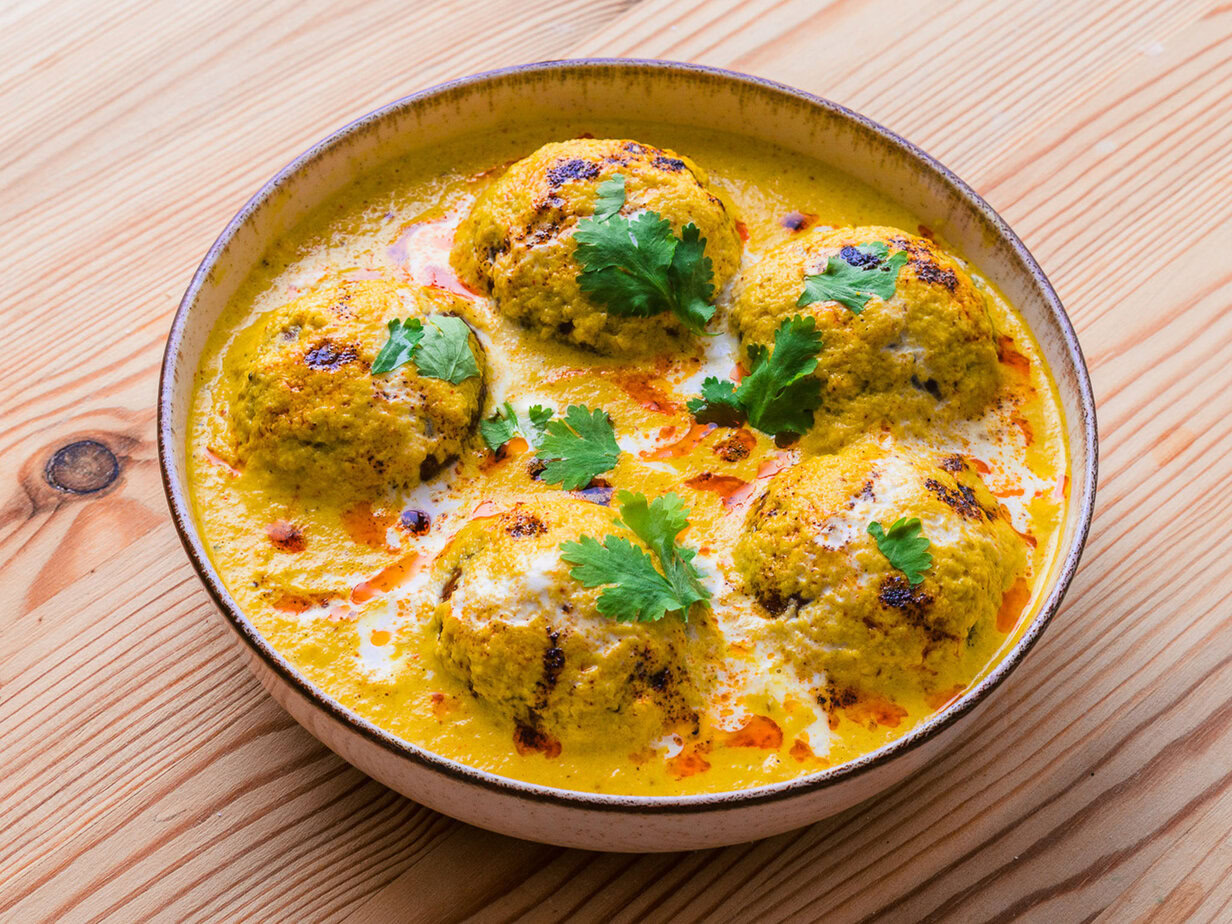
Malai Kofta is what you order when you’re craving comfort rather than heat. The sauce arrives pale, almost ivory, scented with green cardamom and kasuri methi crushed between your fingers.
Beneath it sit the dumplings, golden from the fryer, yielding to the spoon as if they had never been firm at all.
Inside, a cashew or raisin breaks up the softness. It’s rich, but never heavy: the real art lies in keeping the sauce light.
What is Malai Kofta ?
Malai Kofta is one of the great vegetarian dishes of northern India’s courtly cuisines: fried paneer and potato dumplings served in a silky shahi sauce. The paneer gives tenderness, the potato binds without taking over, and khoya or mawa adds a milky richness that melts in the mouth.
Many versions hide chopped cashews, pistachios, or raisins at the center, so the knife cuts through a thin golden crust before reaching a soft middle. The sauce itself stays safed, or white: boiled onion paste for body, cashews and melon seeds (magaz) for emulsion, yogurt and cream for depth.
The word « kofta » comes from the Persian kuftan, meaning to pound or mince, and originally referred to minced meatballs that traveled from Western Asia into Indo-Persian kitchens. « Malai » is the thick cream that forms on the surface of milk simmered for a long time, especially buffalo milk. The name, then, tells you exactly what’s on the plate.
From Mughal court kitchens to a festive meatless dish
Malai Kofta belongs to the Mughal court tradition of Indian cuisine, where techniques from Central Asia and Persia met the ingredients of the subcontinent. Banquet cooking favored slow braises, nuts, dairy, and floral waters. Collections such as the Nuskha-i-Shahjahani describe these tables and their highly developed sense of spectacle.
As the courts welcomed Hindu nobles, especially Rajputs, cooks had to adapt to Hindu and Jain dietary rules. They created showpiece vegetarian dishes with all the same sense of spectacle once reserved for meat.
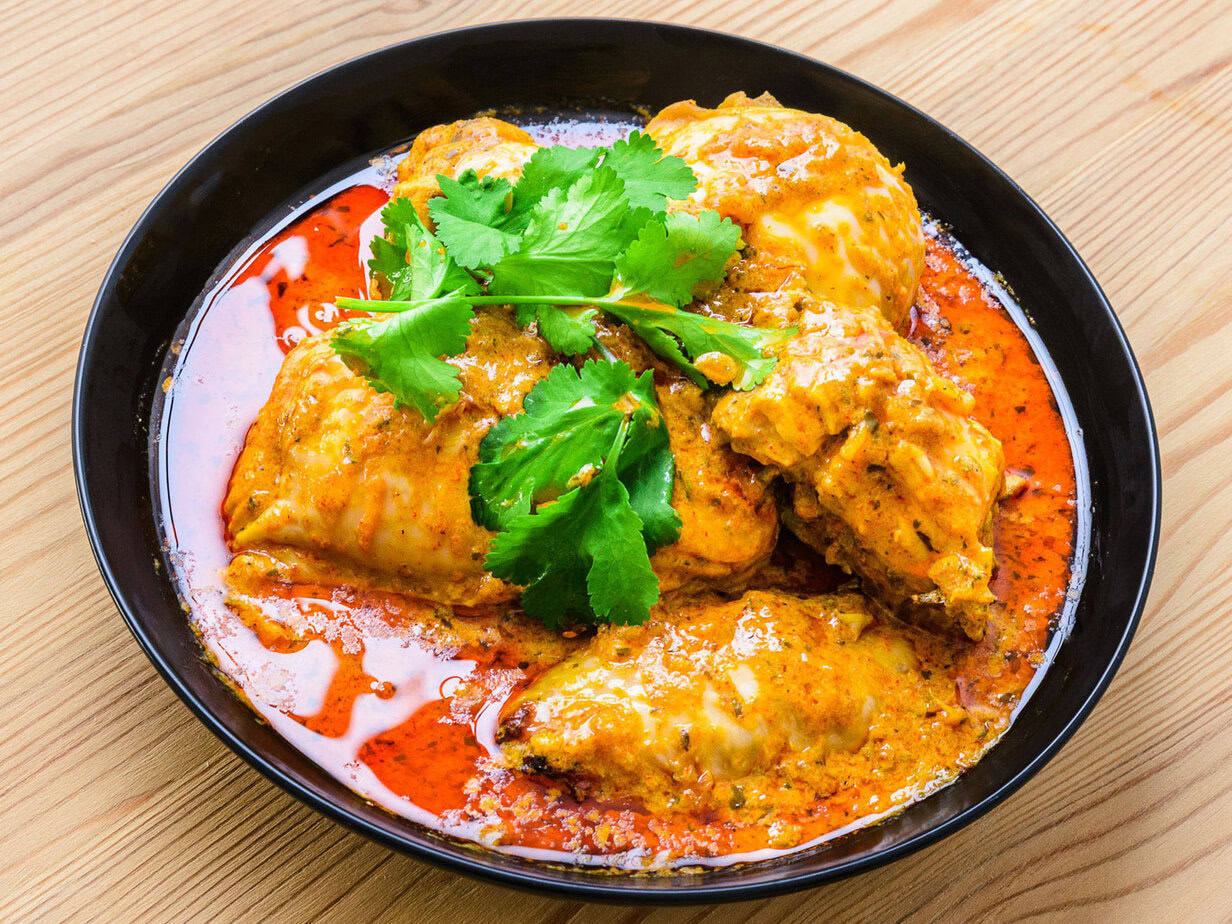
Nargisi Kofta, a hard-boiled egg wrapped in minced meat, inspired imitations in which the yolk was recreated with saffron-tinted paneer. In Awadhi cooking, cooks went further than imitation: paneer, malai, khoya, and cashew became the very subject of the dish.
Historian K. T. Achaya links the rise of paneer in northern India to acid-coagulated milk, a technique introduced by the Portuguese in Bengal in the 17th century. One legend says cubes of paneer fell into a pot of shahi sauce, and that the dish was born that way.
It’s probably untrue, but it speaks to the prestige attached to this sauce. Today, three or four koftas per person are standard, with the hot sauce spooned over at the last moment so they soften without falling apart.
The key ingredients in Malai Kofta
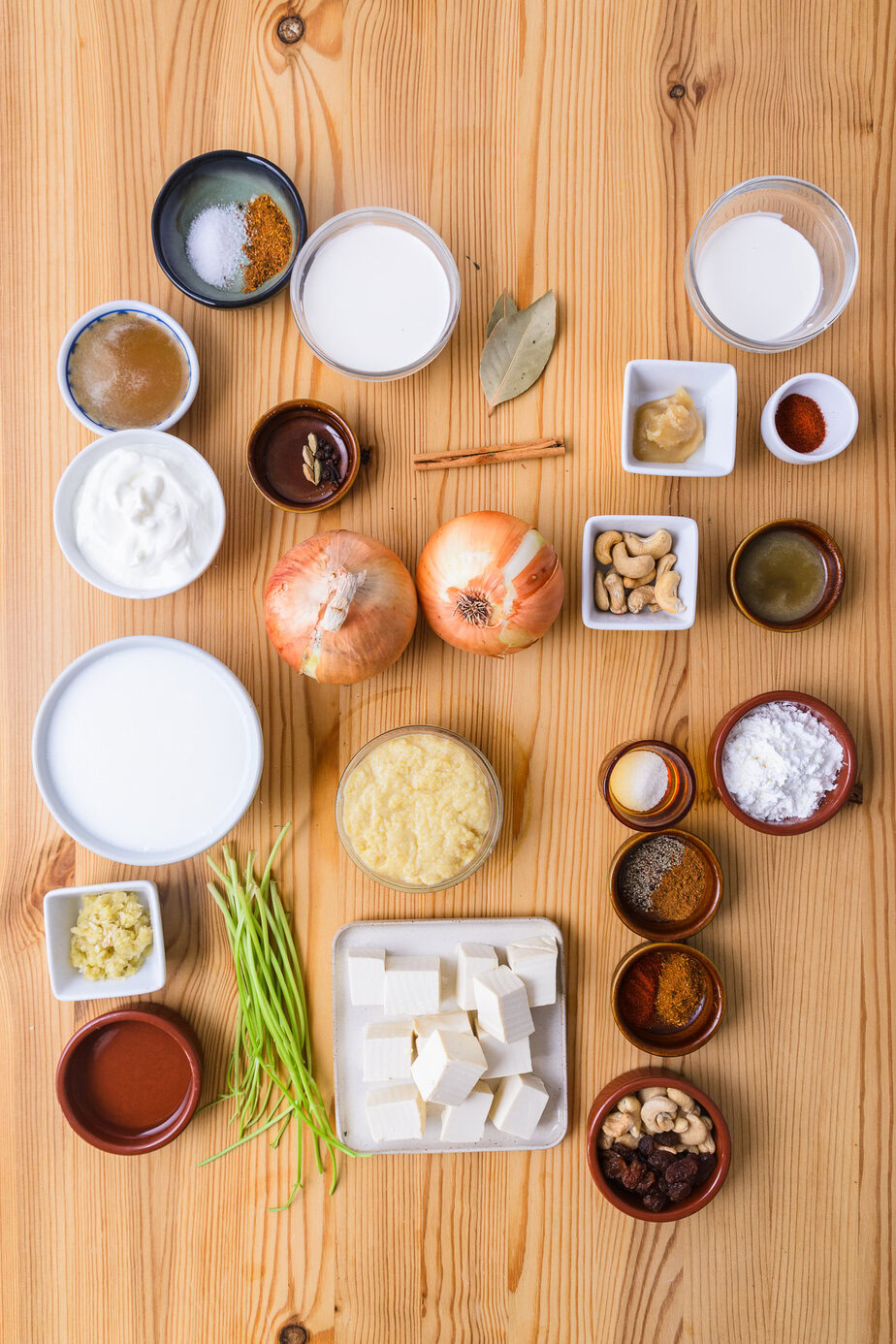
The dumplings rely on three core elements. Paneer gives them their tender structure and absorbs the sauce’s aromas, potato acts as a discreet starchy binder, and khoya or mawa brings the sweetness of reduced milk. Pistachios, raisins, and chopped cashews tucked into the center add contrast.
The sauce starts with a paste of boiled onions, which gives it body without adding color. Cashews and melon seeds (magaz) thicken it and make it velvety. Yogurt brings the acidity that keeps the whole thing from feeling heavy, cream or malai supplies the rounded texture that gives the dish its name, and ghee carries the aroma of the spices.
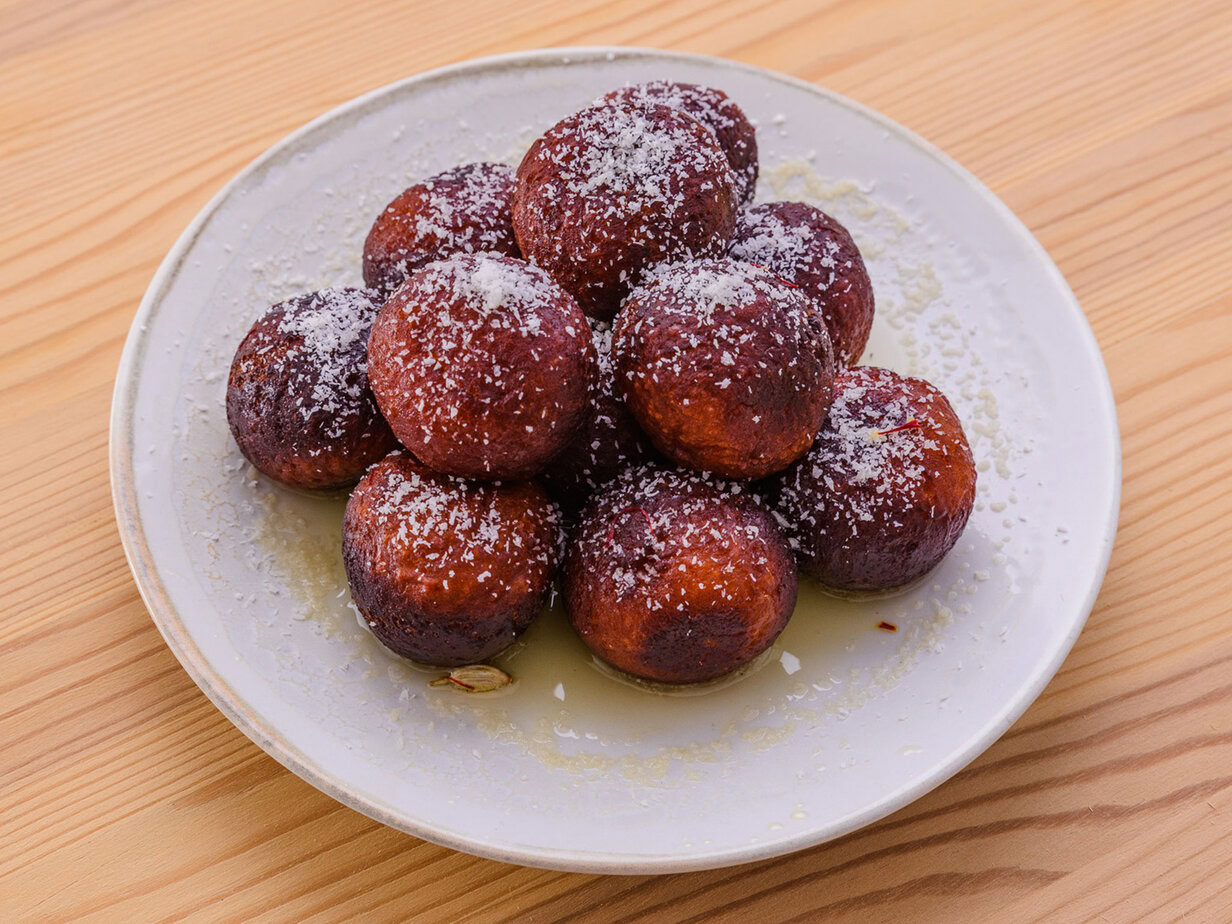
The spices stay delicate in both color and flavor. White pepper for warmth, green cardamom for fragrance, mace for gentle sweetness, and kasuri methi crumbled in at the end for the hint of bitterness that cuts through the cream. One or two drops of kewra or rose water are enough, and a few strands of saffron lend a pale golden hue. A pinch of sugar rounds out the yogurt’s acidity.
Ingredients
For the koftas
Kofta dough
- 150 g paneer
- 50 g mawa
- 2 tablespoons cornstarch
- 0,25 teaspoon black pepper ground
- 0,25 teaspoon cumin ground
- 0,25 teaspoon red chili powder
- 0,25 teaspoon garam masala
- salt to taste
Kofta filling
- 2 tablespoons cashews and raisins finely chopped
Coating and frying
- 2 tablespoons cornstarch for coating
- neutral oil as needed, for frying
For the curry
Onion-cashew base
- 2 large onions roughly chopped
- 10 cashews
- 1 piece cinnamon
- 6 black peppercorns
- 2 cloves
- 4 green cardamom pods
- 1 piece dried red chili
- fresh coriander stems as desired
- water a little, for cooking
- butter a little, for sautéing
Final sauce
- 4 teaspoons butter
- 2 bay leaves
- 1 tablespoon ginger-garlic paste
- 120 ml homemade malai or fresh yogurt
- 240 ml milk to adjust the consistency of the sauce
- 4 tablespoons cream
- salt to taste
- 0,25 teaspoon garam masala
Tadka and garnish
- butter a little, for the tadka
- 0,25 teaspoon Kashmiri red chili powder
- whipped cream a little, for garnish
For serving
- naan, tandoori bread, or cumin rice
Instructions
Kofta dough
- Place the mawa and paneer in a large bowl, then mash and knead until smooth and pliable.150 g paneer, 50 g mawa
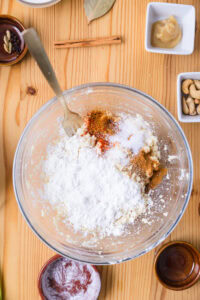
- Add the cornstarch, cumin, black pepper, red chili powder, garam masala, and salt. Mix well, cover, and set aside.2 tablespoons cornstarch, 0,25 teaspoon black pepper, 0,25 teaspoon cumin, 0,25 teaspoon red chili powder, 0,25 teaspoon garam masala, salt
Curry base
- Heat a little butter in a deep pan. Add the onions and stir. Add a splash of water, then add the cinnamon, cloves, cardamom pods, cashews, dried red chili, and coriander stems.2 large onions, 10 cashews, 1 piece cinnamon, 2 cloves, 4 green cardamom pods, 1 piece dried red chili, fresh coriander stems, water, butter
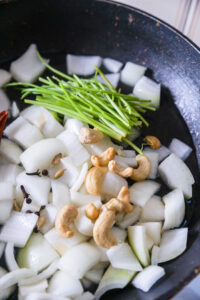
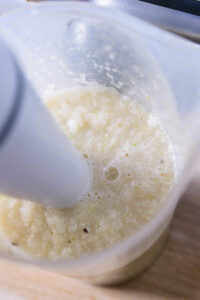
- Cover and cook until the onions and cashews are tender. Let cool, then blend into a smooth paste.
Shaping the koftas
- Divide the dough into equal portions. Place a little of the chopped cashew-and-raisin filling in the center of each portion, seal well, then shape into round or oval koftas.2 tablespoons cashews and raisins
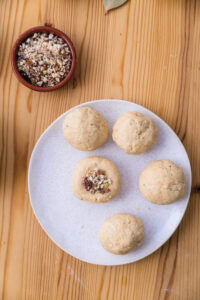
- Coat each kofta evenly with cornstarch.2 tablespoons cornstarch
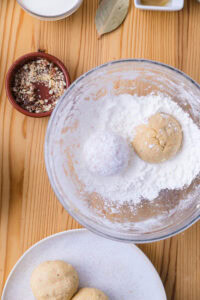
Frying the koftas
- Heat the oil in a deep pan. Fry the koftas over medium heat, turning gently, until golden. Remove and set aside.neutral oil
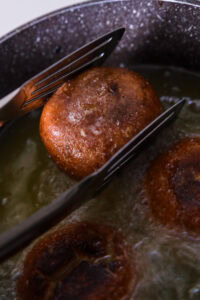
Sauce
- Heat the butter in a deep pan. Add the bay leaves and sauté briefly, then add the ginger-garlic paste and sauté for a few seconds.4 teaspoons butter, 2 bay leaves, 1 tablespoon ginger-garlic paste
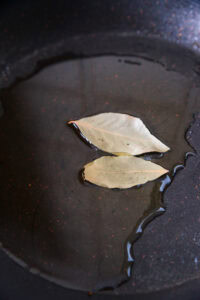
- Add the prepared onion-cashew paste and cook, stirring, until the fat begins to separate.
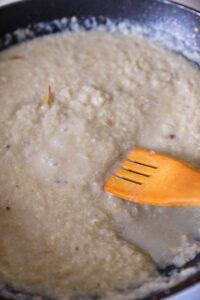
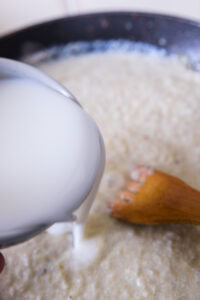
- Add the malai (or yogurt) and mix well. Pour in the milk a little at a time, stirring regularly. Add the salt, garam masala, and cream, then turn off the heat.120 ml homemade malai, 240 ml milk, 4 tablespoons cream, salt, 0,25 teaspoon garam masala
Assembly
- Arrange the koftas in a serving dish and pour the hot curry over them, making sure they are well coated.
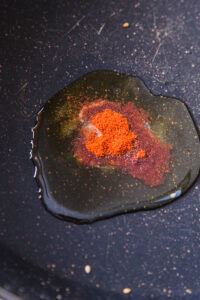
- Heat a little butter with the Kashmiri red chili powder to make a quick tadka, then pour it over the curry. Garnish with a little whipped cream.butter, 0,25 teaspoon Kashmiri red chili powder, whipped cream
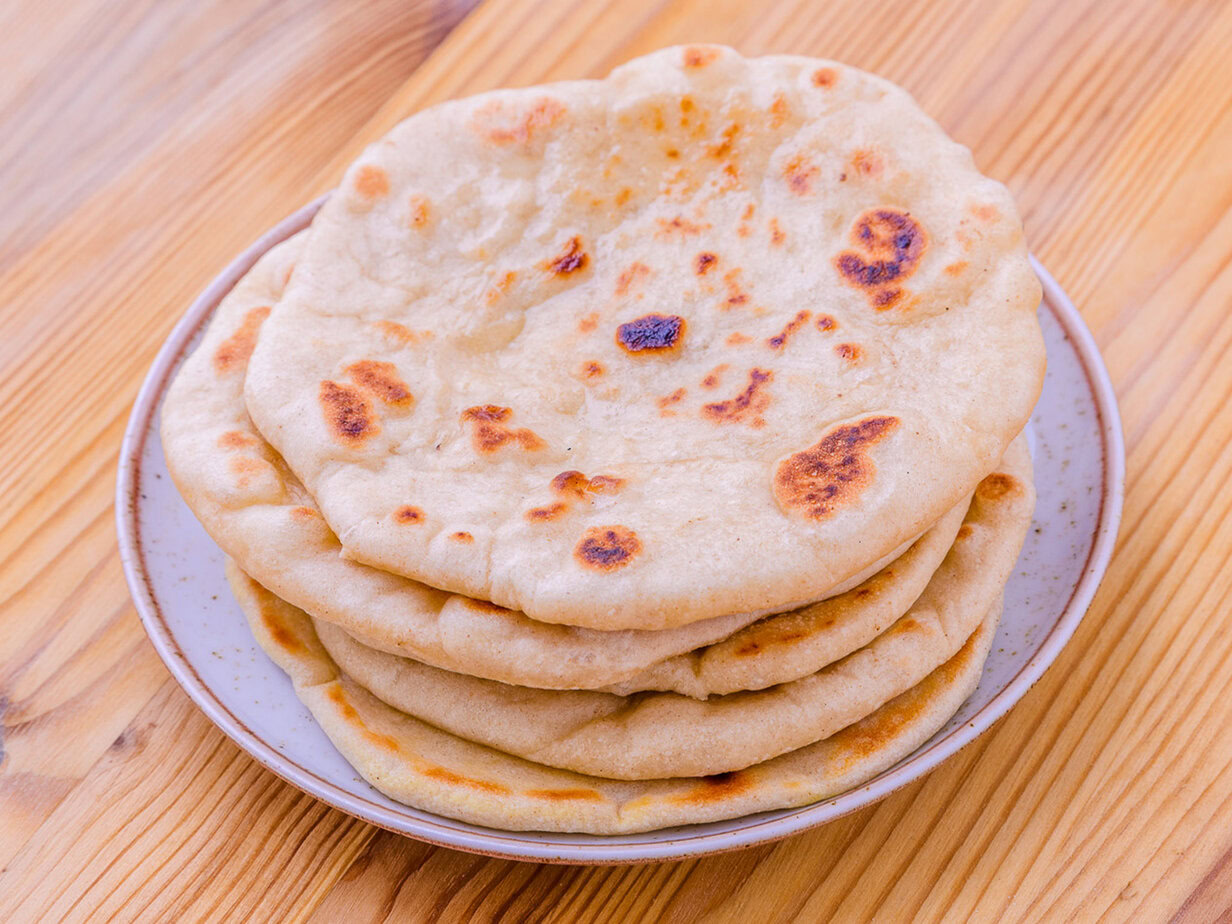
- Serve hot with naan, tandoori bread, or cumin rice.naan, tandoori bread, or cumin rice
Notes
- To keep the koftas from breaking while frying, be sure to knead the dough well and coat them evenly with cornstarch.
- If the sauce is too thick, add a little hot milk; if it is too thin, let it simmer for a few minutes longer.