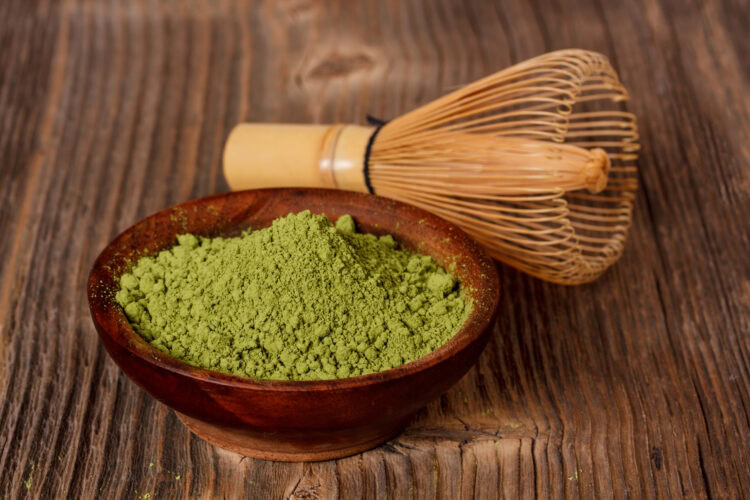
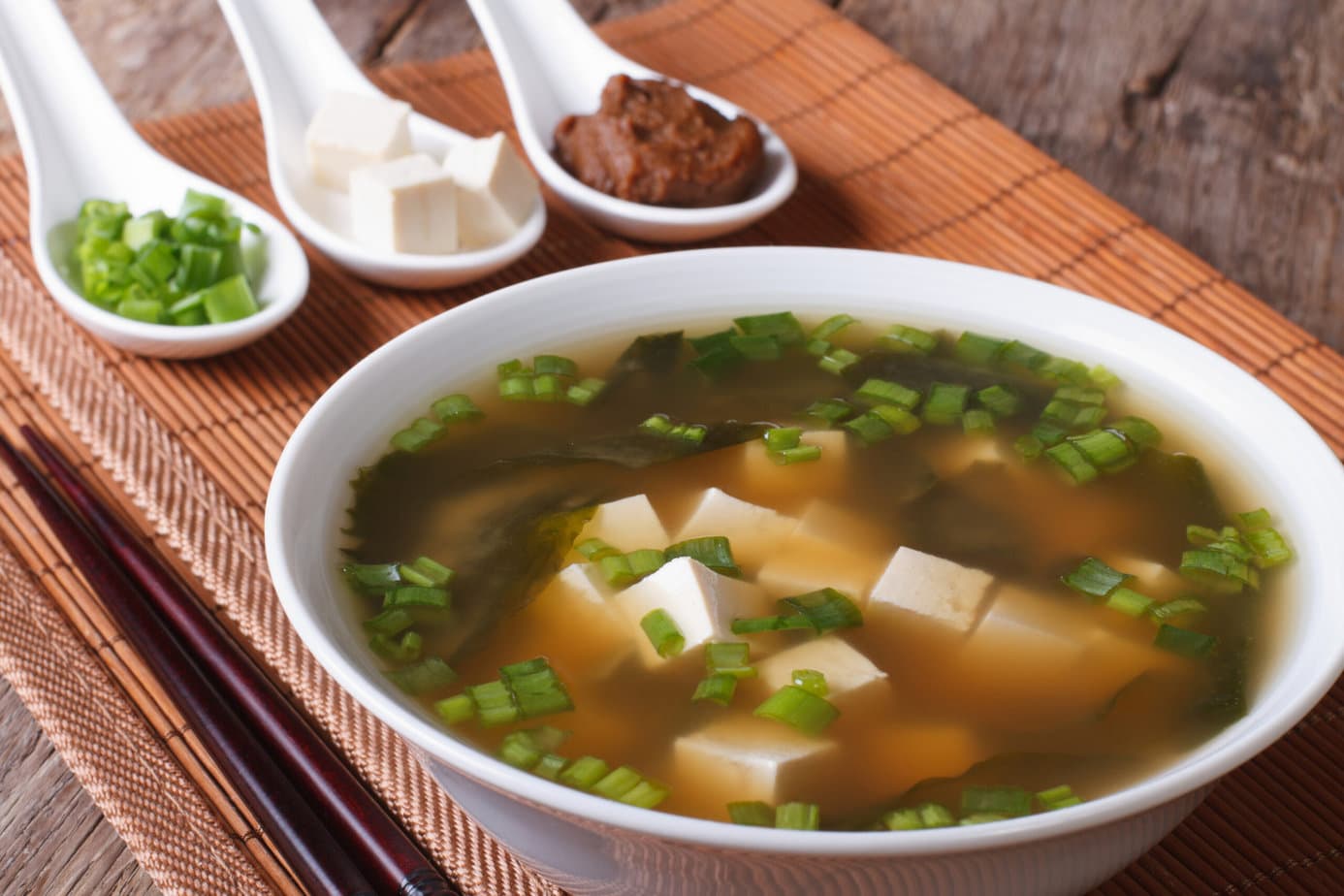
Matcha can taste of tender green shoots, with an umami note reminiscent of miso soup, or it can turn unmistakably bitter. That difference is often decided before the powder even touches the whisk. Unlike most teas, matcha is not steeped and strained: you consume the leaf, suspended in water.
As a result, shade-growing, processing (tencha-style), grind fineness, and whisking technique all matter enormously. This guide covers the origins of matcha, what makes it authentic, the signs of quality, and a simple way to prepare it at home.
What matcha is (and what it isn’t)
Matcha is a powdered green tea made from shade-grown leaves. The leaves are generally steam-fixed to stop oxidation, then dried flat without being rolled: this produces tencha. That tencha is then ground very finely into an ultrafine powder (unlike many green teas, whose leaves are rolled).
The powdered format changes everything: instead of drinking an infusion, you drink a suspension of tiny tea particles. Texture, aroma, freshness: everything comes through immediately. It’s much harder to hide a mediocre tea.
What counts as authentic matcha
Today, authenticity is increasingly tied to the cultivation and processing method, rather than to one specific geographic origin. In labeling and trade, matcha is often defined by how it is made: shade-grown tea, a tencha base, and fine grinding. ISO 20715:2023 describes production criteria without requiring a specific country of origin.
One persistent misconception: “ground green tea” is not automatically matcha. Sun-grown leaves, pan-fixing, or a coarse grind may produce a green powder, but rarely a fine foam and a balanced flavor.
Finally, the term “ceremonial grade” is often more of a marketing claim than a guarantee: there is no single international standard governing the label.
The surprising origins of matcha
The preparation of whisked powdered tea began in China (yes, really). Under the Tang dynasty, tea leaves were steamed and compressed into bricks; a piece was then roasted, ground, and boiled into a “tea soup” with water, salt, and, depending on the source, a few aromatics such as ginger or scallions. So yes, it was a long way from a matcha latte.
The scholar Lu Yu, in his Classic of Tea, criticized excessive additives and insisted on refined preparation with the proper utensils. He also advocated for a purer approach centered on powdered tea worked with a whisk.
Under the Song dynasty, powdered tea whisked in bowls, diǎn chá, became a social art, with contests judged on the fineness of the foam and often its whiteness. Emperor Huizong even wrote a Treatise on Tea focused on the ideal foam: thick, even, and notable for how well it held.
From the late 13th century onward, the practice declined in China; under the Yuan and then the Ming, steeping whole leaves became the norm, and diǎn chá nearly disappeared.
Japan, meanwhile, preserved and reshaped the practice. In 1191, the Zen monk Eisai returned with seeds, tools, and the powdered tea method, which he promoted for health and concentration.
“Tea is the ultimate mental and medical remedy, and it has the power to make life fuller and more complete.”
– Eisai, Kissa Yōjōki (1214)
Over time, the culture shifted from elite competitions to a spiritual discipline: Murata Jukō’s wabicha simplified the style, and Sen no Rikyū formalized its ethic in wa-kei-sei-jaku (harmony, respect, purity, tranquility). The gesture remained similar, whisking tea, but the philosophy and standards of precision evolved.
From leaf to powder: how high-quality matcha is made
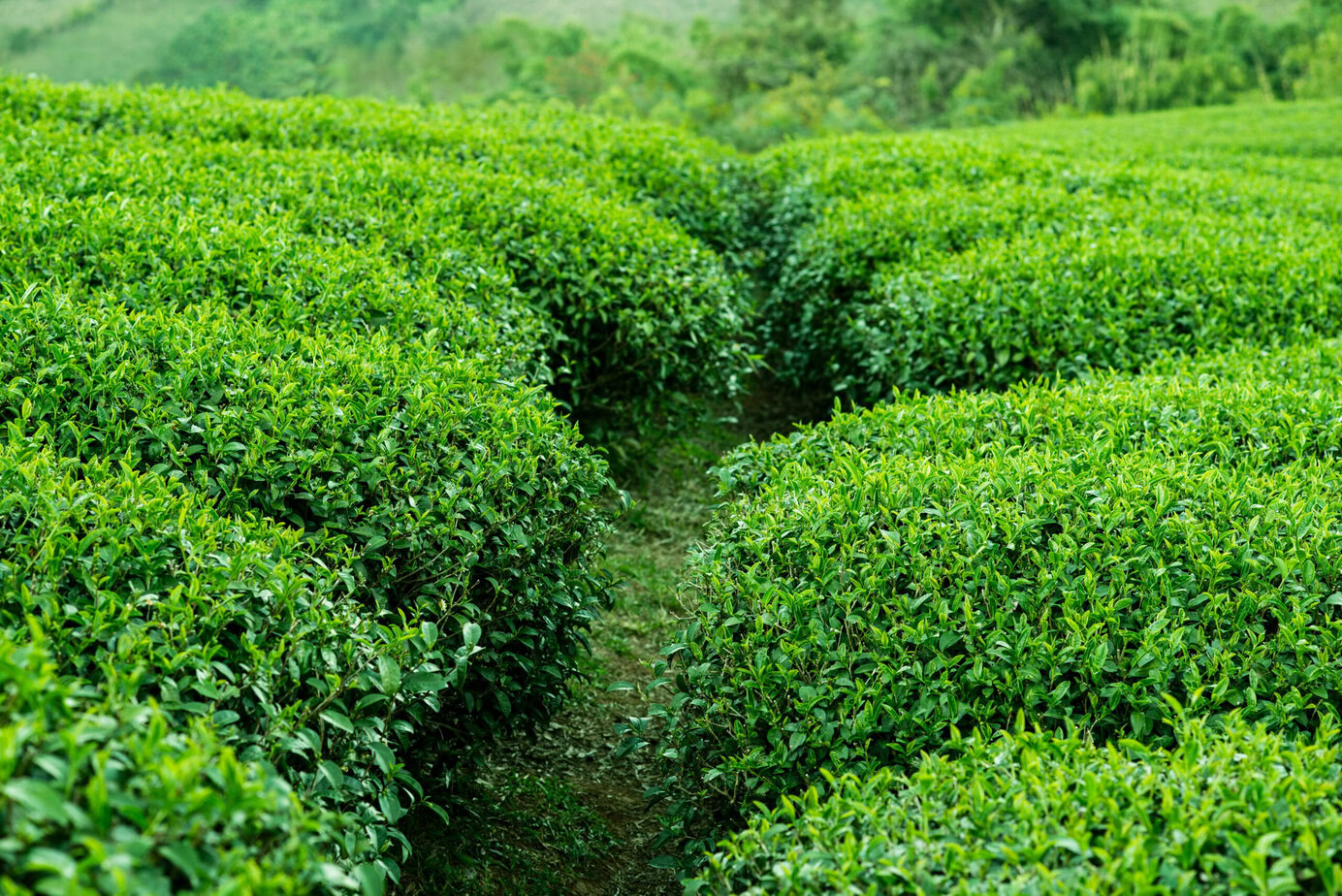
Shading is a decisive step, and the difference shows up clearly in the bowl. Weeks before harvest, producers reduce sunlight to encourage a deeper color: more chlorophyll and more amino acids such as L-theanine, which boosts umami, a profile also found in miso sauce. Historical documents mention shading of more than 95% (depending on the method). The difference is striking: the tea shifts from a sharper green to a rounder, deeper one.
High-quality matcha follows a precise sequence:
- Harvest young leaves, often favoring the tenderness of the first flush.
- Steam-fix them quickly to prevent oxidation and preserve their color.
- Dry the leaves flat without rolling them to produce tencha.
- Remove the stems and thick veins for a silkier texture.
- Grind slowly in a stone mill into an ultrafine powder (traditional mills are deliberately slow to avoid generating heat).
These very fine particles explain why good matcha can feel velvety, and why it foams so well when whisked, along with freshness, composition, dosage, and technique.
How to choose and store matcha
First, decide how you want to use it. Matcha meant to be enjoyed straight should be mild, umami-forward, and only lightly bitter. Matcha for lattes and pastries can be bolder, since milk, sugar, and fat soften bitterness and astringency, including in dessert-style drinks like a taro bubble tea with tapioca pearls. The distinction between “ceremonial” and “culinary” is not regulated everywhere, so treat it as a seller’s indication, not a guarantee.

When buying, look for clear signs of careful processing: shade-growing, a tencha base, steam-fixing rather than pan-fixing, fine grinding, and an ingredient list with just one item (100% tea). Then trust your senses: good matcha should be a vivid green, with a fresh, vegetal, slightly sweet aroma, not a smell of hay or staleness.
Warning signs include yellow-brown powder, aggressive bitterness, a stale aroma, poor foaming, vague information about origin or processing, and promises of “superior quality” at a suspiciously low price.
Store matcha like the fragile, aromatic ingredient it is: in an airtight, opaque container, away from heat and light. The refrigerator can help. If you do refrigerate it, keep it well sealed and let it return to room temperature before opening, to avoid condensation. Once opened, use it quickly to preserve its color and aromas.
For sourcing, the Asian grocery store map can also help you find reliable shops near you.
How to prepare matcha at home: two classic styles
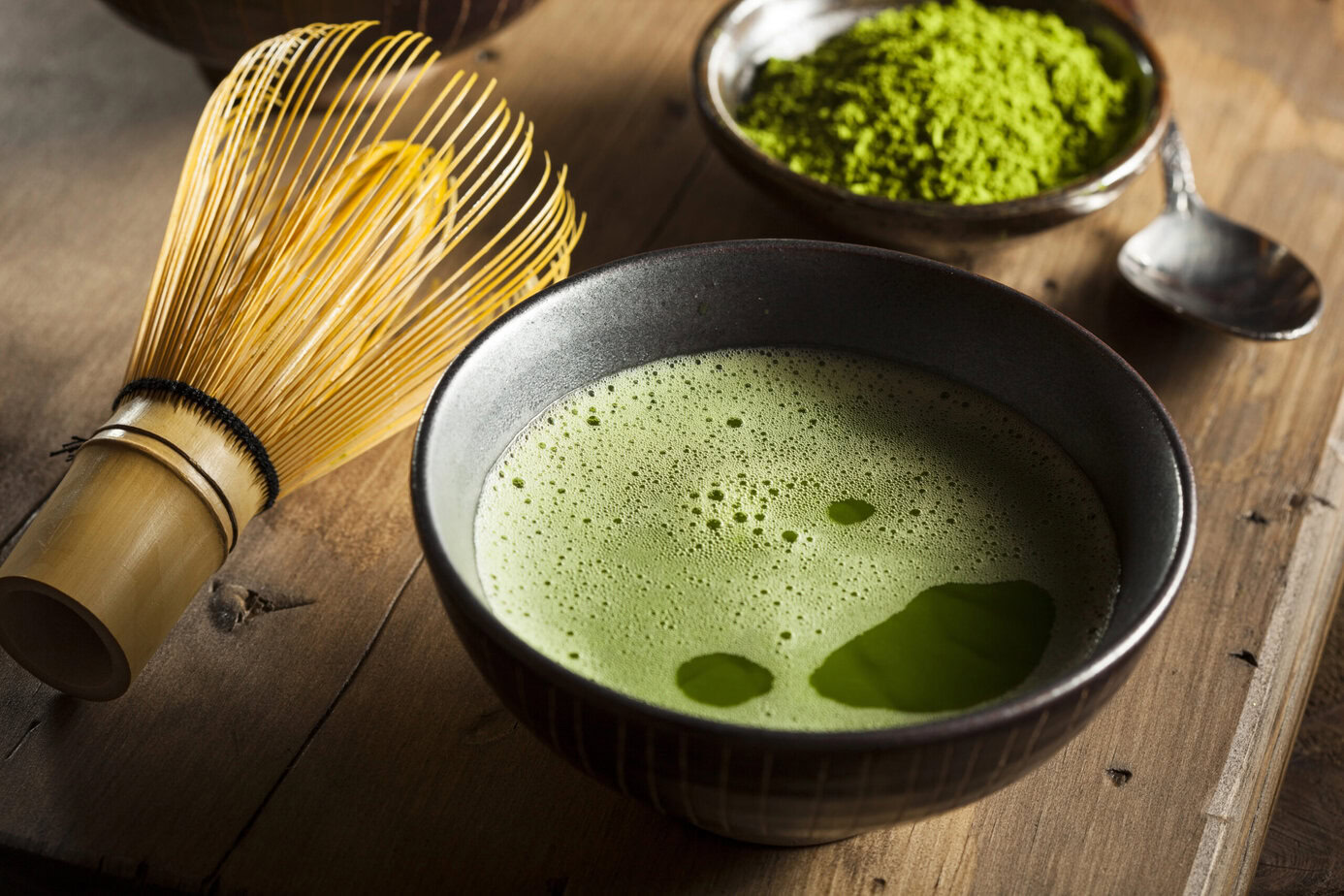
You don’t need a formal ceremony to make an excellent bowl of matcha, but a few utensils do make things easier: a chawan (bowl), a chasen (bamboo whisk), a chashaku (scoop) or teaspoon, and a fine sieve. A thermometer can also help at first, while you learn to judge water temperature without one.
Water matters. Many people prefer water around 70–80 °C for a gentler bowl; boiling water can accentuate bitterness and astringency, especially with lower-quality matcha. It’s a good starting point, then you can adjust the temperature and the powder-to-water ratio to suit your taste.
Usucha (thin matcha)
- Sift the matcha into a dry bowl to break up any lumps.
- Add a small splash of hot water, then whisk until smooth to form a paste.
- Add the remaining water, then whisk vigorously in a quick back-and-forth “M” (or “W”) motion, driven by the wrist, until a fine foam forms.
- Drink promptly; a little sediment is perfectly normal (stir gently if needed).
Koicha (thick matcha) uses more powder and less water. It is worked into a dense, glossy liquid without trying to create foam, and it highlights the quality of the matcha even more clearly. Once you can make a perfectly smooth bowl, it becomes much easier to adjust the flavors in matcha lattes and desserts, from mochi ice cream to dorayaki.
Key ingredients
- Matcha powder: adds color, umami, balanced bitterness, and a fuller texture, since the leaf itself is consumed.
- Hot water (about 70–80 °C to start): brings out sweetness and aroma while limiting harshness; it also creates the suspension that can be whisked into foam.
- Milk or a plant-based alternative (optional): softens bitterness and astringency, and adds roundness to matcha lattes.
- Sweetener (optional): useful with lower-quality matcha or for dessert-style drinks, for example with a touch of black sesame paste.
- A tiny pinch of salt (optional): can round out bitterness and enhance perceived sweetness, as long as you use it sparingly.
A few adjustments and sensory cues
- Lumpy matcha: sift the powder and start with a smooth paste before adding all the water.
- No foam: whisk faster with a tight wrist motion and check the water temperature; the powder may also be too coarse or stale.
- Too bitter / astringent: lower the water temperature, reduce the amount of powder, and avoid waiting too long before drinking.
- Grainy texture: sift and whisk longer; if you drink it plain, choose a finer grind.
- Expected profile: vivid green color, fresh vegetal aroma, velvety texture, gentle bitterness, and lingering umami.
One last tip: if a matcha disappoints you, don’t chalk it up to technique alone. Ask yourself this instead: what happened to this tea before it reached you? Shading, steaming, the tencha base, grind, and freshness often make all the difference. Matcha also pairs beautifully with something sweet, like coconut pearls or mango sticky rice. It can also round off a meal built around Japanese curry or gyoza.
Ingredients
Main ingredients
- 1 teaspoon matcha powder
- 100 mL hot water about 70–80 °C
- 100 mL milk or plant-based milk optional
- 1 teaspoon sweetener optional
- 1 small pinch salt optional
Instructions
Usucha (light matcha)
- Sift the matcha powder into a dry bowl to remove any lumps.1 teaspoon matcha powder
- Add a small splash of hot water, then whisk until a smooth paste forms.100 mL hot water
- Add the remaining water, then whisk vigorously in a quick back-and-forth motion until a fine foam forms.
- Drink right away; some sediment is normal, so stir gently if needed.
Koicha (thick matcha)
- Use more matcha powder and less water for a thicker preparation.
- Work the mixture until it becomes dense and glossy, without trying to create foam.
- Once smooth, adjust with milk, sweetener, or a pinch of salt to taste.100 mL milk or plant-based milk, 1 teaspoon sweetener, 1 small pinch salt
Notes
- Use water at 70–80 °C to keep bitterness in check.
- Adjust the powder-to-water ratio to suit your taste.
- Milk or plant-based milk softens the astringency and is ideal for lattes.
- Sweetener and a pinch of salt help balance the flavors.