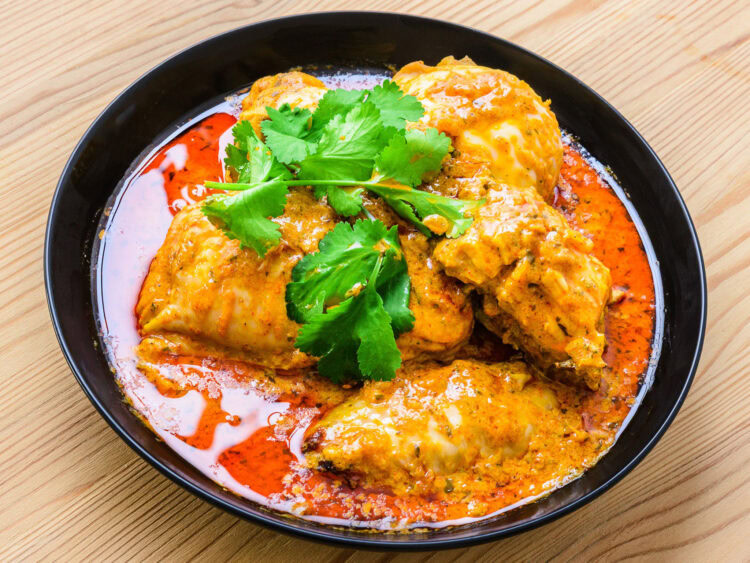
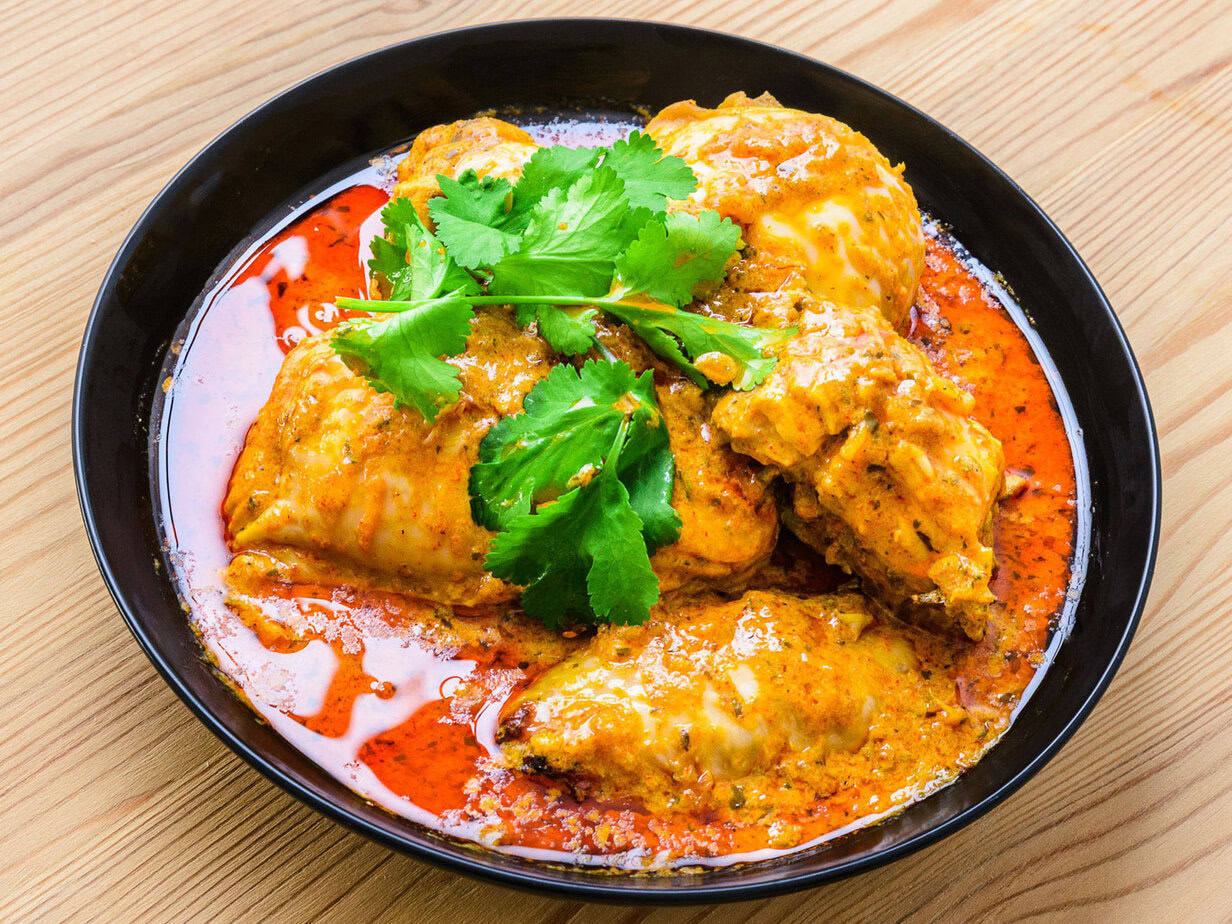
Meltingly tender chicken simmered in a creamy yogurt sauce, fragrant with whole spices and gently warmed with chili.
Chicken korma first announces itself with ghee gently sizzling in the pot. Bone-in chicken takes on a lacquered sheen, while cardamom, mace, and nutmeg perfume the kitchen. A few drops of kewra lift the steam.
Crushed fried onions melt into the yogurt to form a speckled sauce, as roghan rises to the surface: that amber film of spiced fat. This is chicken korma in its noblest form: deeply flavorful and beautifully fragrant.
What Is Chicken Korma?
The word korma, also spelled qorma, kurma, or qurma, comes from the Urdu qorma, which in turn comes from the Turkic kavurma, a term associated with braising or cooking meat in its own juices and fat. That lineage matters.
In the classic Mughlai and Old Delhi approach, korma is defined less by a fixed spice blend than by a technique. The meat is seared in fat, then cooked gently with very little added liquid. Its juices, along with the ghee and yogurt, become the sauce.
In the Mughal tradition, the dish rests on three essential ingredients: ghee, full-fat yogurt, and birista, the crisp fried onions that bring both sweetness and body.
The yogurt provides a gentle tang and tenderizes the chicken; the ghee carries the aroma of the whole spices; and the onions, crushed by hand rather than blended, bind with the yogurt to create the prized danedaar texture. The term means “grainy” or “speckled,” but on the palate the result remains quite delicate.
A classic Mughlai or Old Delhi korma is a far cry from a generic “curry” like a Japanese curry. It is not built around tomato, excessive turmeric, or Japanese curry powder. Nor is it meant to taste dessert-sweet. Its color ranges from ivory to deep amber; by the end of cooking, the roghan should separate clearly around the edges.
The Mughal Origins of Korma
The modern form of chicken korma was shaped in the Indo-Persian kitchens of the Mughal Empire, especially as documented in the 17th century. In the 18th century, it was further enriched in the later Mughal courts and the courts of the nawabs, with the use of thick yogurt (as in a lassi), nuts, and saffron.
Meat-cooking techniques from Central Asia met the dairy, spice, and grain traditions of northern India, along with breads such as chapati. The imperial table favored measured richness without harsh heat.
One of the clearest historical sources is the Nuskha-e-Shahjahani, a 17th-century Persian culinary manuscript that records recipes from the imperial kitchens of Emperor Shah Jahan.
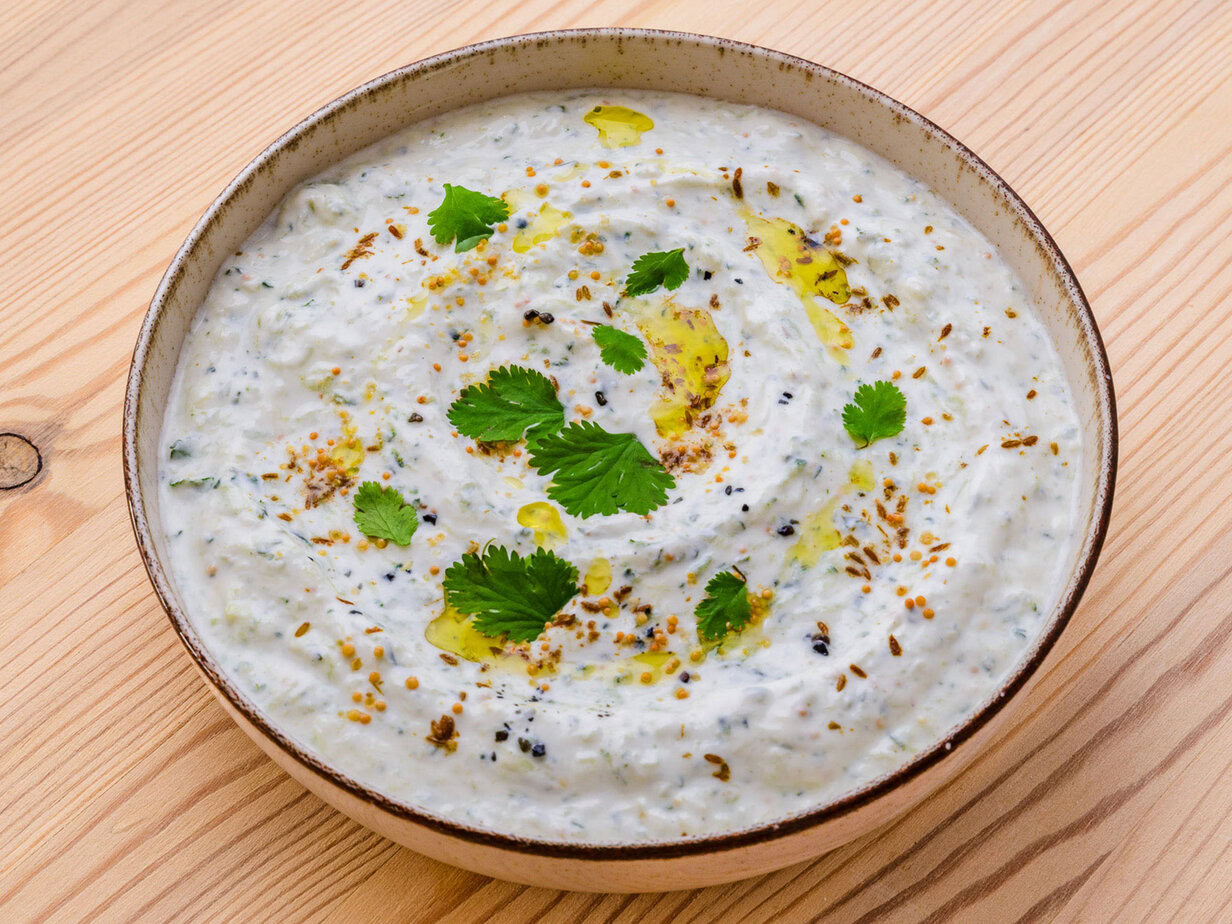
Studies of the three known copies of the manuscript, kept in Chennai, at the British Library in London, and at the Zakir Hussain Library of Jamia Millia in Delhi, reveal a style very different from many “Mughlai” kormas served in restaurants today. In the aristocratic reference version, there is little or no turmeric, garlic is used sparingly, and there is no tomato.
It is also said that a white korma, lightly scented with saffron, was prepared for the inauguration of the Taj Mahal, its pale color echoing the monument’s marble. Whether this is an apocryphal legend or a piece of culinary memory passed down over time, the story says something essential: courtly korma was meant to appear controlled and luminous, never flashy.
From camp kitchens to Old Delhi weddings, the technique was passed down mainly through practice rather than books. Chicken or mutton would simmer in yogurt.
Cardamom, cloves, cinnamon, and bay leaf infused the ghee. Kewra or rose water was added only at the end, just before covering the pot to trap the fragrance. Persian qaliya-style braises and the Indian use of whole spices ultimately formed a dish with a clear structure: fat, yogurt, onion, and slow cooking.
The Key Ingredients and Their Role
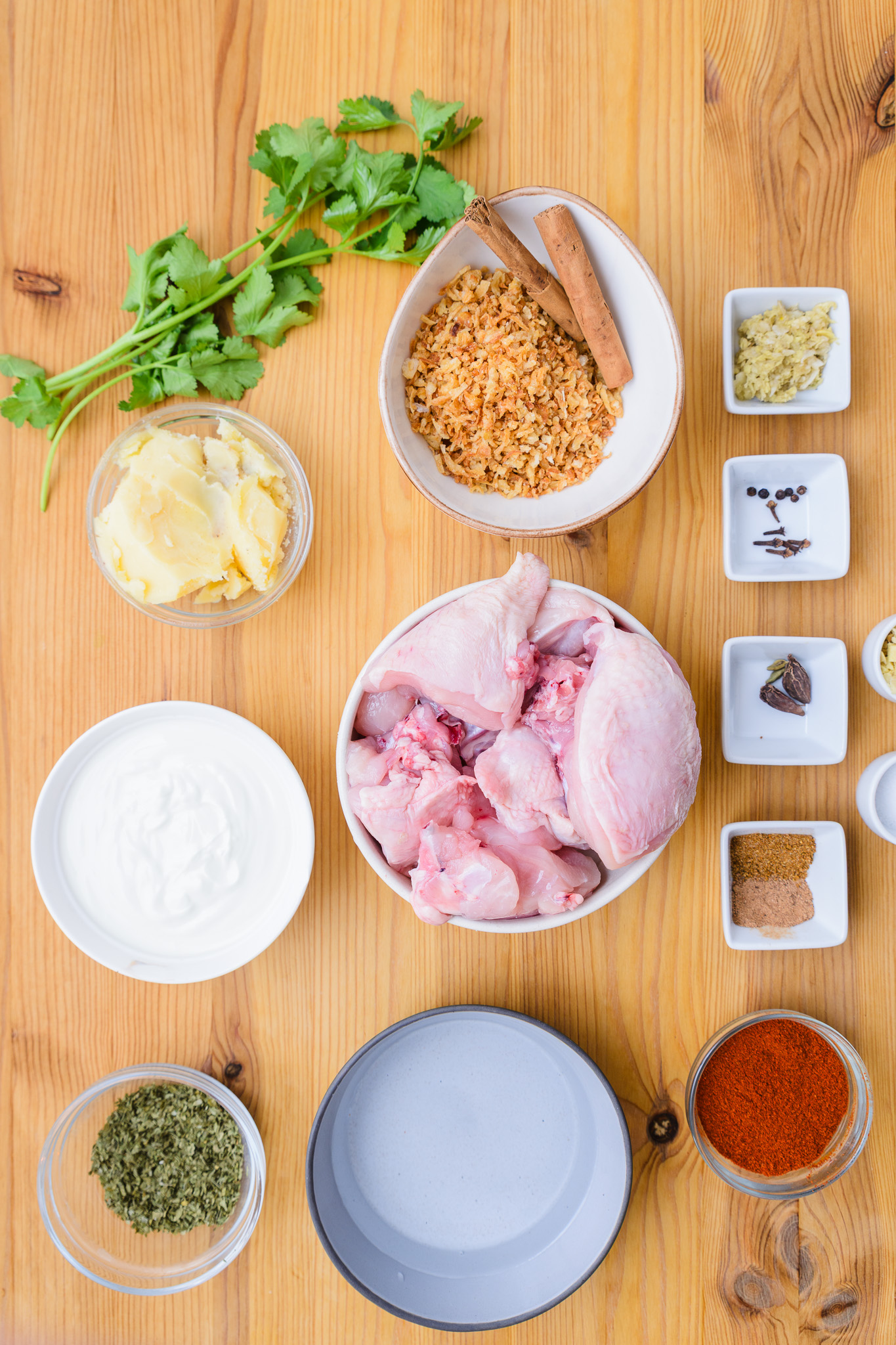
- Bone-in chicken, especially thighs and chicken drumsticks: these cuts are preferred because the connective tissue, cartilage, and collagen around the bone enrich the braise. They give body to the sauce without flour, cream, or artificial thickeners.
- Ghee: clarified butter can withstand the heat needed for searing and infusing the spices. It also forms the final roghan, that aromatic fat gleaming around the edge of the pot.
- Plain full-fat yogurt: this is the dish’s main liquid and its acidic element. It tenderizes the chicken, helps form the emulsion, and should be fresh, not overly sour. Whisk it until perfectly smooth before cooking.
- Birista: finely sliced onions are fried until crisp and golden. They bring sweetness, savory depth, and danedaar texture. Once cooled, they are crushed by hand rather than blended into a wet paste.
- Ground coriander: it provides a warm, savory base that gives the dish body without making it hot or aggressive.
- Kashmiri red chili powder: it is used mainly for deep red color and moderate warmth, not intense heat.
- Ginger and garlic: they add a pungent lift, but in courtly versions they are used with restraint so the floral and lactic notes can shine.
- Whole spices: green cardamom, black cardamom, cloves, cinnamon, and bay leaf infuse early in the hot ghee and anchor the sauce from the first crackle.
- Khushboo ka masala: mace, nutmeg, and often cardamom are ground just before use and added late to preserve their volatile fragrance.
- Kewra, rose water, and saffron: kewra and rose water give the signature floral note of royal kitchens; saffron infused in warm milk adds fragrance and a subtle golden hue.
- Optional nut or seed pastes: the basic version does not need them. In courtly variants, especially shahi, awadhi, and lucknowi, pastes made from cashews, almonds, white poppy seeds, or makhana add a silky ivory finish and gentle sweetness.
- Salt: it seasons the braise; in the Old Delhi method described, it is added after the first simmer, once the yogurt has stabilized.
- Very little water: a korma should rely on yogurt, the meat’s juices, and fat. Add water only if needed to loosen the sauce.
- Ingredients to avoid in a Mughal korma: tomato disrupts the yogurt’s lactic balance; too much turmeric masks the dish’s pale color; industrial cream, sugar, and creamed coconut push it toward the sweetness typical of takeaway dishes.
Signs of Authenticity and Major Styles
The quickest way to assess a korma is to look at its surface and texture. A Mughal-style chicken korma should not be uniformly smooth. It should show the danedaar grain of crushed birista, a clear roghan around the edges, and a color somewhere between ivory, gold, and amber rather than fluorescent yellow. The aromas should unfold in sequence: browned onion, gentle tang from the yogurt, warmth from whole spices, then notes of mace, nutmeg, and kewra.
In Old Delhi, shaadiyon wala, or wedding korma, is rich and savory. It is built on yogurt, onions, a generous amount of ghee, oil, or a mixture of the two, as well as coriander, Kashmiri chili, and a khushboo ka masala added late. It usually does without nut pastes or cream, relying instead on slow reduction to thicken the sauce.
Shahi, awadhi, and lucknowi kormas aim for a more refined style, with almond, cashew, poppy seeds, makhana, saffron, and floral waters added for an ivory, velvety finish. Interpretations from the Kashmiri wazwan tradition put yogurt more firmly in the foreground, often using Kashmiri chilies for a soft red hue while avoiding turmeric; some versions add fresh fenugreek for a slight bitterness that balances the dish’s richness.
Some South Indian adaptations, especially around Hyderabad, incorporate coconut milk, grated or dried coconut, and local aromatics such as curry leaves. They are delicious in their own way, but they follow a different logic from the Shah Jahan-era or Old Delhi models.
Because they use coconut, they can evoke other Asian curries, such as Thai red curry or Thai green curry chicken. Panang beef curry and cà ri gà also fit into this family.
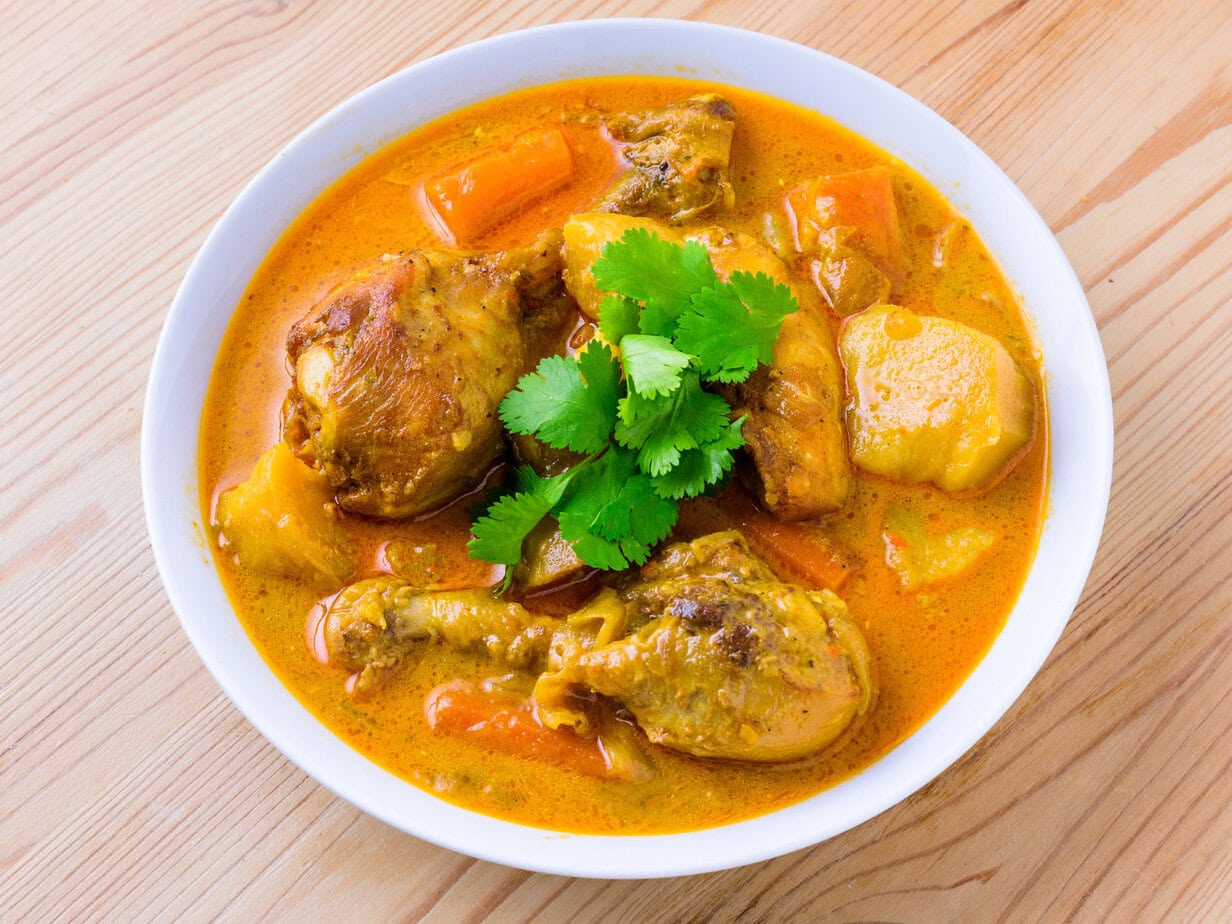
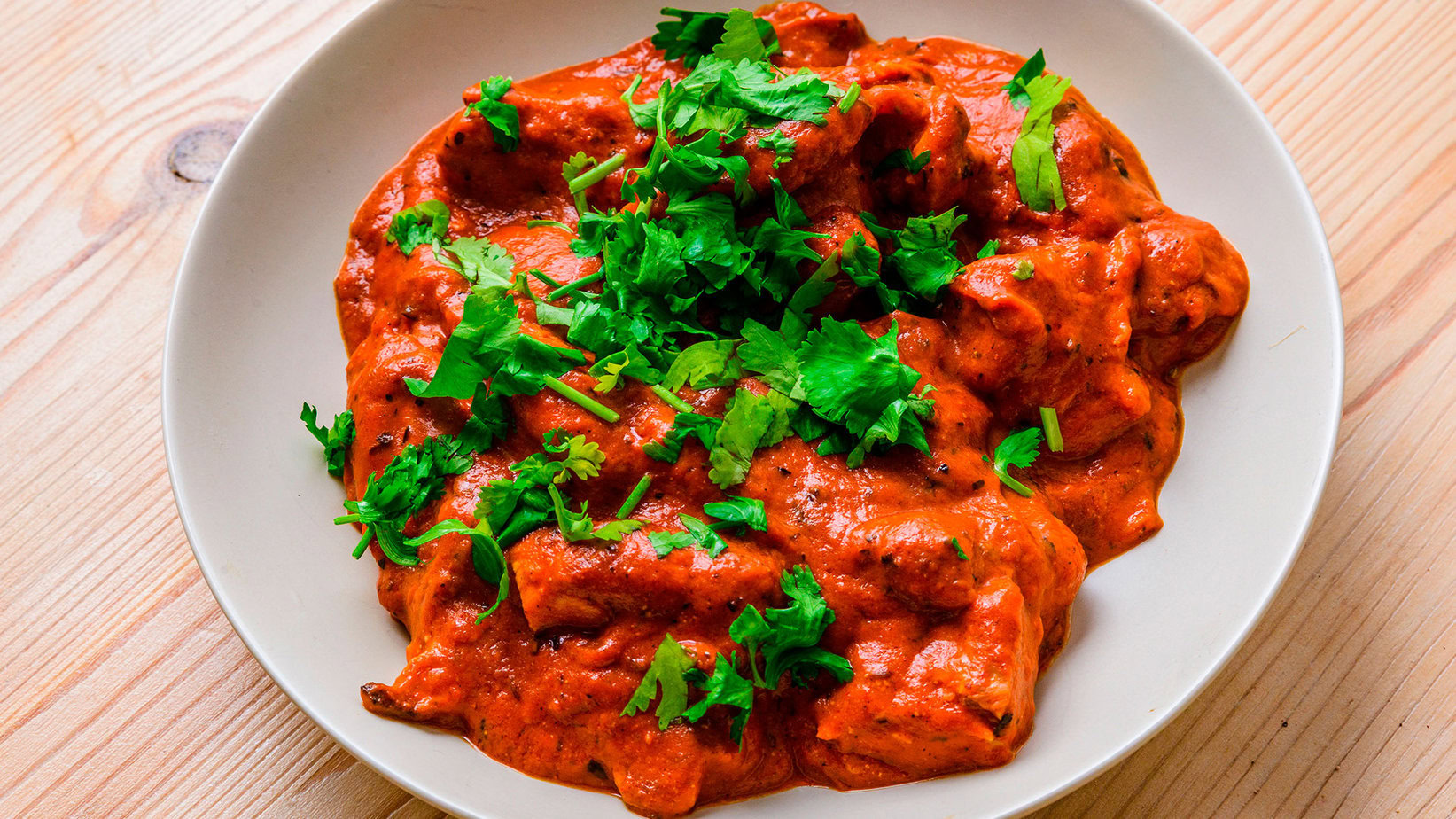
These adaptations are not based on a Thai yellow curry paste, however, but on their own regional logic. The British Indian restaurant version strays even further from this model. A base sauce, cream, sugar, creamed coconut, turmeric, and a quick finish in a pan produce a sweet, very smooth sauce, closer to restaurant-style chicken tikka masala. Often, very little remains of the slow-braised grain, the roghan, and the discreet fragrance that define the old dish.
Ingredients
- 1 kg chicken
- 350 g plain yogurt whisked
- 150 g fried or dried onions
- 1 teaspoon garlic and ginger ground
- 3 teaspoons red chili ground
- 3 teaspoons coriander ground
- 1 tablespoon ginger minced
- 1 teaspoon kewra water optional
- 0.25 teaspoon nutmeg ground
- 0.25 teaspoon mace ground
- 2 black cardamom pods
- 2 green cardamom pods
- 6 cloves
- 6 black peppercorns
- 2 pieces cinnamon stick
- 1.5 teaspoons salt
- 190 g ghee
- 240 ml water
Instructions
Preparation
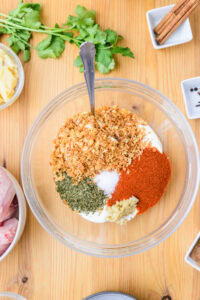
- In a bowl, combine the yogurt with the ground garlic and ginger, ground red chili, ground coriander, fried or dried onions, and salt.350 g plain yogurt, 1 teaspoon garlic and ginger, 3 teaspoons red chili, 3 teaspoons coriander, 150 g fried or dried onions, 1.5 teaspoons salt
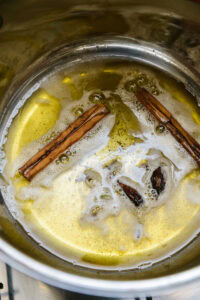
- Heat the ghee in a pot. Add the black and green cardamom pods, cloves, black peppercorns, and cinnamon, then sauté for 2 minutes.190 g ghee, 2 black cardamom pods, 2 green cardamom pods, 6 cloves, 6 black peppercorns, 2 pieces cinnamon stick
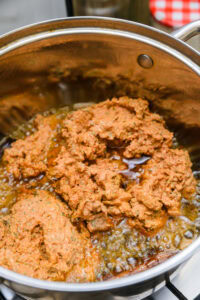
- Add the yogurt mixture to the pot and sauté for 5 minutes, stirring regularly.
- Add the chicken and sauté for a few minutes, turning to coat it well.1 kg chicken
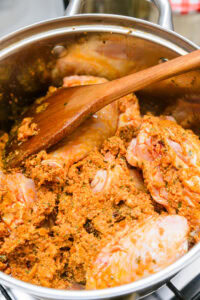
- Pour in the water, then cook over medium heat until the chicken is tender and the sauce has thickened.240 ml water
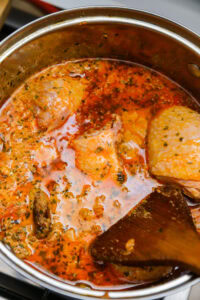
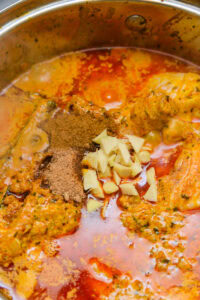
- Remove from the heat, or wait until the very end of cooking, then add the kewra water (if using), nutmeg, mace, and minced ginger. Stir to combine.1 teaspoon kewra water, 0.25 teaspoon nutmeg, 0.25 teaspoon mace, 1 tablespoon ginger