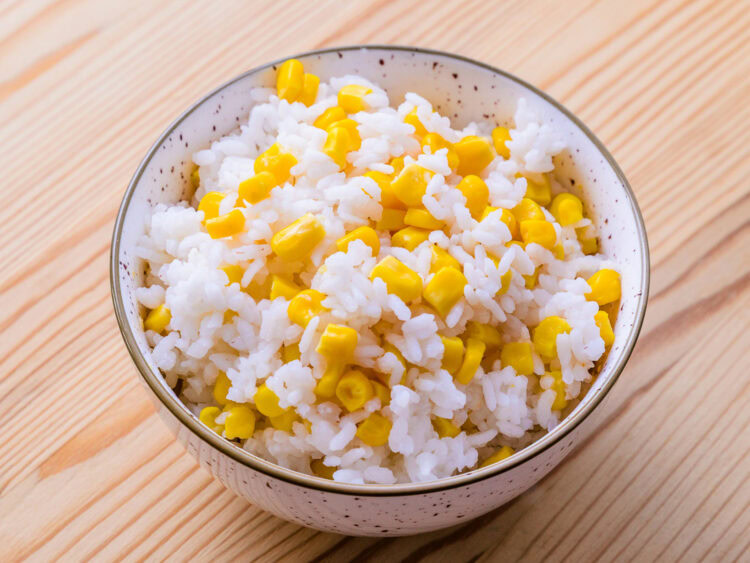
A Japanese summer rice dish in which sweet corn and its cob perfume the entire pot, with no butter or stock.
It’s hot, corn is at peak sweetness, and it’s the perfect time to add it to rice. tōmorokoshi gohan smells like buttered corn on the cob even though there isn’t a pat of butter in the pot : it’s the raw kernels and the stripped cob, laid over the rice, that perfume the steam.
Lift the lid and the yellow kernels gleam among the pearly grains of rice; every bite tastes clearly of fresh corn. It seems too simple to surprise, right up to the first spoonful.
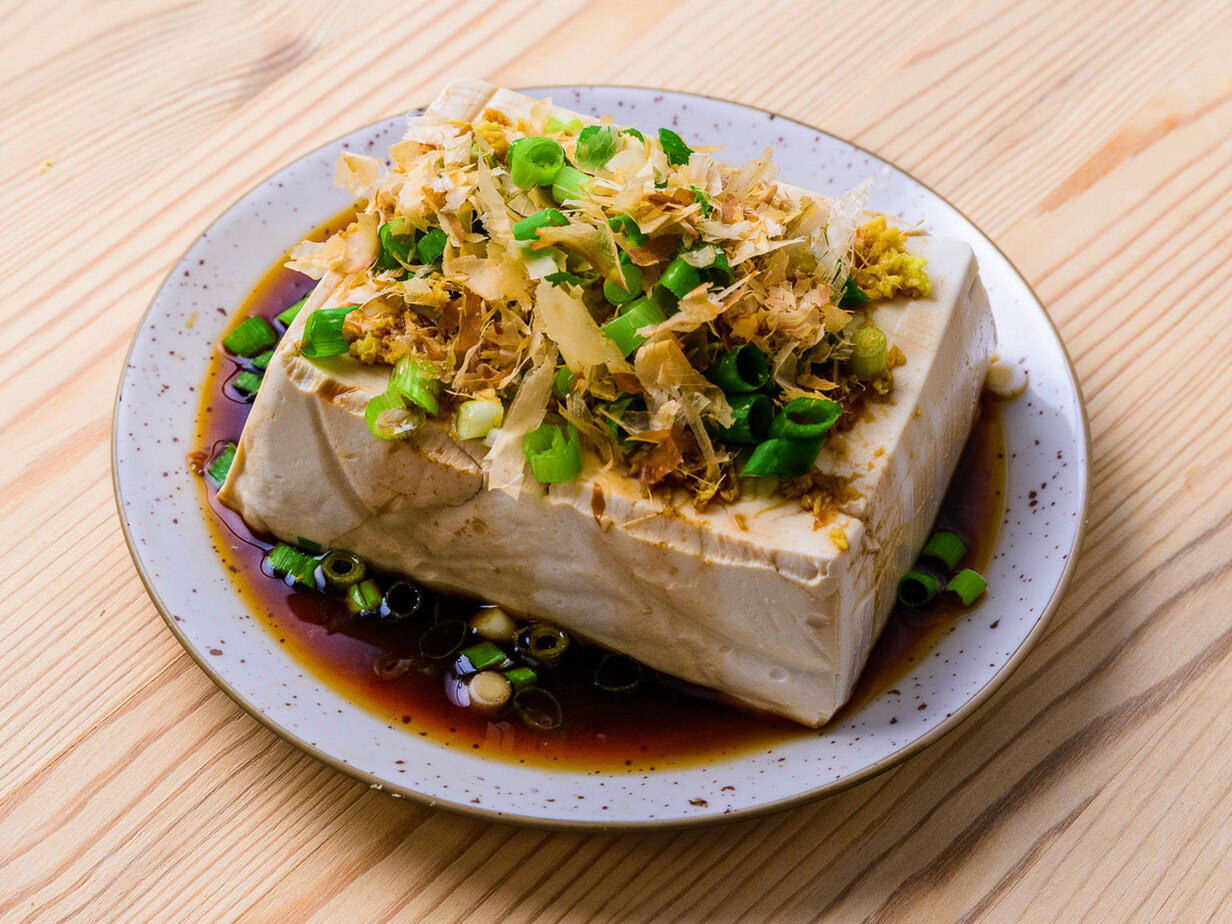
What Is Tōmorokoshi Gohan ?
The name is as straightforward as it gets : tōmorokoshi means corn, and gohan refers to cooked rice and, more broadly, the meal itself. The word tōmorokoshi was first used for sorghum from abroad before eventually settling on corn.
The recipe shows the same restraint as its name : short-grain Japanese rice, fresh raw sweet corn, and just enough seasoning to keep the corn front and center.
The step that makes all the difference is the shin. After slicing off the kernels with a knife, the stripped cob goes on the rice before cooking. As it steams, it releases sugars and aromas, so even bites without kernels still taste of corn.

From Mountain Corn to the Tables of Edo
Corn arrived in Japan in 1579 with Portuguese navigators, likely via Nagasaki or Shikoku. The first varieties were hard and mealy, rich in starch and low in sugar.
In the mountain villages of northern Miyazaki, around Takachiho, Gokase, and Hinokage, this hardy corn became a staple of necessity : dried under the eaves, pounded in a mortar, then cooked with rice or barley under the name tōkibi-meshi, where it made up 10 to 20 % of the mixture.
In Edo, corn also found its way onto refined tables : the restaurant Yaozen left behind a recipe for morokoshi asari gohan, pairing corn with clams. The modern version, with fresh sweet kernels, came later : in the Meiji era, Hokkaidō imported American sweet corn varieties such as Golden Bantam, already well established by 1904.
From survival food, tōmorokoshi gohan became a summer staple of Japanese cuisine, built around the freshness of corn.
The Main Ingredients in Tōmorokoshi Gohan
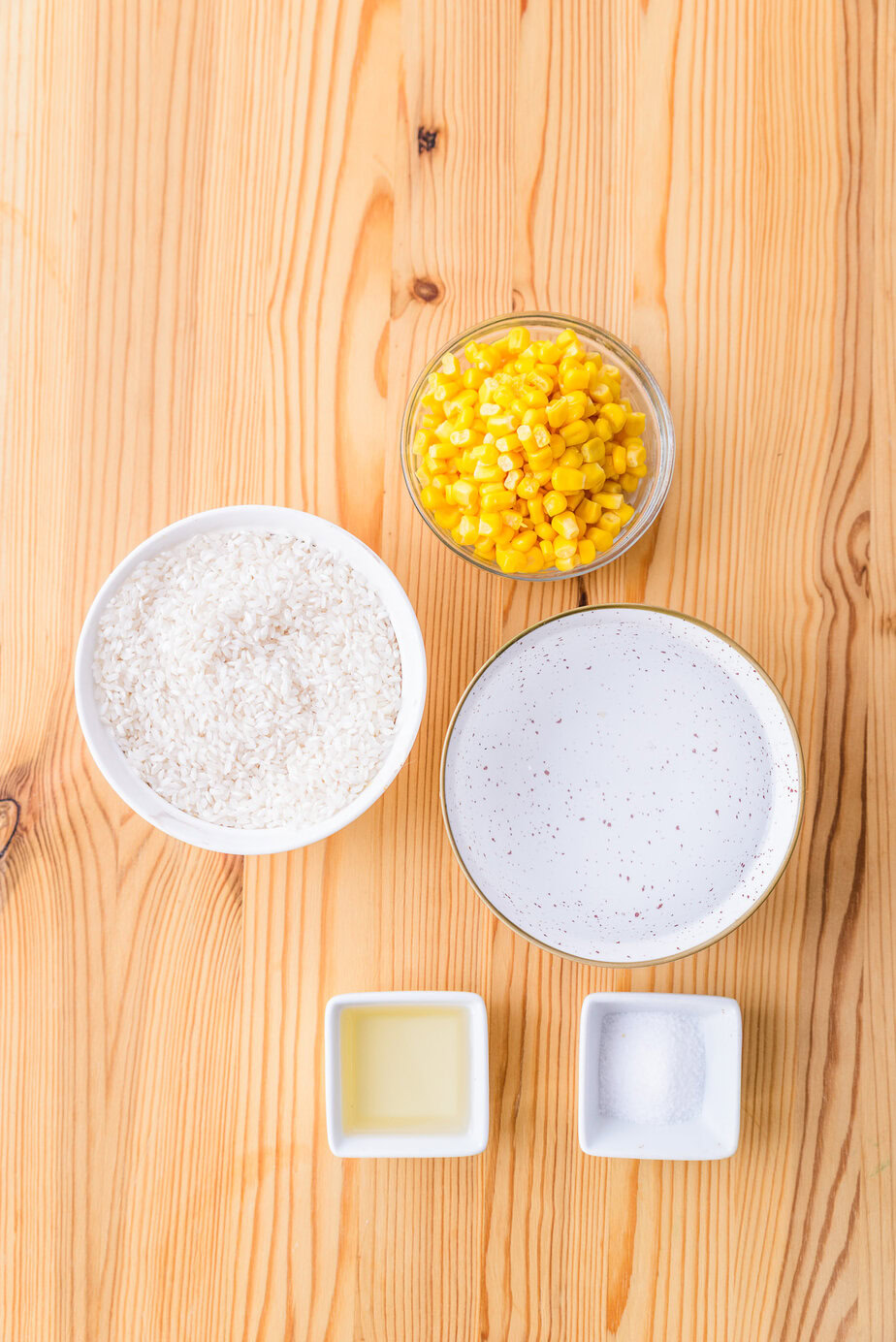
Japanese short-grain white rice gives the dish its glossy, slightly sticky texture ; it absorbs the sweetness of the cob while the grains still stay distinct. One large, very fresh ear of sweet corn does the rest : the raw kernels bring juiciness and crunch, while the stripped cob perfumes the steam.
Seasoning stays restrained : salt to highlight the sweetness, and a splash of sake to tenderize the kernels and soften any vegetal notes.
To keep the rice pale, use a light soy sauce, usukuchi or shiro shoyu, rather than dark soy sauce : they add salty umami without darkening the grains, and shiro shoyu brings a hint of sweetness as well. A small piece of kombu or a very light kombu dashi can add background umami, but bonito or chicken stock would overwhelm the cob’s delicate infusion.
Signs of Authenticity
The clearest sign of authenticity is when the corn goes in : the raw kernels and the cob cook with the rice, never boiled or pan-fried separately, and never stirred in at the end. The seasoning stays understated, focused on salt and sake.
In Hokkaidō, a finish of butter and caramelized soy sauce evokes the grilled corn sold at festivals, a richer take than the classic version. Avoid garlic, chili, chicken stock, or precooked corn, all of which flatten the flavor. Done right, the rice smells and tastes of corn all the way through, even in the plain grains.
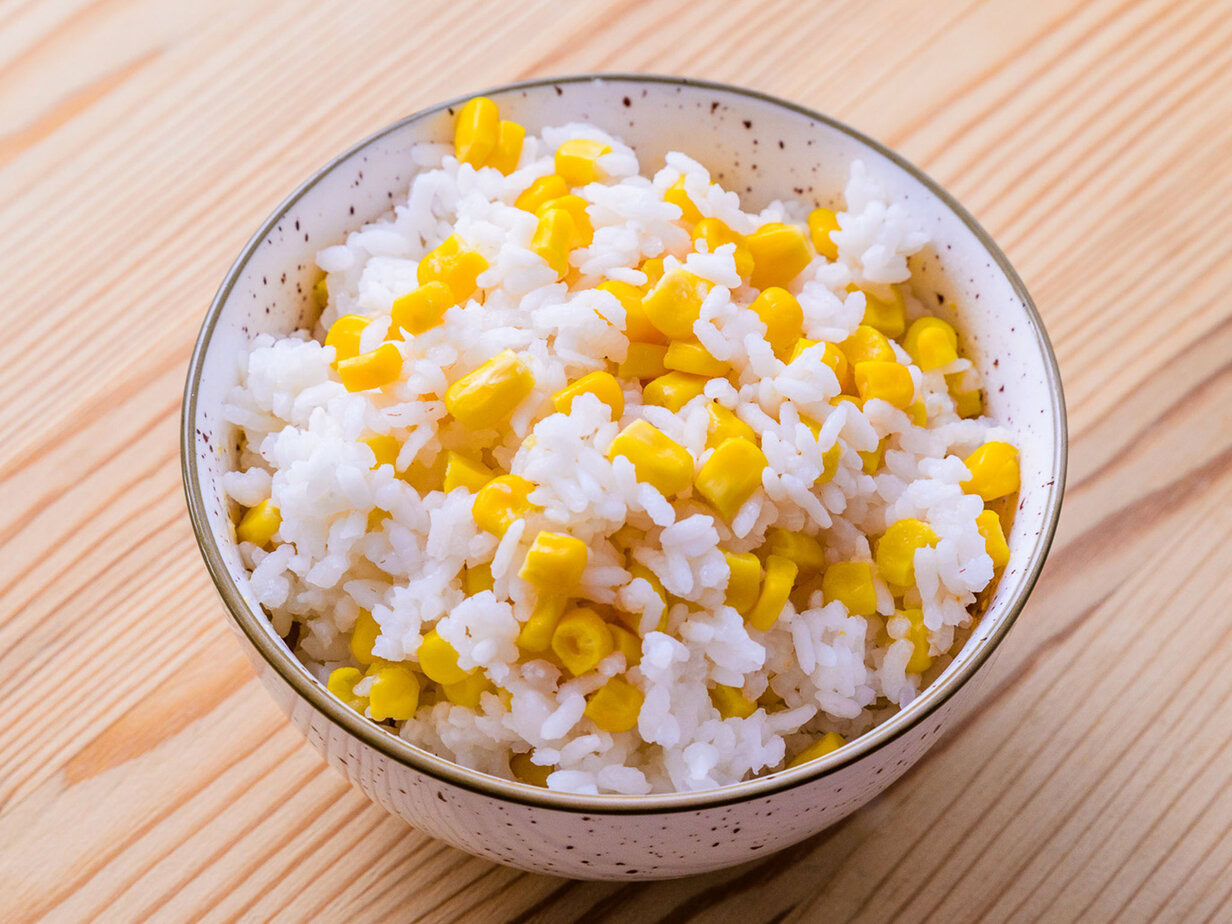
Ingredients
- 350 g Japanese short-grain rice dry weight
- 1 ear corn fresh (or frozen raw corn if fresh is unavailable)
- 360 ml water
- 2 teaspoons sake
- 0.5 teaspoon salt
Instructions
Preparation
- Rinse the rice.350 g Japanese short-grain rice
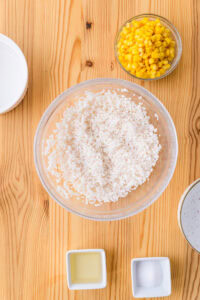
- Soak it for 15 minutes.
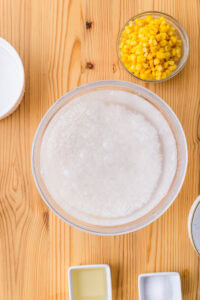
- Drain it in a colander.
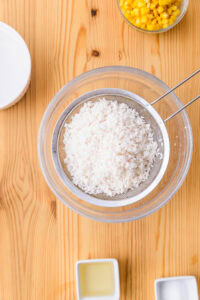
- Remove the corn kernels from the cob.1 ear corn
- Toss the corn kernels with the salt.0.5 teaspoon salt
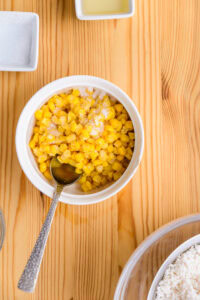
- Mix the sake with the water.2 teaspoons sake, 360 ml water

- Add the rice, sake water, and corn kernels to the pot.
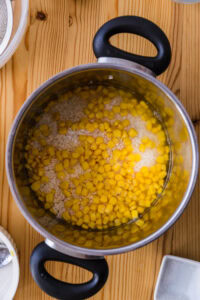
- Bring to a boil over medium-high heat with the lid off.
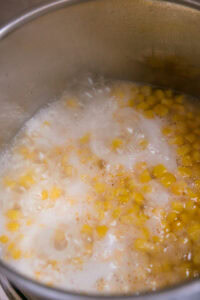
- Once it comes to a boil, stir once.
- Set the corn cob on top.On the day of the shoot, I couldn't find whole corn at the store, so I used frozen raw corn instead.
- Cover.
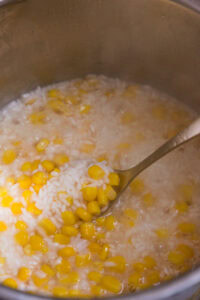
- Cook over low heat for 10 minutes.
- Turn off the heat, then let it rest, covered, for 10 minutes.
- Remove the corn cob.
- Gently fluff the corn and rice together before serving.