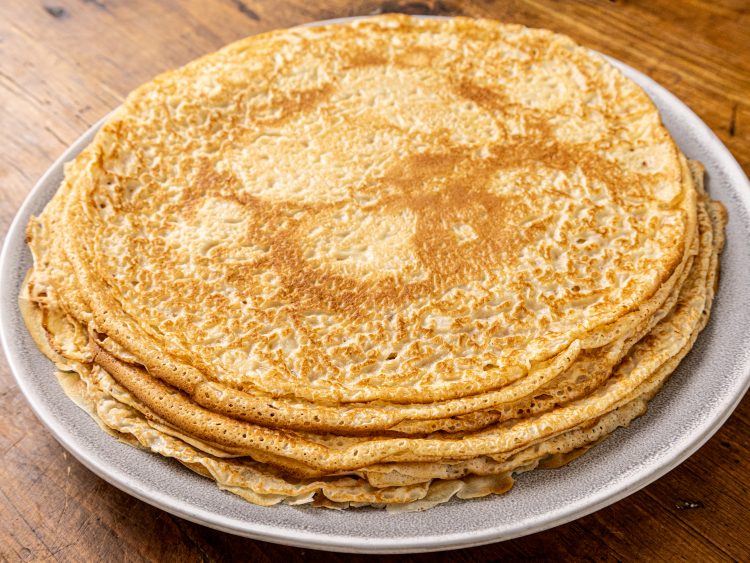
Thin, golden wheat crêpes made with whole milk and brown butter, to be filled with sugar, lemon or jam.
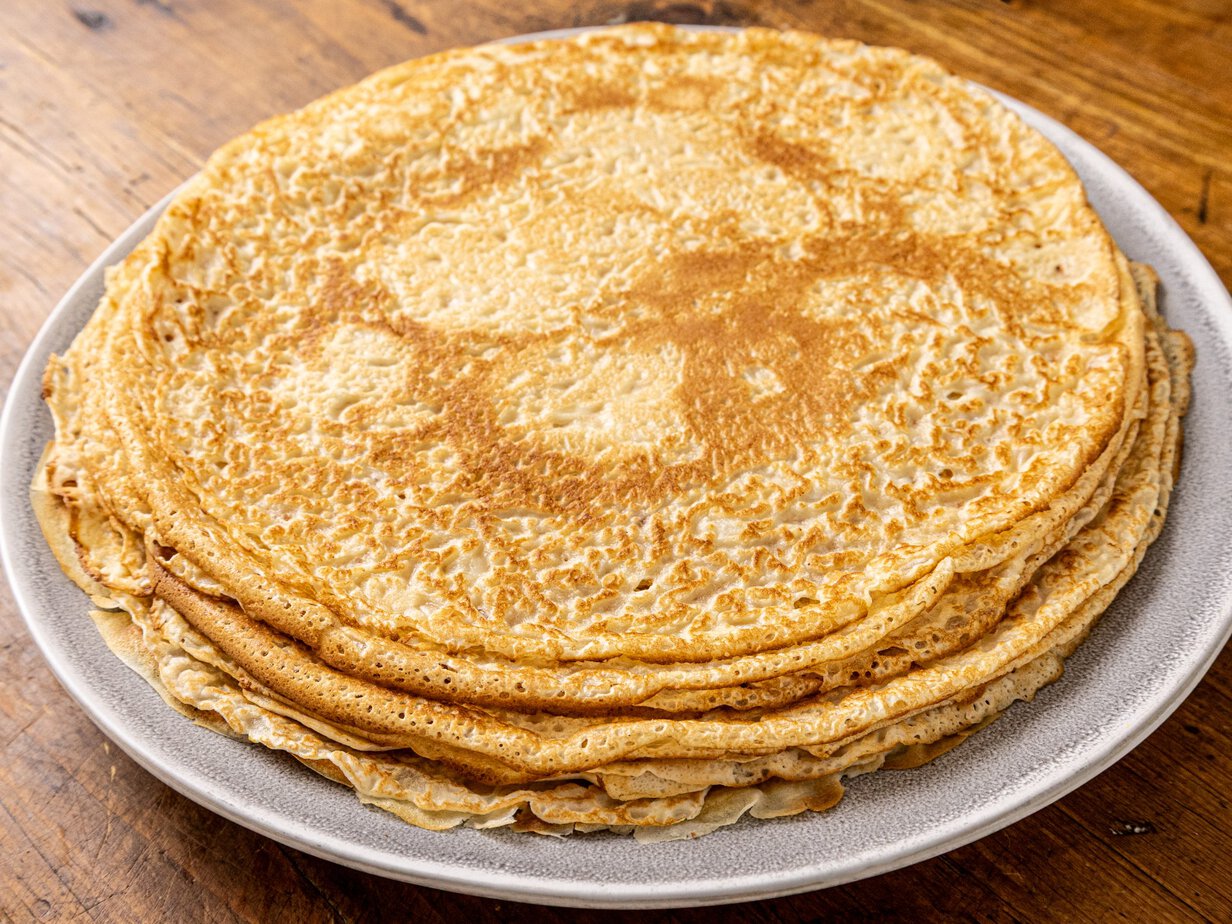
On a gray Sunday or a Wednesday after school, a stack of warm crêpes is all it takes to bring everyone to the table. They fold into quarters without tearing, speckled with gold, their edges just barely crisp, with that toasty brown-butter aroma filling the kitchen.
A squeeze of lemon and a sprinkle of sugar on one, a spoonful of homemade El Mordjene spread on the next. The stack shrinks fast, and everyone fights over the last one.
What Is a Crêpe?
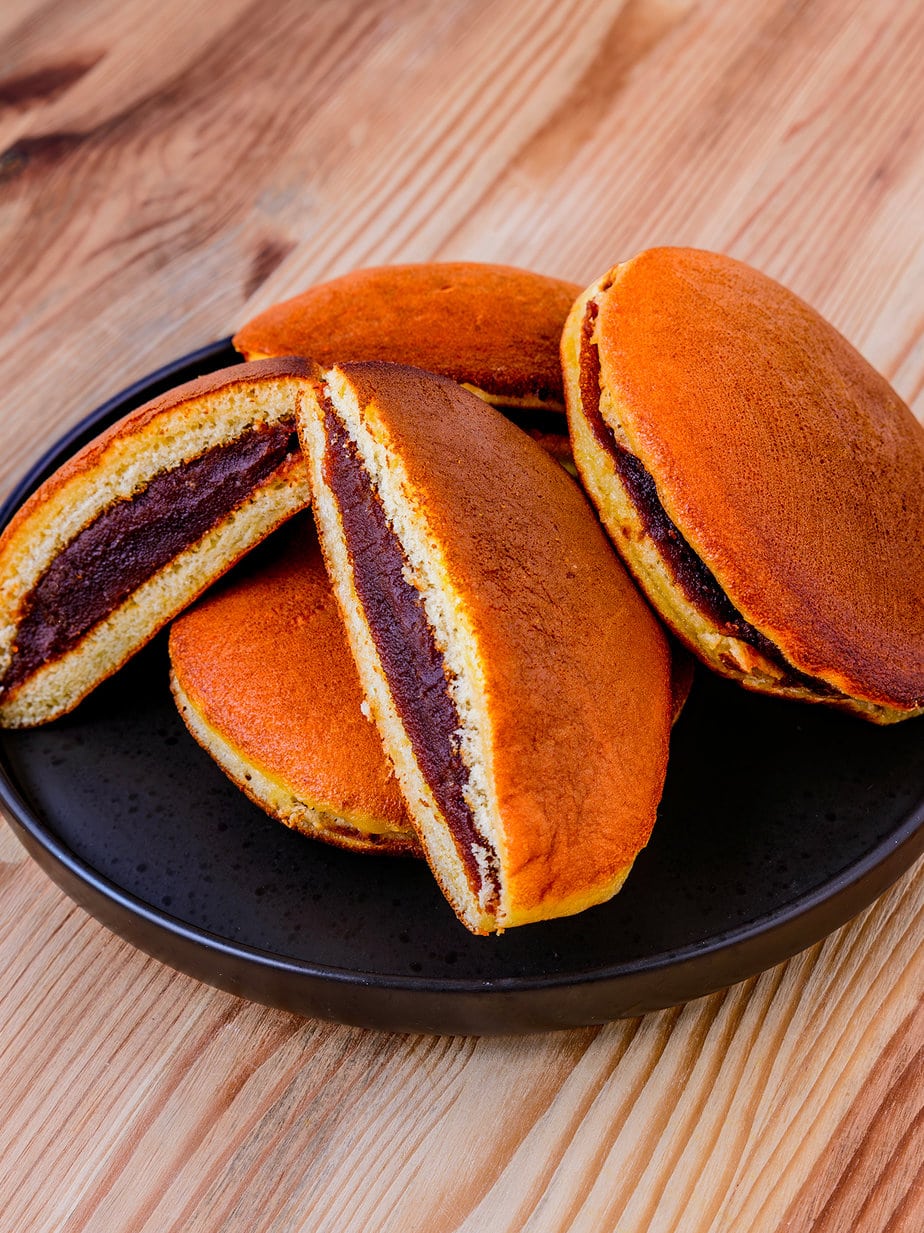
It’s a very thin, unleavened pancake made from wheat flour, milk, eggs, butter and salt. It is much thinner and more pliable than American pancakes, which are puffed up with baking powder, or Japanese soufflé pancakes, which get their lift from stiffly beaten egg whites.
This batter contains no sugar: the sugar comes with the filling, at the table.
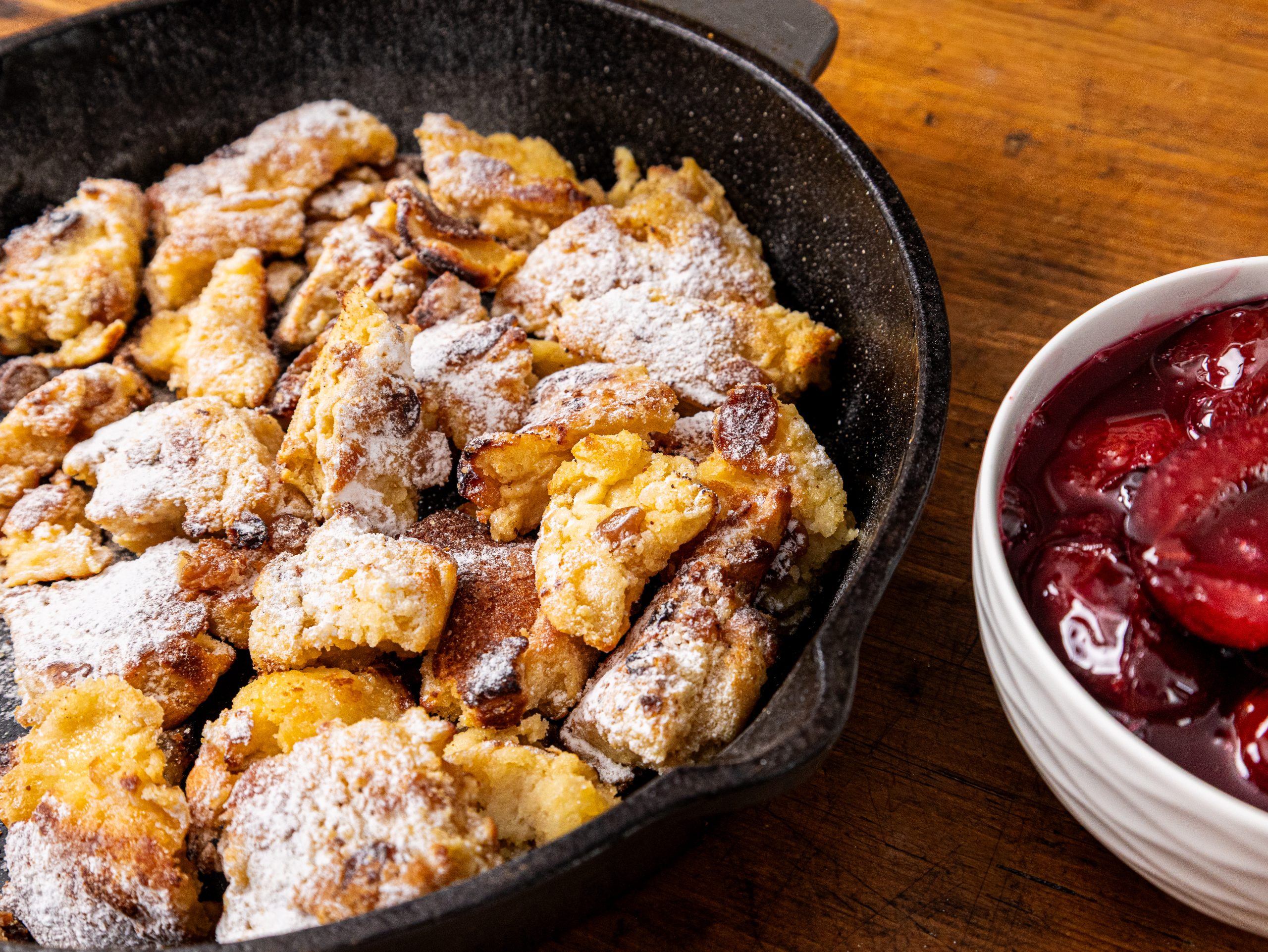
The Breton galette is a different dish. It’s made with buckwheat flour, also called black wheat, and filled with ham, egg and cheese.
In Upper Brittany, people distinguish the buckwheat galette from the wheat crêpe, which is served sweet; in Lower Brittany, the galette is sometimes called a black-wheat crêpe. On the savory side, Asia has its own crêpes too, such as Vietnamese bánh xèo and Korean pajeon.
A Candlemas Tradition
Crêpes come from a long French tradition of thin griddle cakes, with no known inventor or date of birth. Wheat crêpes are made in homes all over France, most often in a frying pan rather than on the large griddles used in crêperies.
They are traditionally eaten at Candlemas, on February 2: their round shape and golden color recall the sun and the return of the light. Custom has it that you flip a crêpe while holding a coin in your other hand. Catching it is said to bring good luck for the whole year.
The rest of the year, they come back as an afternoon snack, much like Japanese dorayaki or Korean hotteok.
The Main Ingredients in Crêpes
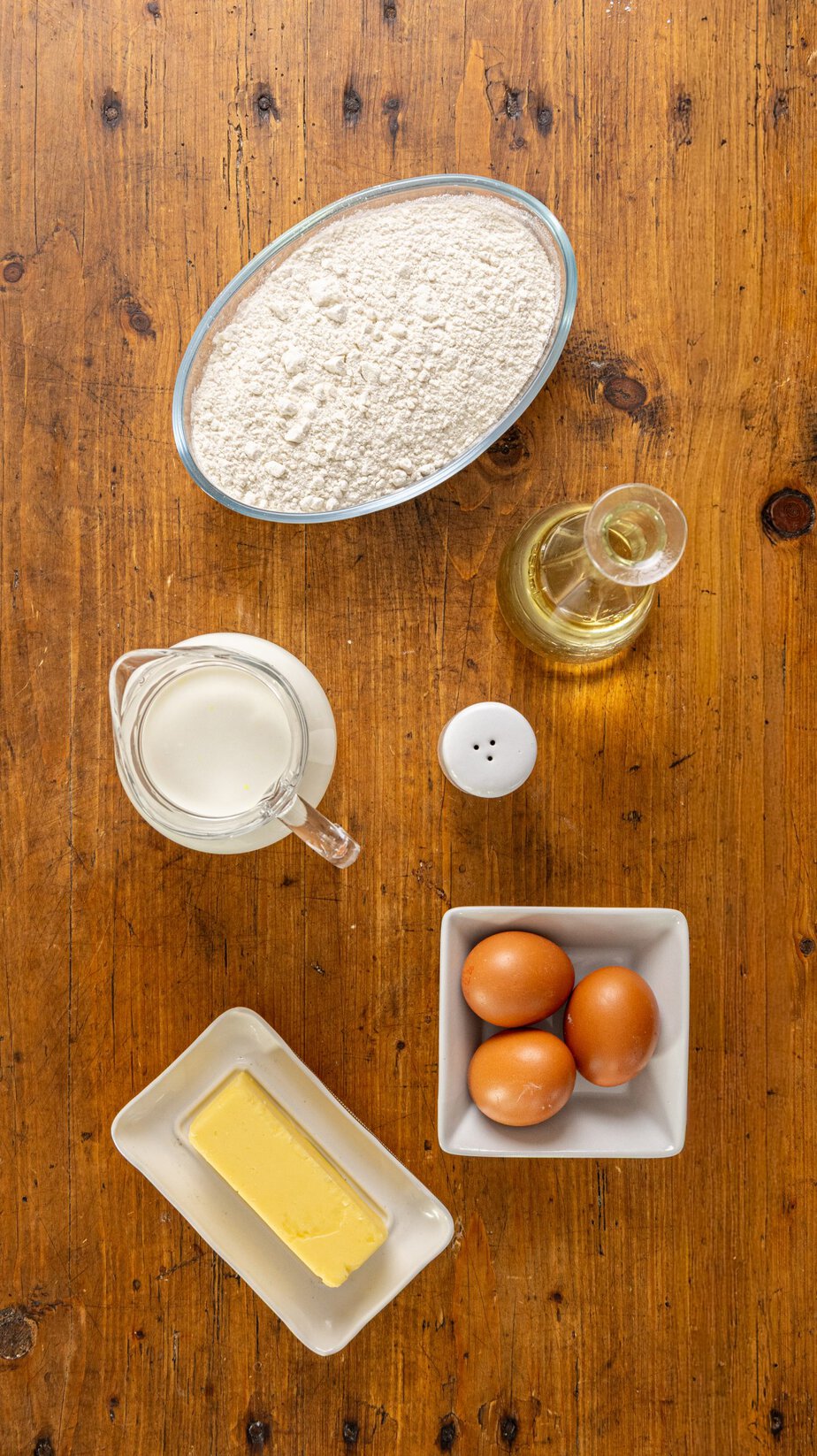
The batter comes down to four ingredients: all-purpose flour (T55), salt, eggs and whole milk, all at room temperature. The flour is sifted to prevent lumps, and the milk goes in a little at a time for a smooth batter.
The butter is browned: you heat it until it starts to color, and its milk solids take on a toasty aroma reminiscent of hazelnuts. Despite its French name, beurre noisette (hazelnut butter), brown butter contains no nuts. For greasing the pan, a paper towel soaked in oil is all you need.

There’s no sugar in the batter, and that’s on purpose: it caramelizes as the crêpe cooks and makes it stick. Still, many families add a tablespoon or two for more golden edges.
Technical Tips for Thin Crêpes
The batter rests, covered, for at least 30 minutes at room temperature. The flour hydrates and the gluten relaxes: without that rest, the crêpes turn out more elastic. If you make it the day before, it can wait 12 to 24 hours in the refrigerator.
The crêpe pan should be hot, but not too hot: a few drops of water should bead up and roll across it. The first crêpe is often used to adjust the heat, and it’s normal if it’s a flop.
Fillings, Serving and Storage
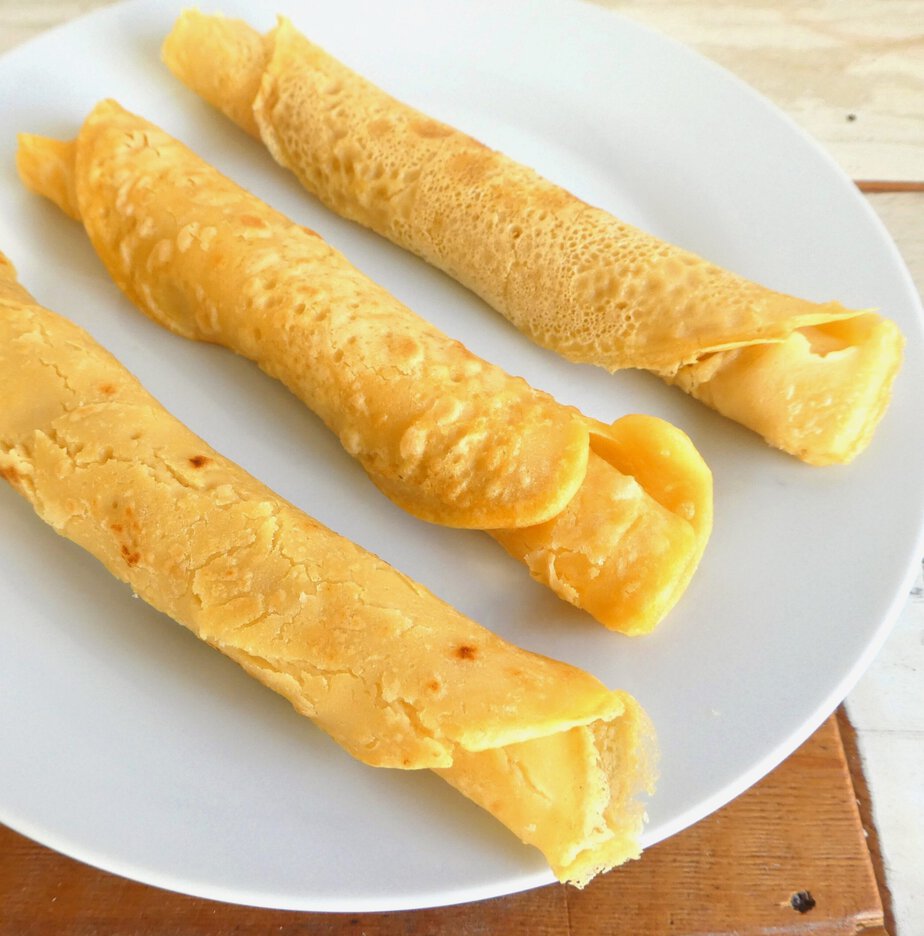
Butter and sugar, lemon and sugar, strawberry or apricot jam, chocolate-hazelnut spread with banana slices, chestnut cream or salted butter caramel: spread it on, then fold the crêpe in half, and in half again.
A few chopped roasted hazelnuts add crunch. For a change, try anko, a sweet red bean paste, or black sesame paste.
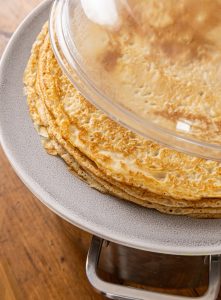
While you’re cooking, the crêpes wait on a plate set over a saucepan of hot water, under a lid that keeps their edges soft.
Once cooled, they keep for 3 days in the refrigerator in an airtight container, and 1 to 2 months in the freezer, separated by parchment paper. To reheat them, warm them for a few moments in a hot frying pan with a pat of butter.
Ingredients
Batter
- 250 g flour T55 (all-purpose flour), or instant flour
- 1 teaspoon salt
- 3 large eggs
- 50 cl milk whole
Brown Butter
- 50 g butter
Cooking
- Oil, for greasing the crêpe pan
Instructions
Before You Start
- Take the eggs and milk out of the fridge ahead of time: all the ingredients should be at room temperature.
Batter
- Sift the flour into a mixing bowl.250 g flour
- Add the salt.1 teaspoon salt
- Crack the eggs into the bowl, on top of the flour.3 large eggs
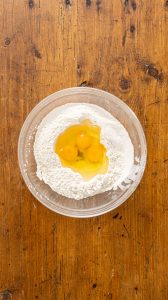
- Whisk the eggs just enough to break the yolks, without mixing in the flour at this stage (or beat the eggs in a separate bowl before pouring them over the flour).
- Pour a little milk over the eggs.50 cl milk
- Whisk, gradually drawing in the flour.
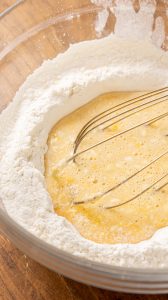
- Keep going, adding the milk gradually, never pouring in all the liquid at once, and drawing in all the flour little by little, until the batter is smooth.
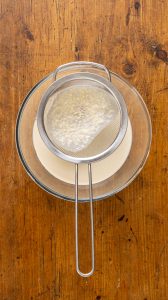
- Strain the batter through a conical strainer, or a fine-mesh sieve, to make sure there are no lumps.
Brown Butter
- Cut the butter into pieces.50 g butter
- Melt the butter in a small saucepan over medium heat, keeping a close eye on it.
- Take the saucepan off the heat as soon as the butter starts to color: it is now brown butter.
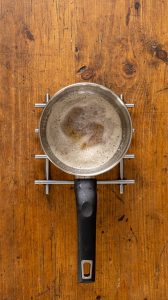
- Pour the brown butter into the batter.
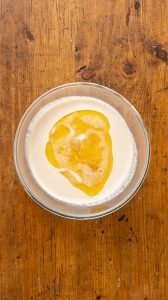
- Whisk to combine.
Resting
- Cover the bowl.
- Let the batter rest for at least 30 minutes at room temperature.
Cooking
- Set a plate over a saucepan of hot water, like a double boiler, to keep the crêpes warm.
- Heat the crêpe pan over medium-high heat, without letting it get too hot.
- Grease the crêpe pan with a paper towel soaked in oil.Oil,
- Pour in a ladleful of batter all at once.
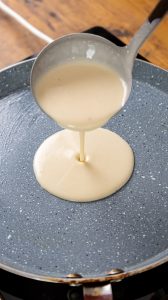
- Immediately swirl the crêpe pan with a flick of the wrist to spread the batter in a thin layer over the entire bottom.
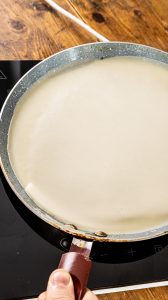
- Flip the crêpe when the top has set.
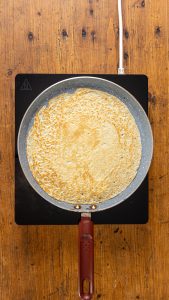
- Cook for 1 more minute.
- Slide the crêpe onto the warm plate.
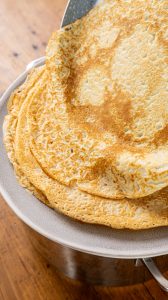
- Cover the plate with a sheet of aluminum foil or a stockpot lid.
- Repeat with the rest of the batter, stacking the crêpes on the plate as you go and keeping them covered.