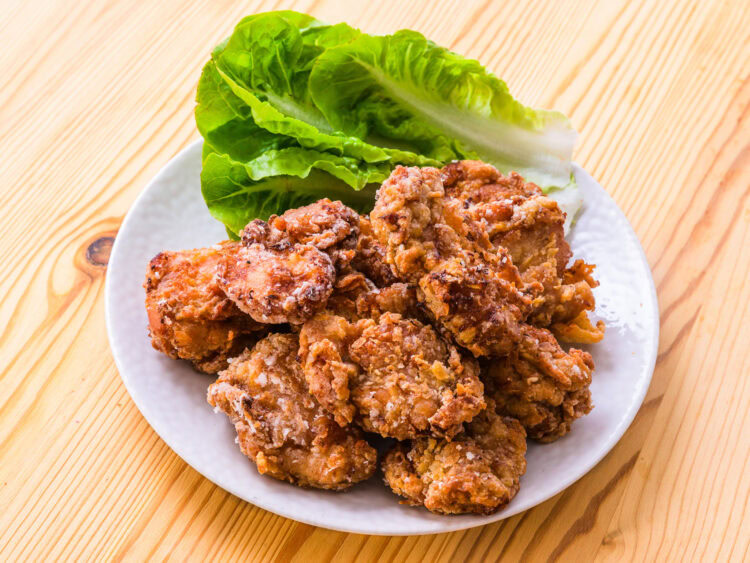
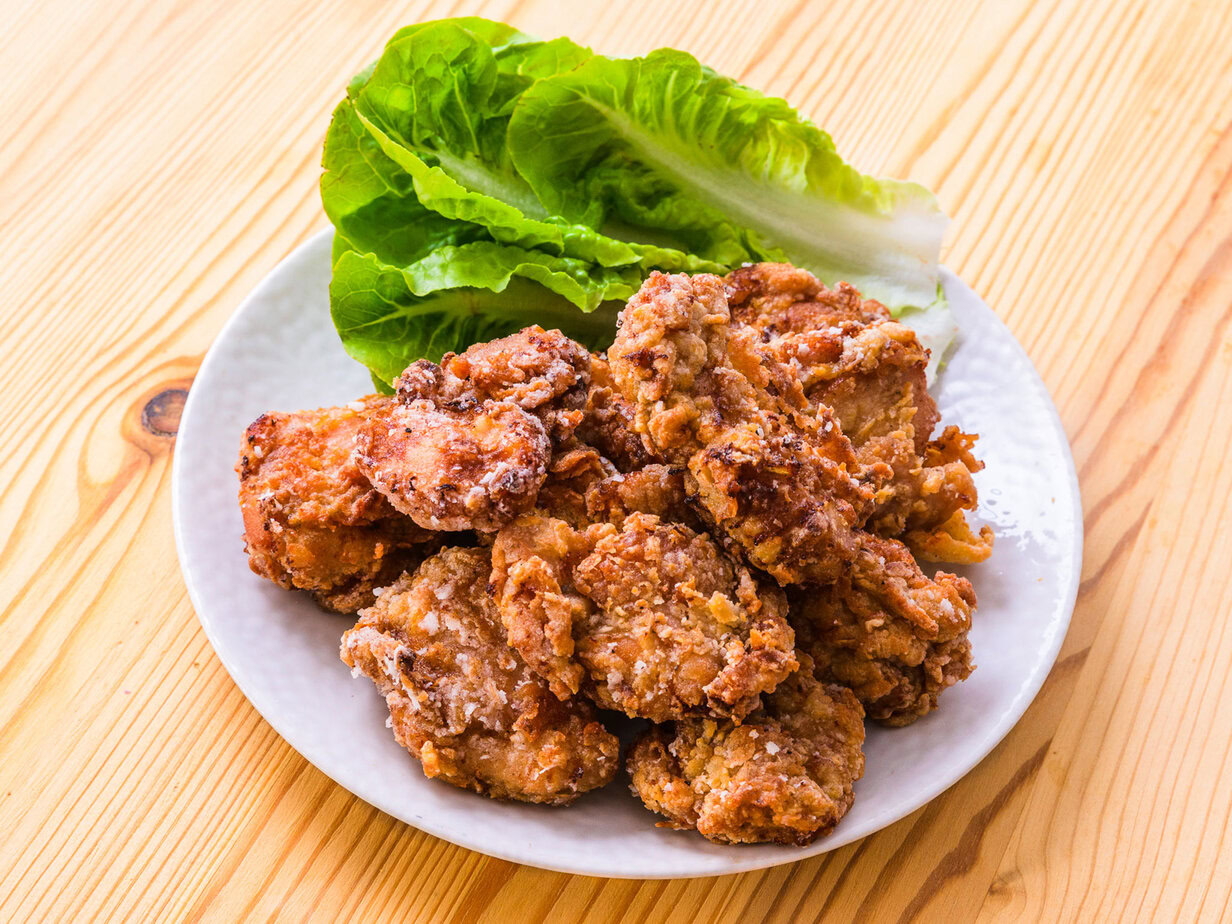
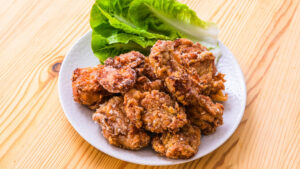
Japanese konbini fried chicken: boneless thigh marinated with soy, garlic, and ginger, then double-fried for an irregular, shatteringly crisp crust.
You spot the heated display case before you have even decided to buy anything. Famichiki comes out of its yellow-and-white sleeve still piping hot; the jagged crust crackles under your fingers, and the juices hit right away, packed with soy, garlic, and ginger.
You eat it standing up, one-handed, on a train platform or as you leave the office. It seems simple, yet every detail is deliberate. The real surprise is that the homemade version more than holds its own.
What Is Famichiki ?
Famichiki is the fried chicken sold at FamilyMart, and that branding matters.
It is neither a regional home-style dish nor a panko-breaded katsu : it is a konbini product built around a specific cut, the boneless chicken thigh known as sai, marinated at length, coated in an irregular breading made from several starches, then fried until it forms a rugged crust.
The name is a portmanteau : Fami for FamilyMart, chiki for chicken. The exact recipe is not public, and the chain speaks of a blend of 18 spices and herbs known only to its president and a few top executives. Most of the flavor descriptions in circulation therefore come from enthusiasts trying to recreate it.
Born in Okinawa, Nationwide Since 2006
It all starts in Okinawa, where fried chicken has been part of daily life since the postwar years. Families on the island embraced it not just as a snack, but also with rice and miso soup. In October 2000, Okinawa FamilyMart launched a bone-in product called Furachiki, a contraction of fried chicken, developed by Tadashi Nakandakari for a market keen on fried foods and takeout. It was an immediate hit.
Junji Ueda, then president of FamilyMart, tasted this Okinawan chicken and saw the makings of a nationwide product. The bone-in version left fingers greasy and scraps on the counter, two deal-breaking flaws.
After six months of development, boneless Famichiki rolled out nationwide on October 17, 2006. The company says the recipe has remained unchanged ever since.
Sourcing and seasoning are handled in a central factory in Thailand, where the breaded pieces are prepared and frozen before being fried in store. Sales surpassed 500 million pieces in 2013, 1 billion in 2017, and 2 billion in 2023.
Regulars have their own rituals : tucking the piece into the house bun with tartar sauce, slipping it into a tamago sando for the contrast of hot crunch and cold egg salad, or slicing it over a bowl of rice for a “devil’s oyakodon” with butter, soy sauce, black pepper, and a softly set ontama egg. The freshest batches often come out in the morning, just after the oil has been refreshed.
Famichiki’s Main Ingredients
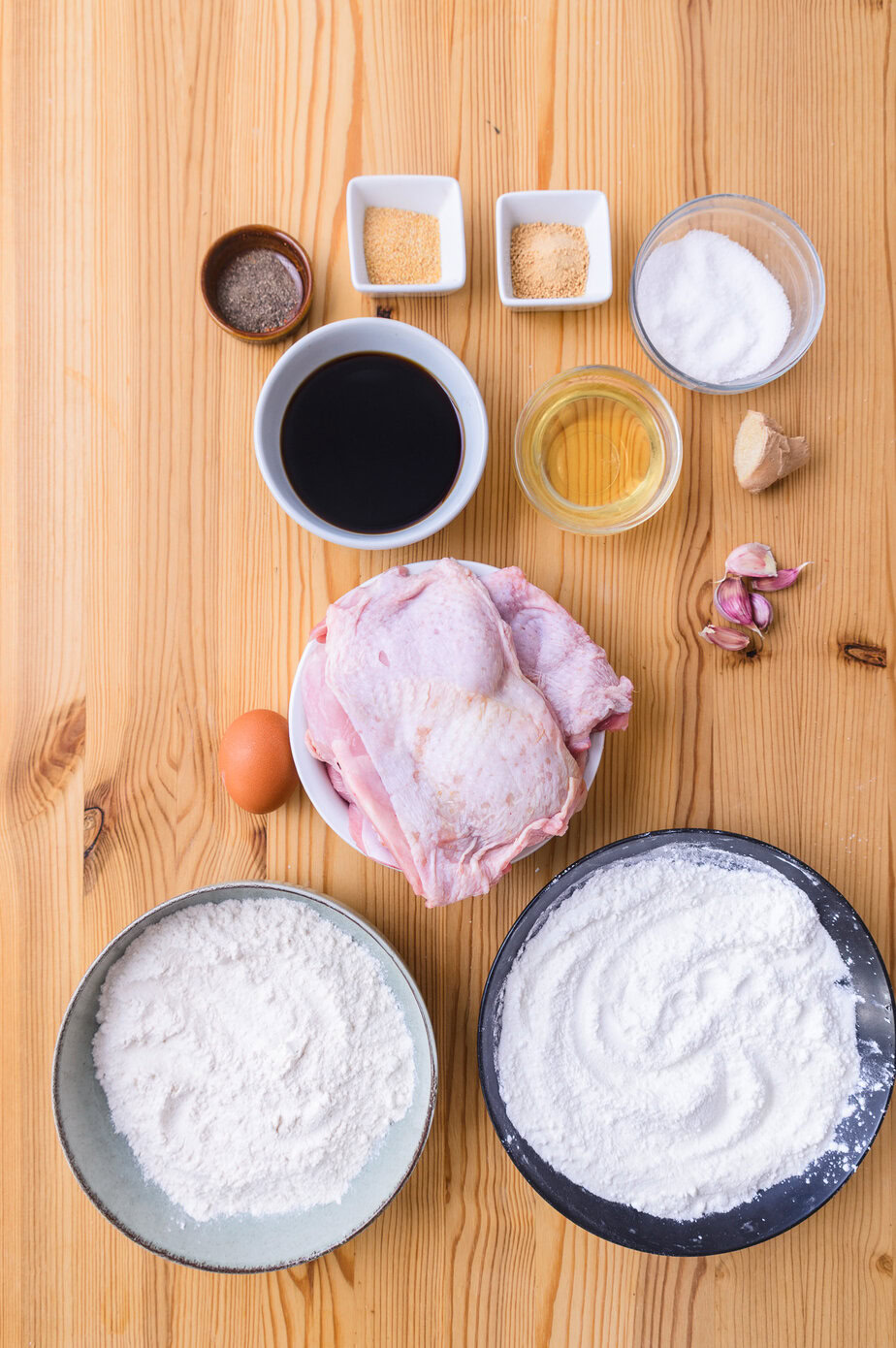
The cut does half the work. You want boneless chicken thigh with the skin on, rich enough to stay juicy even after a long time under the heat lamps.
The coating combines wheat flour, which gives it structure, with potato starch, which provides that dry, brittle crunch. Some homemade versions also add a little rice flour to lighten the crust even further.
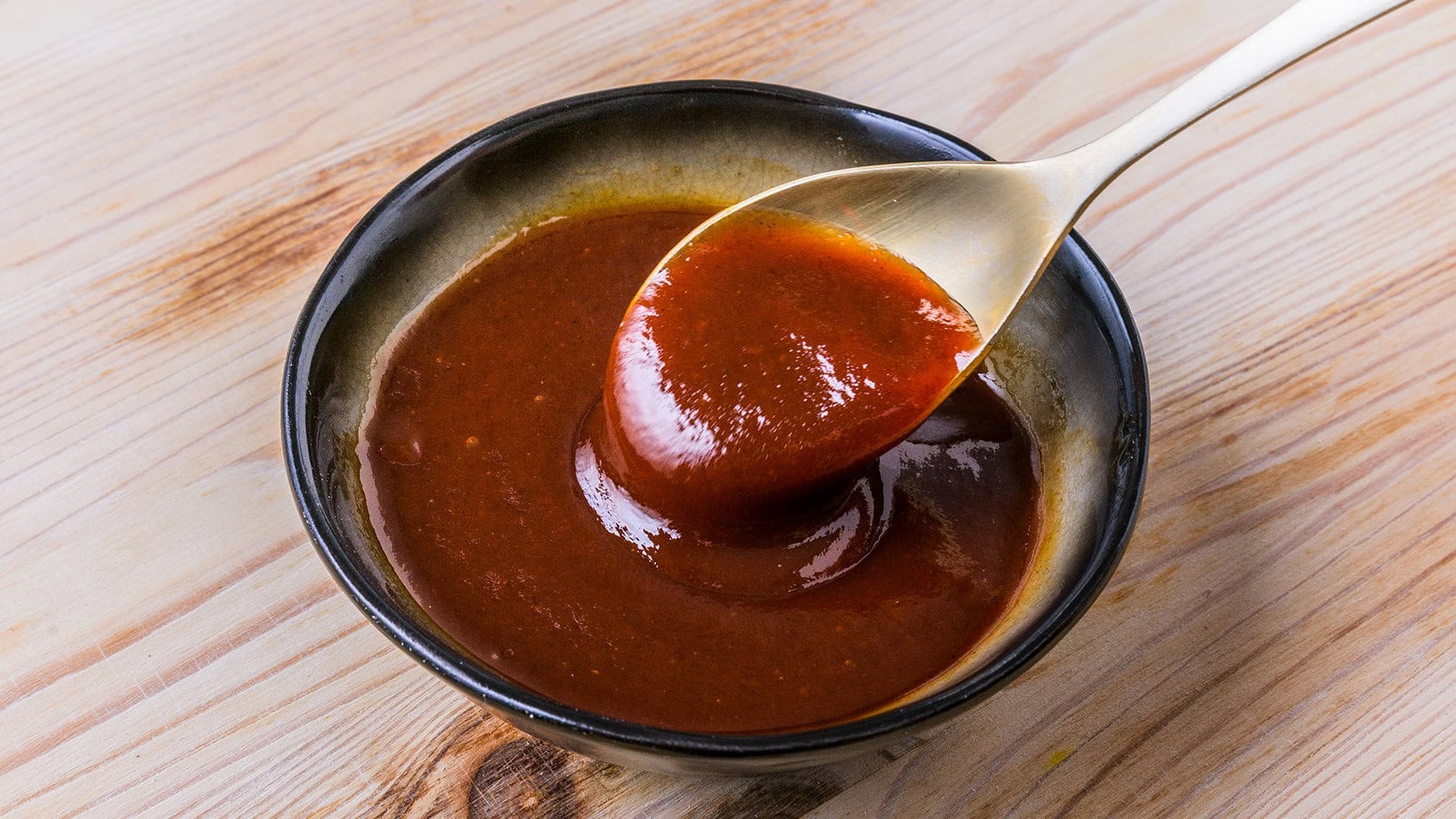
The marinade centers on soy sauce for salt and color, plus sake or mirin for sweetness and aroma. Grated garlic and ginger provide the aromatic backbone also found in karaage, sugar helps with browning, and garlic powder boosts the flavor of the dry coating.
Powdered chicken stock or monosodium glutamate act as flavor enhancers and extend the savory finish. Salt, black pepper, and white pepper round everything out without upsetting the balance.
For frying, the industry mostly uses a blend of canola and corn oil, sometimes supplemented with palm or cottonseed oil according to published analyses. At home, any neutral oil with good high-heat stability will do, as long as you use enough to fully submerge the pieces.
Ingredients
Chicken
- 1 kg chicken thighs boneless, skin-on
Seasoning
Coating & Frying
- 1 egg
- flour as needed
- potato starch as needed
- frying oil enough to fully cover the chicken
Instructions
Preparation & Marinade
- Place the thighs skin-side up, then prick the meat all over with a fork to tenderize it and help the marinade soak in.1 kg chicken thighs
- Cut each thigh into 4 bite-size pieces.
- Combine the chicken with all the seasoning ingredients until evenly coated.8 tablespoons soy sauce, 8 tablespoons sake, 3 tablespoons sugar, 2 tablespoons mirin, 1 tablespoon chicken bouillon powder, 1 tablespoon ginger, 1.5 tablespoon garlic, 1 tablespoon garlic powder, 0.5 tablespoon black pepper
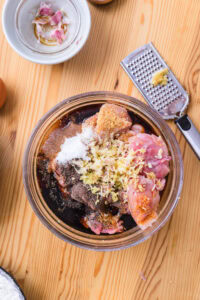
- Transfer to a bag (or an airtight container) and refrigerate for 1 to 3 hours.
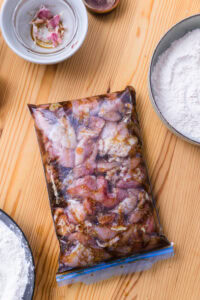
- Drain the chicken in a colander, then let it sit at room temperature for about 30 minutes.
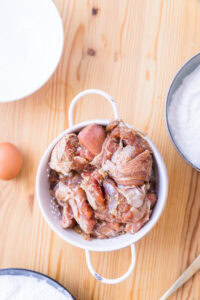
Coating & Double Frying
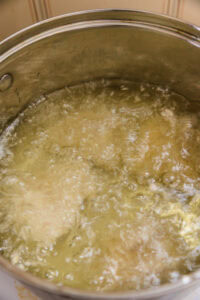
- Heat the oil to about 160°C.frying oil
- Beat the egg.1 egg
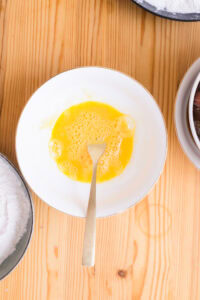
- Dip the chicken pieces into the beaten egg.
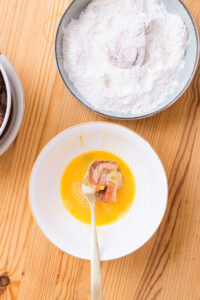
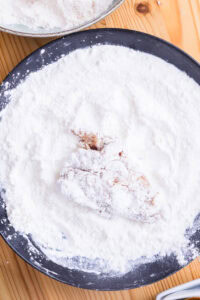
- Coat well in flour, then in potato starch.flour, potato starch
- Fry for about 6 minutes at 160°C, turning halfway through if needed (about 3 minutes in), then remove.
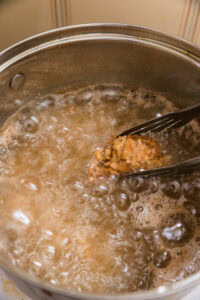
- Increase the oil temperature to about 180°C, then fry again for about 3 minutes, until the coating is crisp and golden.
- Serve immediately, piping hot.
Notes
- Pricking the chicken with a fork really makes a difference: the meat turns out more tender and absorbs the marinade better. A spiked meat tenderizer works even better.
- Keep the coating thin: too thick a layer gives you more of a KFC-style result than classic Famichiki.