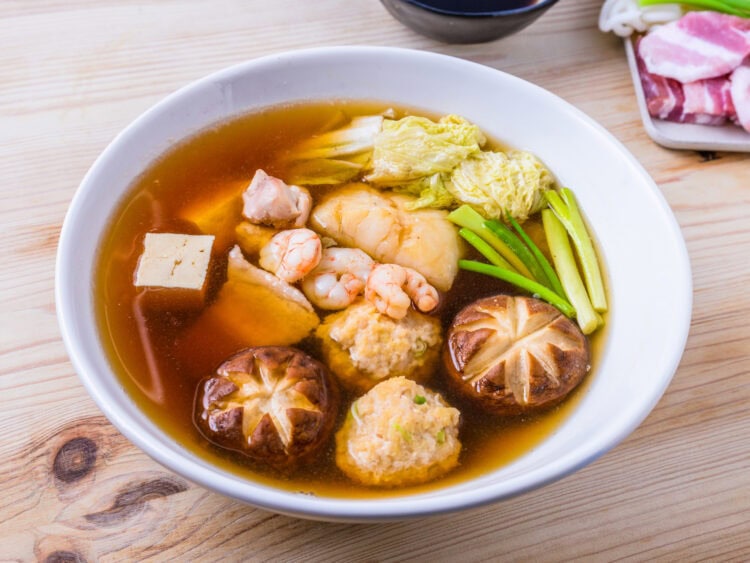
An incredible recipe for the famous sumo wrestlers’ hot pot! Hearty, warming, and perfect for sharing
Here’s a wonderful traditional Japanese stew for the chilly days of autumn. This generous, deeply satisfying simmered dish, with its savory broth and chicken meatballs, is pure comfort food. Meat lovers are in for a treat!
What is Chanko Nabe?
In Japan, mention Chanko Nabe and sumo immediately comes to mind. Behind this grand dish from Japanese cuisine lies a true cultural and sporting institution. Chanko Nabe emerged in a samurai society where the practice of sumo began to grow and take root. It also proved to be a very practical meal for athletes who needed to restore their strength.
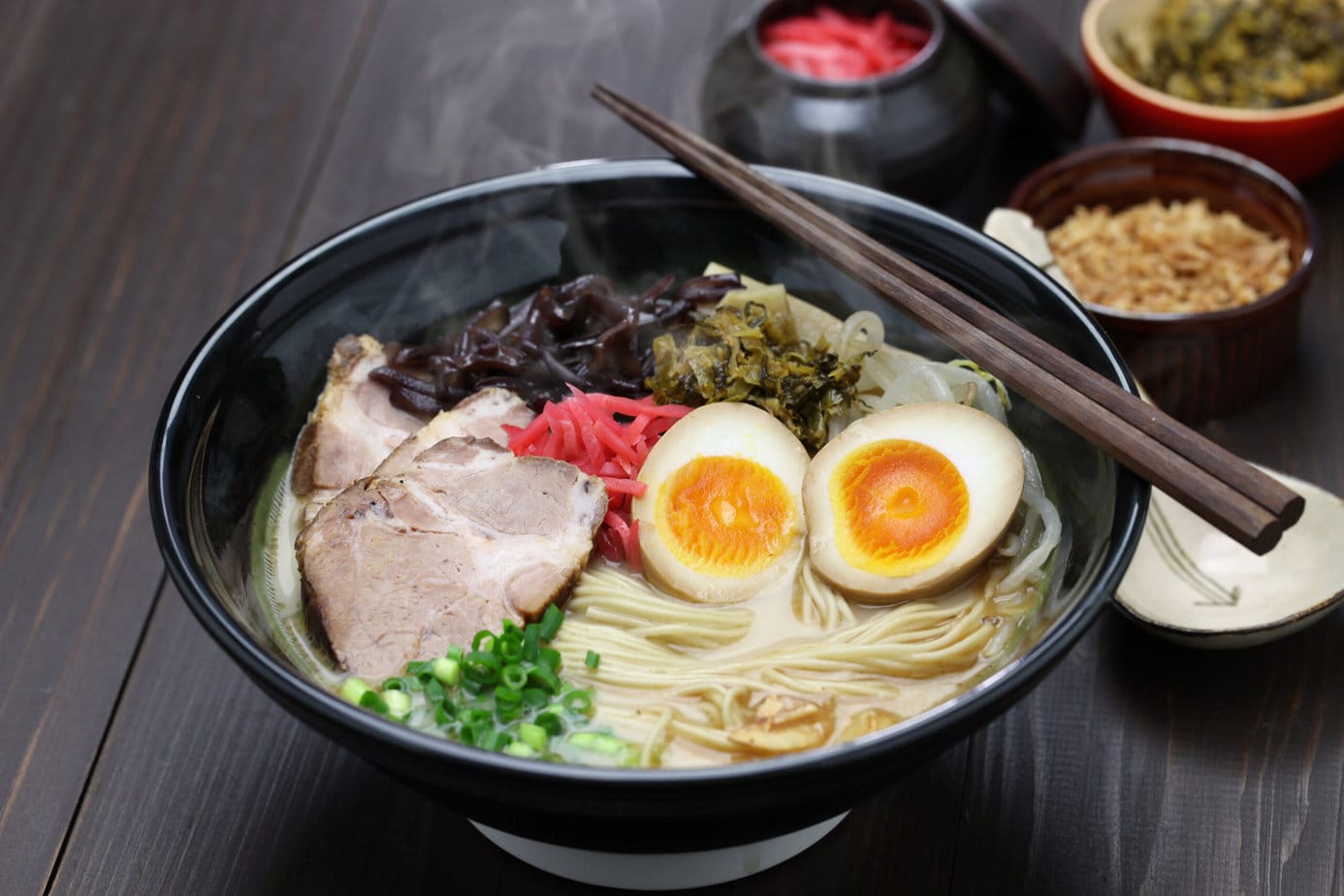
Since sumo has been an emblematic part of the country’s martial arts for several hundred years, Chanko Nabe is also known as “sumo stew.” And where there is sumo, there is strength and energy. Naturally, that is where this dish really comes into its own: not just as a convivial, family-style meal, but also as a fundamental part of the Japanese athletic routine…
The name of the dish speaks for itself. “Nabe” means “pot” and refers directly to a simmered dish. “Chanko” is a term for a meal made specifically for sumo wrestlers. In other words, the original idea behind Chanko Nabe is simple: it is meant to be substantial.
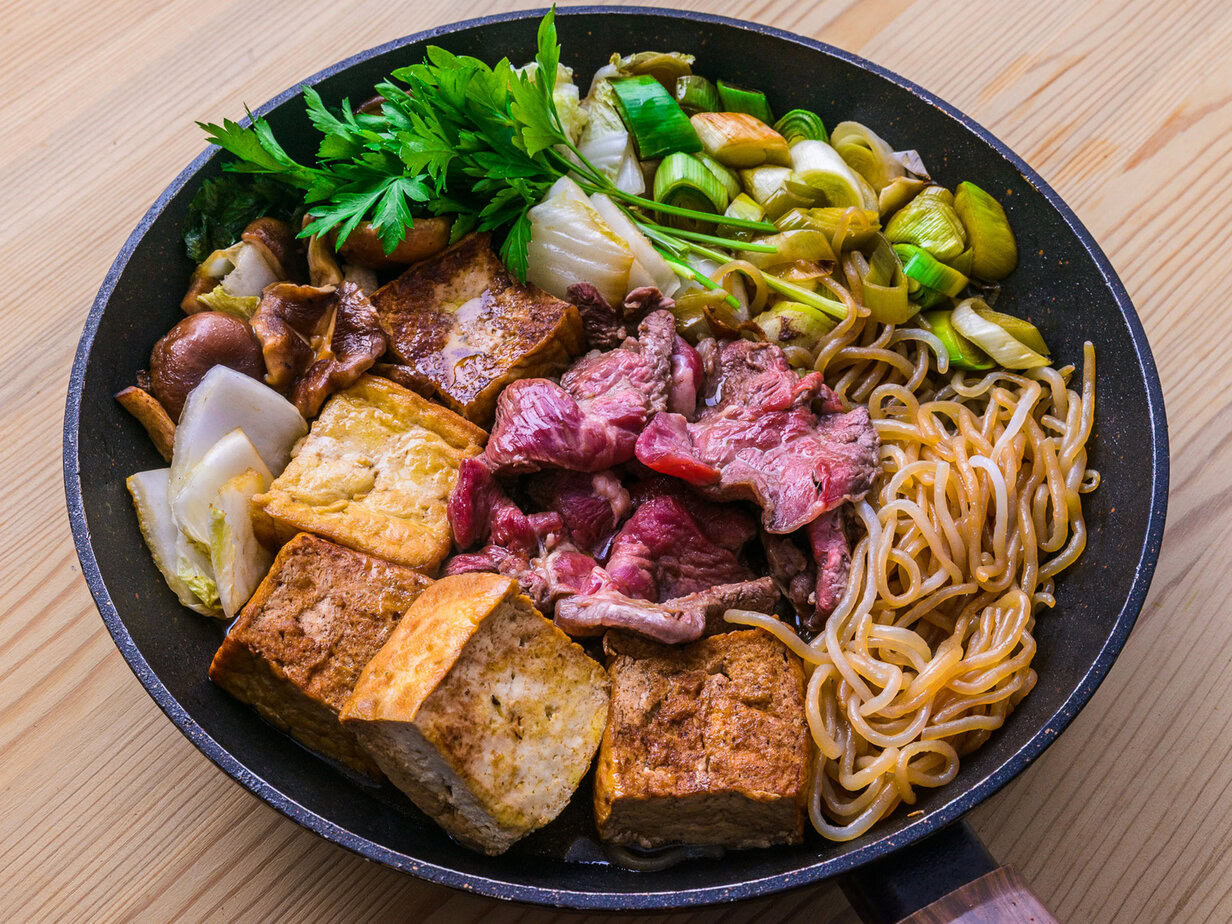
Along with the broth, you’ll find all kinds of vegetables, meat, and sometimes even seafood or fish. Cod, shrimp, pork, chicken, tofu, napa cabbage, shiitake mushrooms… Everything goes in! No wonder it is said to be sumo wrestlers’ favorite dish before a bout.
That said, there is no single standard recipe for Chanko Nabe. Everyone makes it their own way, depending on the season, their cravings, and the region. It also varies greatly from one sumo stable to another.
As the story goes, many cooks use chicken because it is considered lucky for the wrestlers. Since the animal stands on two legs, it is said to help the sumo wrestler stay firmly on his own two feet. That is what tradition says, at least. In reality, recipes vary from place to place, but Chanko Nabe remains fundamentally the same: loaded. Don’t worry, though—you won’t suddenly develop a gargantuan build after trying my recipe!
Where does Chanko Nabe come from?
Chanko Nabe is, above all, a cultural story. It is said that during the Edo period (1603-1868), sumo became a sport in its own right, and the wrestler came to embody character, strength, and power.
That image was reinforced in part by the increased consumption of Chanko Nabe itself, along with plenty of rice dishes. During the Meiji period, which followed the Edo period, the wrestler Hitachiyama is said to have created this much-needed dish to maintain his strength and gain weight.
Because Chanko Nabe is so filling, it became the ideal dish for sumo stables, especially since it could be prepared in large enough quantities to feed everyone.
Some people who have visited restaurants specializing in Chanko Nabe (often run by former wrestlers) say they could not finish their bowl. Sumo wrestlers need to eat large quantities to maintain and build their strength, which explains the dish’s abundant, hearty, and rich character—one that has endured over the years. Since becoming more widely popular, Chanko Nabe has come to be seen as a generous, comforting dish that is also easy to make!
The main ingredients in Chanko Nabe
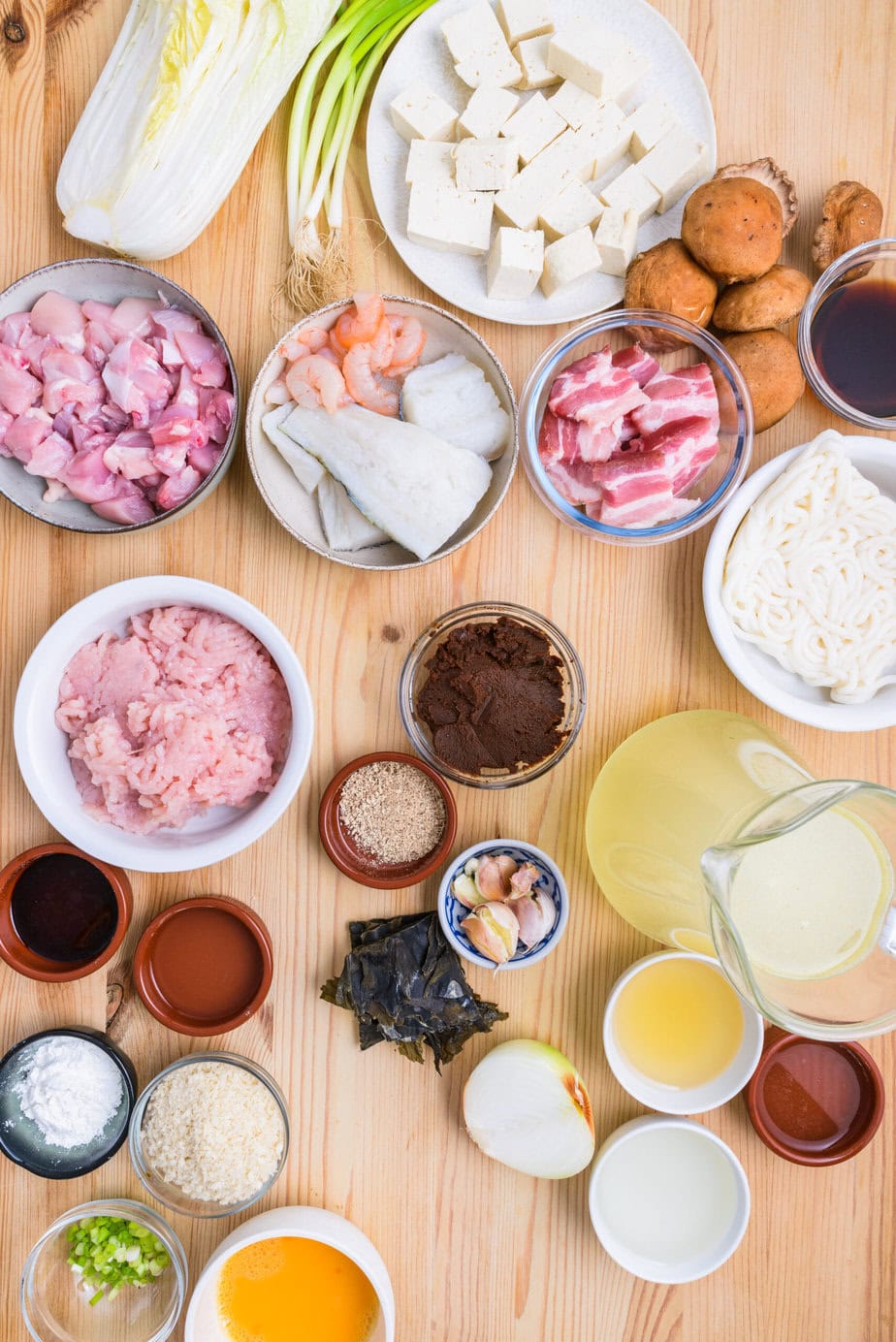
The broth: what would Chanko Nabe be without broth? It is the foundation of the dish, bringing richness, depth, and plenty of umami. It coats every component of the Chanko Nabe and makes the whole dish deeply satisfying.
Sake: this rice wine adds gentle, subtle notes to the broth. Paired with mirin, another sweet rice wine, it balances the dish’s saltier flavors with a touch of roundness.
Kombu: an essential ingredient when preparing the broth. In that sense, it is almost comparable to dashi broth. Kombu brings intensity; it is naturally rich in umami and adds a subtle oceanic note to the dish.
White miso: this is the rich, savory element that makes all the difference. It is less fermented than other types of miso, which makes it especially mild and creamy. That said, you can also use stronger misos, such as red miso (that’s what I do in the steps).
Light soy sauce: since the preparation is fairly mild up to this point, the soy sauce used in the chicken meatballs adds a measured salty note that contrasts nicely with the other flavors.
Panko breadcrumbs: panko is lighter than traditional breadcrumbs, as well as crispier and airier. In short, it is ideal for this recipe, because it keeps the meatballs from feeling too heavy.
Napa cabbage: mild and very slightly sweet, it brings lightness, freshness, and crunch to Chanko Nabe. An autumn vegetable—perfect timing!
Shiitake mushrooms: these add earthy flavor, texture, and depth to the dish. They are exactly the kind of ingredient you often find in Chanko Nabe recipes.
Udon noodles: these are especially well suited to Chanko Nabe. They are hearty, thick, chewy, and wonderfully satisfying. In this recipe, I use precooked udon.
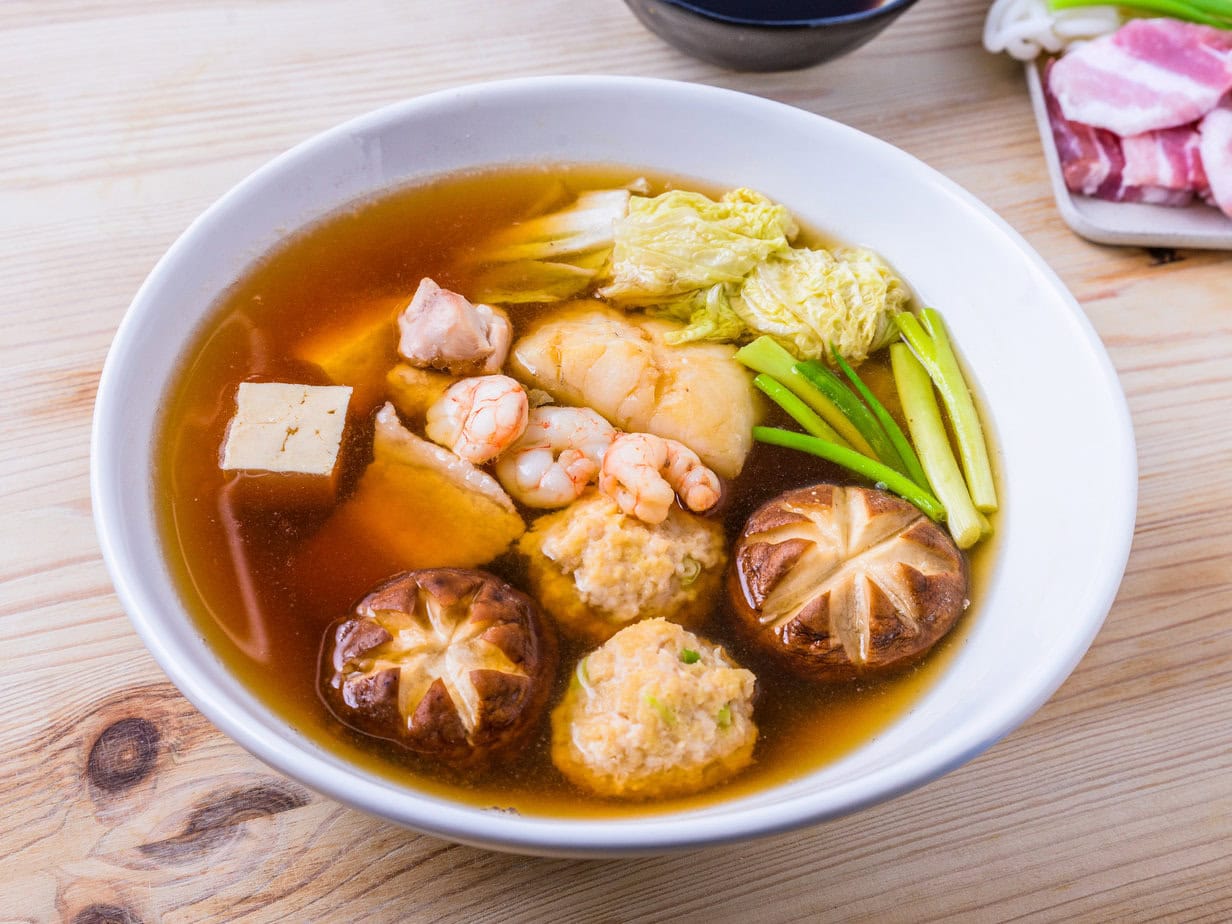
Ingredients
Broth
- 1.5 L chicken broth unsalted
- 60 ml sake
- 80 ml mirin
- 2 tablespoons ginger juice made by grating ginger, then squeezing it through cheesecloth
- 4 cloves garlic crushed
- 0.5 onion halved, unpeeled
- 1 teaspoon dried shiitake mushroom powder grate about a quarter of a mushroom
- 1 piece kombu
- 145 grams white miso
Chicken Meatballs
- 230 g chicken ground; ideally use thigh meat
- 2 teaspoons ginger juice made by grating ginger, then squeezing it through cheesecloth
- 2 teaspoons light soy sauce
- 2 tablespoons cornstarch
- 6 tablespoons panko breadcrumbs
- 1 stalk green onion very finely chopped
- 1 egg beaten
Stew
- Chicken meatballs
- 680 g cod fillet fresh, unsalted
- 8 large shrimp raw
- 170 g sliced pork belly
- 4 chicken thighs
- 400 g medium-firm tofu momen dofu
- 0.5 napa cabbage
- 6 green onions/scallions
- 6 shiitake mushrooms fresh
To Serve
- ponzu sauce
- precooked udon noodles
Instructions
Broth
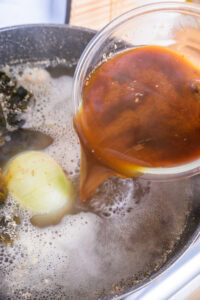
- Combine all the broth ingredients except the miso in a large saucepan. Bring to a gentle simmer over medium heat.1.5 L chicken broth, 60 ml sake, 80 ml mirin, 2 tablespoons ginger juice, 4 cloves garlic, 0.5 onion, 1 teaspoon dried shiitake mushroom powder, 1 piece kombu
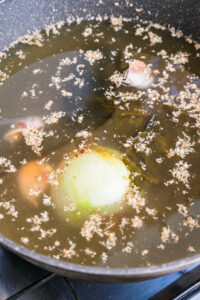
- Once simmering, ladle several spoonfuls of broth into a small bowl.
- Add the white miso to the bowl and whisk until smooth.145 grams white miso
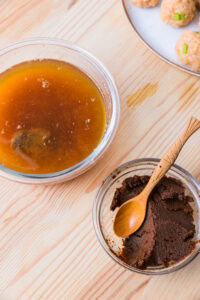
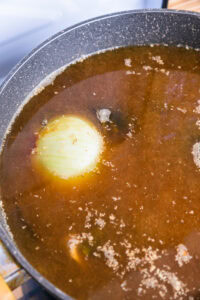
- Gradually stir the miso mixture back into the broth, whisking to dissolve any lumps. Once the miso is incorporated, do not let the broth boil. Turn off the heat as soon as it begins to simmer and small bubbles appear around the edges of the saucepan.
- Cover and set aside.
- After 10 minutes, remove the kombu and onion.
Chicken Meatballs
- Combine all the ingredients in a large bowl. Mix thoroughly with your hands.230 g chicken, 2 teaspoons ginger juice, 2 teaspoons light soy sauce, 2 tablespoons cornstarch, 6 tablespoons panko breadcrumbs, 1 stalk green onion, 1 egg
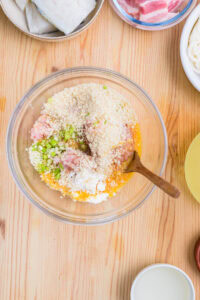
- Mix until well combined and the mixture turns pale.
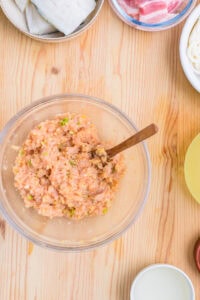
- Shape into chicken meatballs about 2.5 cm across. If the mixture is too loose to hold its shape, add more panko as needed.
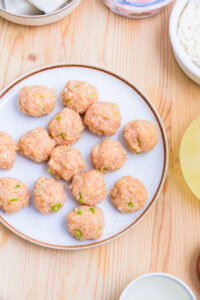
Stew
- Cut the cod fillet into 5 cm pieces.680 g cod fillet
- Peel and devein the shrimp.8 large shrimp
- Cut the pork belly into 5 cm pieces.170 g sliced pork belly
- Cut the chicken into bite-sized pieces.4 chicken thighs
- Cut the tofu into roughly 2.5 cm cubes.400 g medium-firm tofu
- Separate the napa cabbage leaves and cut them into smaller pieces.0.5 napa cabbage
- Slice the green onions into 5 cm pieces.6 green onions/scallions
- Remove the stems from the shiitake mushrooms, then cut a small star shape into each cap.6 shiitake mushrooms
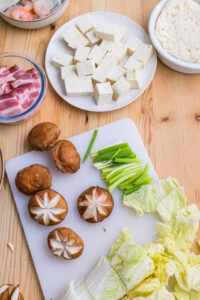
For the Setup
- Arrange all the stew ingredients—the chicken meatballs, cod, shrimp, pork belly, chicken thighs, tofu, napa cabbage, green onions, and shiitake mushrooms—on platters. Set the platters on the table.Chicken meatballs
- Pour the ponzu sauce into small individual dipping bowls at each place setting, along with chopsticks, a soup spoon, and a soup bowl.ponzu sauce
- Place a portable burner on the table next to the ingredient platters.
- Place the pot of Chanko Nabe broth on the burner. If you do not have a portable gas burner, cook the stew on the stovetop, transfer it to a large bowl, and serve it family-style. Alternatively, bring the pot to the table to enjoy each batch, then return it to the stovetop to start the next one.
To Serve the Chanko Nabe
- Bring the broth to a gentle simmer over medium heat.
- Once simmering, add the fish, tofu, firmer parts of the cabbage, a few pieces of green onion, and a few mushrooms. You do not need to add all the ingredients at once; cook in batches if you prefer.
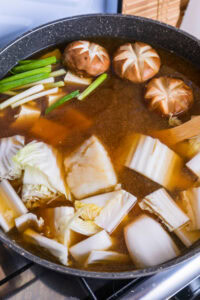
- Cover and cook for 10 minutes, or until the vegetables are tender and the fish is cooked through.
- Transfer the cooked ingredients to individual soup bowls.
- Next, add the meatballs, chicken (or more fish), and vegetables to the broth. Cover and cook for 10 minutes. Keep in mind that the vegetables and tofu cook more quickly than the meatballs, seafood, and chicken.
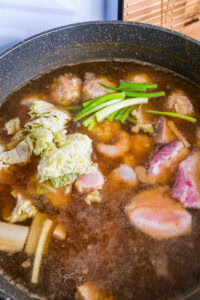
- Keep the broth gently simmering throughout. If the liquid level drops, add a little water or chicken broth so there is enough liquid to heat the noodles at the end. Even if you dilute the broth, the flavorful ingredients will continue to enrich it as they cook.
- When everyone is ready for noodles, remove any remaining solids from the broth and add the precooked udon noodles.precooked udon noodles
- Simmer until heated through, then ladle into soup bowls and serve.
Notes
Nutrition
Culinary sources
I used the recipe from Just One Cookbook as a base; it is itself adapted from Amy Kaneko’s book of Japanese recipes, “Let’s Cook Japanese Food!: Everyday Recipes for Authentic Dishes”. It is available only in English, but I was able to flip through it and, honestly, it is excellent. If you are comfortable cooking in English, it is worth picking up. As for my own modifications, they are mainly in the broth: the amounts of garlic, onion, shiitake powder, and kombu.