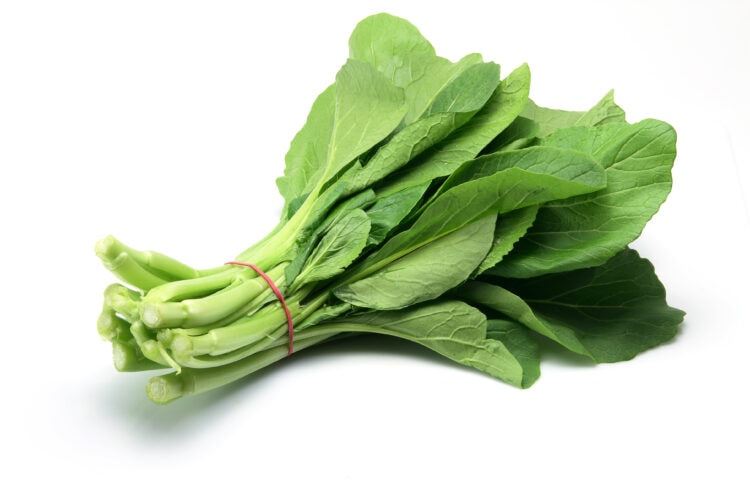
What is choy sum? Choy sum, also known as “yu choy” or “yu choy sum”, is a leafy green from the cabbage family. In this article we simply call it Chinese cabbage, but the name “choy sum” literally means “vegetable heart”. It is one of many varieties of Chinese cabbage, […]
Vegetables
Galangal: What Is It?
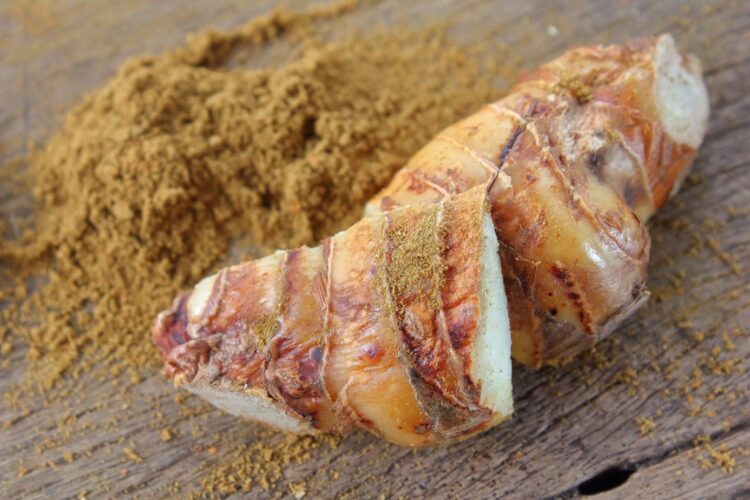
Galangal, also called galanga, is the citrusy cousin of ginger. This aromatic rhizome is widely used in Asian, South Asian and Indian cooking and is especially popular in Indonesian cuisine and Thai cuisine. It is peppery and spicy, with a hint of pine. Although harder to find than ginger, galangal […]
Winter melon: what is it?
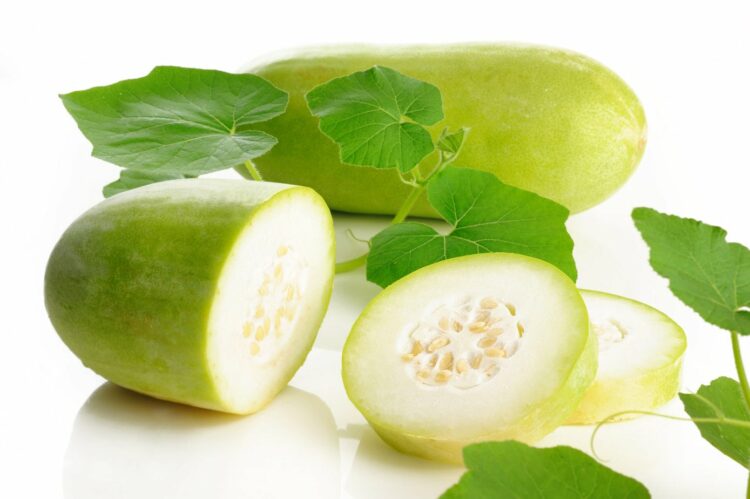
What is winter melon? Known as “Vietnamese squash” or “Chinese watermelon“, the wax gourd is a creeping herbaceous plant grown mainly in East Asia, though it also thrives in Florida’s warm climate. Biologically speaking, it is a fruit, but it is cooked and eaten as a vegetable in Chinese and […]
Daikon, what is it?
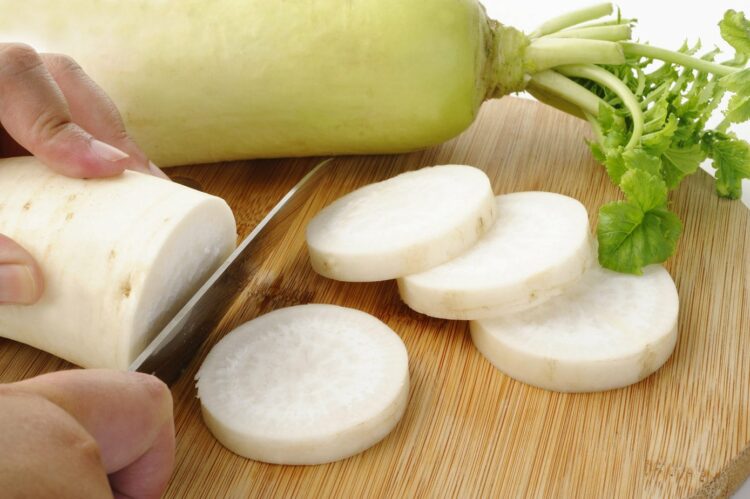
What is the daikon radish? Also called “white radish,” “Japanese radish,” or “Chinese radish,” the daikon is a staple of Japanese cuisine. Traditionally eaten raw, cooked, or pickled, this fleshy, tube-shaped root looks like a white carrot. The varieties of daikon Across Asia, several daikon varieties exist. The lobak (or […]
What are Enoki mushrooms?
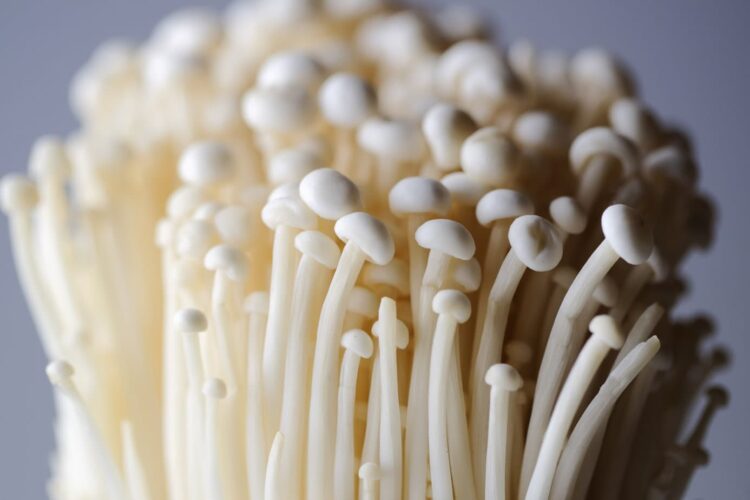
What are enoki mushrooms? The enoki is a striking white mushroom with a tiny cap perched atop a long slender stem. Around here, it is more commonly called the “velvet shank”. Native to Japan, these mushrooms usually grow in clusters on tree stumps during the winter period. In the wild, […]
Chinese Water Chestnut: What Is It?
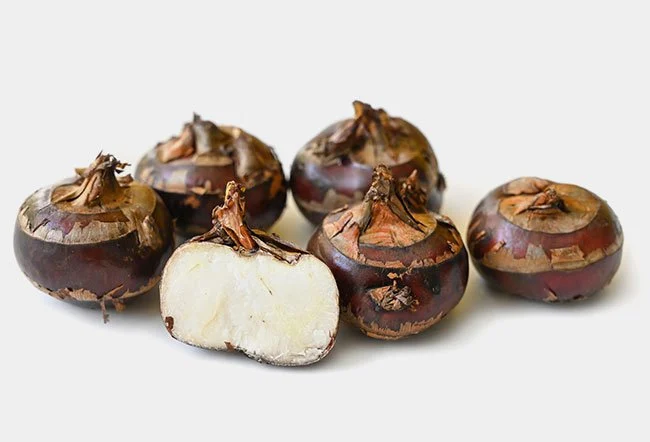
A water chestnut is the tuber – the root of the plant, like a potato – of an aquatic plant that grows in marshes. So it is not a nut, even though we call it a “chestnut,” simply because it looks like one: it has brown skin that covers white […]
What Is Chinese Cabbage? How to Use It?
Whenever people think of kimchi, they think of the famous napa or Chinese cabbage. This large, oval-shaped cabbage is an extremely important element of Korean and Chinese cuisine…and Asian cuisine in general, and not just because it’s the main ingredient in kimchi. So, let’s now dive into the history and […]