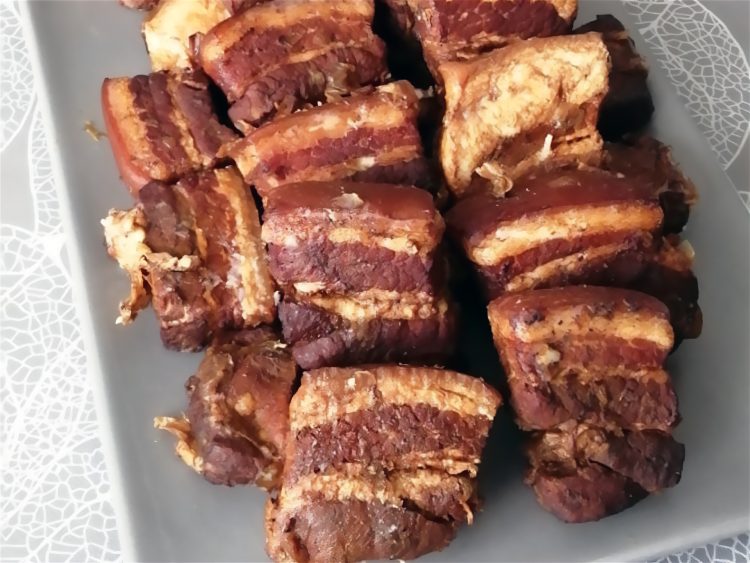
The easy recipe for the famous rillons from Tours, a real treat with drinks
A warm rillon cut into thin slices, a glass of Vouvray, and pre-dinner drinks instantly take on a whole new feel. These large chunks of pork belly confit are tender and melt-in-your-mouth, with a lightly caramelized crust. They also make a lovely garnish, in a main dish or a mixed salad. The people of Tours guard the recipe jealously, and yet it’s easy to make at home.
What Are Rillons?
Rillons are a charcuterie specialty from Touraine, made of cubes of pork belly slowly cooked in their own fat. Once cooked, they’re lightly browned on the outside and pink in the middle.
Born on the Farms of Touraine
Rillons come from the farms of Touraine, where they were made after the pig was slaughtered as a way to preserve the belly. The pieces of meat were cut up, stripped of their rind and slowly cooked in their own fat. They were then stored in earthenware pots, submerged in the fat they had been cooked in.
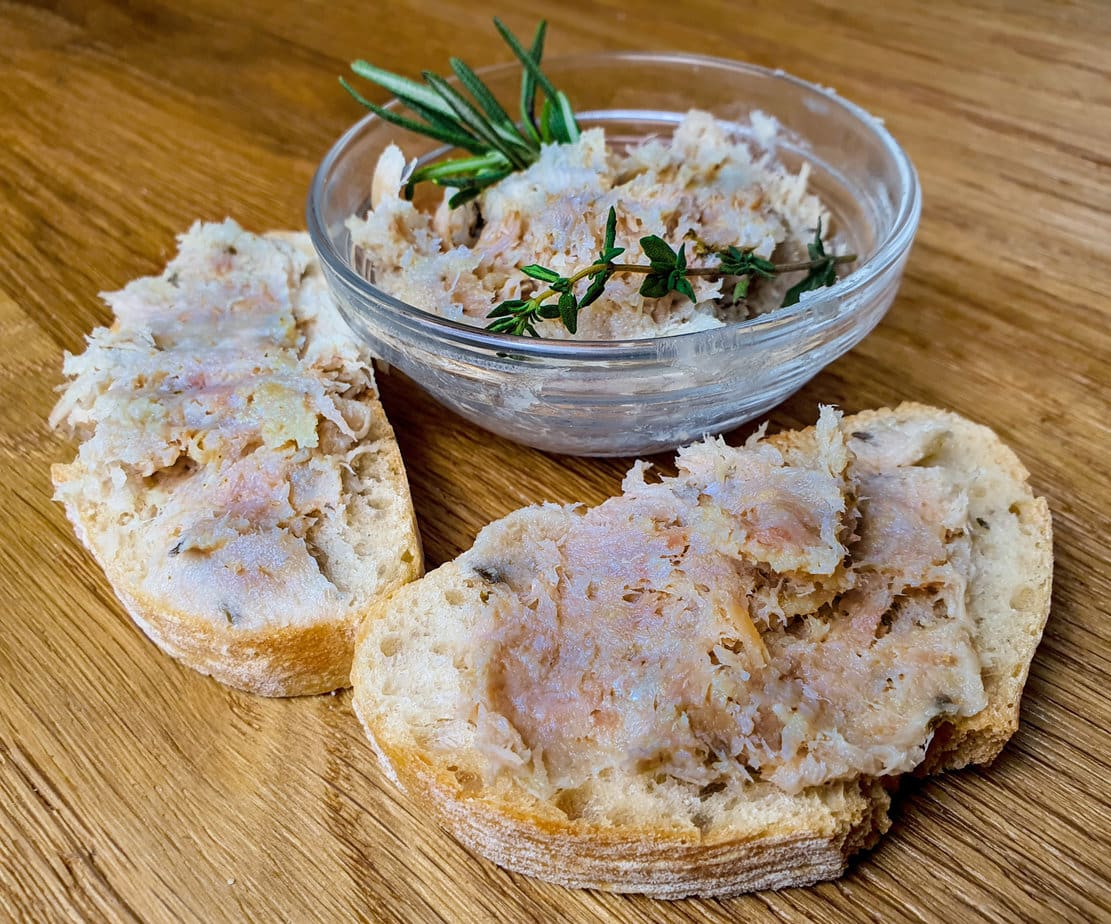
The recipe has been refined over time. Today, rillons are flavored with thyme, bay leaf and pepper, and sometimes a splash of white wine or marc.
They differ from rillauds, their counterpart from Anjou, which keep the rind and have a different texture. Touraine and Anjou thus share a delicious rivalry over this pork confit.
The Main Ingredients in Rillons
It all starts with well-marbled pork belly, with a good balance of lean and fat. Remove the rind for a melt-in-your-mouth result and better flavor absorption, though it’s not essential.
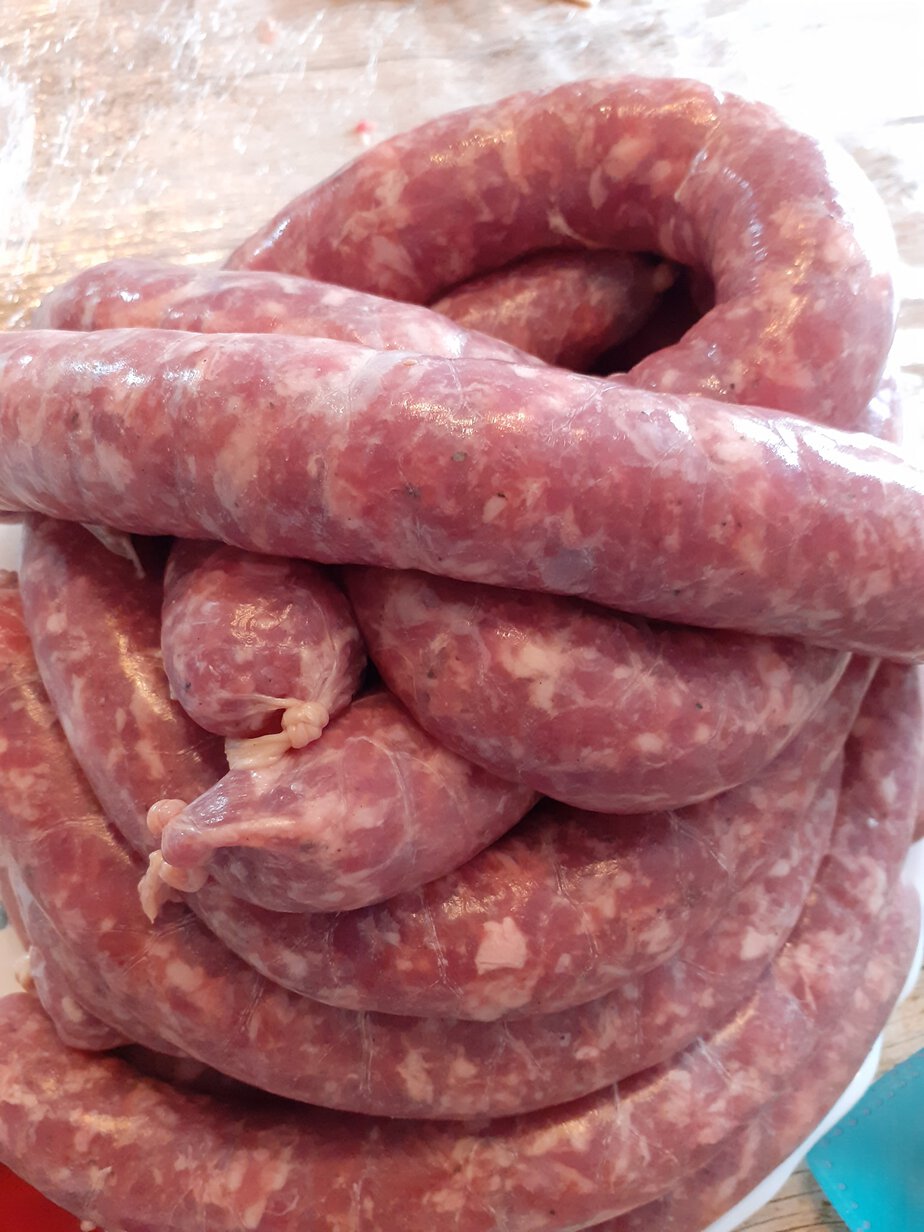
The pieces are slowly cooked in duck fat or lard, with Vouvray white wine. Thyme, bay leaf and white wine add delicate flavors without masking the natural taste of the meat. A little chicory powder gives the rillons color without changing their taste.
Technical Tips for Perfect Rillons
Slow cooking at a low temperature gives you rillons that are tender inside and lightly caramelized outside.
To store them, submerge them in their strained cooking fat and refrigerate: stored this way, they’ll last up to 20 days.
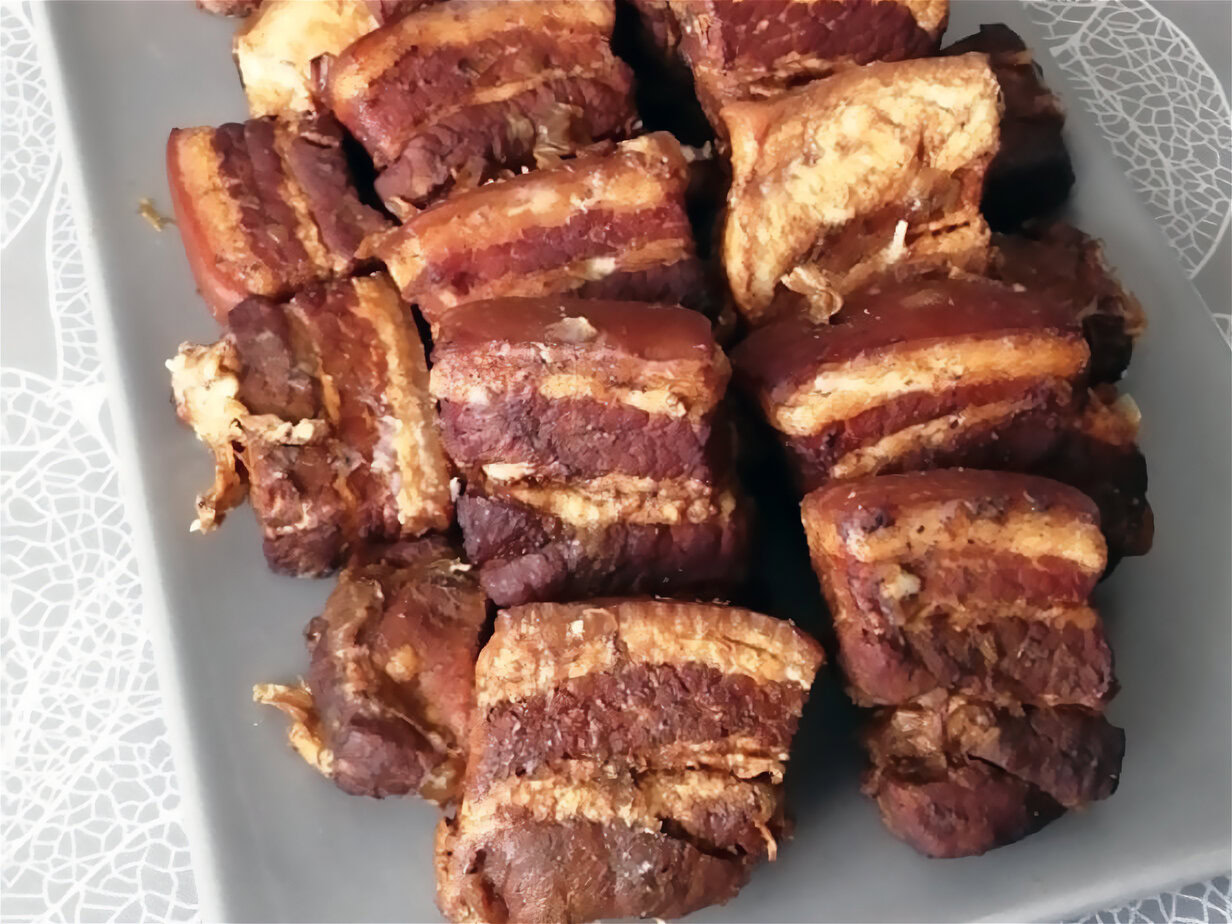
Ingredients
- 1.6 kg pork belly cut into 8 pieces, 6 x 12 cm each
- 500 ml Vouvray wine sparkling
- 400 g duck fat or lard
- 2 tablespoons chicory ground
- 1 bay leaf
- 3 thyme sprigs
- 10 g Guérande salt for rubbing
- 3 g black pepper freshly ground
- 3 g Espelette pepper
- 0.5 teaspoon Patrelle
- 10 g Guérande salt for cooking
Instructions
- Remove the rind from the pieces of pork belly. Rub them between your hands with 10 g of salt, the crushed thyme and bay leaf, and the Espelette pepper. Arrange the pork pieces in a dish.1.6 kg pork belly, 1 bay leaf, 3 thyme sprigs, 10 g Guérande salt, 3 g Espelette pepper
- Season with pepper on all sides. Cover with plastic wrap and let rest in the refrigerator for 24 hours.3 g black pepper
- Melt a tablespoon of duck fat in a Dutch oven or large sauté pan over medium heat. Add the pork pieces and brown them for 5 minutes.
- Pour the Vouvray into the pot along with the teaspoon of Patrelle. Add the rest of the duck fat and 10 g of salt. Cover, lower the heat and let simmer gently for 1 hour 30 minutes, turning the pork from time to time.500 ml Vouvray wine, 400 g duck fat, 10 g Guérande salt, 0.5 teaspoon Patrelle
- Add the chicory and stir to give the rillons color without altering their flavor.2 tablespoons chicory
- Let the pieces confit over low heat, uncovered, for 2 hours, basting them regularly with the fat.
- Drain the rillons on a wire rack and let them cool before refrigerating them.

- While the fat is still warm, strain it through a sieve into an airtight container. Add a glass of cold water, close the container and refrigerate.
- After a few hours, collect the fat that has set on the surface. Make a hole in the block of fat and pour out the water underneath.
Storage
- Arrange the rillons in a jar to keep them for up to 20 days. Pour the strained fat, barely warmed, over the top. Seal and refrigerate.
Serving
- Cut the rillons into thin slices to serve cold with drinks or in a mixed salad. They can also be eaten hot, for example in a tomato tart.