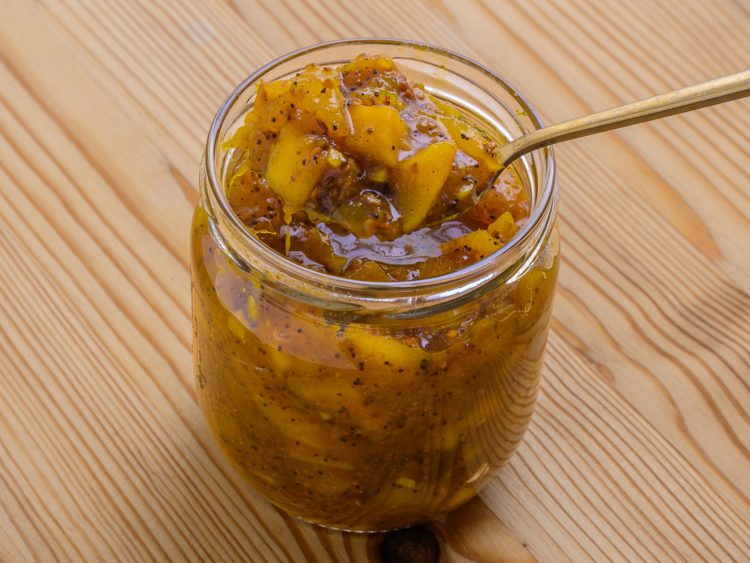
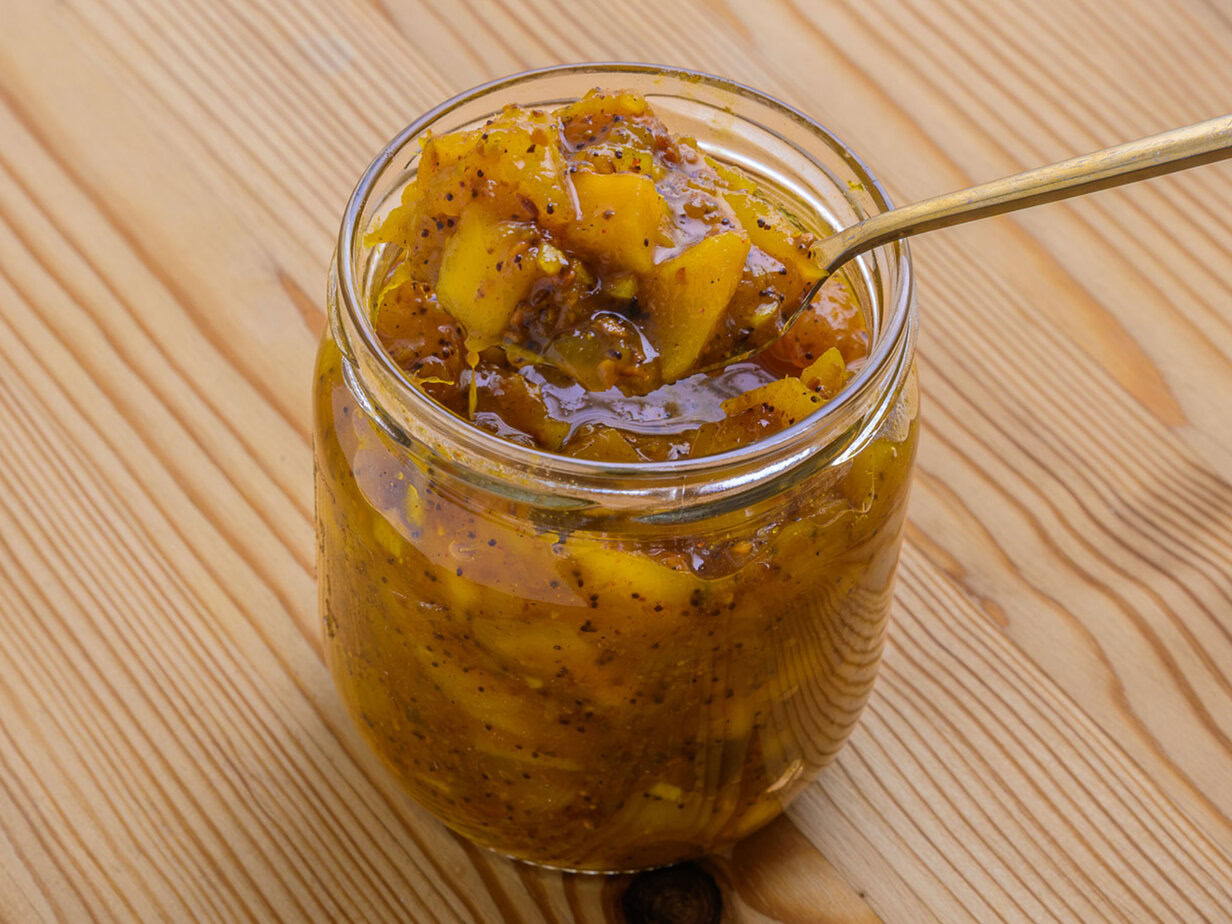
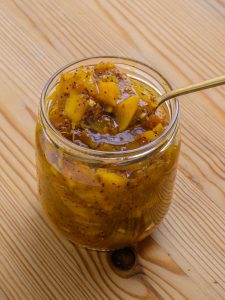
A sweet, spiced mango chutney cooked in a vinegar syrup and put up in jars, to serve with curries and grilled dishes.
On curry night, what’s often missing is that little jar you set in the middle of the table. A spoonful of mango chutney is all it takes: meltingly tender pieces of fruit, a glossy golden syrup, the warmth of cinnamon and ginger, then the hint of vinegar that wakes up each bite.
It goes just as well with chicken korma as with a slice of aged cheese. Once a jar is waiting in the cupboard, you end up putting it on just about everything.
What Is Mango Chutney?
Mango chutney is a sweet and tangy condiment: ripe mango cut into small dice, simmered in a vinegar and sugar syrup with garlic, ginger and spices, then poured hot into jars.
It has the texture of a thick, chunky jam, but its vinegar and spices make it a partner for savory dishes. In Britain, it’s served with curries and papadums, the thin, crisp wafers of Indian cuisine.
The word comes from the Hindi “chatni,” which refers to a family of condiments made from fruit, vegetables, herbs and spices. Some are ground and eaten fresh, while others are cooked until thick, like this one.

From Indian Chatni to Jarred Chutney
In India, mango chutney is often fresh. Raw green mango is blended with plenty of cilantro and mint, green chili, garlic, cumin and black salt, with barely a pinch of jaggery. This sour, spicy condiment is eaten over the next few days, with dal, rice or parathas.
The sweet vinegar version dates back to the 19th century, in colonial times, when the British living in India found the local chutneys too spicy.
It’s associated with the name of a certain Major Grey, a British officer who was probably invented to help sell it. Mass-produced and exported, it became the jar that comes out with the curry in Britain, and it’s the version you find on European store shelves today.
The Main Ingredients in Mango Chutney
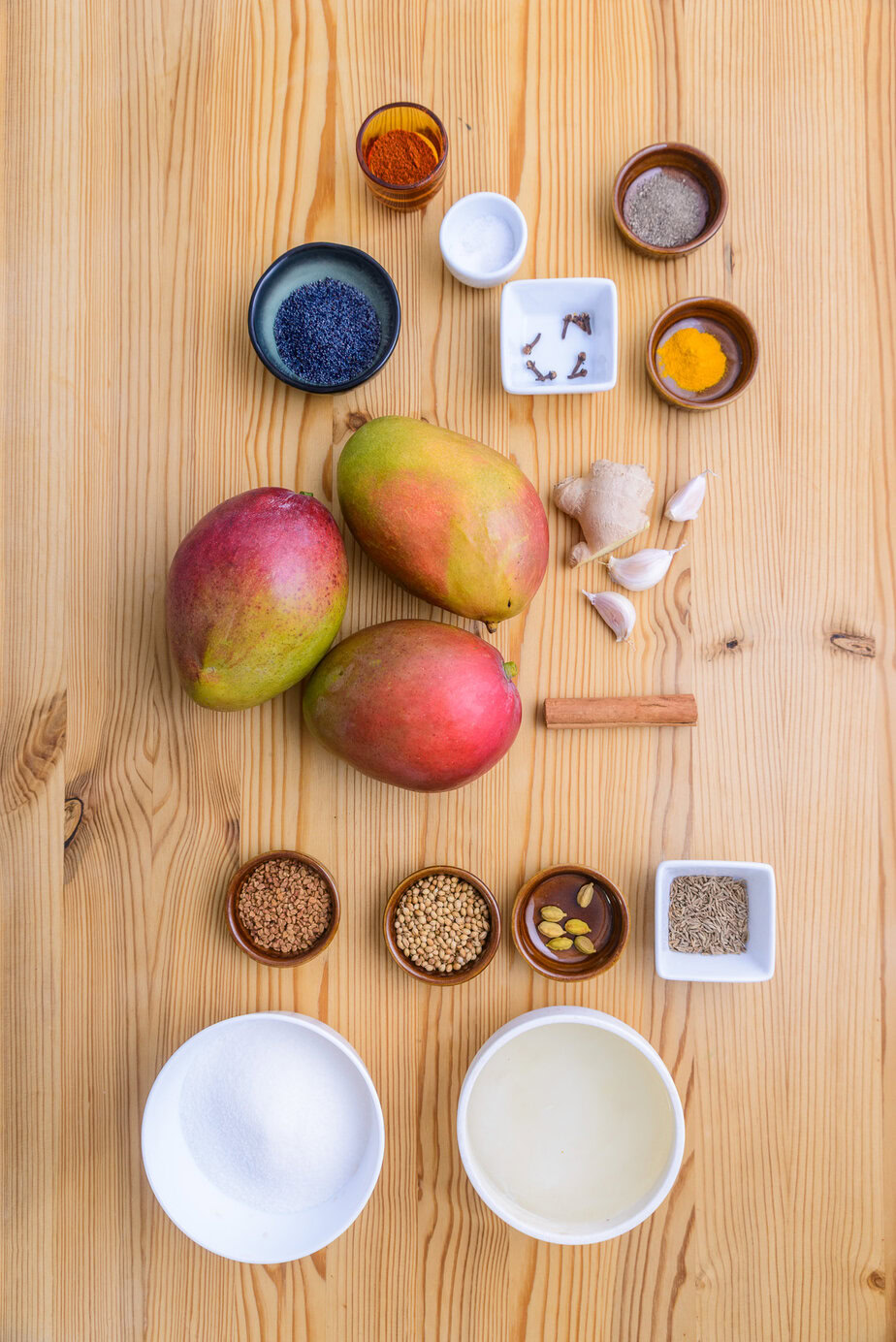
You’ll need 1.5 kg of ripe but firm mangoes, which gives you about 1 kg of flesh once they’re peeled and pitted. Kent mangoes, which have very little fiber, make a meltingly tender chutney. Keitt mangoes hold their pieces better during cooking.
The syrup combines 300 ml of white wine vinegar and 350 g of white sugar. The vinegar balances the sugar, and together they let you keep the chutney in jars. Garlic and grated fresh ginger add a kick, while nigella seeds bring a peppery note and a slight crunch.
Cumin, coriander, fenugreek and green cardamom are dry-toasted, then coarsely crushed: they give the chutney its warm aroma. The cinnamon and cloves cook whole in the syrup, turmeric deepens the golden color, and the chili powder can range from ½ to 1 teaspoon, depending on how much heat you want.
What Goes with Mango Chutney?
A small spoonful alongside a vegetable curry such as aloo gobi, or the chickpeas in a chana masala, adds a fruity, tangy note. With dal bhat or a simple plate of rice and spiced vegetables, the pieces of mango contrast with the mildness of the lentils.
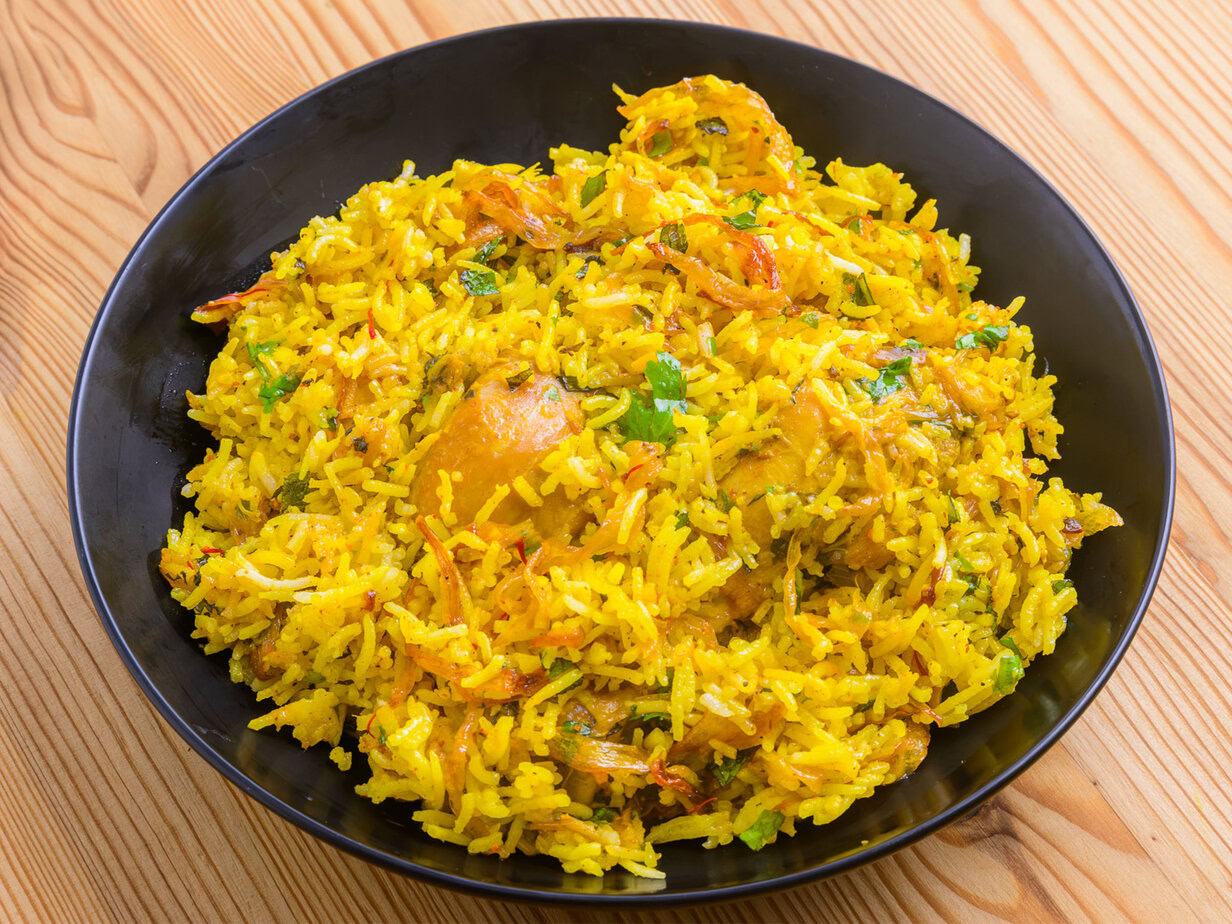
It also goes well with grilled dishes: tandoori chicken, grilled pork or tofu. Served on the side, it can be added to taste as the meal goes on. Beyond Indian cooking, a thin layer in a cheese or cold chicken sandwich works very well, as does a piece of aged hard cheese.
Cooking Tips for a Good Mango Chutney
Cook the chutney uncovered over low heat, stirring every 10 minutes: at a rolling boil, it sticks to the pan and loses its flavor. It’s ready when a drop of syrup placed on a saucer straight from the freezer wrinkles when you push it with your finger, or when a line drawn with a spoon across the bottom of the saucepan stays visible for a second or two.
Freshly made, it has a strong vinegar taste. It mellows after two to four weeks in the jar, ideally two months, and keeps for at least 6 months unopened in a cool, dark cupboard.
Ingredients
Toasted Spices
- 1.5 teaspoons cumin seeds
- 1 teaspoon coriander seeds
- 1 teaspoon fenugreek seeds
- 6 pods cardamom green
Syrup
- 300 ml white wine vinegar
- 350 g white sugar
Chutney
- 1.5 kg mangoes ripe but firm, about 1 kg of flesh
- 3 cloves garlic
- 1 piece ginger fresh, 5 cm
- 2 teaspoons nigella seeds
- 1 stick cinnamon 2.5 cm
- 8 whole cloves
- 0.5 teaspoon turmeric ground
- 0.5-1 teaspoon chili ground
- 1.5 teaspoons salt
- 0.5 teaspoon black pepper
Instructions
Toasted Spices
- Heat a dry frying pan over medium heat.
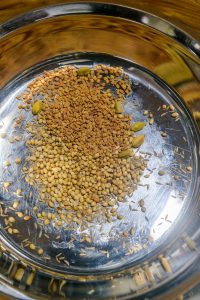
- Toast the cumin seeds, coriander seeds, fenugreek seeds and cardamom pods in the pan, stirring, until they release their aroma.1.5 teaspoons cumin seeds, 1 teaspoon coriander seeds, 1 teaspoon fenugreek seeds, 6 pods cardamom
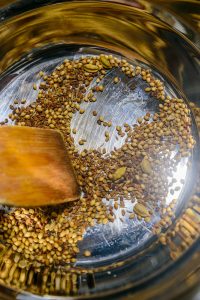
- Transfer the toasted spices to a mortar.
- Grind them into a coarse powder with the pestle.
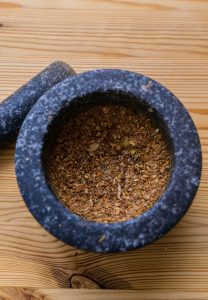
- Set this spice powder aside.
Preparing the Mangoes and Aromatics
- Peel the mangoes.1.5 kg mangoes
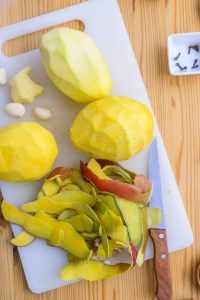
- Cut the flesh away from the pit.
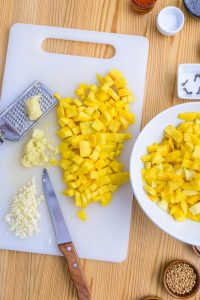
- Cut the flesh into small dice.
- Finely chop the garlic.3 cloves garlic
- Peel the ginger, then grate it.1 piece ginger
Syrup
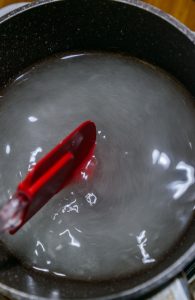
- Pour the white wine vinegar and sugar into a large heavy-bottomed saucepan.300 ml white wine vinegar, 350 g white sugar

- Bring to a simmer over low heat, stirring until the sugar has completely dissolved.
Cooking the Chutney
- Add the garlic, ginger, nigella seeds, cinnamon stick, cloves, turmeric, ground chili, salt and black pepper to the saucepan.2 teaspoons nigella seeds, 1 stick cinnamon, 8 whole cloves, 0.5 teaspoon turmeric, 0.5-1 teaspoon chili, 1.5 teaspoons salt, 0.5 teaspoon black pepper
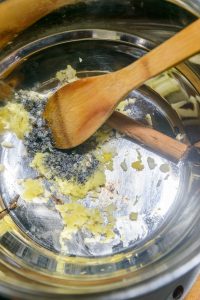
- Add the diced mango and the ground toasted spices.
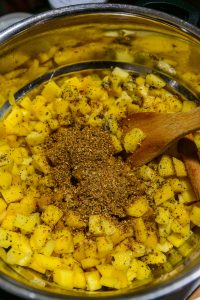
- Stir well.
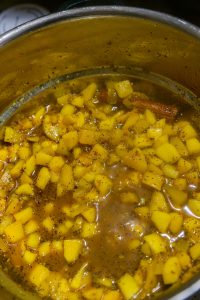
- Simmer uncovered over low heat for 50 minutes to 1 hour.
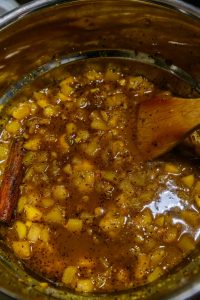
- Stir every 10 minutes, scraping the bottom, so the chutney doesn’t stick.
- During cooking, lightly crush the mango pieces with a spatula or potato masher if you prefer a less chunky chutney.
- Remove from the heat once the chutney has noticeably thickened.
Filling the Jars
- Pour the still-hot chutney into sterilized jars.
- Seal the jars immediately, while the chutney is still hot.
- Let the jars cool before storing them at room temperature.