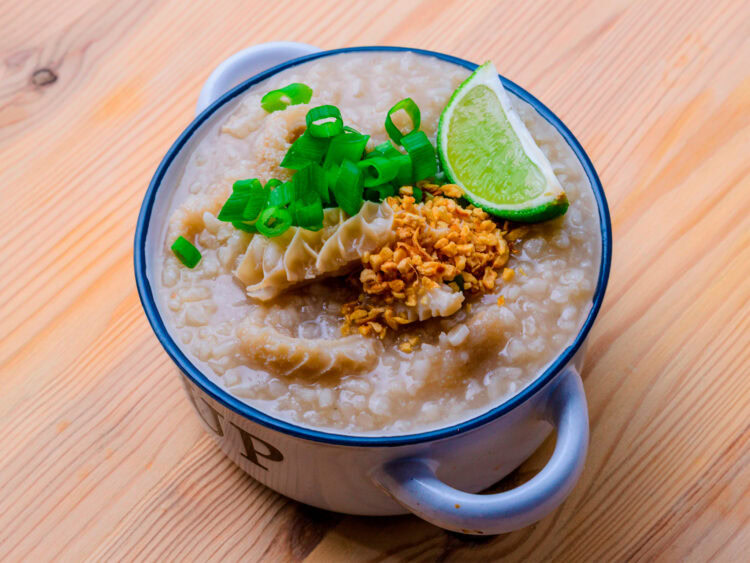
A rich, comforting Filipino congee, slowly simmered with tripe and ginger-scented broth, then topped with fried garlic, green onion, and calamansi.
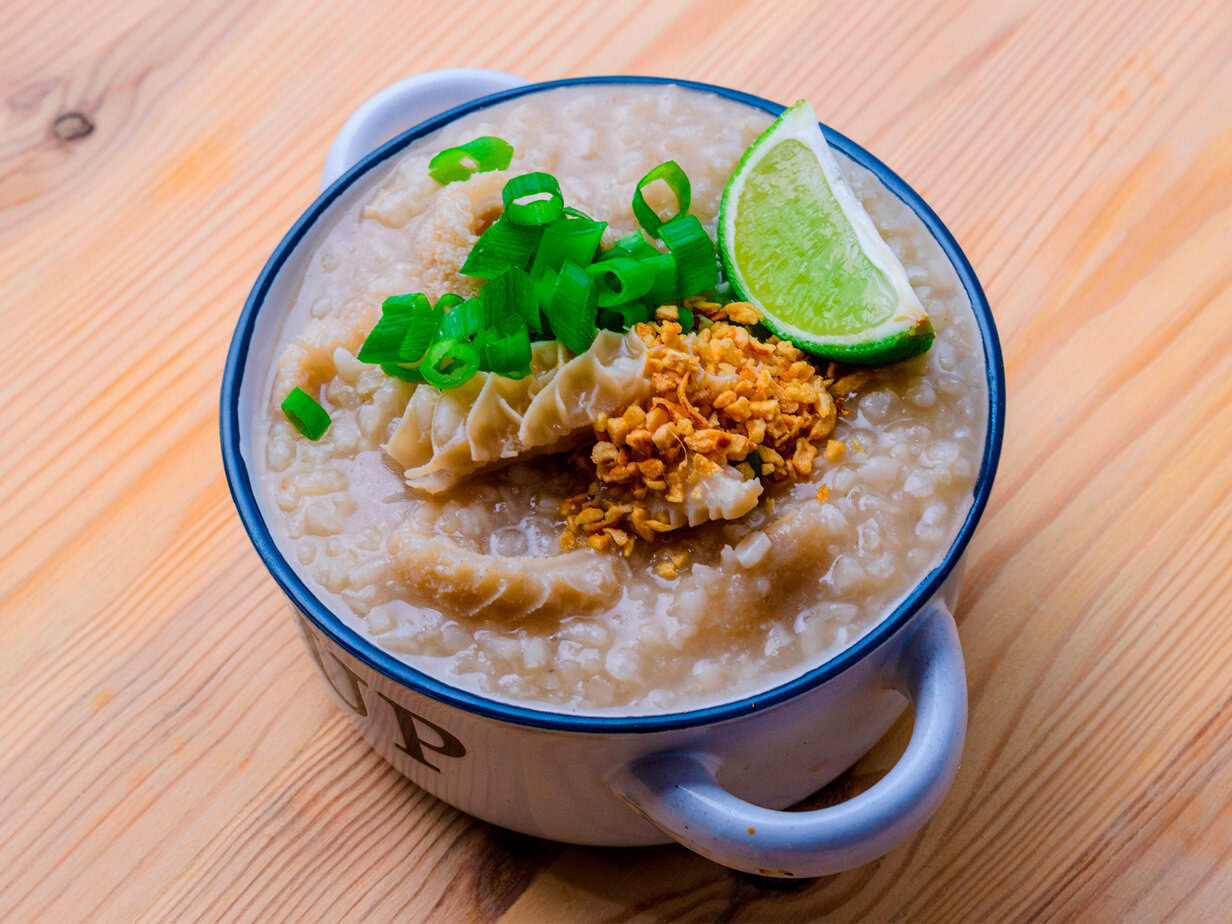
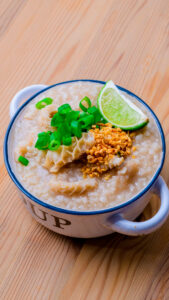
Steam rises from a silky rice porridge warmed with ginger. The fried garlic, beautifully golden, crackles under the spoon, the scallion adds a flash of green, and tuwalya, beef tripe, peeks through at the surface. The calamansi is ready to be squeezed ; the patis is waiting to be drizzled over the top.
What you have before you is Goto, one of my favorite congees in all of Asia. In this article, I’ll show you how to make it.
What Is Goto?
In Manila, goto is lugaw, a Filipino rice porridge, made with beef tripe. The tripe is essential. The word goto comes from Tagalog and was borrowed from the Hokkien gú‑tō (牛肚), meaning “beef stomach,” or, unsurprisingly, tripe. Older menus spelled it out in full : arroz caldo con goto, before the name was shortened.
The base is deliberately simple and pared back. It relies on rice, often malagkit or a mixture of glutinous and regular rice, meticulously cleaned tripe cooked until meltingly tender, and the classic trio of ginger, garlic, and onion. Patis (fish sauce) brings umami, while black pepper rounds out the seasoning.
The bowl is topped with fried garlic and scallion ; a hard-boiled egg and crushed chicharon (like bagnet) are also very common additions. Calamansi and extra patis are served on the side so everyone can adjust the saltiness and acidity to taste.
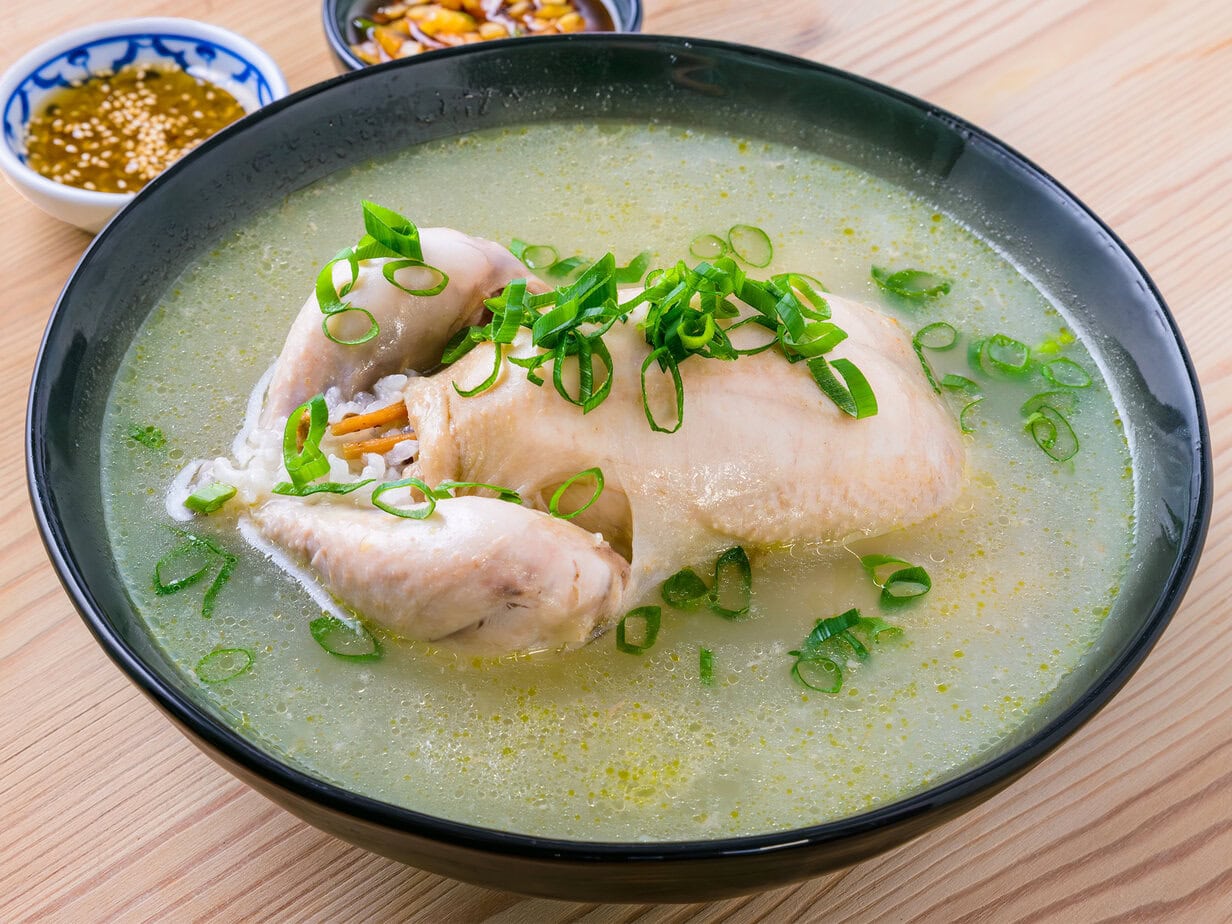
Just as important : what it is not. Plain lugaw is a porridge without added meat or offal ; arroz caldo is built around chicken and tinted golden yellow ; seafood versions belong to other porridge styles, notably pospas or seafood lugaw, and are not goto. “Chicken goto” is a misnomer : by definition, goto means tripe.
A true goto should be creamy, somewhere between off-white and pale beige : thick enough to hold up an egg, but loose enough to pour. A fluorescent yellow color suggests too much turmeric, which is uncommon in Manila-style goto ; a brown, soy-sauce-like tint suggests soy sauce has been cooked into the porridge, which is just as out of place. Soy sauce is usually served on the side, as with tokwa’t baboy, not simmered in the pot.
Authenticity shows in the glutinous rice, which gives the porridge its silky texture ; in a broth built from long-simmered tripe, often with bones ; in the ginger, which helps soften the aroma of offal ; and in the classic garlic-and-scallion finish. Warning signs : no tripe, no ginger, too much turmeric, soy sauce simmered in the pot, or missing garnishes. The flavor should stay gentle and comforting, with each diner setting the final balance with calamansi and a little more patis. With that definition in place, let’s see how Chinese congee and Spanish naming traditions met in Manila to create today’s goto.
Origin : Roots, Evolution, and Local Identity
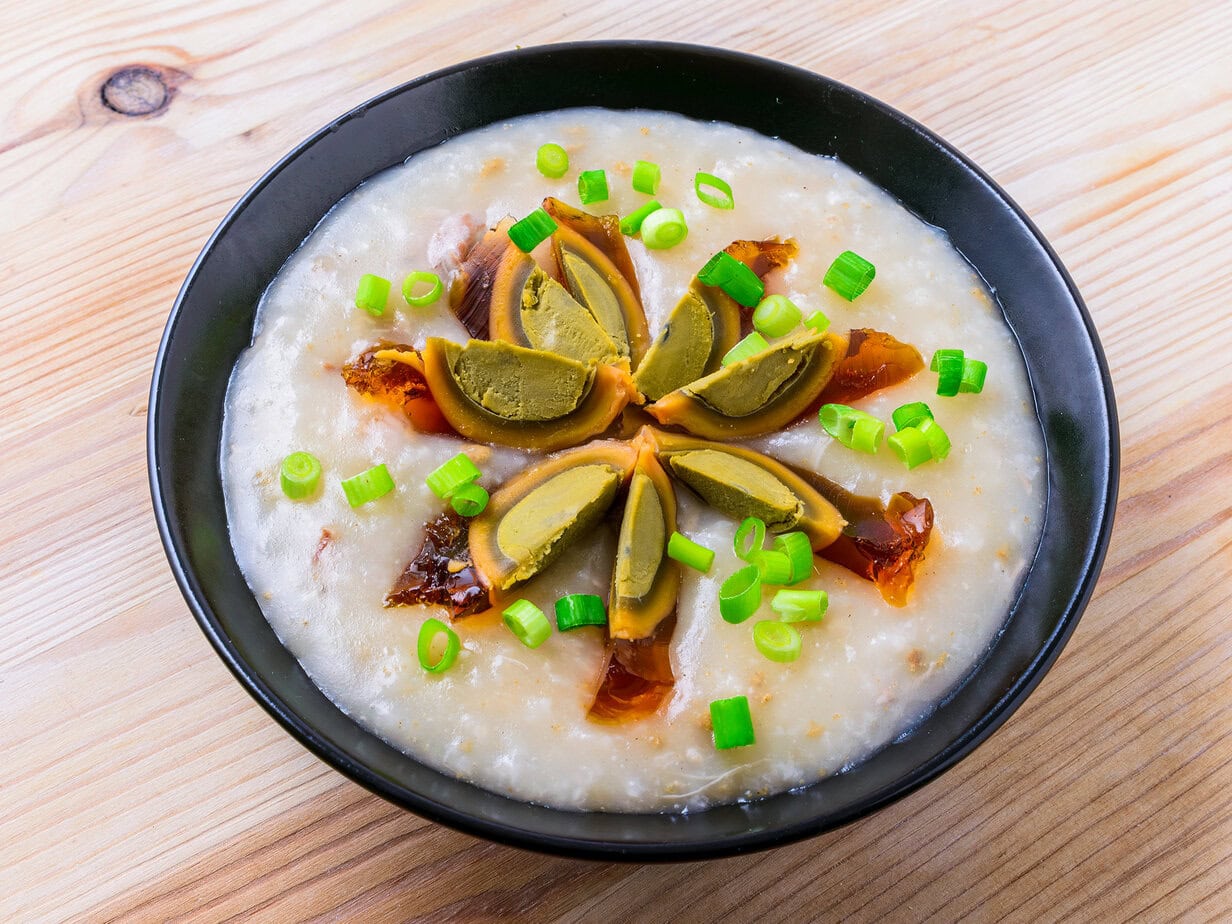
Lugaw descends from Chinese congee, which arrived on the Philippine coasts with early Hokkien traders. It is one of the oldest documented foods in the archipelago : a Philippine dictionary from 1613, written by Father Pedro de San Buenaventura, already defined “logao” as rice cooked in water, milk, or broth. Over the centuries, local cooks shaped this simple porridge according to their tastes and means.
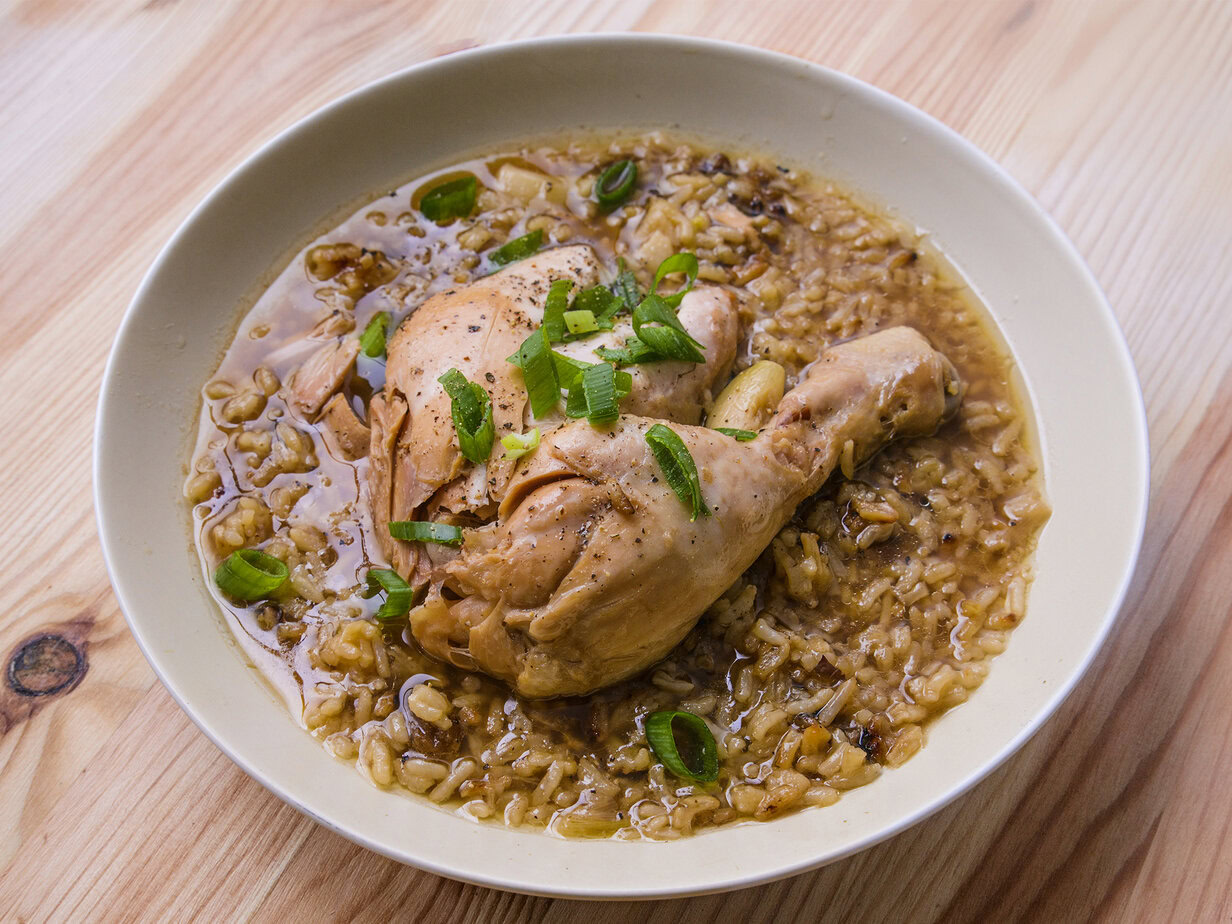
During the Spanish period, a golden-yellow version enriched with chicken took the name arroz caldo. Originally colored with saffron, it was later more often tinted with kasubha, or safflower.
That name created a model : lugaw could be plain, or it could become “arroz caldo with [ingredient].” When tripe was added to the pot, menus listed arroz caldo con goto. In everyday use, it eventually became simply goto, because lugaw “becomes” goto as soon as tripe is added.
This style became especially rooted in the Tagalog region of Luzon, particularly around Manila. Lugawan stalls keep large pots gently simmering for dawn commuters, rainy-day regulars, and 4 a.m. customers. Beef tripe, affordable yet full of flavor, turns a simple rice porridge into something more nourishing, perfectly in line with the logic of the Filipino pantry : stretch what you have on hand and lift it with ginger and patis.
At the same time, Batangas developed another kind of goto : a clear, peppery beef offal soup, served without rice in the bowl, with puto, a rice cake, or plain rice on the side. Often called Gotong Batangas, this tradition is associated with Lipa in the 1960s. Nationally, though, when people say goto, most think of the Manila-style tripe congee. It is the result of Chinese technique, Spanish nomenclature, and Filipino know-how coming together. Now, let’s look at the ingredients and the role each one plays.
The Main Ingredients in Goto
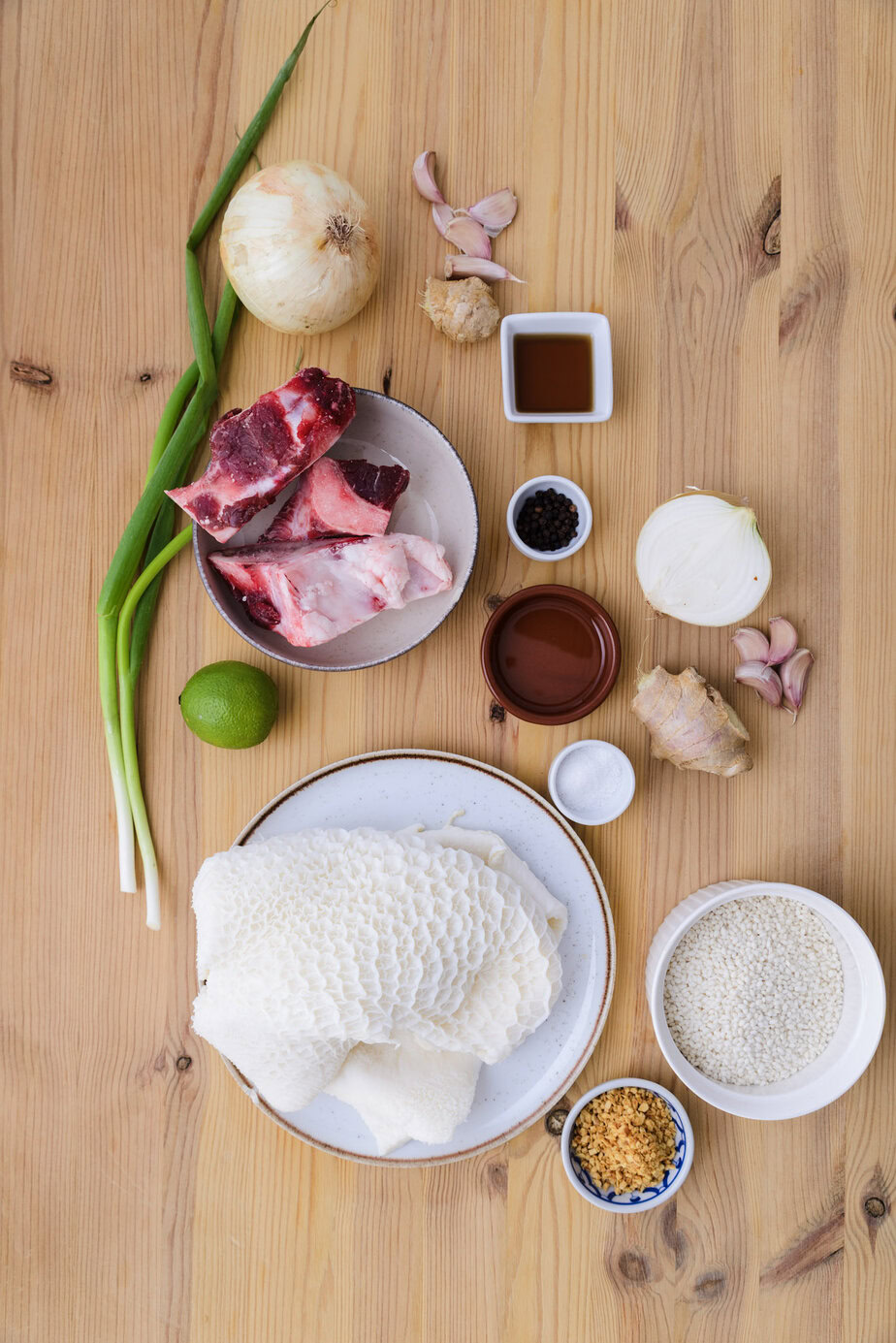
The rice, ideally malagkit, determines the texture. As it swells and breaks down, its starch thickens the broth into a velvety porridge that coats the spoon. Many cooks use 100 % glutinous rice for its silky texture ; others mix it with regular rice.
Beef tripe, or tuwalya, brings the dish its characteristic flavor and chew. Honeycomb and blanket tripe are the most common cuts.
Ginger, or luya, is the central aromatic, present in both the broth and the sautéed base. It warms the palate and softens the offal notes. Garlic appears in two stages : first melted into the base, then fried separately into crisp, golden shards that perfume every bowl. The onion turns tender and lightly sweet, helping tie everything together.
The broth comes from the same pot that tenderizes the tripe, ideally reinforced with marrow bones or joints. Skim it carefully for a clean-tasting broth ; a bouillon cube can help in a pinch, but it cannot replace a proper stock.
Touches of color and aroma, such as kasubha or a pinch of turmeric, can give the porridge a gentle tint, but fluorescent color is a warning sign. Lemongrass appears in some modern kitchens, though it is not traditional across the board. The finish is classic : fried garlic and scallion, sometimes a marinated egg or a hard-boiled egg, plus crushed chicharon.
Calamansi and extra patis stay within reach so everyone can adjust the acidity and salt. For contrast, many people serve a steaming bowl with tokwa’t baboy, fried tofu and pork, often cooked and then dressed with a salty, tangy soy-vinegar sauce that plays against the softness of the porridge.
Cultural Significance and the Ritual of Eating
Goto is everyday comfort : breakfast on rainy mornings, a soothing dish for sick days, and a late-night classic at 24/7 lugawan stalls, all at a price everyone can afford.
Once the bowl is in front of you, the ritual is simple : garnish generously with fried garlic and scallion, squeeze in calamansi, adjust with patis, and perhaps add pepper, a common gesture in Filipino cuisine, until the balance is exactly your own.
Ingredients
Cleaning & Parboiling
- 1 kg beef tripe
- coarse salt to clean the tripe
- 1 L water for the first cooking
- 2 tablespoons salt
Broth
- 3 pieces beef bones
- 2 L water for cooking
- 1 small onion peeled and quartered
- 4 cloves garlic peeled and crushed
- 1 piece ginger thumb-sized, halved and pounded
- 0.5 teaspoon peppercorns
Congee
- 1 tablespoon oil
- 1 medium onion peeled and chopped
- 5 cloves garlic peeled and chopped
- 1 piece ginger 2-inch, peeled and julienned
- 1 tablespoon fish sauce
- 200 g glutinous rice
- 1.6 L broth reserved from cooking the tripe
- salt to taste
Serving
- fried garlic chips for serving
- scallions chopped, for serving
- calamansi cut into wedges, for serving
Instructions
Clean and blanch the tripe
- Place the tripe in a bowl and add enough cold water to cover. Refrigerate and soak overnight.1 kg beef tripe
- The next day, rub the tripe vigorously with the coarse salt, then rinse well under running water. Repeat 2 to 3 times.coarse salt
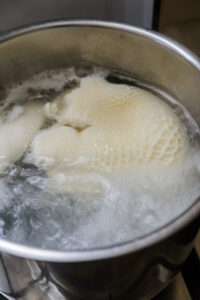
- Pour 1 L of water into a large pot set over medium heat and add 2 tbsp salt. Bring to a boil, add the tripe, and cook for 10 to 15 minutes. Drain.1 L water, 2 tablespoons salt
Cook the broth
- In the same pot, add the tripe, beef bones, and 2 L water. Bring to a boil and skim regularly.3 pieces beef bones, 2 L water
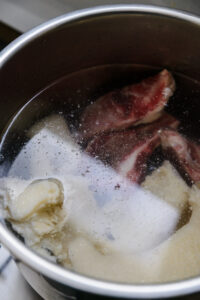
- When the broth is clear, add the small onion, crushed garlic, pounded ginger, and peppercorns. Reduce the heat, cover, and cook 3 to 4 hours until tender, adding a little water if needed.1 small onion, 4 cloves garlic, 1 piece ginger, 0.5 teaspoon peppercorns
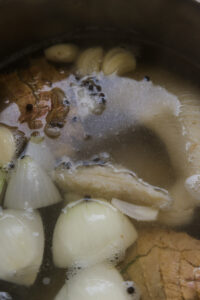
- Remove the tripe. Strain the broth and reserve 1.6 L liquid. Let the tripe cool, then cut into strips.1.6 L broth
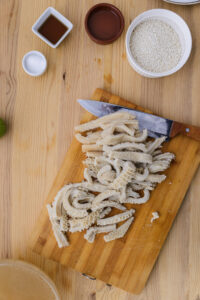
Make the congee
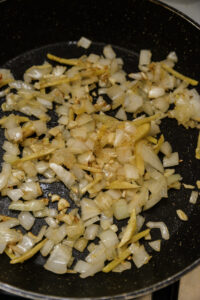
- In a saucepan over medium heat, heat the oil. Add the chopped onion, chopped garlic, and julienned ginger, then sauté until golden.1 tablespoon oil, 1 medium onion, 5 cloves garlic, 1 piece ginger
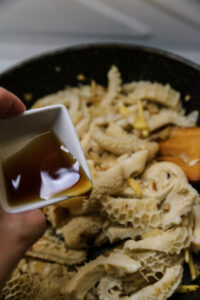
- Add the tripe and cook 3 to 5 minutes, stirring occasionally. Add the fish sauce and cook 2 to 3 minutes more.1 tablespoon fish sauce
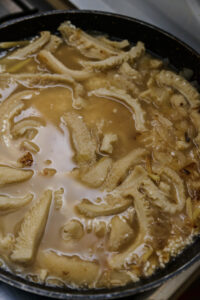
- Add the glutinous rice and cook 2 to 3 minutes, stirring regularly. Add the reserved broth, bring to a boil, then simmer 15 to 20 minutes until the rice is softened and the texture is thick and sticky. Season with salt to taste.200 g glutinous rice, salt
Serving
- Ladle the congee into bowls. Top with scallions and fried garlic chips, then serve hot with calamansi wedges.fried garlic chips, scallions, calamansi
Notes
- To save time, clean and blanch the tripe the day before, then begin the long broth simmer the next day.
- Adjust the texture by adding a little more broth or water at the end of cooking if the congee becomes too thick.
Culinary Sources
• Lugaw, congee, goto, and arroz caldo: what are the differences? – SBS Filipino (English)
• Adobo Is “Paksiw,” and Other Terms in Filipino Food History (English)
• Here’s how to tell lugaw, congee, goto, and arroz caldo apart – Yummy (English)
• [CULTURE: food] How a bowl of goto in Batangas can come as a surprise (English)
• Breaking Fast for Doreen – Philstar.com (English)
• Goto recipe (beef tripe rice porridge) – Foxy Folksy (English)
• Goto (Filipino beef tripe rice porridge) – Kawaling Pinoy (English)
• Special goto recipe – Panlasang Pinoy (English)
• GOTO (Filipino beef rice porridge) – BUSOG! SARAP! (English)
• Lugaw or goto? – Reddit (Filipino)
• About: Goto (dish) – DBpedia (English)
• File: Goto sa agahan.jpg – Wikimedia Commons (English)
• Goto is the ultimate cold-weather comfort. Made with glutinous rice… – Facebook (English)
• A different bowl of “goto” (YOUNG BLOOD) – Tumblr (English)
• Embracing This Plethora of Pleasures – Doreen G. Fernandez (English)