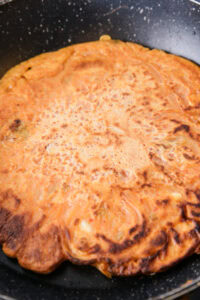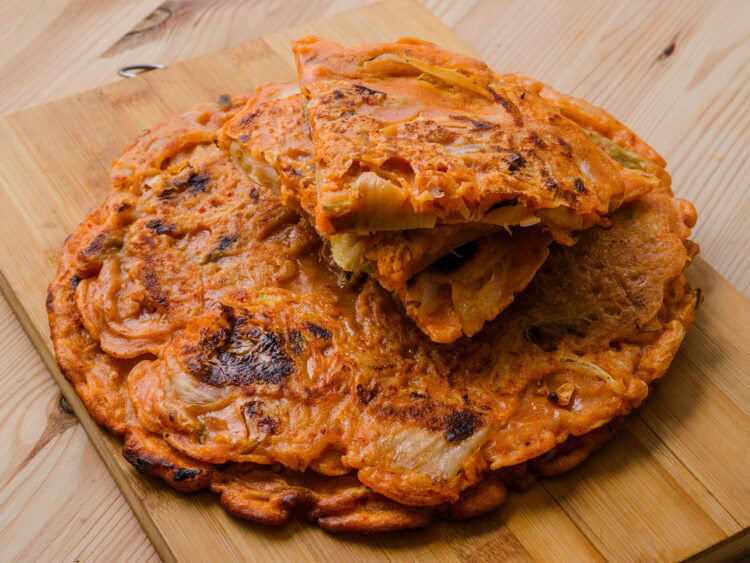
As soon as the pan hits the heat, the gimchijeon batter begins to sizzle and bubble before it even sets. Within moments, the edges curl and brown, while the center stays tender, studded with chopped kimchi that infuses the pancake as it cooks.
It’s a simple, wonderfully crispy way to give new life to well-aged kimchi, which is more deeply fermented than a younger batch. If you love these flavors, try kimchi jjigae, a beloved Korean classic.
What Is Gimchijeon?
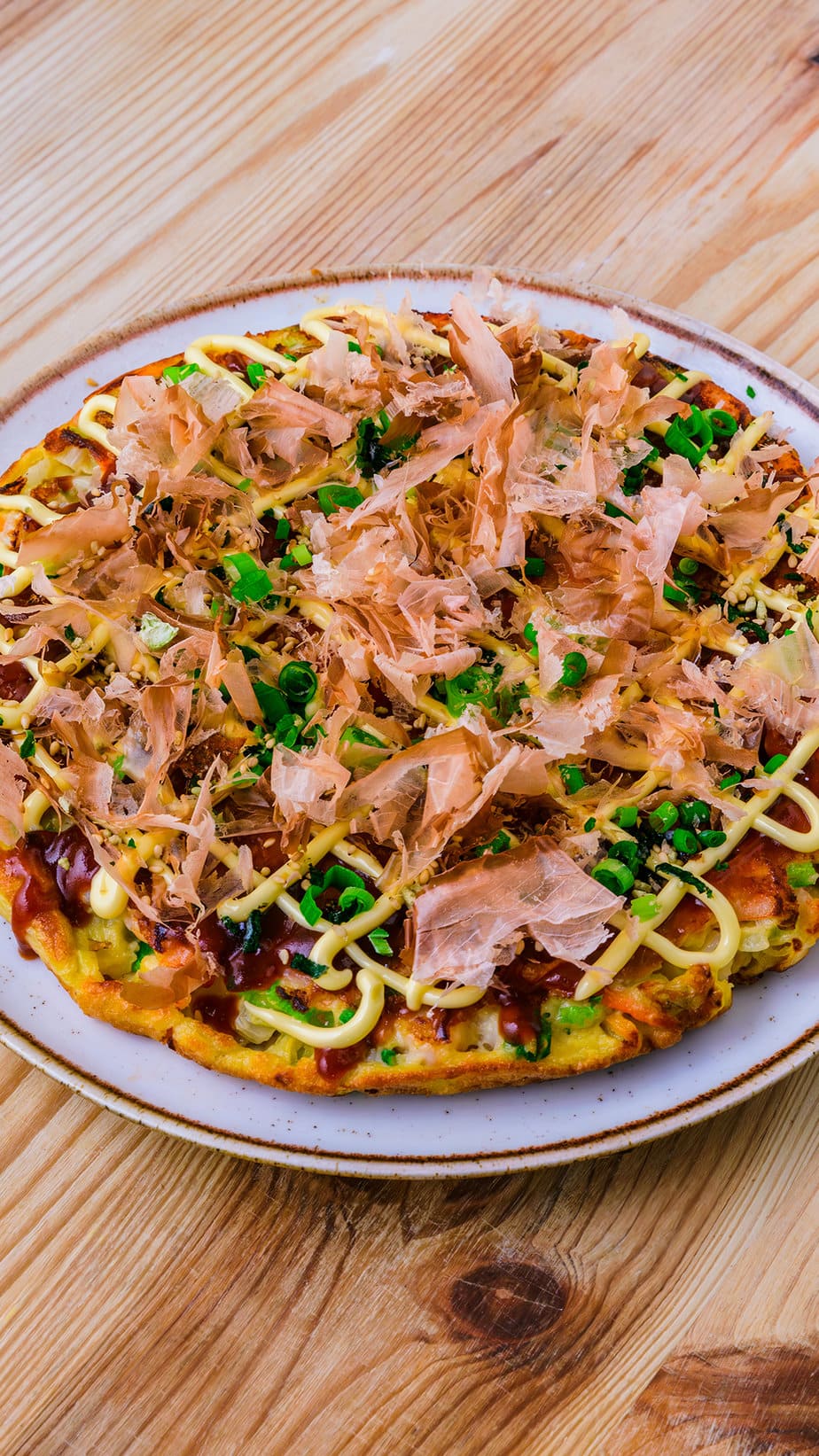
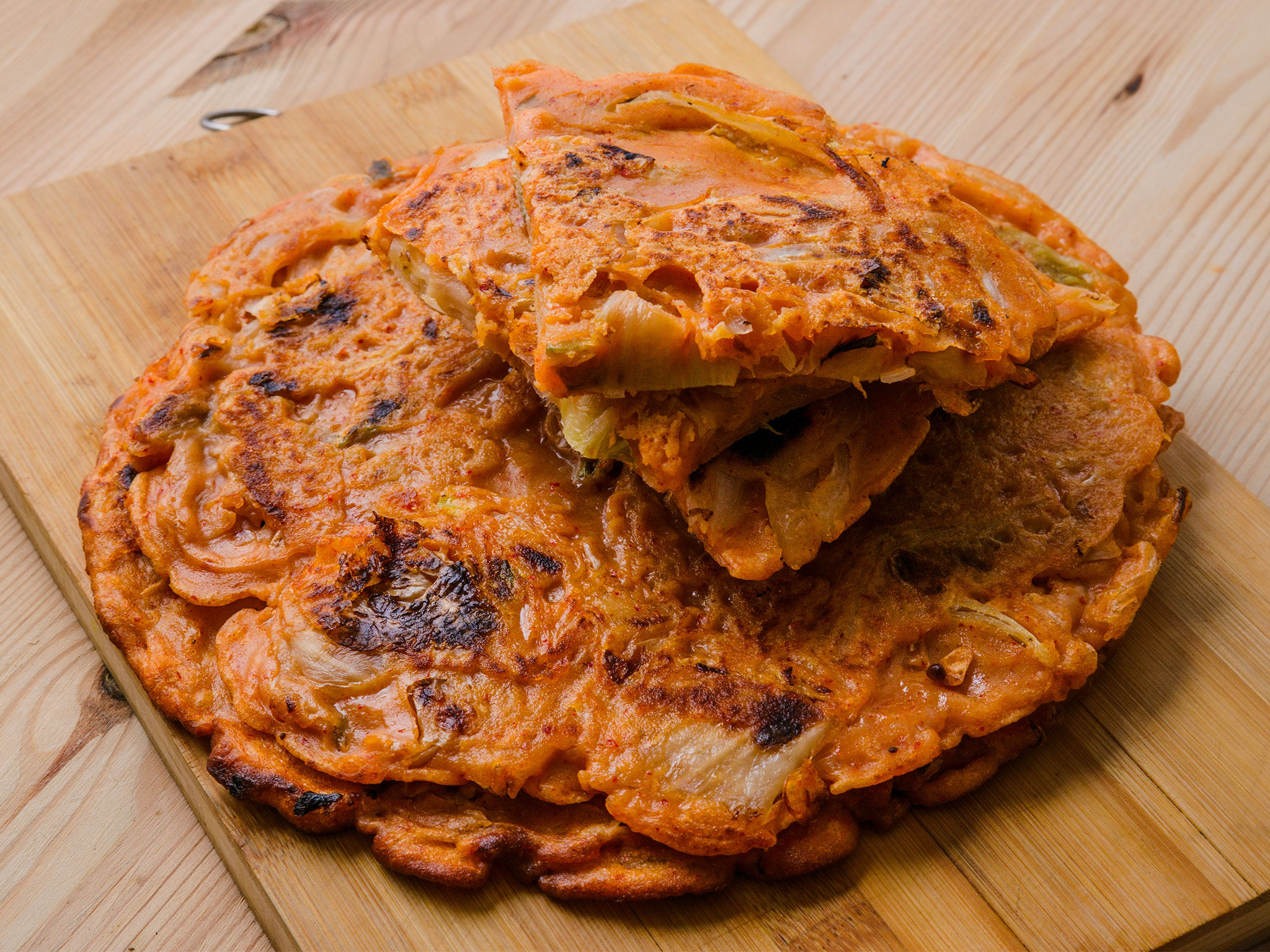
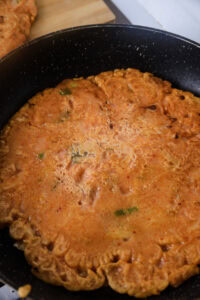
Gimchijeon is a pan-fried savory pancake made by folding kimchi into a simple batter, then cooking it in oil until beautifully crisp. It may remind you of okonomiyaki, but with kimchi at the heart of the dish. The batter is spread thinly in the pan and left to brown until the surface crackles. In the wider family of jeon pancakes, you’ll also find yachaejeon (with vegetables) and aehobak jeon (with zucchini).
The batter is intentionally simple : wheat flour, ice-cold water, and kimchi juice. Chopped kimchi brings its fermented flavor and gentle heat, while the juice seasons and colors the batter. Thinly sliced green onion and onion add freshness and a sweetness that develops as they cook. A generous amount of vegetable oil is what helps the edges turn deeply golden and crisp.
The texture is all about contrast : a crisp, lacy edge and a softer center, with juicy pockets of kimchi throughout. The flavor leans tangy and spicy, with a subtle sweetness, especially if you add a little sugar to balance a particularly acidic batch. Served as a quick snack, a shareable side dish, or an easy meal made from leftovers, gimchijeon is full of character without being complicated.
The Origin of Gimchijeon
Pan-fried jeon are staples of Korean home cooking, and gimchijeon is often seen as a practical way to use what you already have on hand. Well-fermented kimchi, which becomes sharper with time, can be even more delicious once pan-fried : its juices caramelize as they hit the hot pan.
Frying it in oil softens any harsh acidity, concentrates the umami, and creates a satisfying crispness, turning leftovers into a real treat. It is best served immediately, while still hot.
Main Ingredients for Gimchijeon
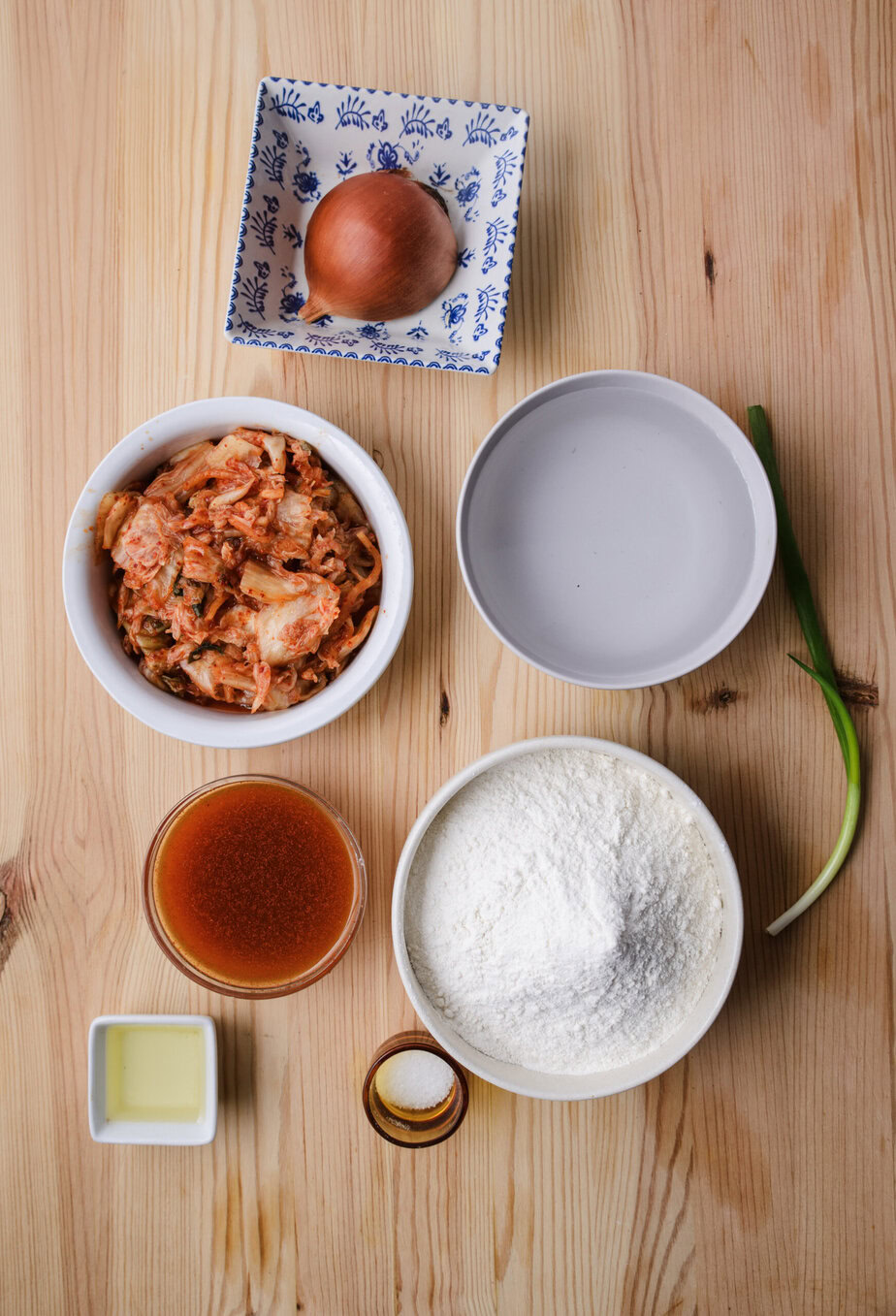
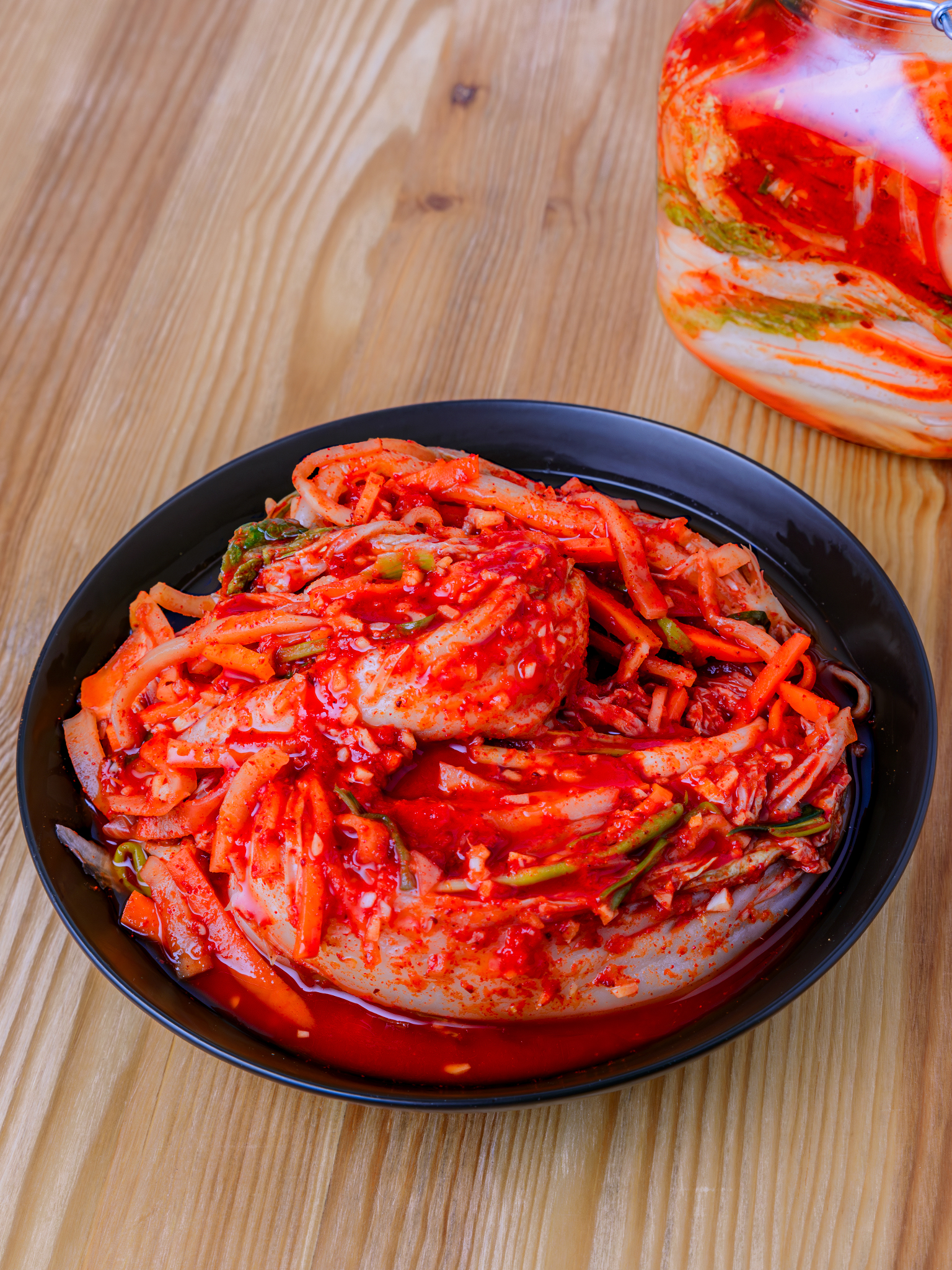
Kimchi : the star ingredient. Its fermented brine brings a bright acidity that wakes up the palate. The chopped pieces add texture and a vivid red color (you’ll find it easily in Asian grocery stores).
Kimchi juice : the liquid seasoning. It tints the batter and boosts the overall savory depth.
Wheat flour : classic wheat flour is the most common choice ; it binds the mixture and helps the pancake hold together while crisping up nicely.
Green onion : adds freshness that cuts through the richer, fermented flavor of the kimchi (spring onion / scallion).
Vegetable oil : a generous layer is essential ; without enough fat, the batter steams instead of fries.
Sugar : useful when the kimchi is very acidic ; it rounds out the sharpness and encourages deeper browning.
How to Serve It and Tips for Success
Serve it hot, straight from the pan, ideally with gyoza sauce for dipping. For a street-food-style option, okonomiyaki sauce works well too.
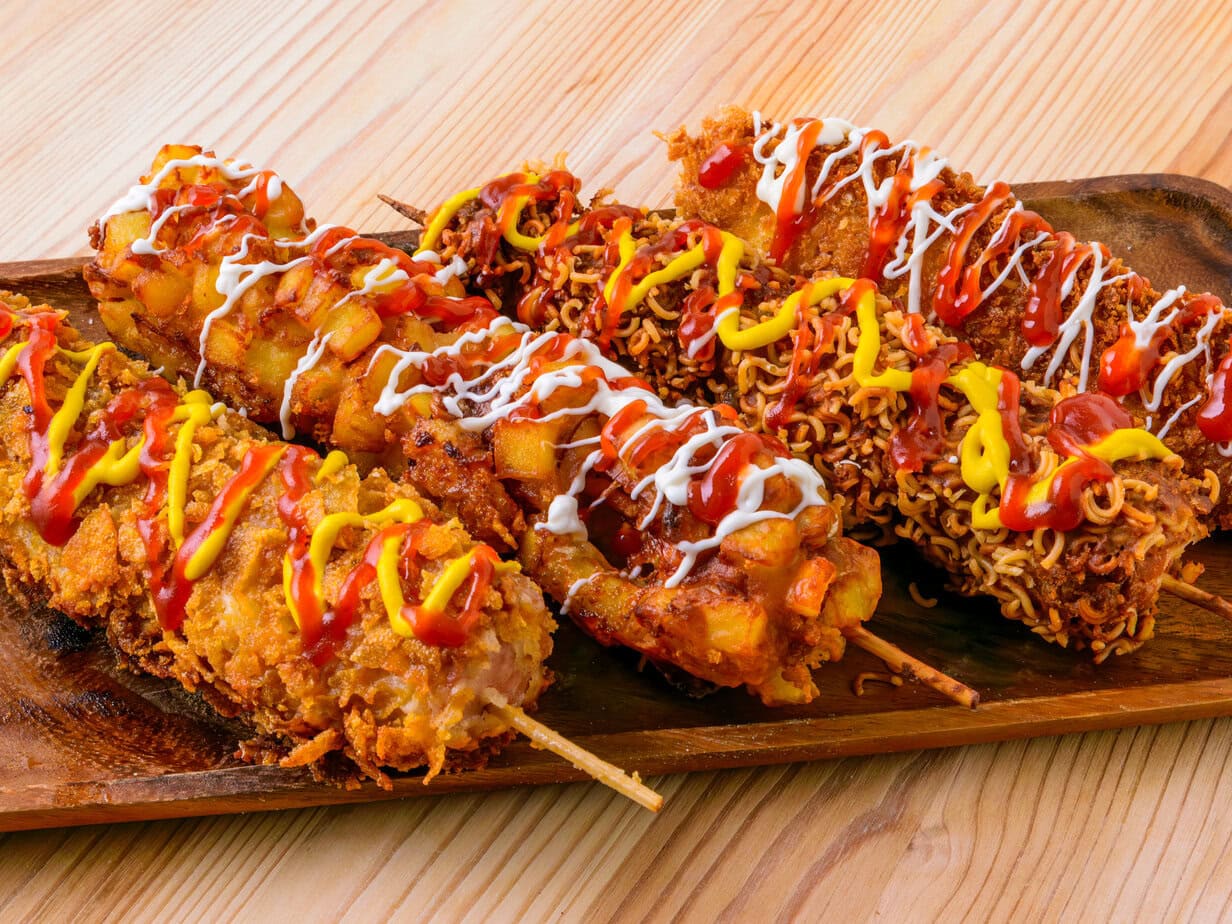
For sides, it pairs beautifully with a bowl of bibim guksu, kimbap (or a spicier version, such as gochukimbap), and a small banchan like kongnamul muchim. To turn it into a full meal, serve it with samgyeopsal, galbi, beef bulgogi, or jeyuk bokkeum. And if you love Korean snacks, Korean corn dogs are another wonderfully comforting option.
For extra crispiness, thickness is everything : the thinner the pancake, the crisper and more defined it will be. Mix the batter as little as possible, just until no dry flour remains ; overworked batter can turn too elastic. Because kimchi acidity varies so much, sugar is mainly there for balance : some batches won’t need it, while older kimchi may benefit from a pinch. Heat and oil go hand in hand : heat a large skillet over medium-high heat, add a generous amount of oil, then start cooking when the oil shimmers to get beautiful browning.
To keep the pancake neat and even, technique matters as much as the batter : flip it gently, then, once turned, press lightly with a spatula and continue cooking until deeply golden and crisp. A little fried garlic scattered over the top works very well, if you like.
The most common mistakes come down to consistency and temperature. Batter that is too thick tends to cook up dense ; a pan that isn’t hot enough can make the pancake absorb oil and turn soft, while too little oil keeps the edges from crisping. If you’re looking for more ideas in the same spirit, this article on ramen rounds out a comforting meal nicely ; it’s also exactly the kind of dish that is ready in 20 minutes when you already have kimchi on hand.
Ingredients
- 500 g kimchi
- 500 g all-purpose flour
- 600 ml water ice-cold
- 300 ml kimchi juice
- 1 stalk green onion thinly sliced
- 0.5 onion thinly sliced
- vegetable oil as needed, for cooking
- 1 tablespoon sugar optional, to balance the acidity
Instructions
- Finely chop the kimchi.500 g kimchi
- Thinly slice the green onion and onion.1 stalk green onion, 0.5 onion
- Place the flour in a large bowl.500 g all-purpose flour
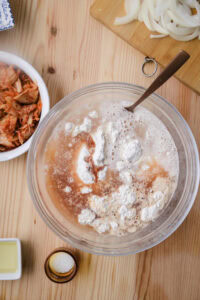
- Add the ice-cold water and kimchi juice.600 ml water, 300 ml kimchi juice
- Stir until no dry flour remains, taking care not to overmix the batter.
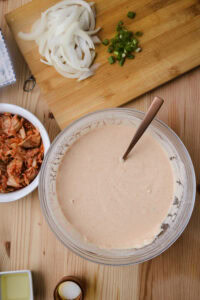
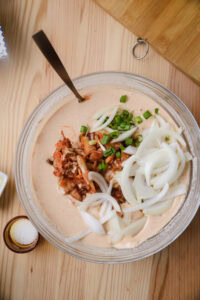
- Fold in the kimchi, green onion, and onion.
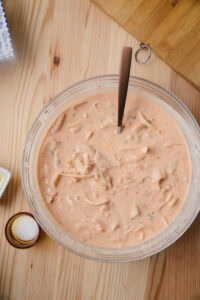
- If the kimchi is very acidic, add the sugar and mix well.1 tablespoon sugar
- Heat a large skillet over medium-high heat and add a generous amount of oil.vegetable oil
- When the oil shimmers, add a portion of batter and spread it thinly.
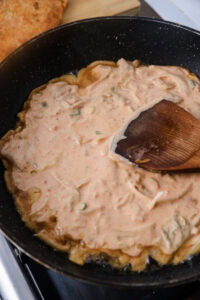
- Cook until the edges are browned, then flip carefully.
- Press lightly with a spatula and cook until beautifully golden and crisp on both sides.
- Repeat with the remaining batter and serve immediately.