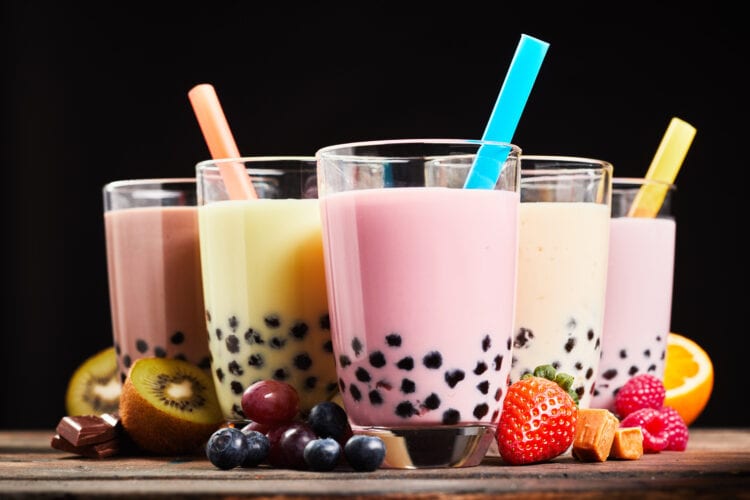
Bubble tea, also known as boba tea, is a little gem that hails from Taiwan, available in a plethora of flavors and variations. Bubble tea shops? A veritable maze of delights with a multitude of customization options that could almost make your head spin!
Whether you’re the type to put on your apron and whip up your own bubble tea at home, or you’d rather order it leisurely from your favorite tea shop, one thing is certain: you’re going to love it.
So get ready to discover the delicious and surprising world of bubble tea, with all the flavors and textures it has to offer
What Is Bubble Tea?
Also known as boba tea, pearl tea, or tapioca tea, this drink was born in Taiwan in the 1980s. It was a huge hit in its home country, and guess what? It has conquered the whole world! From New York to Madrid, you’ll find bubble tea shops everywhere.
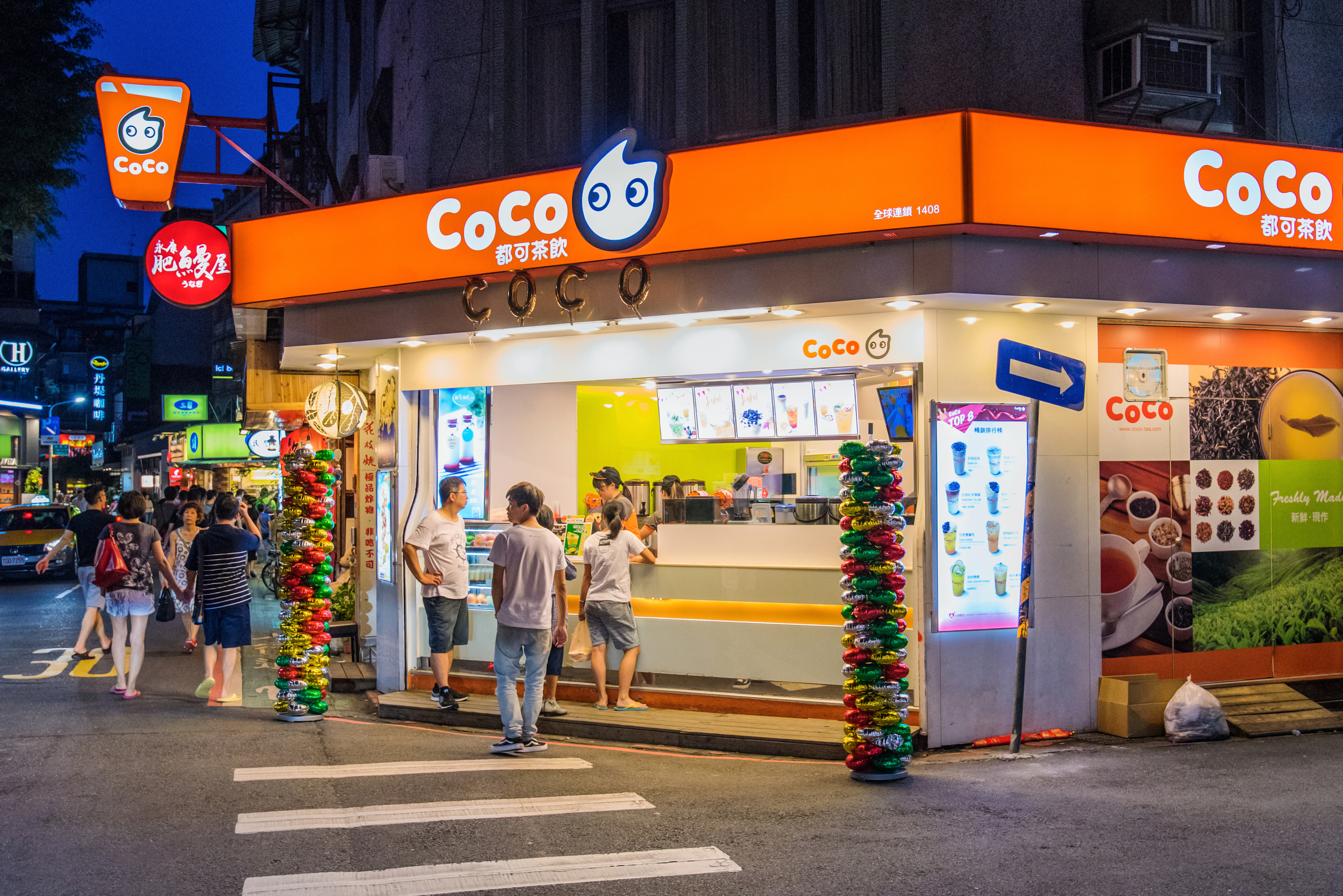
Bubble tea is a cocktail of flavors and textures: brewed tea, milk (or a dairy-free alternative, for those who prefer), a hint of flavoring, sugar or sweetener, and the star of the show: tapioca pearls or their equivalent.
You shake it all up with ice, serve it with an XXL straw, and there you have it, your bubble tea ready to enjoy!
Types of Bubble Tea
There are hundreds of bubble tea variations, but we can identify 4 main types:
- Milk tea: A simple combination of black tea with milk and tapioca pearls
- Thai tea: A very strong black tea mixed with condensed milk and tapioca pearls
- Taro bubble tea: Taro paste is mixed in, a delicious tuber with a purple hue and a wonderful sweet taste
- Fruit tea: A fruit-based tea with a choice of bubbles that are often fruit-based as well
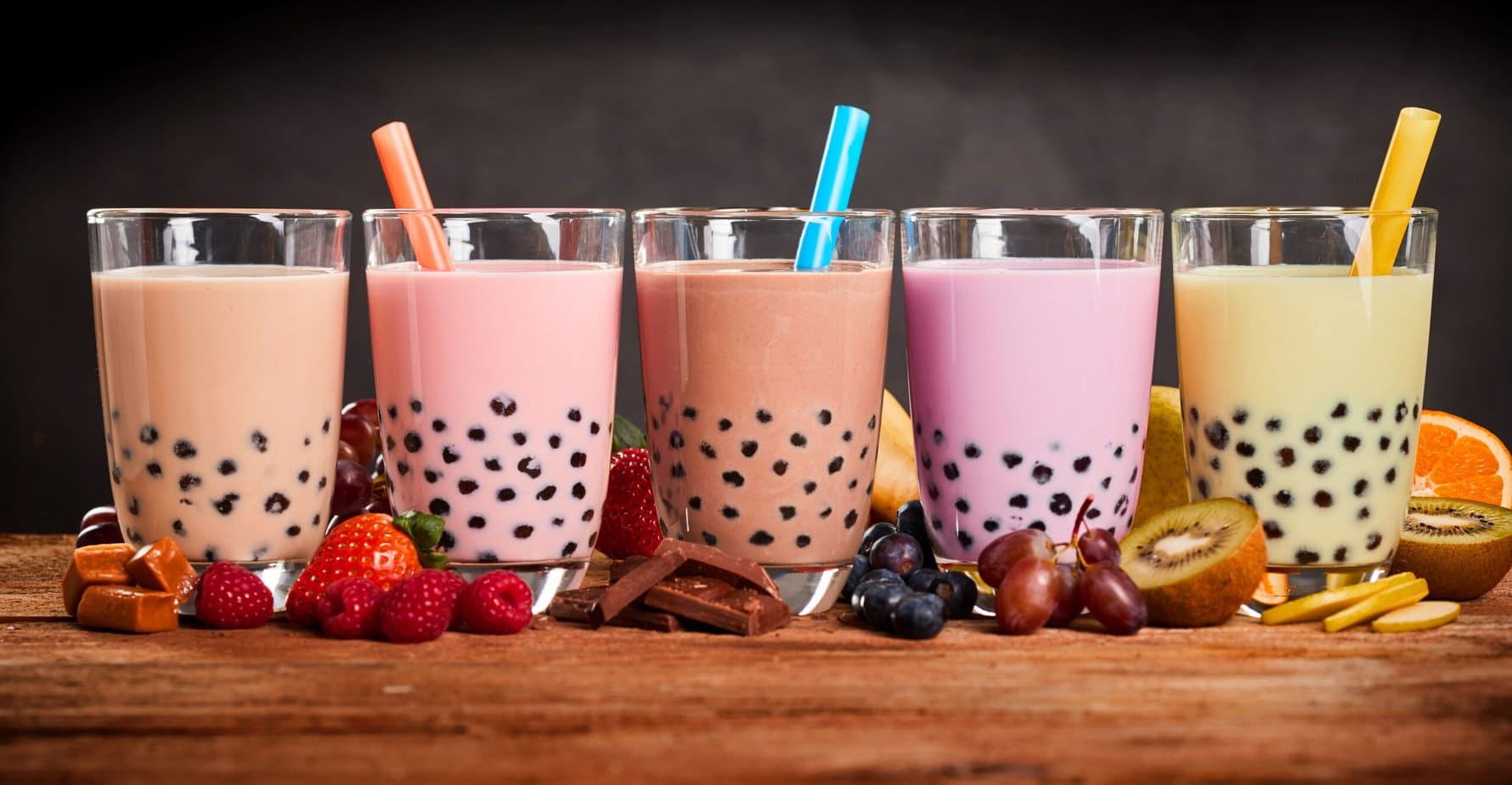
Types of Tea in Bubble Tea
When you order or prepare a bubble tea, one of the most important choices is obviously the type of tea you want to use. There are 4 main teas used:
- Black tea: Also known as red tea in China, Taiwan, and Hong Kong, it’s one of the most popular options for bubble tea (and my favorite)
- Green tea. Whether it’s jasmine green tea or matcha, it’s delicious
- Oolong tea: Green oolong is especially popular, but regular oolong is very good too
- White tea: Very popular in the West, it’s rarely used in Asia
As bubble tea grew in popularity, new concoctions that don’t include any tea at all also became popular. The new variants include “Snow Ice” (a kind of drink made from powdered coffee, frozen and blended), cream-based drinks, or 100% fruit drinks
Types of Milk in Bubble Tea
Milk and milk-like ingredients are often added to give bubble tea a creamy texture and flavor. Different flavors and styles of dairy ingredients can be used:
- Fresh milk
- Condensed milk
- Coconut milk
- Soy milk
- Lactose-free milk
- Oat milk
Some bubble teas flavored with tart fruits are only available without milk, because the acidity of the fruit syrup can curdle the milk.
The Different Bubble Tea Flavors
Bubble tea is like a blank canvas ready to be painted with flavors. Of course, you have your base ingredients: tea, milk, and boba. But the real magic lies in the flavoring ingredient, whether it’s a syrup or a powder.
Picture a row of syrup bottles at a coffee shop, ready to transform your latte. It’s the same thing at bubble tea shops, but with even more variety. Simple flavored syrups are the favorites because they blend easily into cold milk tea.
Are you more of a fruity person? Here are a few options: honeydew melon, lychee, mango, passion fruit, peach, plum, strawberry, avocado, banana, cantaloupe, coconut, grape, green apple, jackfruit, kiwi, lemon, pineapple, watermelon.
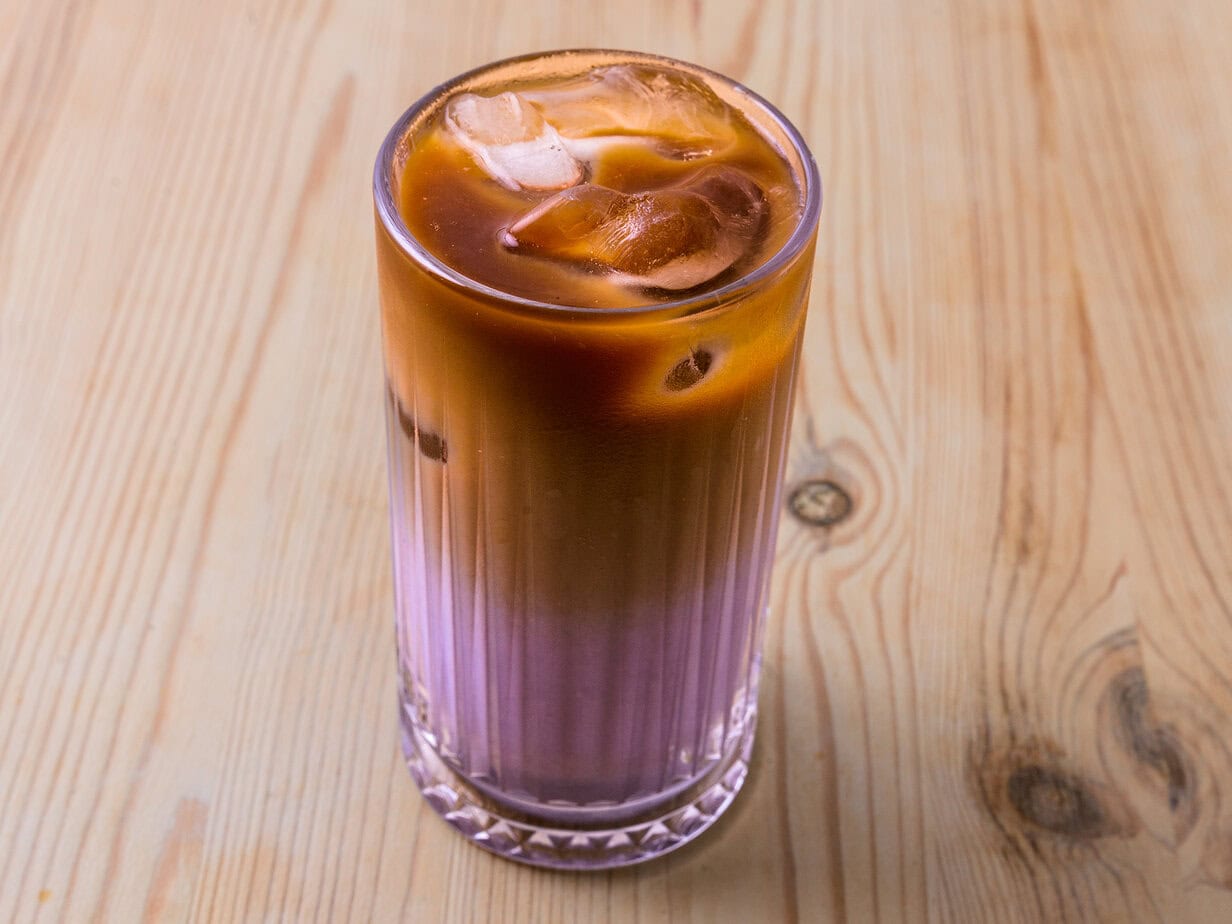
If you prefer something less fruity, no problem! Try almond, coffee, ginger, paste (chocolate, custard, mango, red beans, mung beans, taro, sesame, ube in the form of ube halaya), barley, caramel, chocolate, lavender, mocha, rose. There’s something for every taste!
The Types of Boba (Bubble Tea Pearls) and Other Add-Ins
Bubble tea is a bit like a cocktail of textures. Originally, the “bubble” in “bubble tea” referred to the air bubbles formed by vigorously shaking tea and milk together.
Today, it’s used to talk about the “pearls” or “boba” and other goodies you find in these drinks. These drinks usually have what’s called a “QQ” texture in Taiwan and China.
“QQ” is a chewy texture that’s all the rage in Chinese and Taiwanese cooking. “QQ” foods don’t need to be full of flavor to be popular, and they generally aren’t. Here are a few types of “bubbles” that are in demand:
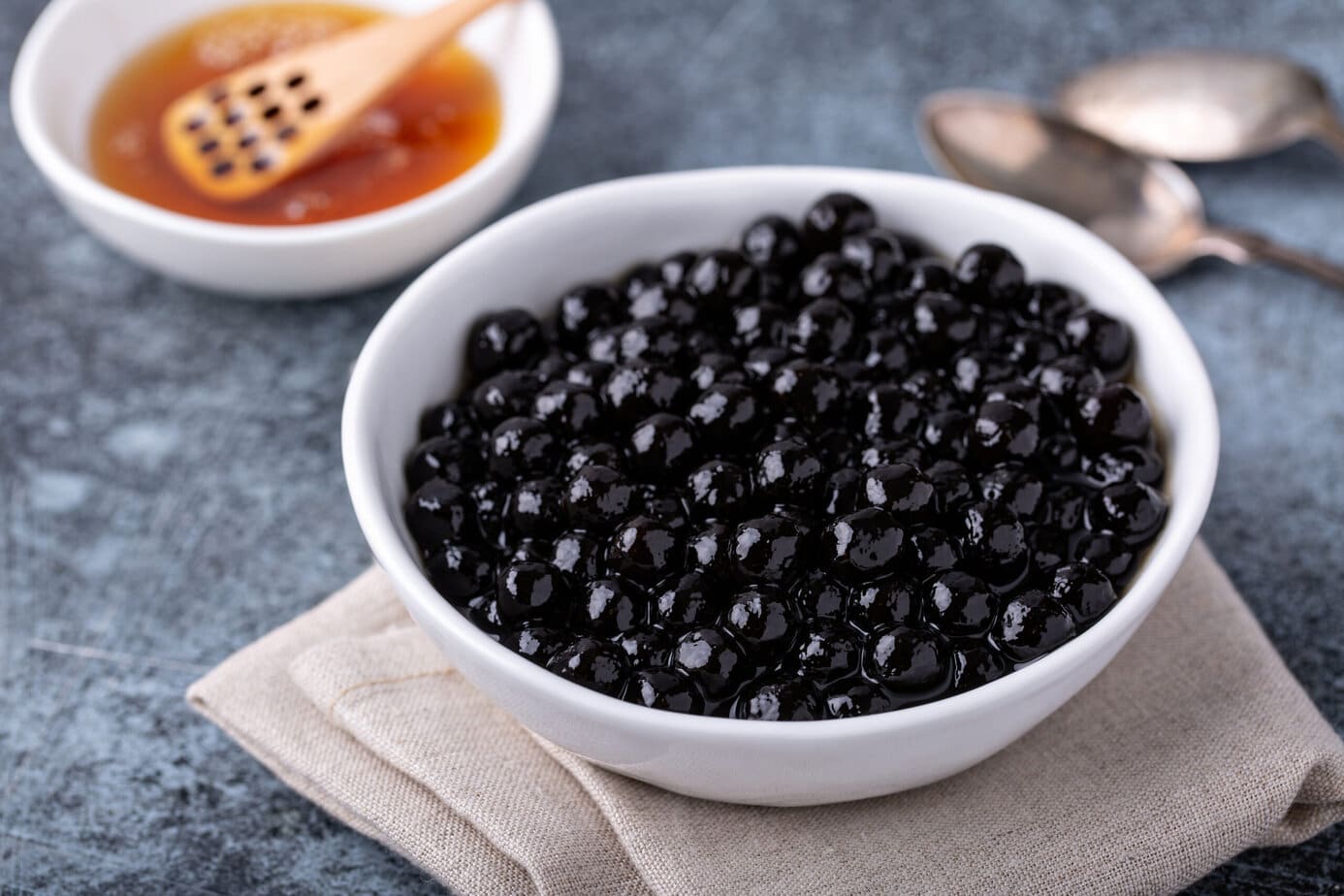
- Tapioca pearls : Small balls of boiled tapioca starch that offer a super chewy texture, almost like chewing gum, and almost no flavor. They’re usually purple-black, but can also be white or pastel. They are by far the most popular and can vary in size.
- Jelly : Grass jelly is made from Chinese mesona; the chewy cubes have a slightly sweet, herbaceous flavor. Aloe jelly is similar but made from the aloe plant. Other jelly flavors like coconut are sometimes offered.
- Taro balls: Cooked and often purple, these sweet balls are made from the taro plant.
- Sweet potato balls: Chewy balls made from orange sweet potato.
- Tapioca noodles: Usually made from white tapioca and shaped into thin, noodle-like strips that can be sucked up through a wide bubble tea straw.
- Popping boba: A variant of standard tapioca pearls that “burst” in your mouth for an explosion of flavor. These often come in a wide range of fruity options
And to top it all off, here are a few popular toppings and mix-ins:
- Fresh fruit: Diced fresh fruit is popular in bubble tea, especially in fruit teas.
- Red bean: Sweet, creamy red beans.
- Cookie crumbs: Crushed Oreos or similar cookies.
- Ice cream : Some shops offer ice cream as a mix-in or topping for bubble tea.