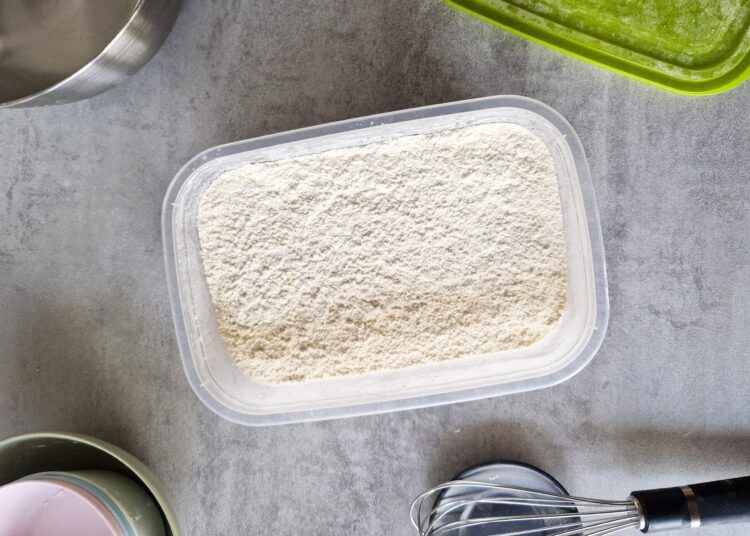
Looking for a gluten-free flour blend made without tapioca or xanthan gum? This one keeps things simple and practical: sorghum, white rice flour, chickpea flour, potato starch, and psyllium.
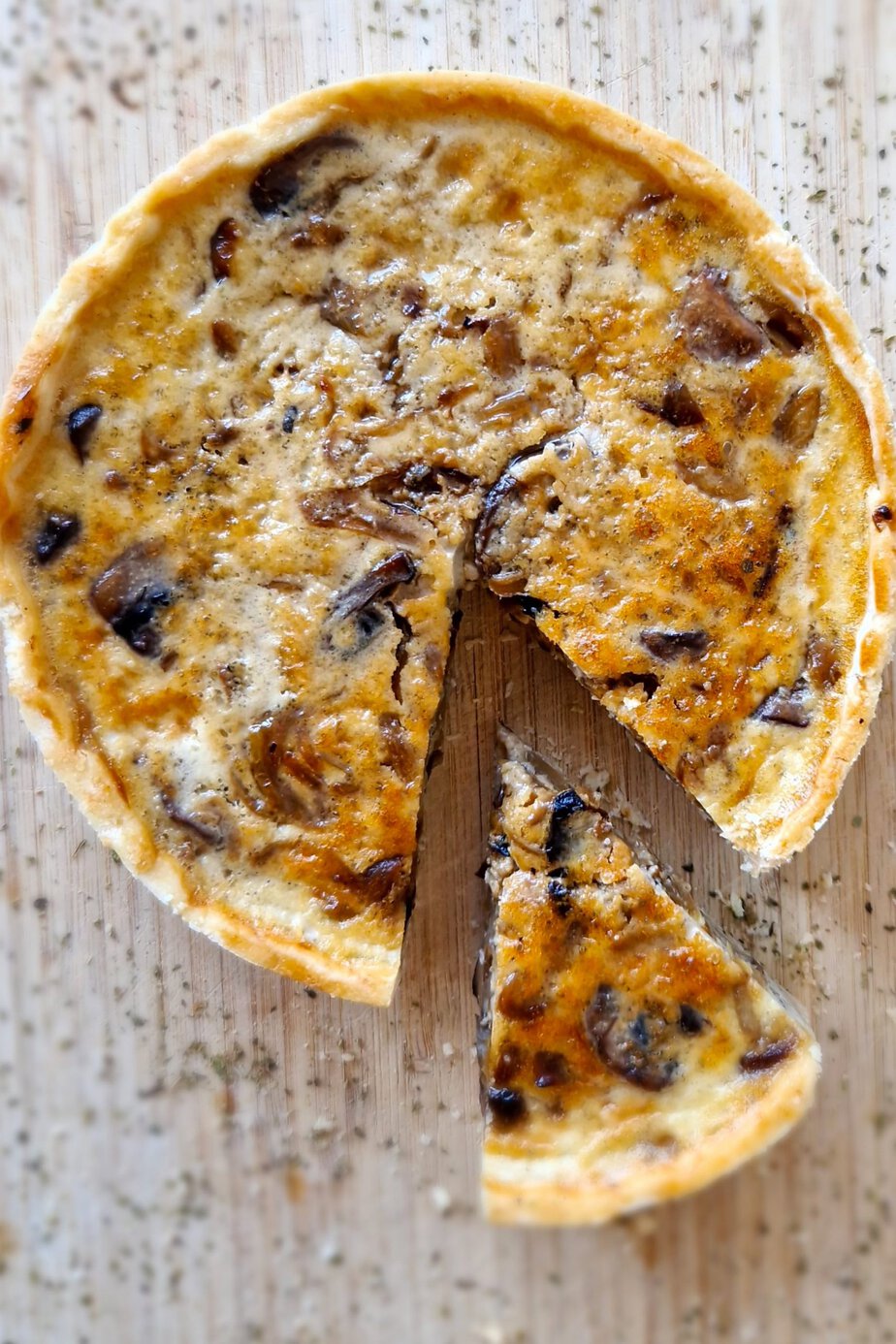
From the very first batch, it gives doughs and batters a more supple texture than a last-minute mix of individual flours. It’s the kind of staple you make once and keep on hand for cakes, cookies, sandwich bread, and even gluten-free béchamel. This recipe complements the collection of gluten-free staple recipes.
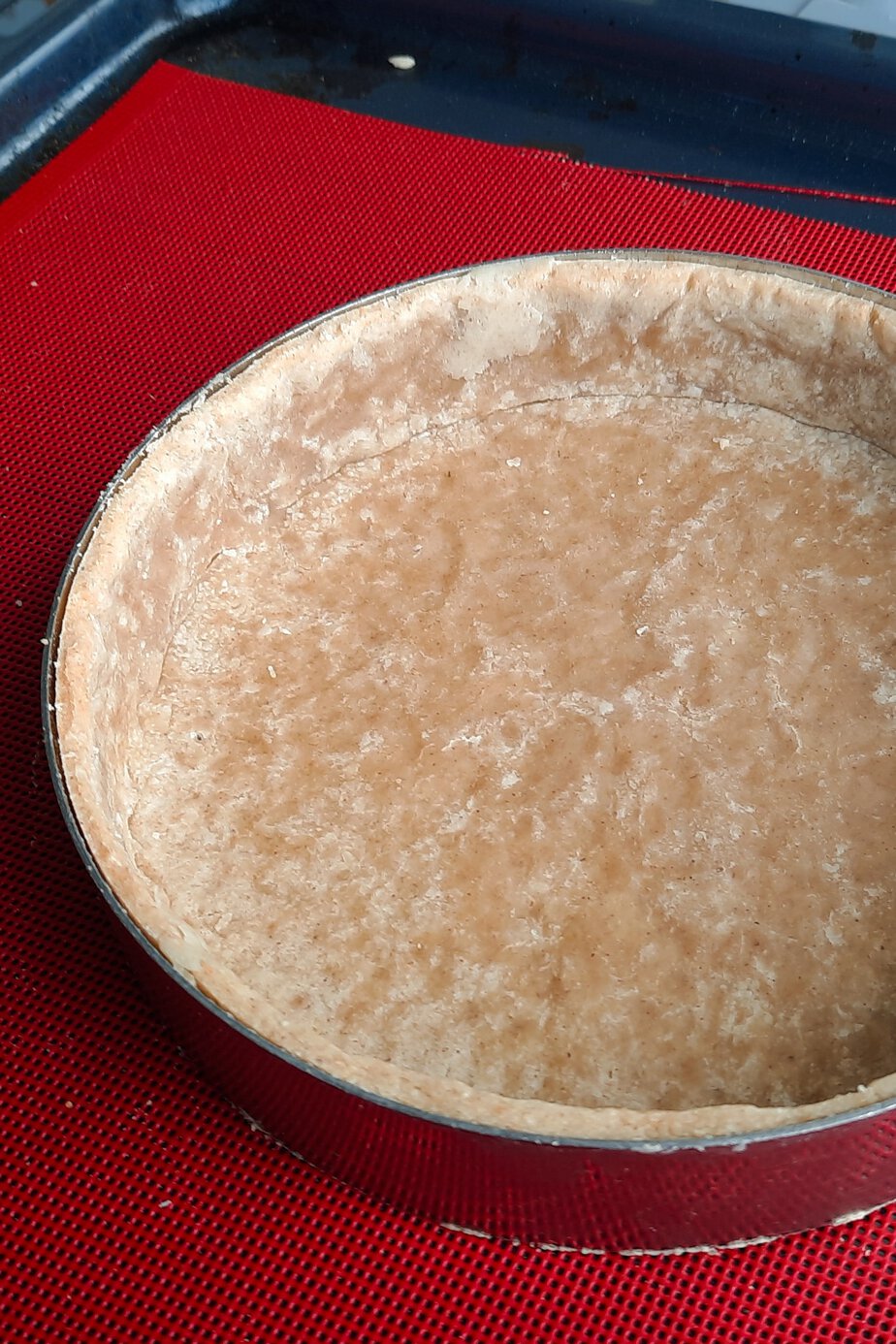
What is a gluten-free flour blend without gum or tapioca?
It’s a mix of several flours, a starch, and a binder, designed to partly mimic the behavior of wheat flour. In conventional baking, gluten binds dough, traps air, and gives it structure. Without gluten, that balance has to be rebuilt differently, with several ingredients working together.
That’s the starting point for this kind of blend: in gluten-free baking, there’s no all-purpose flour that can do everything on its own. Each flour affects the flavor, texture, and even the nutritional profile. Here, every component has a specific role, and the blend is designed for a wide range of uses, from cakes and cookies to sandwich bread and sauces like gluten-free béchamel.
What makes this version distinctive is that it contains no tapioca and no gums such as xanthan or guar. Instead, it uses psyllium as the binder to help the blend hold together.
The main ingredients
Sorghum flour forms the structural backbone of the blend. More than many other gluten-free flours, it comes close to the texture of wheat flour, with a mild, slightly sweet flavor. Its light texture helps create a more tender crumb, and its protein content adds some structure where gluten would normally do the work.
Fine white rice flour balances the rest. Its neutral flavor softens the more pronounced notes of sorghum and chickpea, and it helps create a supple crumb without weighing anything down. It’s a quiet supporting flour, but a very useful one.
Chickpea flour mainly brings protein. In gluten-free baking, that helps doughs rise and hold their shape. It also improves the overall structure of the blend, so baked goods crumble less, and adds a lightly nutty note that brings depth without overpowering the rest.
Potato starch replaces tapioca here. It’s a common swap in gluten-free blends: it behaves fairly similarly in terms of texture and moisture retention, and many people find it easier to tolerate.
It also adds lightness, a bit of elasticity, and helps keep baked goods supple. It works especially well in cakes, cookies, and quick breads when you’re after a tender crumb.
Powdered psyllium acts as the binder. It replaces xanthan gum and, more broadly, the gums used to mimic the elasticity of gluten.
When it absorbs moisture, it swells and forms a gel-like texture that helps retain air and gives doughs and batters more stretch. It’s also a more natural, easier-to-digest alternative, and sometimes produces a better final texture.
In terms of substitutions, the key swaps here are potato starch in place of tapioca and psyllium in place of xanthan or guar. Flours such as rice or sorghum may also be preferred to tapioca for their contribution of fiber, protein, and minerals.
Technical tips and pitfalls to avoid
First: weigh everything. This recipe is designed to be made using metric weights for accuracy. With a dry blend like this, even small variations can change how it behaves, especially because of the psyllium.
Measure each ingredient carefully before combining them in a mixing bowl. Then whisk thoroughly. The goal is to distribute the psyllium, starch, and flours evenly; otherwise, the blend won’t behave consistently from one recipe to the next.
If you have a stand mixer, you can also use the paddle attachment and mix for 5 minutes. That’s especially helpful for dispersing the powders evenly, particularly if you’re making a larger batch or if the psyllium tends to form small clumps.
What psyllium really changes
Psyllium replaces gums, but it doesn’t behave exactly the same way. That means you should expect a bit of adjustment in the recipes where you use this blend. A mix without xanthan or guar usually needs a little tweaking, recipe by recipe.
It’s also worth keeping in mind that xanthan gum binds more strongly than psyllium. Psyllium can be a little tricky at first and may take a few tests to find the right ratio depending on how you plan to use it. In return, many people find that it gives a more pleasant crumb and texture.
Xanthan can also cause digestive issues for some people, whereas psyllium is gentler on the stomach and can even support digestion. It also adds soluble fiber, which slightly changes the overall profile of the blend.
No tapioca: what you gain and what you lose
A tapioca-free blend may be a better fit for people who don’t tolerate certain starches well or who prefer to avoid cassava, which tapioca is made from. Tapioca can cause digestive discomfort for some, whereas potato starch works here as a gentler, more accessible alternative.
In practice, potato starch covers a lot of the same ground: it retains moisture, lightens doughs, and keeps the texture supple. That said, tapioca remains one of the best gluten-free ingredients for that slightly elastic, almost springy quality often found in gluten-free bread.
So it’s best to see this blend for what it is: a tapioca-free base, not an exact replica of what tapioca does.
Storage
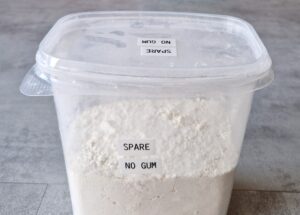
Store any leftover blend in a labeled container. It’s simple, but helpful if you like to prepare several gluten-free staples ahead of time or want to grab the right blend quickly when it’s time to bake.
You’ll also find this recipe in my vegan recipes.
Recipe developed by Chef Rommel Reyes. Discover his work on Instagram, his Substack newsletter, and his YouTube channel.
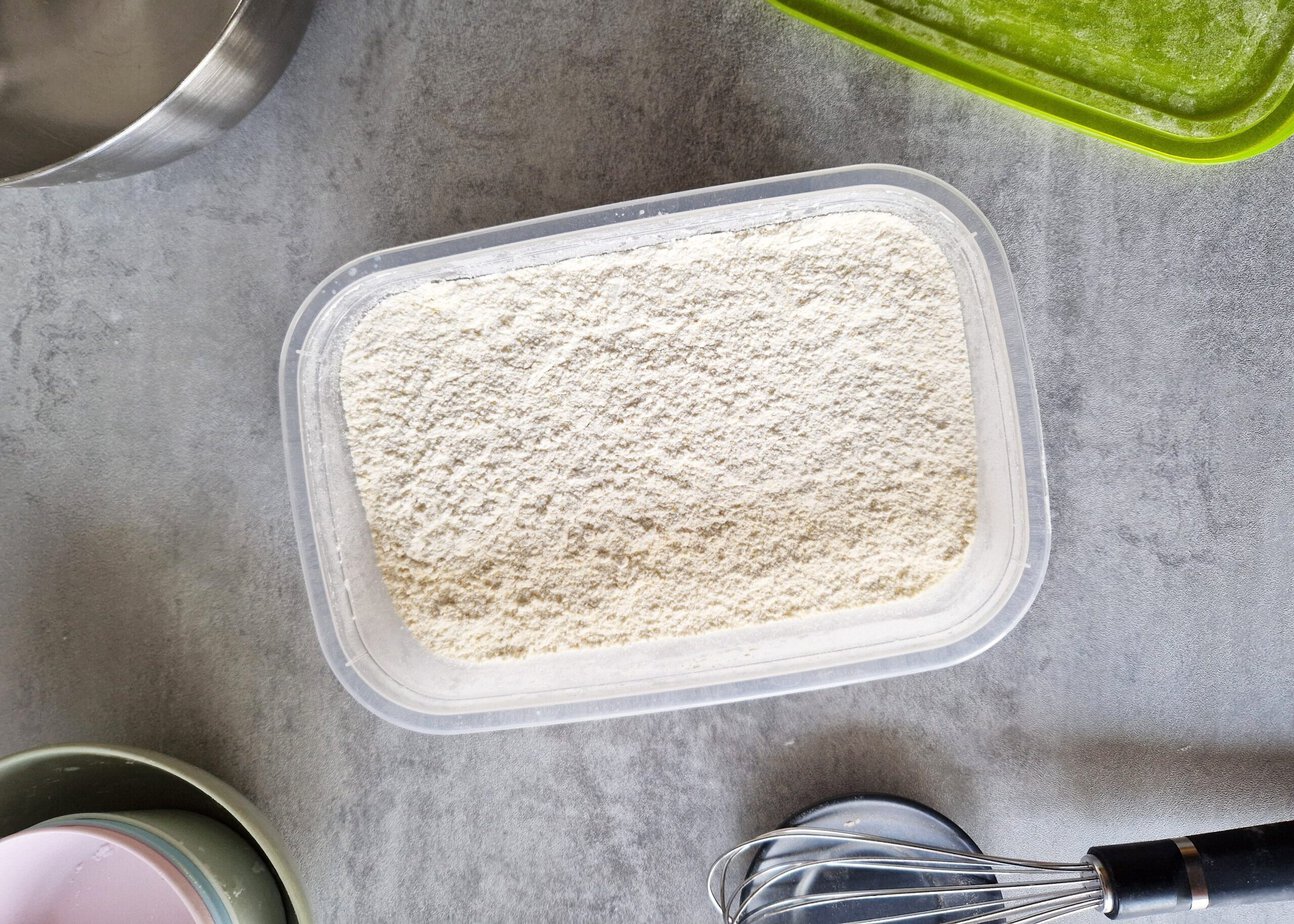
Gluten-Free Flour Blend Without Gum or Tapioca
Ingredients
- 60 g sorghum flour
- 60 g fine white rice flour
- 180 g potato starch
- 50 g chickpea flour
- 10 g psyllium powder
Instructions
Preparation
- Carefully weigh the ingredients and place them in a bowl.60 g sorghum flour, 60 g fine white rice flour, 180 g potato starch, 50 g chickpea flour, 10 g psyllium powder
- Whisk until thoroughly combined.
- Mix for 5 minutes with the paddle attachment if using a stand mixer.
- Store any leftover flour blend in a labeled container.