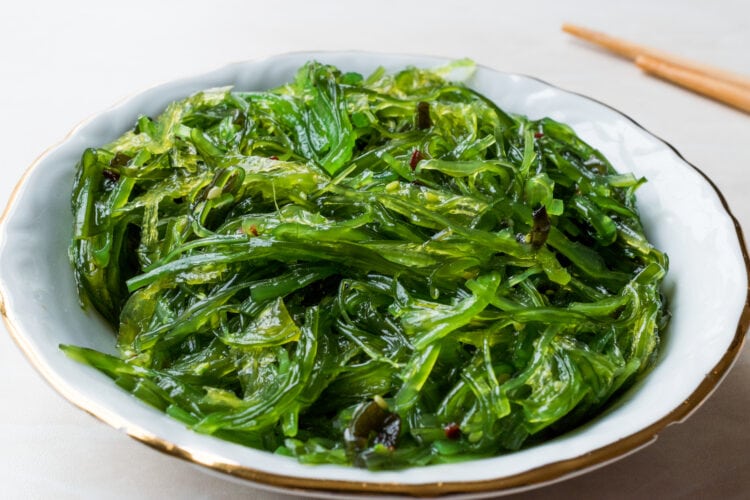
Wakame salad is a seaweed dish that originated in Japanese cuisine. Wakame (Undaria pinnatifida) is an edible, nutritious seaweed that is widely consumed across East Asia, particularly in Japan, Korea, and China.
The earliest traces of wakame consumption date back several centuries. Historians believe the Japanese began cultivating and eating this seaweed around the 8th century, during the Nara period (710-794 AD).
Wakame was later introduced to Korea and China, where it was quickly adopted and incorporated into their respective cuisines.
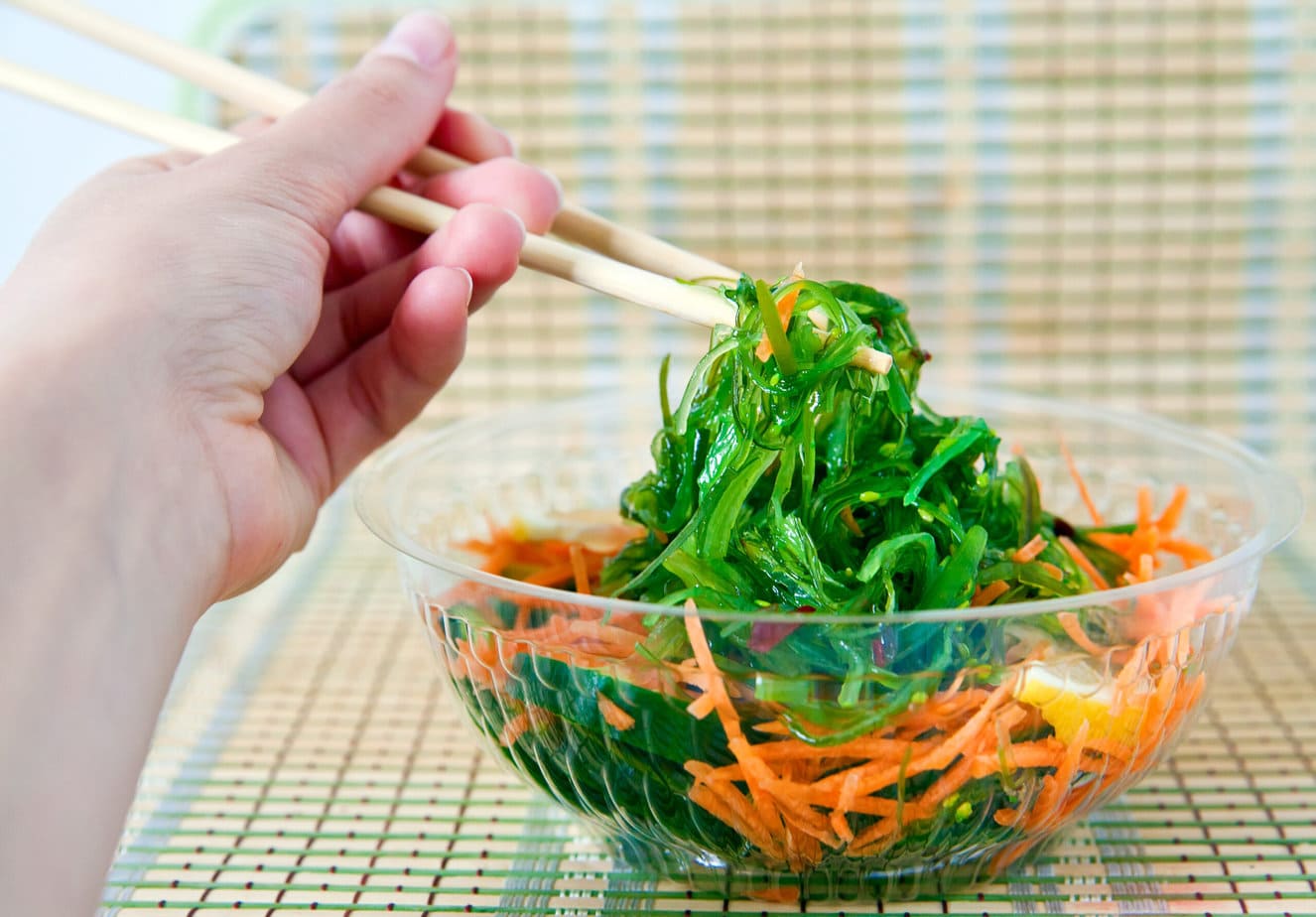
Wakame salad as we know it today is a mix of wakame, vegetables, and seasonings. It is often dressed with rice vinegar, soy sauce, sugar, and sesame, giving it a flavor that is sweet, salty, and tangy all at once.
The Origins of Modern Wakame Salad
Although wakame salad is considered a traditional Japanese dish, it has evolved over time, taking on a wide range of local and international influences. Today, you can find many versions of wakame salad around the world, each reflecting the tastes and culinary traditions of the region where it is made. It also appears in Korean cuisine, for example, where it is often served at Korean barbecues alongside delicious beef bulgogi.
Tips for Perfect Wakame Salad
Many seaweed salads contain more than one type of seaweed, so choose the variety that best suits your meal.
Be sure to drain the seaweed thoroughly after rehydrating it.
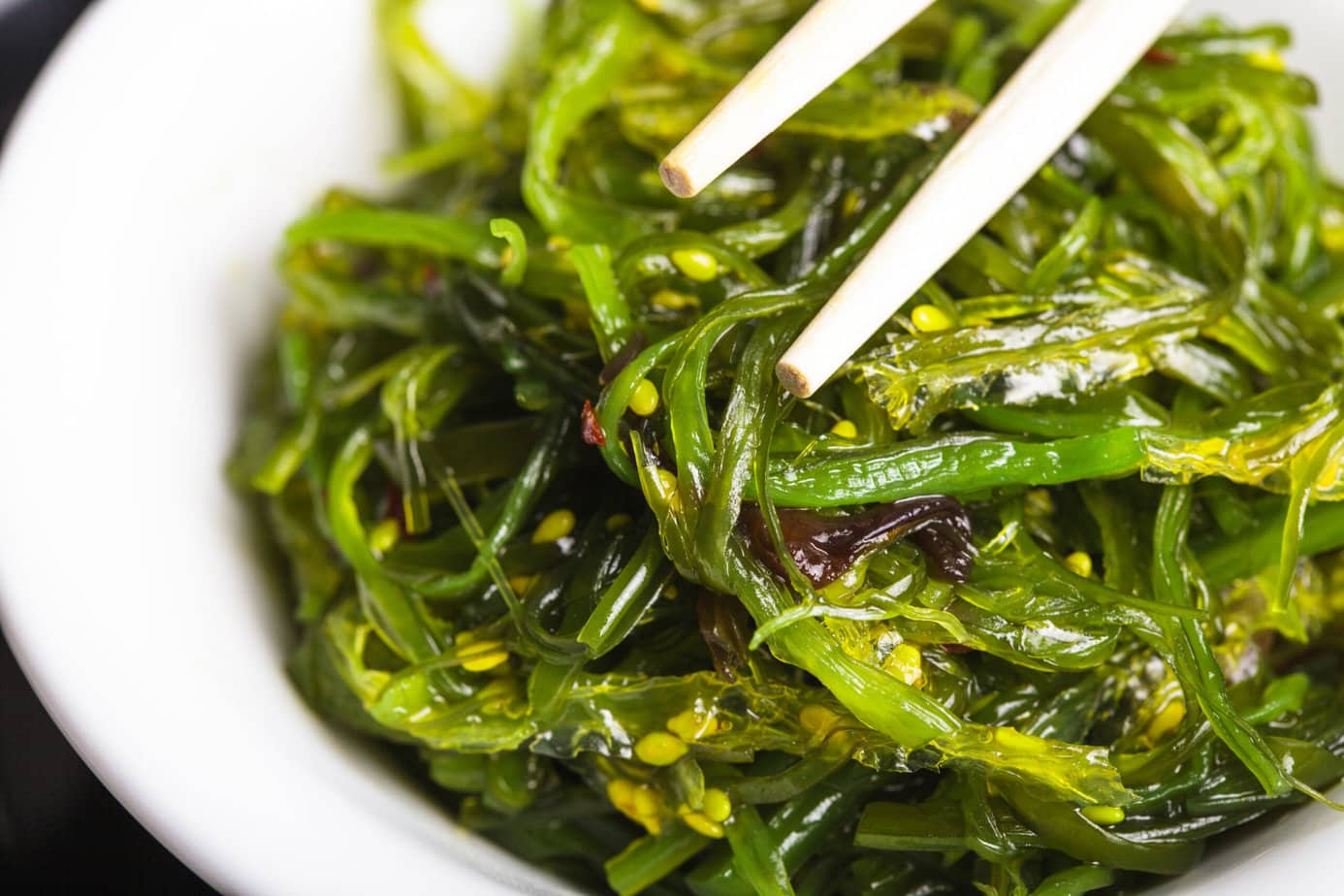
If you like a bit more heat, try adding extra chili flakes or a chili paste such as sambal oelek.
If you cannot find pre-cut seaweed, simply slice it into strips after rehydrating it. Once fully rehydrated, the seaweed should be soft, delicate, and slightly lighter in color.
What Does Wakame Salad Taste Like?
Wakame salad offers a harmonious balance of flavors and textures that has made it popular around the world.
The pleasantly crisp, slightly chewy texture of wakame, paired with its subtle oceanic flavor, makes it the perfect base for a refreshing and flavorful salad. The rice vinegar adds brightness, while the soy sauce brings salty umami depth that enhances the other ingredients.
The sugar balances the acidity and saltiness with a gentle sweetness, making the salad even more enjoyable to eat. Finally, the sesame seeds add a nutty note and a bit of extra crunch, bringing more texture to the dish.

Overall, wakame salad is a vibrant, well-balanced dish that will appeal to anyone who loves Asian flavors or wants to explore something new in the kitchen.
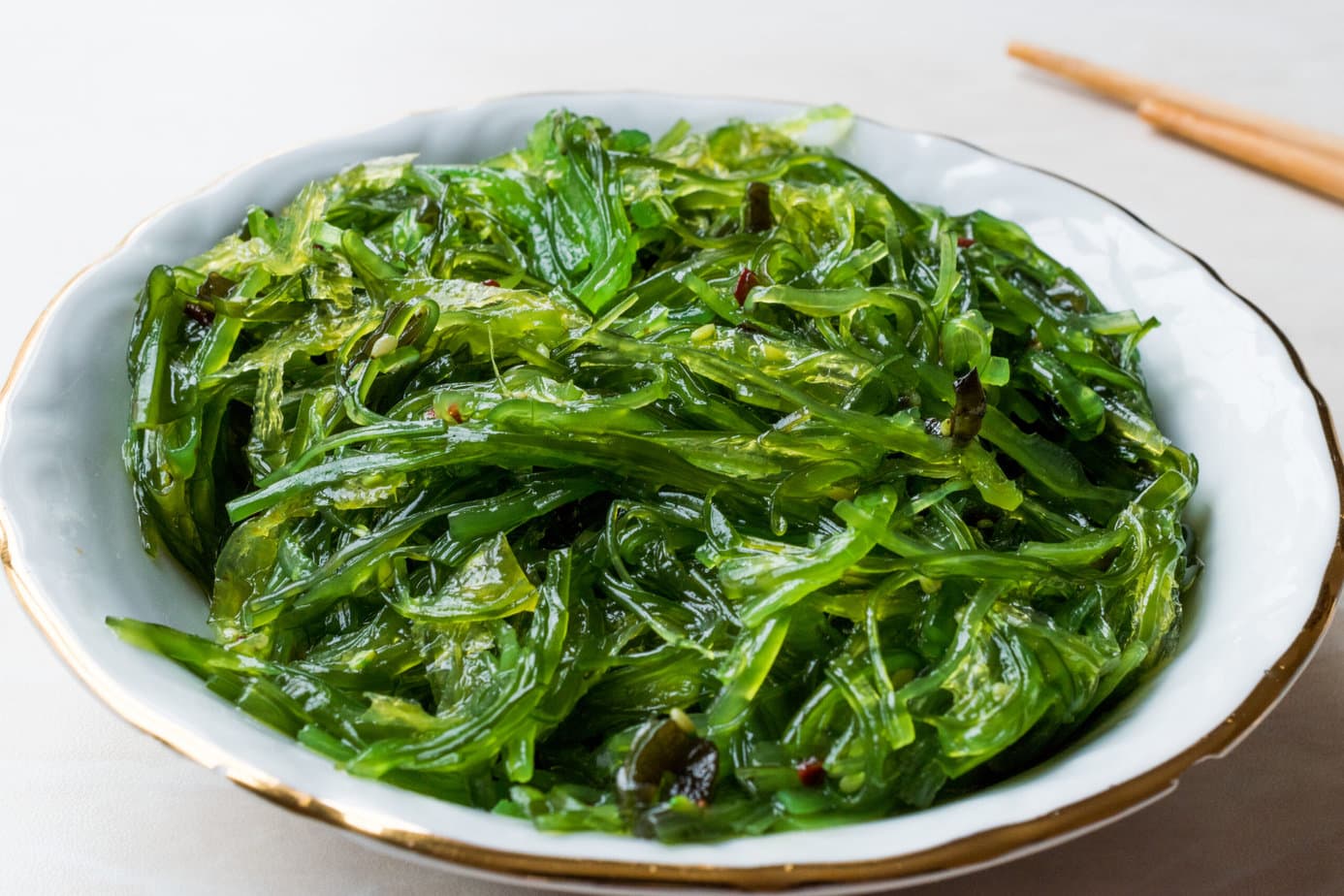
Ingredients
- 50 grams dried wakame seaweed
- 0.5 teaspoon white sesame seeds
- 0.5 teaspoon black sesame seeds
Dressing
- 3 tablespoons light soy sauce
- 1 tablespoon rice vinegar
- 1 tablespoon mirin
- 1 teaspoon sugar
- 1 teaspoon grated ginger
- 0.5 teaspoon grated garlic
- 1 tablespoon sesame oil
- 1 pinch chili flakes
Instructions
- Place the seaweed in a medium bowl and cover with water. Let it soak for 10 minutes, or until rehydrated.
- While the seaweed soaks, make the dressing: in a medium bowl, whisk together all the ingredients. Set aside.
- Once the seaweed is rehydrated, drain it in a colander and rinse thoroughly. Squeeze out as much excess moisture as possible.
- Add the seaweed and sesame seeds to the bowl of dressing and toss well to coat.
- Cover and refrigerate for 30 minutes to 1 hour.
- Just before serving, garnish with extra sesame seeds.