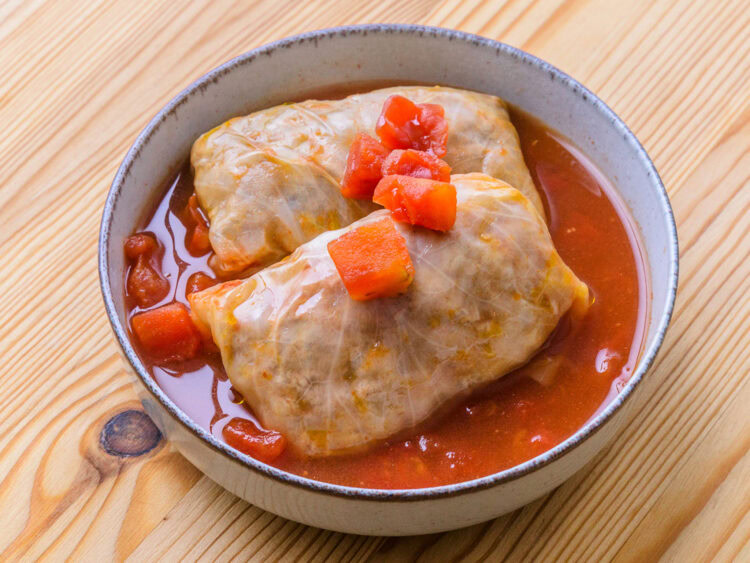
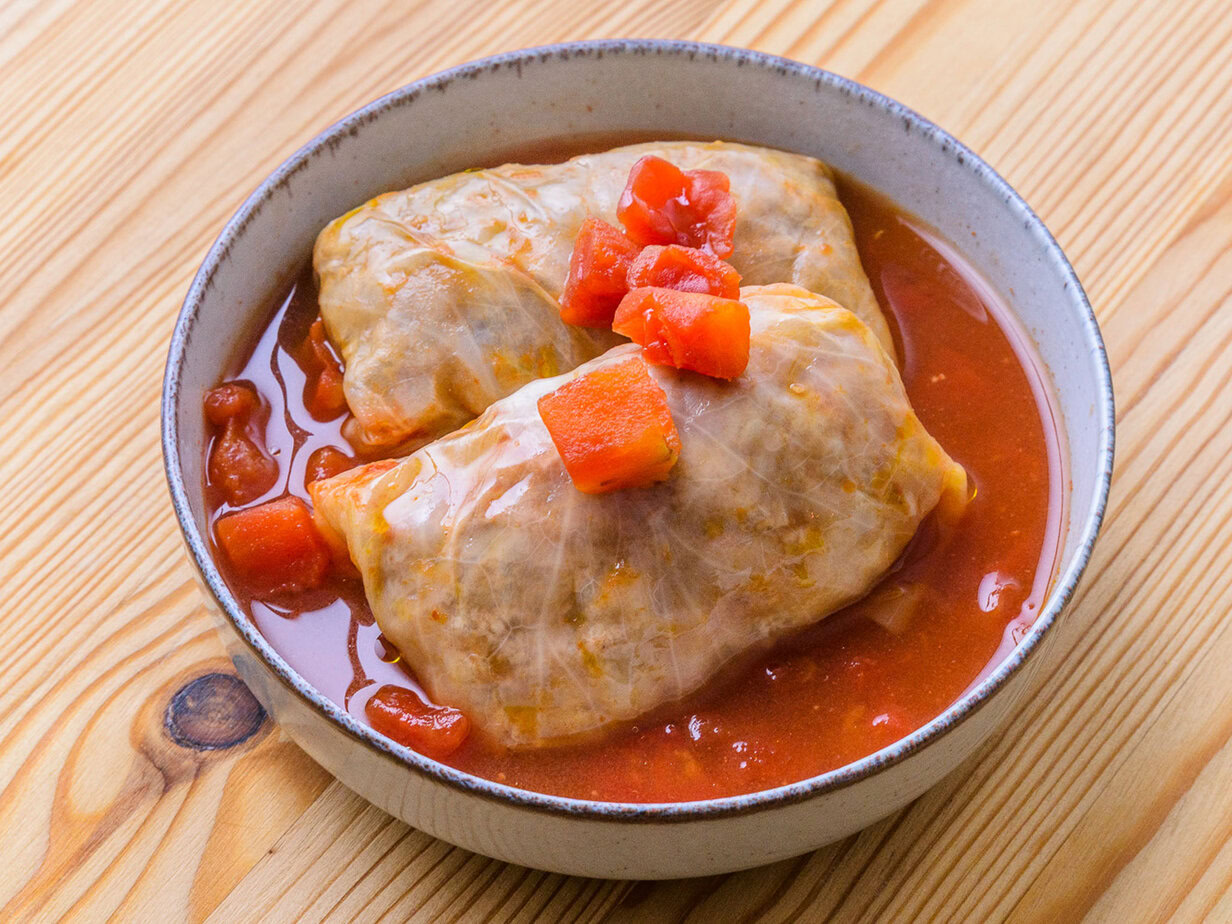
Tender green cabbage rolls stuffed with savory pork and beef, simmered in a yōshoku-style tomato sauce.
It’s grey outside, hunger is setting in, and a pot of rōru kyabetsu hits the spot. The rising steam smells of sweet cabbage, savory meat, and yōshoku-style tomato.
The rolls are so tender they yield to the spoon, and their umami-packed filling begs for a bowl of hot white rice. It looks almost too humble to satisfy — until the first bite.
What is rōru kyabetsu?
Rōru kyabetsu means “rolled cabbage,” a wasei-eigo term coined in Japan that puts the dish squarely in the yōshoku family — those Western-inspired dishes adapted to Japanese tastes.
The concept is simple: blanched green cabbage leaves wrapped around a 50/50 mix of pork and beef. The filling is bound with milk-soaked panko, egg, and softened onion, and seasoned with salt, pepper, and a pinch of nutmeg.
Unlike many European cabbage rolls, it is simmered on the stovetop rather than baked. The version here cooks in crushed tomatoes, water, stock, ketchup, and Worcestershire sauce; others use a consommé or a clear dashi. The goal is always the same: juicy filling that yields to the spoon and tender cabbage that still holds its shape.
How cabbage rolls became Japanese
The dish descends from Ottoman dolmas and Eastern European cabbage rolls. It arrived in Japan in the Meiji era, when Western-style dishes and meat were finding their way onto home tables. As early as 1893, a Japanese newspaper published a recipe for home cooks, and October 4 was even designated “Rolled Cabbage Day” in 2020.
The adaptation revolves around the rice served alongside. Since the meal already centers on a bowl of plain rice, rice was dropped from the filling in favor of a milk-and-panko panade — the same binder that keeps hambāgu tender. With home ovens still rare, simmering became the norm, in lighter, broth-like sauces.
The result is neither a copy of its European ancestors nor a clean break from them. The shape comes from abroad, but the texture, seasoning, and way of eating are distinctly Japanese.
Main ingredients for rōru kyabetsu
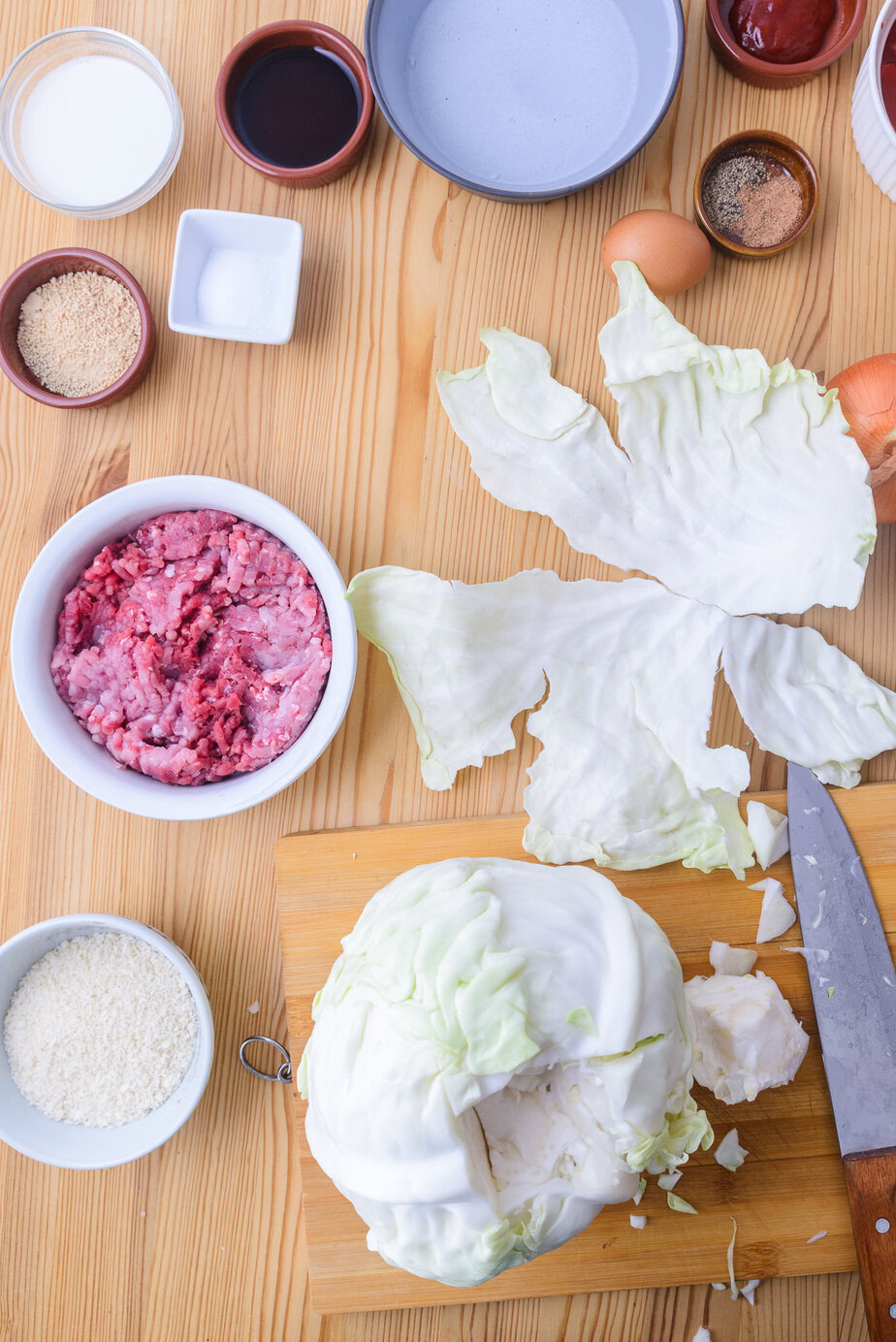
Green cabbage makes the wrapper — slightly sweet and supple once blanched; shaving down the thick rib keeps it from cracking. Inside, the equal pork-beef blend, ai-biki niku, brings richness and tenderness without heaviness. Milk-soaked panko holds in the juices and takes the place of the rice found in cabbage rolls elsewhere, egg binds the filling, and softened onion mellows everything.
Salt helps the meat bind, pepper perks it up, and a pinch of nutmeg is the hallmark of classic yōshoku. For simmering, the yōshoku-style tomato sauce combines crushed tomatoes, water, powdered stock, ketchup, and Worcestershire sauce: a bright, lively liquid — richer than a clear broth but lighter than a brown sauce.
Other bases work well, too: consommé for clean flavor, dashi for kombu-and-bonito umami, or a simpler, lighter tomato broth. A few additions lift the dish without weighing it down, such as bacon, shimeji mushrooms, a splash of light soy sauce or mirin. In winter, napa cabbage makes silkier rolls, though it releases more water and can dilute the broth.
Styles, broths, and authenticity markers
Rōru kyabetsu varies mainly in its cooking liquid. The yōshoku-style tomato version used here rounds out tomatoes and stock with ketchup and Worcestershire sauce. The consommé version leans on a clear chicken or beef broth, sometimes perked up with soy sauce and topped with bacon. The dashi variation, more wafū, stays amber and clear, seasoned with light soy sauce and mirin.
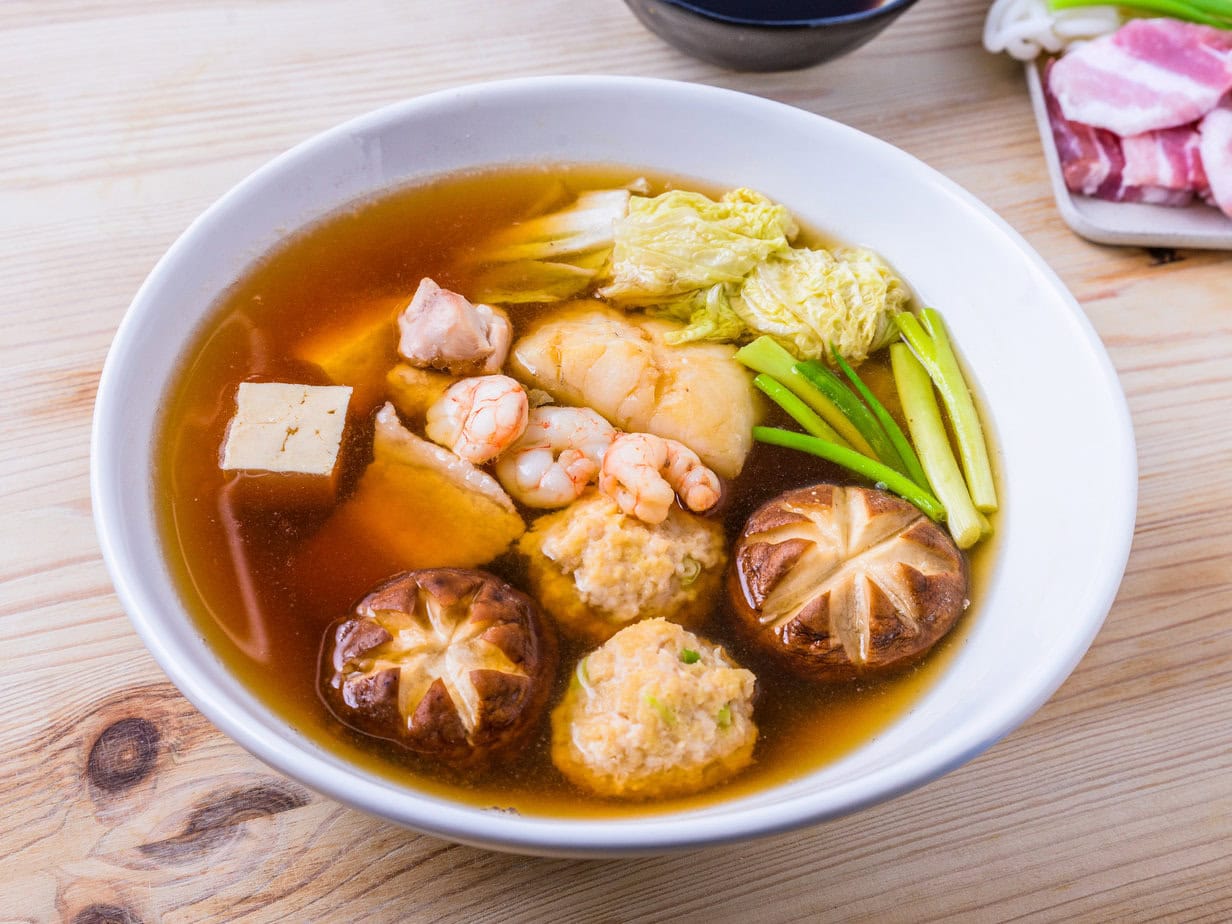
Serving changes the spirit of the dish: at home, it’s cozy weeknight comfort, simmered until the cabbage turns meltingly tender. In simmered dishes like oden, small rolls are tied and added toward the end of cooking, where they soak up a dashi-and-soy broth alongside daikon, konjac, and fish cakes.
The hallmarks of the real thing are simple: no rice in the filling, milk-soaked panko, a pork-and-beef mix, gentle stovetop simmering, and a light cooking liquid — served with a bowl of steamed white rice on the side. Fermented cabbage leaves, sour cream, thick tomato-paste sauce, or oven baking, by contrast, move away from the Japanese style.
When it comes to assembly, it’s all about the leaves. Cut out the core in a cone at the base, plunge the whole cabbage into boiling water, then peel off the leaves one by one as they soften: raw, they tear; softened, they slip off intact. Then shave down the ribs, roll tightly, and pack seam-side down in a just-big-enough pot, securing each roll with a toothpick until serving.
Ingredients
Filling
- 300 g ground beef and pork mix 50/50
- 8 cabbage leaves
- 0.5 onion finely chopped
- 6 tablespoons panko
- 4 tablespoons whole milk
- 1 egg
- 0.5 teaspoon salt
- pepper to taste
- 2 pinches ground nutmeg optional
Broth
- 400 g canned crushed tomatoes
- 400 ml water
- 1 tablespoon bouillon powder
- 4 tablespoons ketchup
- 2 tablespoons Worcestershire sauce
- salt to taste
- pepper to taste
Instructions
Preparing the cabbage
- Remove the cabbage core: cut a cone into the base with the tip of a knife to loosen it.
- Lower the whole cabbage into a large pot of boiling water.
- Peel off the leaves one at a time as they soften, until you have 8 leaves.8 cabbage leaves
- Set aside and let the leaves cool.
- Shave down the thick ribs of the leaves, then finely chop the trimmings.
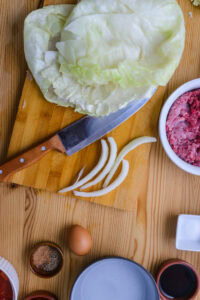
Preparing the filling
- Place the chopped onion in a microwave-safe bowl, cover with plastic wrap, and microwave at 600 W for about 1 minute.0.5 onion
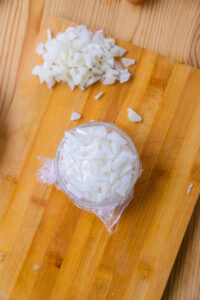
- Let the onion cool completely.
- Soak the panko in the milk.6 tablespoons panko, 4 tablespoons whole milk
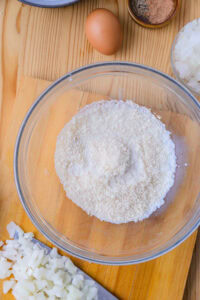
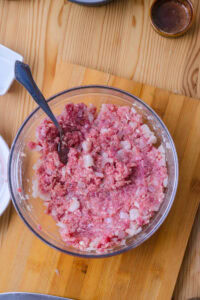
- In a large bowl, combine the ground meat, chopped cabbage ribs, onion, soaked panko, egg, salt, pepper, and ground nutmeg.300 g ground beef and pork mix, 1 egg, 0.5 teaspoon salt, pepper, 2 pinches ground nutmeg
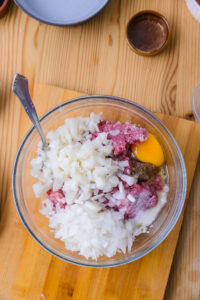
- Knead well until sticky and cohesive.
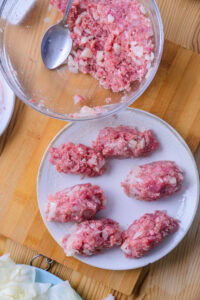
- Divide the filling into 8 portions and shape each into a log.
Assembly and cooking
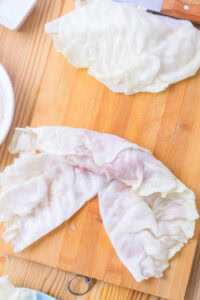
- Place a portion on a cabbage leaf, roll once, fold in the sides, then roll up tightly.
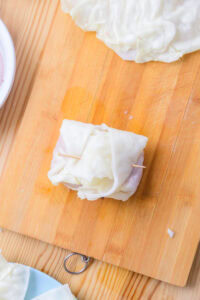
- Secure each roll with a toothpick and arrange the rolls snugly in a pot.
- Add the tomatoes, water, bouillon powder, ketchup, and Worcestershire sauce.400 g canned crushed tomatoes, 400 ml water, 1 tablespoon bouillon powder, 4 tablespoons ketchup, 2 tablespoons Worcestershire sauce
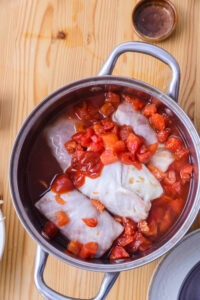
- Bring to a boil, then cover and simmer over low heat for about 30 minutes.
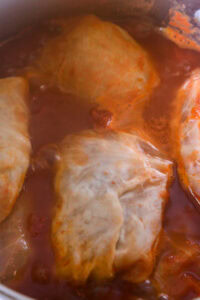
- Taste and adjust the seasoning with salt and pepper at the end of cooking.salt, pepper
- Remove the toothpicks just before serving.
Notes
- Blanch the whole cabbage after removing the core: the leaves will release on their own as they soften and are less likely to tear.
- Add a little chopped bacon or a few shimeji mushrooms to the broth for extra depth.