


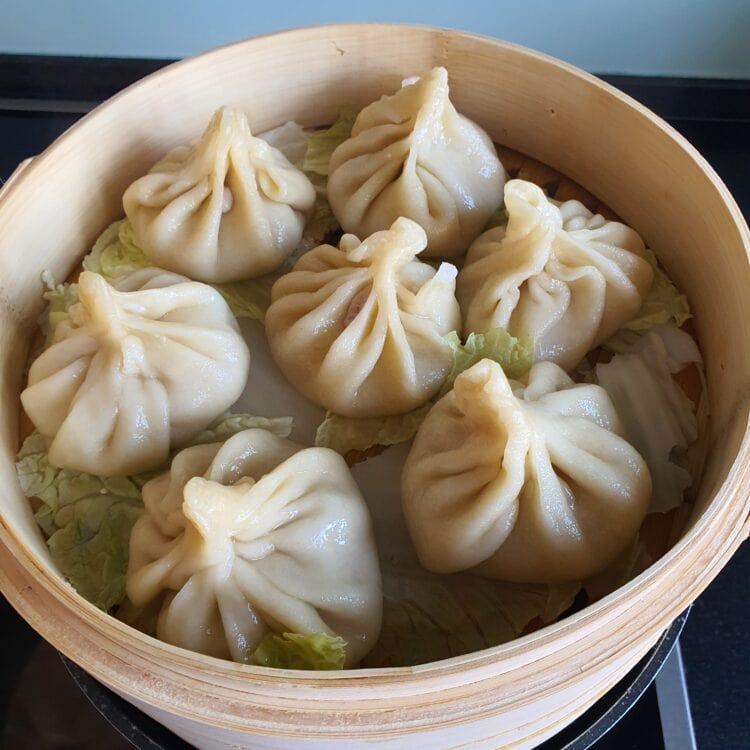
Xiaolongbao (小笼包), also known as Chinese soup dumplings, are a type of dim sum often hailed as the pinnacle of culinary perfection. This dish is a true gastronomic treasure that blends tradition and craftsmanship.
This specialty, which proudly symbolizes the cuisine of the Jiangnan region in China, has earned unmatched renown and popularity. Many consider it a must-try—almost a spiritual culinary experience.
Notably, Shanghai—the region’s most populous metropolis and the largest city in China—is closely associated with xiao long bao. Hence, these dumplings are often referred to as “Shanghai soup dumplings” because of this strong link to the city.
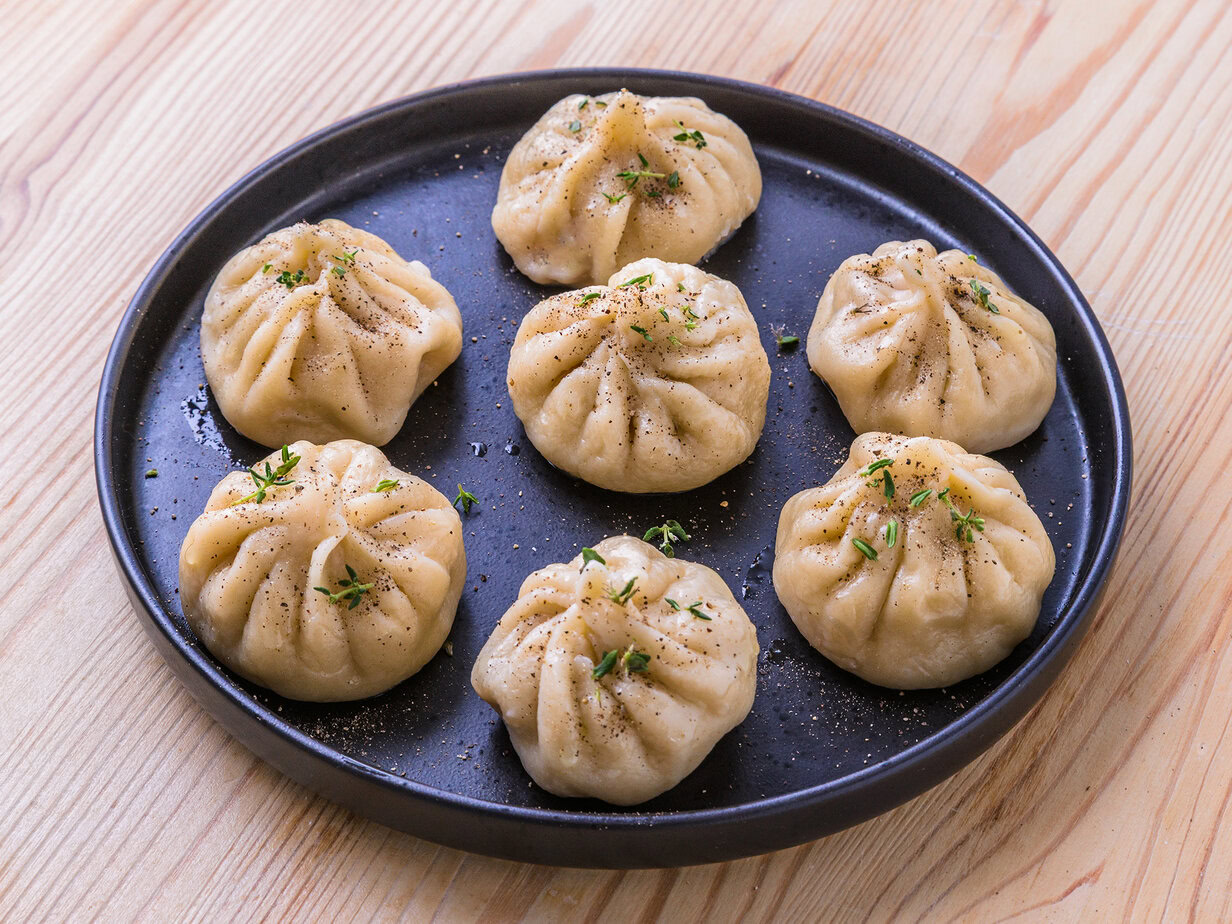
Shanghai is also known as a cultural and culinary melting pot, which adds depth and complexity to the flavors of these dumplings.
Wrapped in a light, tender dough, these exquisite bites are filled with a mixture of meat and vegetables, laced with an ultra-aromatic broth. The technique used to seal the broth inside the wrapper is an art in itself, requiring great skill and patience.
Xiao long bao have crossed borders and become beloved around the world. Many restaurants across cultures offer their own versions of this dish, and some Michelin-starred chefs have even incorporated fine-dining elements into their interpretations.
If you haven’t yet had the chance to taste xiao long bao and, unfortunately, no authentic Chinese spot nearby serves them, here’s some very good news: making xiao long bao in your own kitchen is perfectly doable.
The quest for profitability in some restaurants
That said, it’s unfortunate that many restaurants opt for less satisfying alternatives. Instead of investing in traditional preparation, they often turn to frozen products or adopt shortcuts in the process—all in a bid to maximize profits. Sometimes the broth is missing altogether…
This approach deprives customers of the richness and authenticity that only xiao long bao prepared with care and dedication can offer.
Xiao Long Bao—What are they?
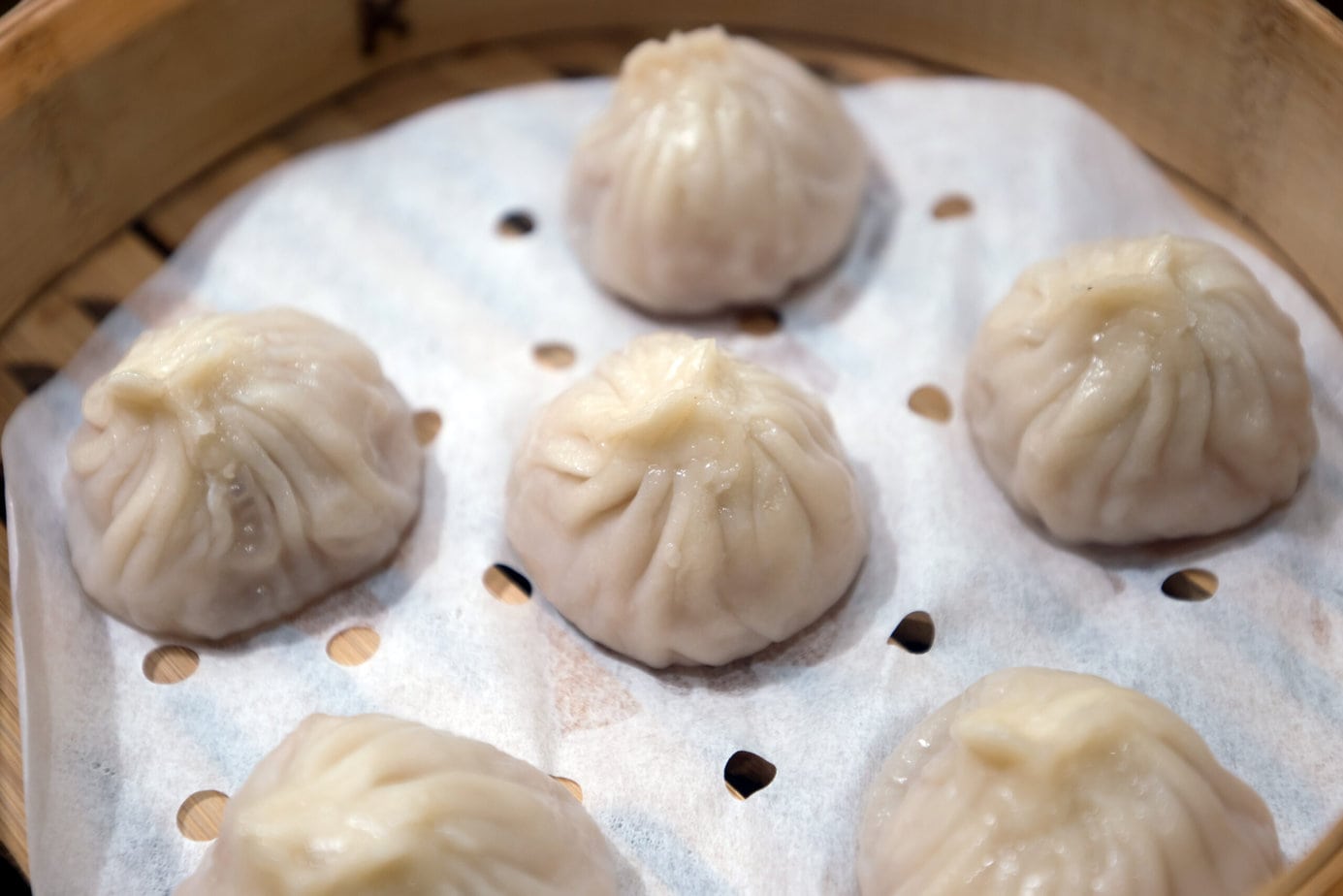
Xiao long bao, or Chinese soup dumplings, also go by Shanghai dumplings, tang bao, or “little soup buns.” They’re renowned for their delicate, almost transparent wrappers that hold a succulent pork filling and a deftly seasoned broth.
These little marvels are meticulously pleated with fine folds, and when steamed, they transform into culinary jewels.
To enjoy them the traditional way, dip them in a sauce of Chinese black vinegar with thin slivers of ginger. The result is a harmonious balance of flavors and a memorable culinary experience.
The supple texture of these dumplings, combined with the aromatic broth inside, makes them irresistible to connoisseurs of Chinese cuisine.

Traditionally, xiao long bao are made with an all-pork filling, but it’s not uncommon to find variations incorporating crab, adding a touch of sophistication.
As tastes and culinary trends evolve, new interpretations continue to emerge. Modern versions include a range of fillings—from various meats to seafood—as well as vegetarian options to suit diverse palates.
These variations cater to different preferences and dietary needs while preserving the soul and authentic taste of traditional soup dumplings.
This blend of innovation and tradition allows xiao long bao enthusiasts to enjoy fresh twists while preserving the dish’s iconic character. It plays a crucial role in the continued rise and global recognition of this treasure of Chinese cuisine.
How does the soup get inside the dumplings?
The secret relies on a clever process that turns broth into a rich, flavorful pork aspic. This crucial step uses pork skin and bones, which are naturally rich in collagen and gelatin.
To make the aspic, simmer the pork skin and bones in a fragrant broth for several hours to extract the collagen and gelatin. Once the broth cools, it solidifies and takes on the consistency of jelly.
This jelly—essentially broth in solid form—can then be folded into the pork filling or other ingredients used for the dumplings.
Once steamed, the jelly melts back to liquid, creating that hot, delicious broth you can sip from the side of the dumpling after a small poke. Just writing this is making me hungry.
Ingredients for Xiao Long Bao
Shaoxing wine: A timeless classic that lends authentic flavor to the recipe
Sesame oil: Essential—use sparingly or it will overpower other flavors
Light soy sauce: This is the standard light (salty) soy sauce you find everywhere
Equipment
Ingredients
For the pork aspic:
- 260 g pork skin cut into 2 cm strips
- 450 g pork bones ideally with a little meat still on them
- 950 ml water
- 2 slices ginger
- 3 scallions each cut into 3 pieces
- 1 tablespoon Shaoxing wine
- 0.5 teaspoon salt
For the dough:
- 130 g all-purpose flour
- 90 ml warm water
For the filling:
- 450 g ground pork 70% lean, 30% fat
- 2 tablespoons Shaoxing wine
- 1 teaspoon salt
- 0.5 teaspoon sesame oil
- 2 teaspoons sugar
- 3 teaspoons light soy sauce
- 3 tablespoons water
- 1 pinch white pepper
- 0.5 tablespoon ginger minced
- 1 large handful aspic, cut into pieces
Dipping sauce:
- black rice vinegar
- fresh ginger julienned
Instructions
Aspic:
- Combine the pork skin and pork bones in a small pot, then cover with cold water.260 g pork skin, 450 g pork bones, 950 ml water
- Bring to a boil, drain, and immediately rinse the bones and skin to remove impurities. Rinse the pot and return everything to it. Add the water, ginger, scallions, and wine. Bring to a boil, then reduce the heat to low. Cover and simmer for 2 hours.2 slices ginger, 3 scallions, 1 tablespoon Shaoxing wine
- After 2 hours, turn off the heat, let the broth cool, and strain the liquid into a bowl. Once completely cool, cover and refrigerate overnight.
- Optional: Blend half of the boiled pork skin with the broth until very smooth. Strain again if needed.
Dough:
- In a mixing bowl, add the flour, then gradually stir in the warm water, 1 tablespoon at a time.130 g all-purpose flour, 90 ml warm water
- Knead the dough for 15 to 20 minutes until very pliable and smooth. Cover with a towel and let rest for 30 minutes.
Filling:
- Place the ground pork in a food processor. Process for 30 to 60 seconds until it forms a paste.450 g ground pork
- In a mixing bowl, combine the pork with the remaining ingredients except the aspic. Whisk vigorously for about 2 minutes until extremely well combined and light and airy. Gently fold in the diced aspic; do not overmix.2 tablespoons Shaoxing wine, 1 teaspoon salt, 0.5 teaspoon sesame oil, 2 teaspoons sugar, 3 teaspoons light soy sauce, 3 tablespoons water, 1 pinch white pepper, 0.5 tablespoon ginger, 1 large handful aspic, cut into pieces
- Cover and refrigerate the filling until ready to assemble. If working right away, freeze for 15 minutes to firm up for easier assembly.
Folding:
- Lightly dust a clean work surface with cornstarch. Roll the dough into a long cylinder about 1 inch in diameter.
- Cut into equal pieces weighing about 11 grams each (about the size of gnocchi). Roll each piece into a round disc about 7.5 cm in diameter. Keep the wrappers covered with a damp cloth.
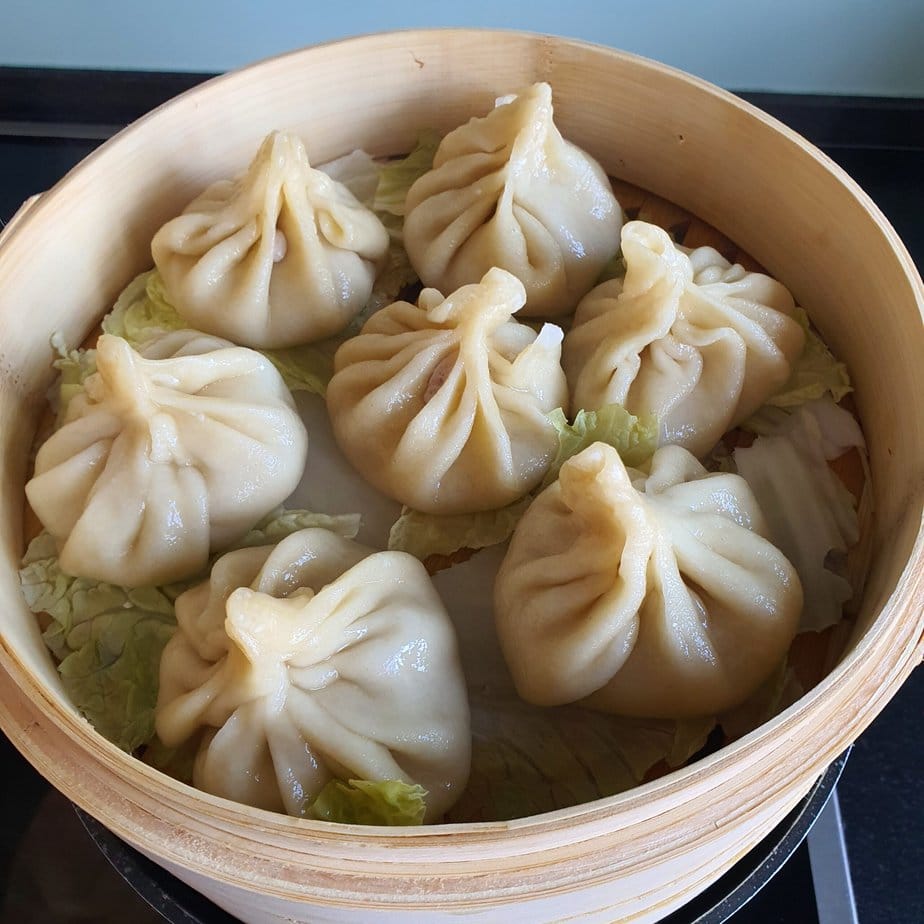
- Prepare your bamboo steamer. Line with cheesecloth, napa cabbage leaves, or bamboo steamer liners (available at some Chinese restaurant supply stores). If using liners, brush them lightly with oil first.
- Remove the filling. Working one at a time, place about 1 tablespoon of filling in the center of a wrapper. Pleat to form 12 to 20 folds and seal firmly at the top. If the filling becomes too soft or wet, freeze for an additional 15 minutes and continue.
- Place the dumplings in the lined steamer basket, spaced about 5 cm apart.
Steaming:
- In a metal steamer pot or wok, bring water to a boil.
- Once boiling, set the bamboo steamer in the wok or steamer, cover, and steam over high heat for 8 minutes. Remove immediately and serve.
Notes
Nutrition
Culinary sources
This recipe is directly inspired by the English-language blog “The Woks of Life.” The process is identical (I didn’t reinvent the wheel), but the amounts of condiments and spices have been adjusted. I also added pork skin and the blender technique because the broth wasn’t satisfying in terms of overall texture compared with what I’m used to at my favorite restaurant.


Made these xiao long bao for dinner and the kids were obsessed, they cleaned their plates and kept slurping the little broth like it was the best part. Even the picky one asked for seconds and requested them again for next weekend 🙂
Merci pour cette recette de xiao long bao, les étapes pour l’aspic et le pliage sont super claires et vraiment utiles pour réussir à la maison 😊
Those glossy, perfectly pleated xiao long bao looked absolutely stunning on the plate, like something straight out of a food magazine. Had to snap a quick photo before they disappeared! 📸
Never thought I could pull off xiao long bao at home, but the broth actually stayed inside and they tasted amazing 🙂 The pleats were a bit messy, yet I’m ridiculously proud that they steamed up so nicely.