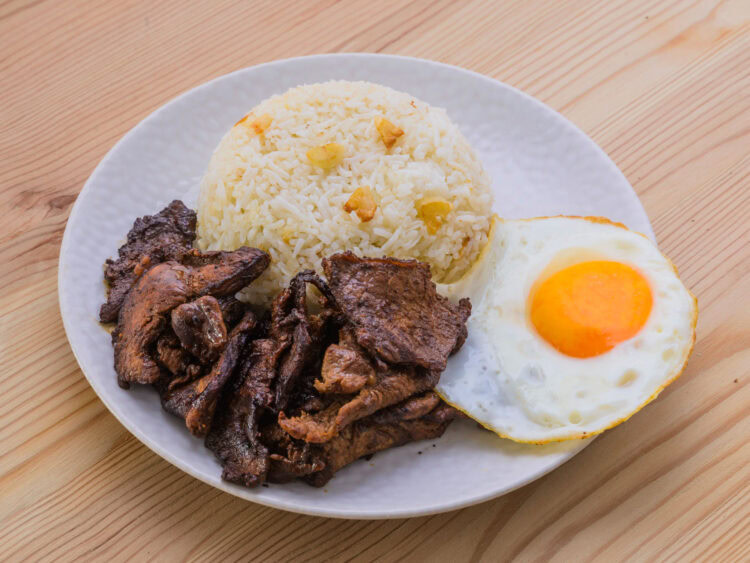
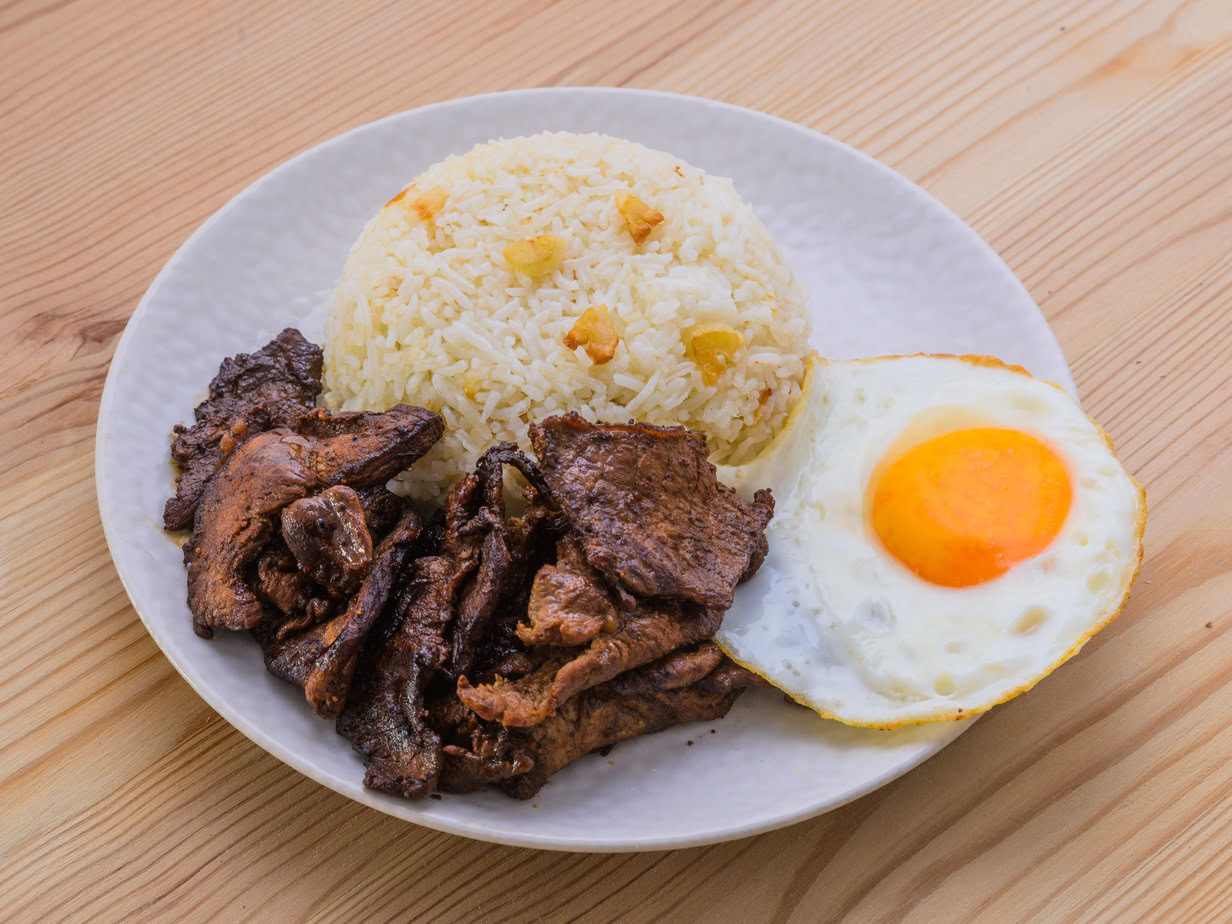
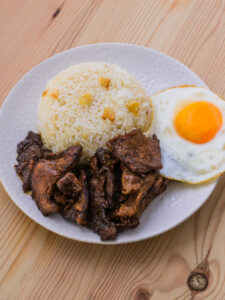
A classic Filipino breakfast of caramelized marinated beef (tapa), garlic fried rice (sinangag), and fried eggs, served with a vinegar sawsawan.
Garlic hits the hot oil and sends a peppery aroma through the room. The rice crackles as the cloves turn golden. Beside it, slices of beef, the tapa, sear until their edges are smoky and caramelized.
A perfectly round yolk waits to break, ready to coat every bite. On the side : a saucer of spicy suka (vinegar), perhaps with a little atchara (pickles). This is tapsilog as countless tapsihan and carinderia serve it : a national icon of Filipino cuisine. “It’s hard to beat classic tapsilog : tender tapa with rice and an egg, cooked by someone who puts their heart into it, and eaten with a little taste of nostalgia.” The name itself tells you exactly what belongs on the plate.
What is Tapsilog?
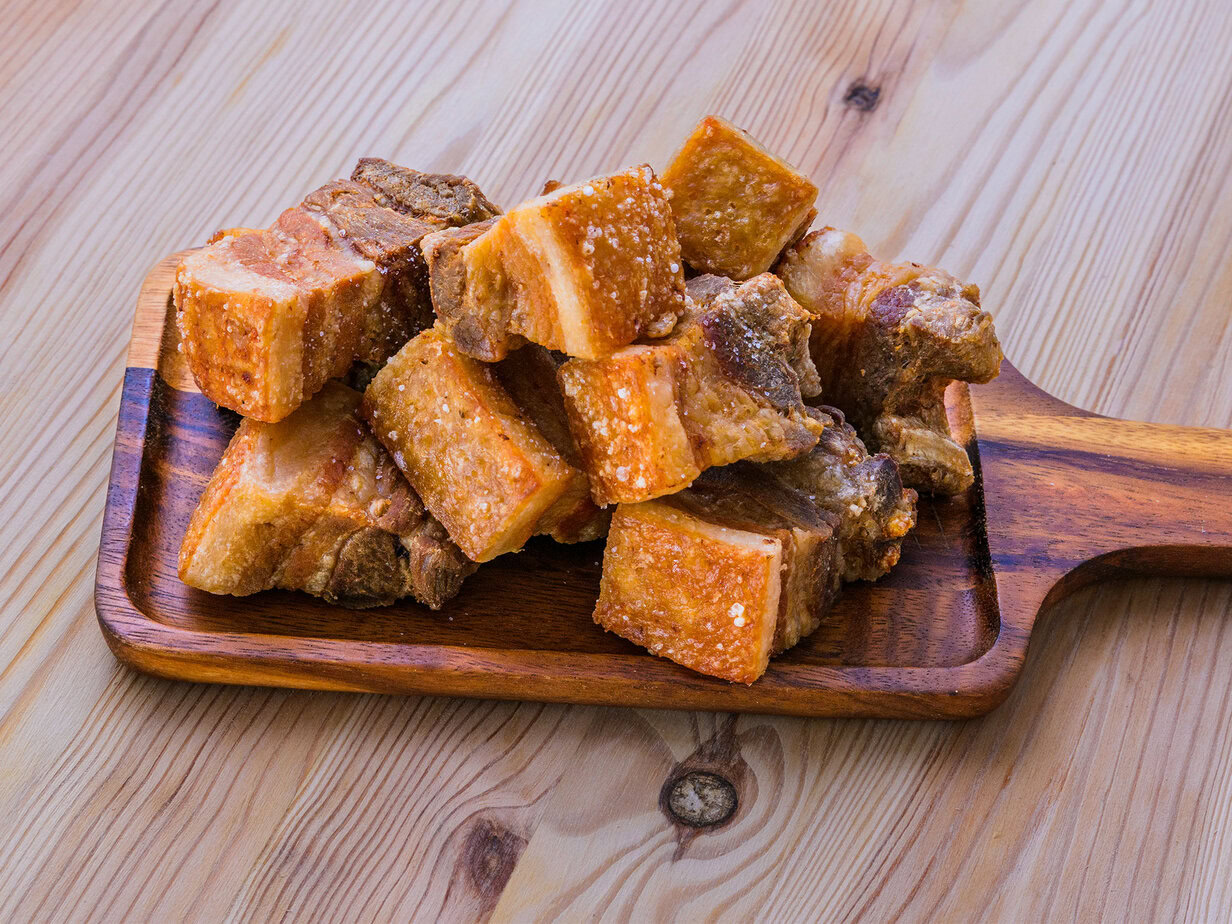
Tapsilog delivers exactly what its name promises : tapa (salted or cured beef) + sinangag (garlic fried rice) + itlog (fried egg). Traditionally, tapa means beef salted or cured with garlic, salt (often coarse), cracked black pepper and, sometimes, a splash of cane vinegar.
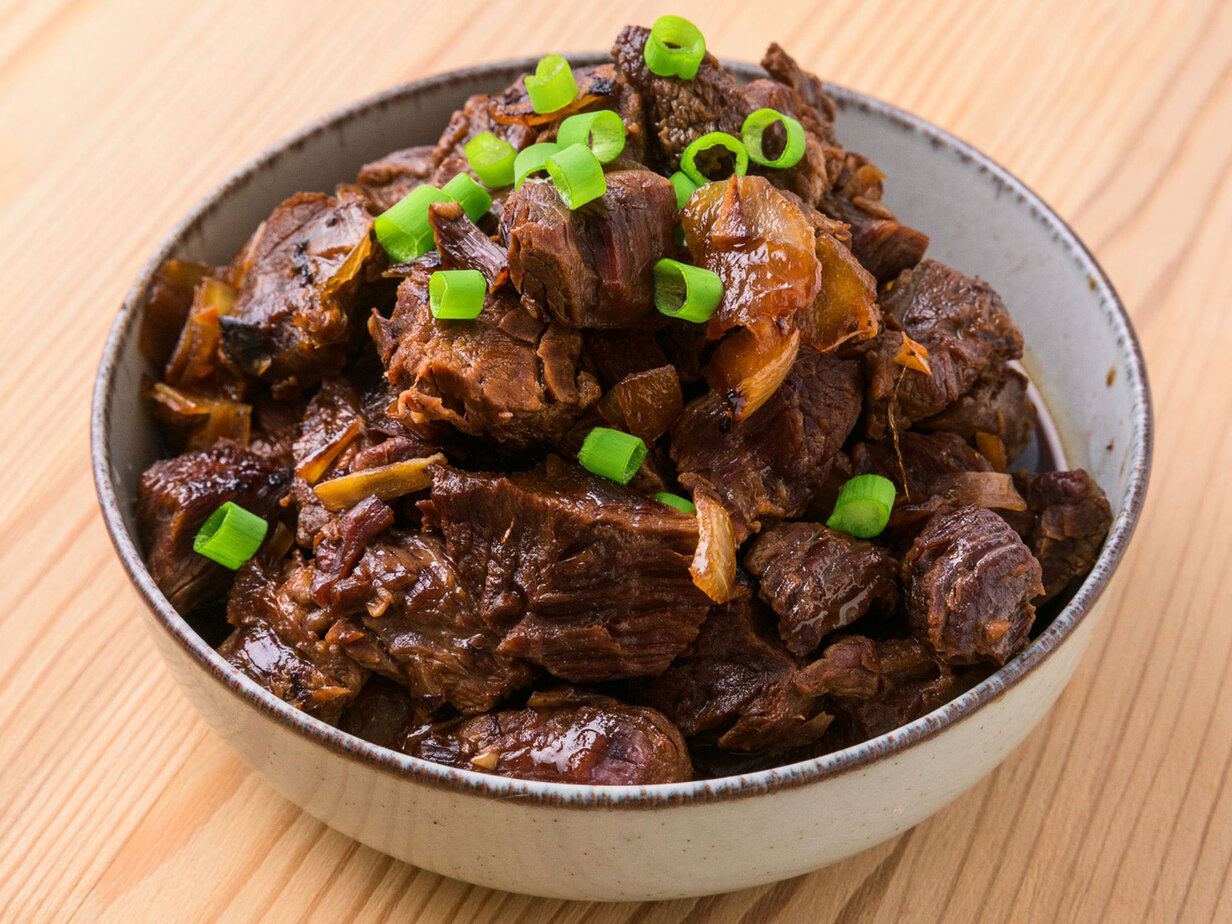
The meat is then air- or sun-dried on a bilao before being quickly cooked in a pan or on the grill. Today’s cooks sometimes skip the drying, while still aiming for a deeply browned, fairly dry finish that concentrates the beef flavor. Sinangag should be dry and highly aromatic : very garlicky, and above all not greasy, in the spirit of well-separated fried rice. The egg is cooked sunny-side up, “dapa” or “mata ng toro,” with a runny yolk that acts as a sauce (similar to tamago kake gohan).
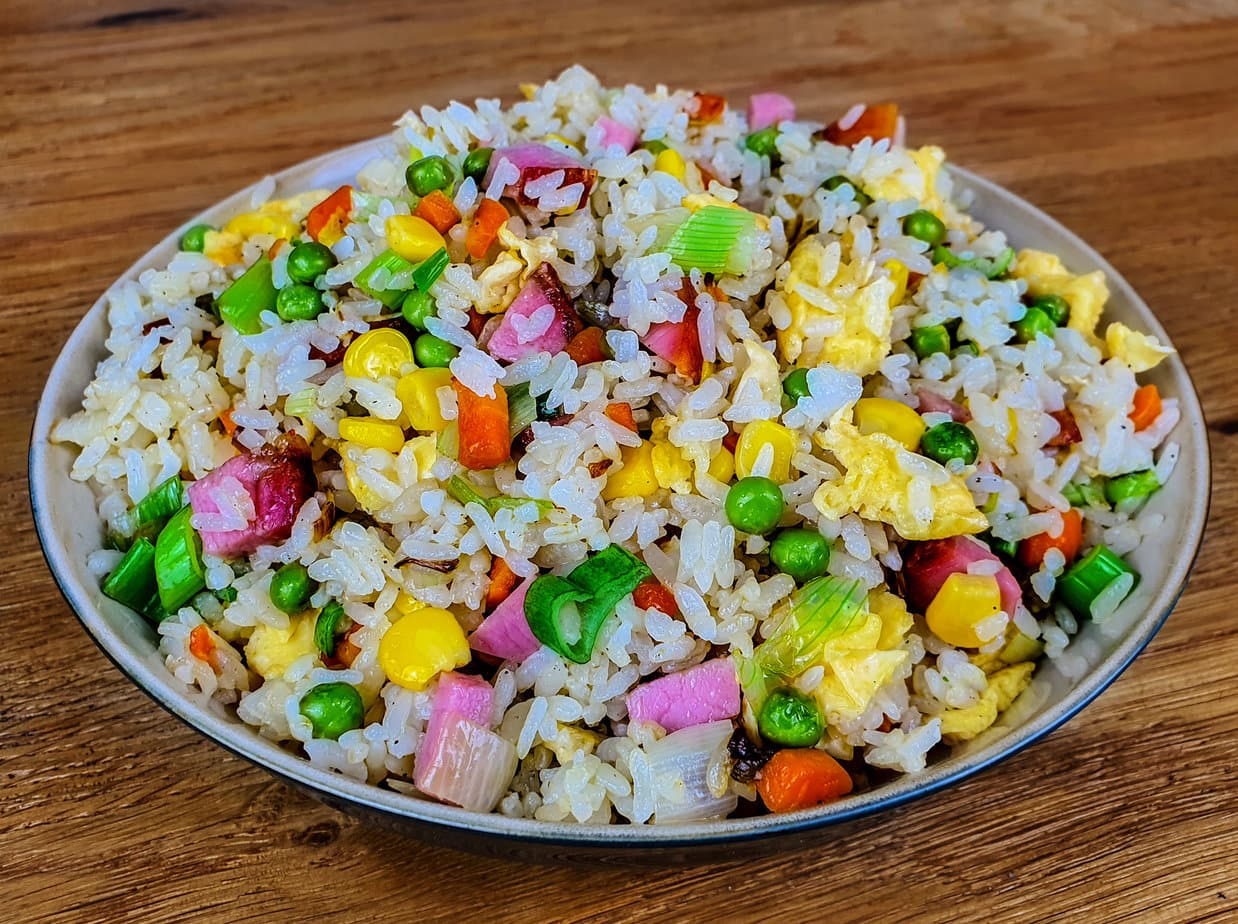
On the palate, everything should be in balance : savory and garlicky, with a tangy, salty edge. Avoid anything too sweet, tocino-style. The rule is simple : tocino is sweet; tapa is not. A restrained marinade keeps the clean flavor of the meat front and center : soy sauce, calamansi, garlic, black pepper, and just a hint of sugar.
Toyomansi, a mixture of soy sauce and calamansi, is considered traditional ; many cooks use an approximate 2-to-1 ratio (two parts soy to one part calamansi). Vinegar-marinated versions are just as authentic.
For serving : spicy vinegar with siling labuyo (chili). Atchara adds brightness, while banana ketchup is a more modern addition that divides opinion. So how did this simple curing technique become a breakfast icon in Manila ?
Origins of Tapsilog
In 1980s Manila, Tapsi ni Vivian, founded by Vivian Del Rosario, propelled tapsilog beyond the neighborhood tapsihan and sparked citywide enthusiasm. The formula, tapa, sinangag, itlog, was not new, but the eatery’s success turned the combo into an iconic breakfast.
Long before this boom, tapa was simply a technique : salting meat with salt, garlic, and an acid, then air- or sun-drying it on a bilao before quickly cooking it in a pan or on the grill. One cook remembers : “Dad made beef tapa… marinated a bit like adobo (toyo, vinegar, sugar, pepper, garlic)… then he air-dried it.”
In Ilocos, dark, sharp sukang Iloko and dry heat lend themselves to sun-drying ; in the Visayas, kusahos or kasajos ilonggo marinates the meat adobo-style and dries it for one to three days, “the drier, the better.”
The protein varies by region : local beef, carabao for tapang kalabaw, or even horse for tapang kabayo. Manila modernized the dish : thin slices in a soy and calamansi mixture, more or less sweet-salty, often without drying, then cooked directly in a pan, sometimes with a little water followed by oil. The result is delicious, but it can drift away from the profile expected of Ilocano-style tapa.
Even so, classic tapa is still pan-fried or grilled until golden and fairly dry ; boiled-then-fried versions, or wetter ones, do exist, but they move away from the key marker : salted and dried meat.
In the end, the plate brings together tender beef with a bit of chew, deeply garlicky rice, and a runny egg, with a vinegary, spicy sawsawan (dipping sauce). That contrast is what sealed tapsilog’s status as an essential comfort breakfast in the Philippines.
Main Ingredients of Tapsilog
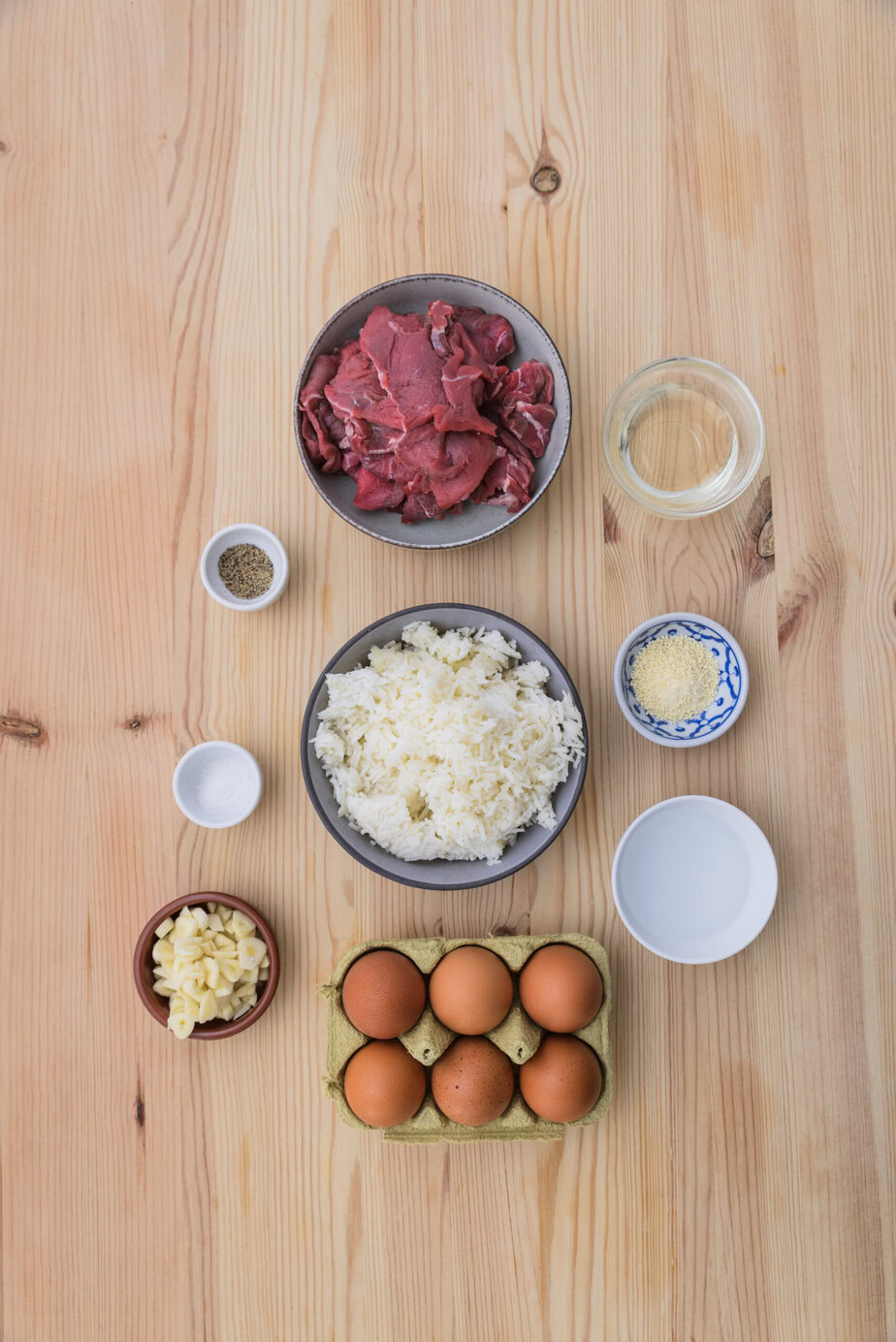
- Beef (sirloin or flank steak ; carabao or horse, depending on the region) : the main protein, with deep umami and a satisfying chew. Slice it thinly : against the grain for tenderness, or with the grain for a firmer bite. A little surface fat or marbling enhances both aroma and browning.
- Soy sauce (toyo) : the salty, umami backbone. It seasons the meat deeply and encourages the Maillard reaction, giving you beautifully browned edges.
- Calamansi juice (toyomansi) or cane vinegar (for example, sukang Iloko) : acidity brightens and lightly tenderizes the meat. Toyomansi leans citrusy and tangy ; a vinegar cure will be sharper. Many cooks use a ratio of about 2 to 1 between soy and acid.
- Garlic (plenty of it) : the signature flavor, for both the tapa and the sinangag. It perfumes the marinade, then comes back in the rice for that distinctly Filipino garlicky punch, especially with fried garlic.
- Black pepper : a rounded peppery warmth that balances the beef without overpowering it.
- Annatto (atsuete), optional : gives tapa its typical reddish hue ; its aromatic impact is mild.
- Cooked day-old white rice : the base of sinangag. Drier and cooled, it is easy to work with : the grains separate well in the pan and stay loose, non-greasy, and very garlicky.
- Eggs (fried ; “dapa,” “mata ng toro”) : a runny yolk adds richness and acts as a sauce, tying together the salty, garlicky, and tangy notes (if you enjoy marinated eggs, see ramen eggs).
- Condiments and sides : spicy vinegar with siling labuyo is the traditional sawsawan, ideal for cutting through the richness ; atchara brings a lively, crunchy contrast. Banana ketchup is a more modern, much-debated extra.
- Note on additions : oyster sauce, ketchup, or MSG are often considered unnecessary additions that muddy the clean flavor of the salted, dried meat ; authenticity favors restraint and short ingredient lists, with well-chosen sauces and condiments.
Regional Variations of Tapsilog
Ilocos/North : lean tapa, not very sweet, cured with sukang Iloko, salt, pepper, and lots of garlic ; the hot, dry climate is ideal for sun-drying. Often fried until crisp, it is prized for its bold, straightforward profile. As one food lover says of Ilocano-style tapa bought at a traditional Manila market : “not sweet, not too salty ; the meat keeps all its beautiful beefy flavor… tender, with just the right amount of yellow fat on the side.”
Central Luzon : sometimes a touch of patis (fish sauce) ; tapang kalabaw also appears. More garlic and soy, less sugar. Tocino, often sweetened with pineapple, belongs to a different category ; do not confuse the two profiles.
Visayas (kusahos/kasajos ilonggo) : adobo-style cure (vinegar, soy, garlic, pepper), sun-dried for 1 to 3 days ; “the drier, the better,” for concentrated flavor and crispness.
Mindanao : soy sauce with 7 Up illustrates local creativity ; there is also Tapa Sulu and variants seasoned with tausi.
Metro Manila (modern) : thin slices in a sweet-salty soy and calamansi mixture, often without drying ; sometimes shredded or cooked ginisa-style. The result is tasty, but farther from the “salted-dried” ideal.
Equipment
Ingredients
- 950 g cooked rice ideally long-grain, chilled overnight in the refrigerator (~50% of the weight in uncooked rice)
- 500 g beef thinly sliced
- 6 eggs
- 1 head garlic minced (set some aside for the rice and, if you like, for the sawsawan)
- 4 tablespoons vinegar plus a little extra for the sawsawan (optional)
- salt to taste
- black pepper to taste
- neutral cooking oil
- brown sugar optional, for a lightly sweet tapa
- Maggi Magic Sarap optional
- chili pepper optional, for the sawsawan
Instructions
Marinade (tapa)
- Set aside some of the garlic for the sinangag and, if desired, for the sawsawan; use the rest for the marinade.1 head garlic
- Combine the beef with the vinegar, the marinade garlic, salt, and pepper. Add the brown sugar if desired. Cover and marinate in the refrigerator overnight (or longer).500 g beef, 4 tablespoons vinegar, salt, black pepper, brown sugar
Cooking
- In a nonstick skillet, fry the eggs sunny-side up in a little oil, keeping the yolks intact. Set aside.6 eggs, neutral cooking oil
- Drain the beef well and let it drip for a few minutes to reduce excess liquid in the pan.
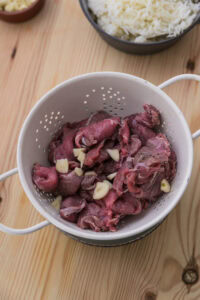
- In the same skillet over medium heat, add a little more oil if needed. Cook the beef in a single layer (don’t overcrowd), turning as needed, for 3 to 5 minutes, until it releases its juices and the liquid is nearly absorbed.
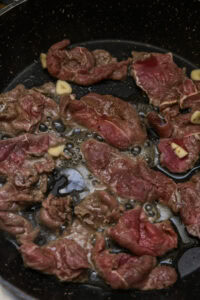
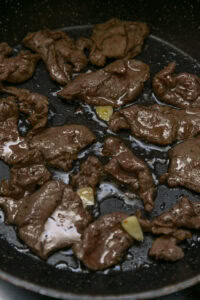
- Once the skillet is almost dry, add a splash of oil if needed and keep cooking until the beef is deeply browned and caramelized (lower the heat if you added brown sugar). Repeat with the remaining beef and keep the tapa warm.
Sinangag (garlic fried rice)
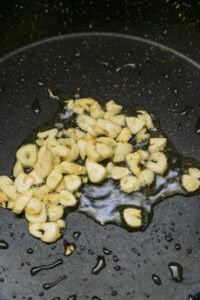
- In the same skillet, add a little oil and sauté the reserved garlic for the sinangag until golden.
- Add the cold rice and break it up with a spatula. Stir-fry until hot throughout and the grains are nicely separated.950 g cooked rice
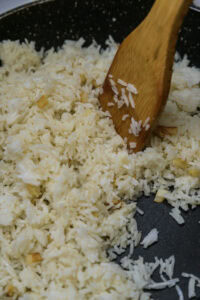
- Season the rice with salt and, if desired, Maggi Magic Sarap, then toss to combine evenly.Maggi Magic Sarap
Serving
- Plate the tapa with the sinangag and eggs. If you like, serve a sawsawan by mixing vinegar with a little garlic, salt, and chili pepper.chili pepper
Notes
- Make the rice the day before: cold, slightly dry rice stir-fries better and gives you beautifully separated grains.
- For best flavor, make the marinade the day before (chilling time is not included in the total time).
- Cook the beef in small batches to keep it from steaming and to encourage deep caramelization.
Culinary Sources
• The History of Tapsilog and Where It All Began – Esquire Philippines (English)
• Filipino Beef Tapa – Kawaling Pinoy (English)
• Homemade Beef Tapa – Panlasang Pinoy (English)
• Sirloin Beef Tapa à la Marketman – Market Manila (English)
• Homemade Beef Tapa Recipe – Pinoy Recipe at iba pa (English)
• Filipino Beef Tapa – Iankewks (English)
• Ilonggo-Style Beef Tapa Called “Kusahos” – Flavours of Iloilo (English)
• What Is Your Best Beef Tapa Recipe? – Reddit (English)
• Beef Tapa Recipe – Foxy Folksy (English)
• Tapsilog – (Tapa, Sinangag, and Egg) – Busog! Sarap! (English)
• Homemade Beef Tapa: Ketchup or Vinegar? – Reddit (English)
• My Tapa Does Not Taste Like Tapa. Help – Reddit (Filipino)