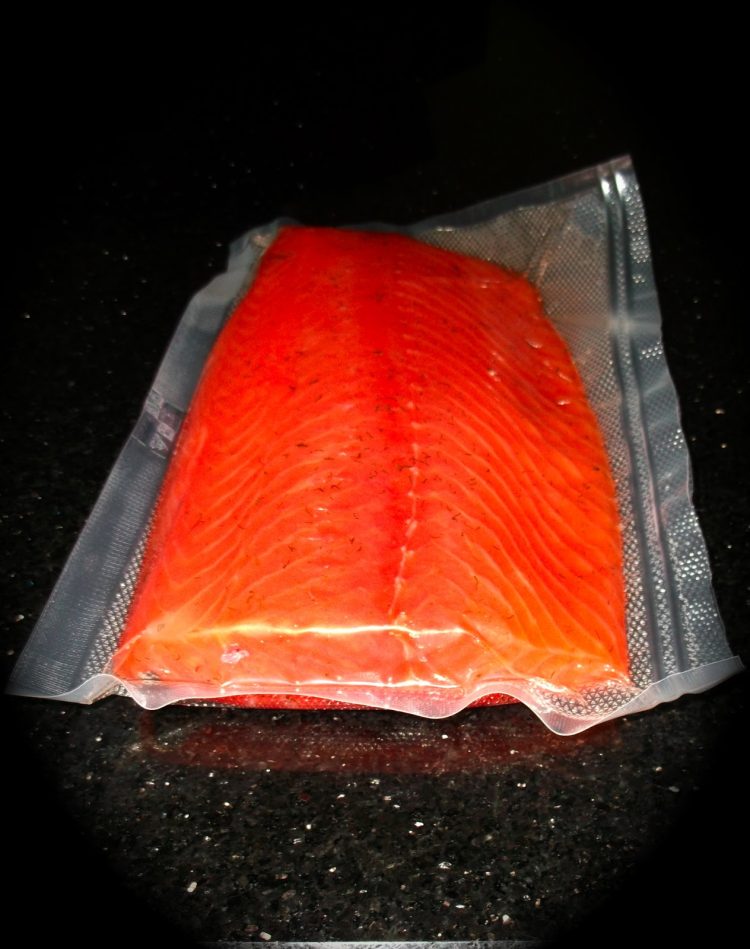
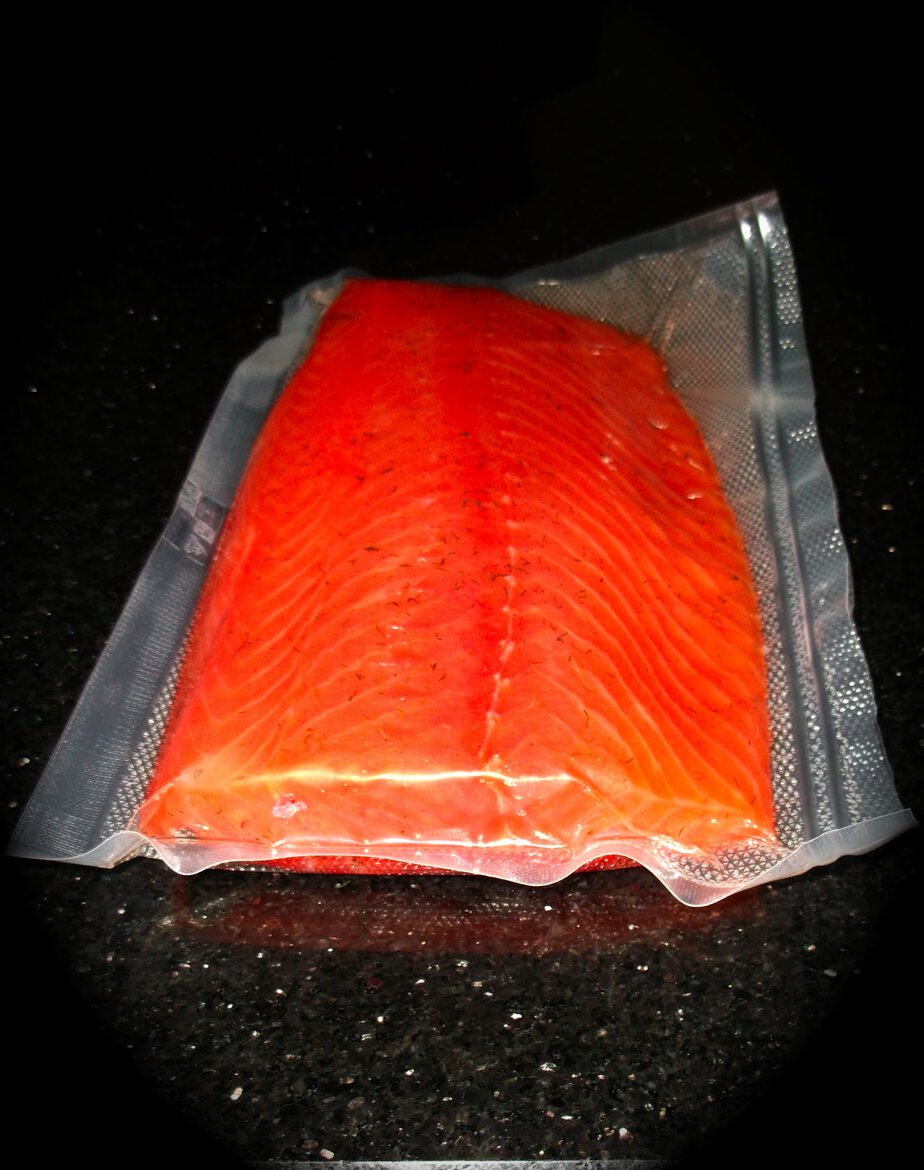
A salmon fillet cured with Guérande salt and sugar, cold-smoked over applewood, then matured in the refrigerator
A thin slice of smoked salmon on a piece of buttered bread, the flesh supple and glossy, a scent of applewood and dill: it’s the luxury of holiday tables, made with your own hands. When you make it yourself, you control every step, from curing to maturing. The result matches what you’d find in the finest gourmet shops, a far cry from the ultra-processed products sold in supermarkets.
What Is Homemade Smoked Salmon?
It’s a raw salmon fillet that is salted, dried, then exposed to cold smoke: the flesh stays raw, but it firms up and takes on the flavor of the wood. In this recipe, the fillet is covered with a mixture of Guérande salt, cane sugar and dill, dries overnight in the refrigerator, smokes for about three hours, then matures for 24 to 48 hours.
From Northern Smokehouses to Holiday Tables
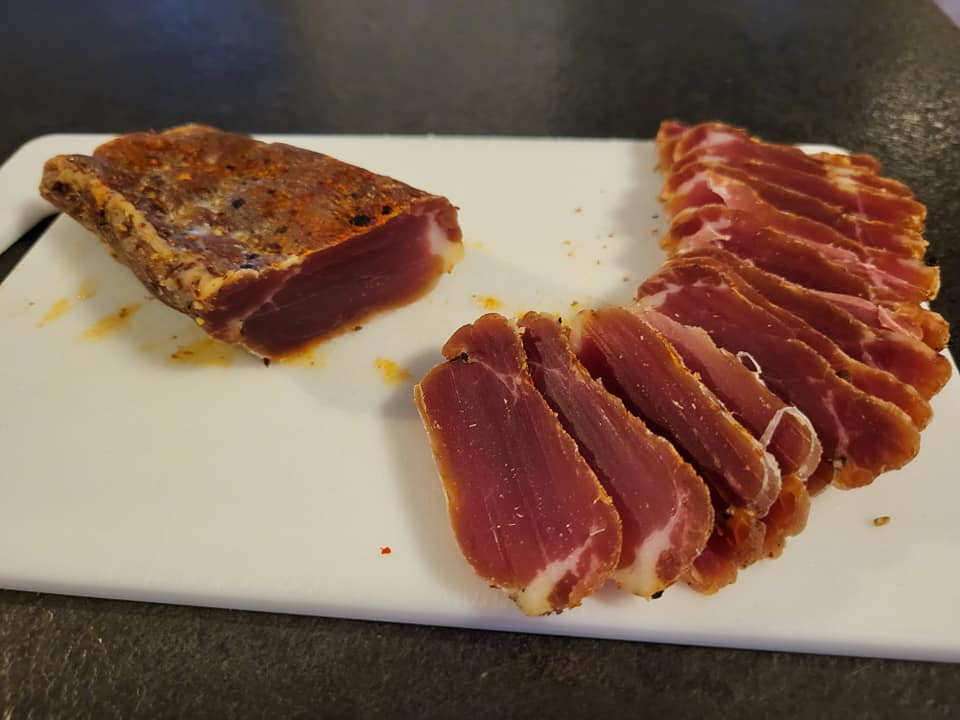
Smoked salmon grew out of age-old methods of preserving food. In the Nordic countries, where salmon is plentiful, it was smoked to keep it through the long winter months. Wood smoke extended its shelf life and gave it delicate, woody aromas along the way.
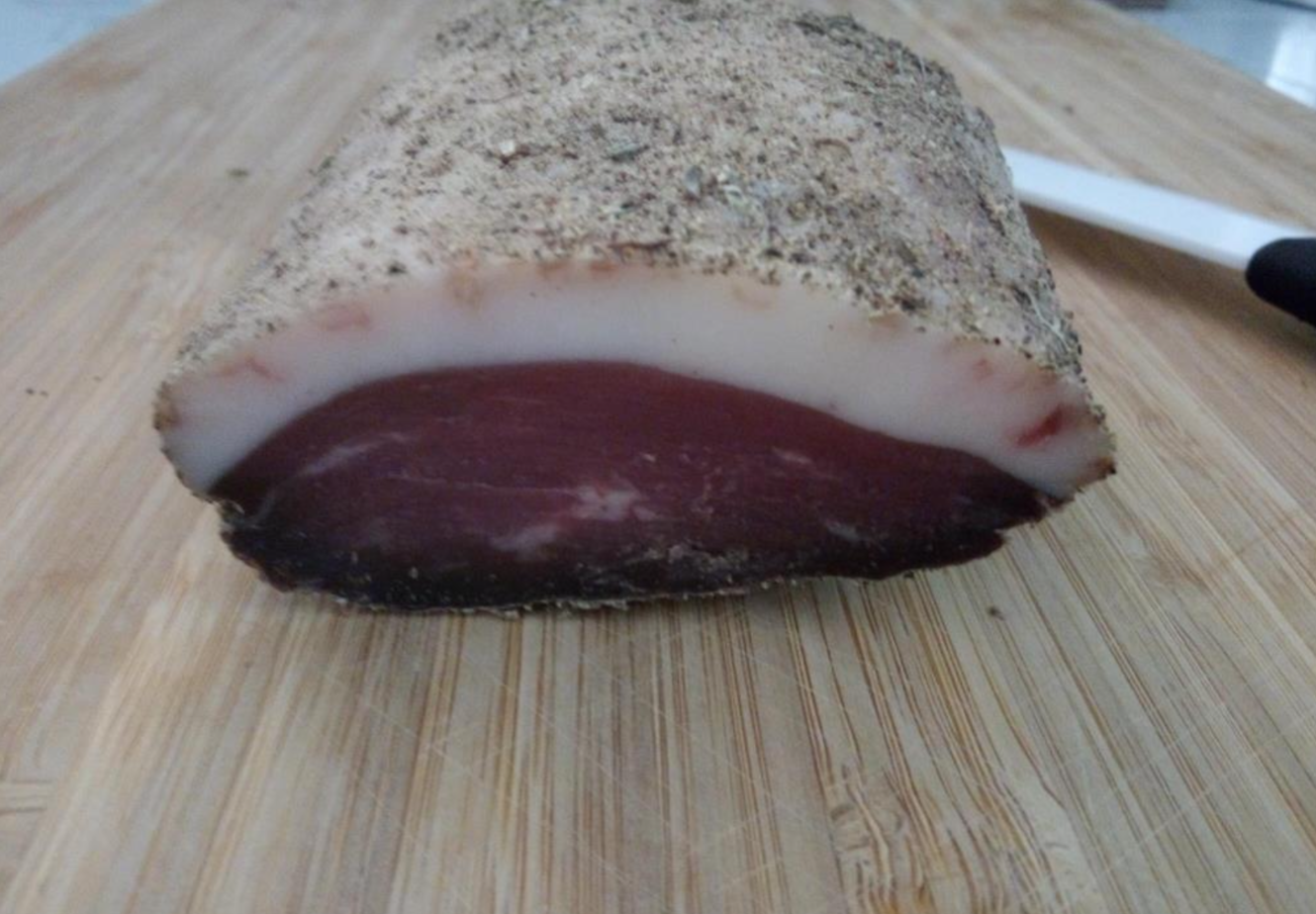
Over the centuries, smoked salmon went from a necessity to a luxury food, prized for its melt-in-your-mouth texture and subtle flavor, and served at holiday celebrations. Smoking techniques became more refined, with carefully chosen woods and spice blends.
The Main Ingredients in Homemade Smoked Salmon
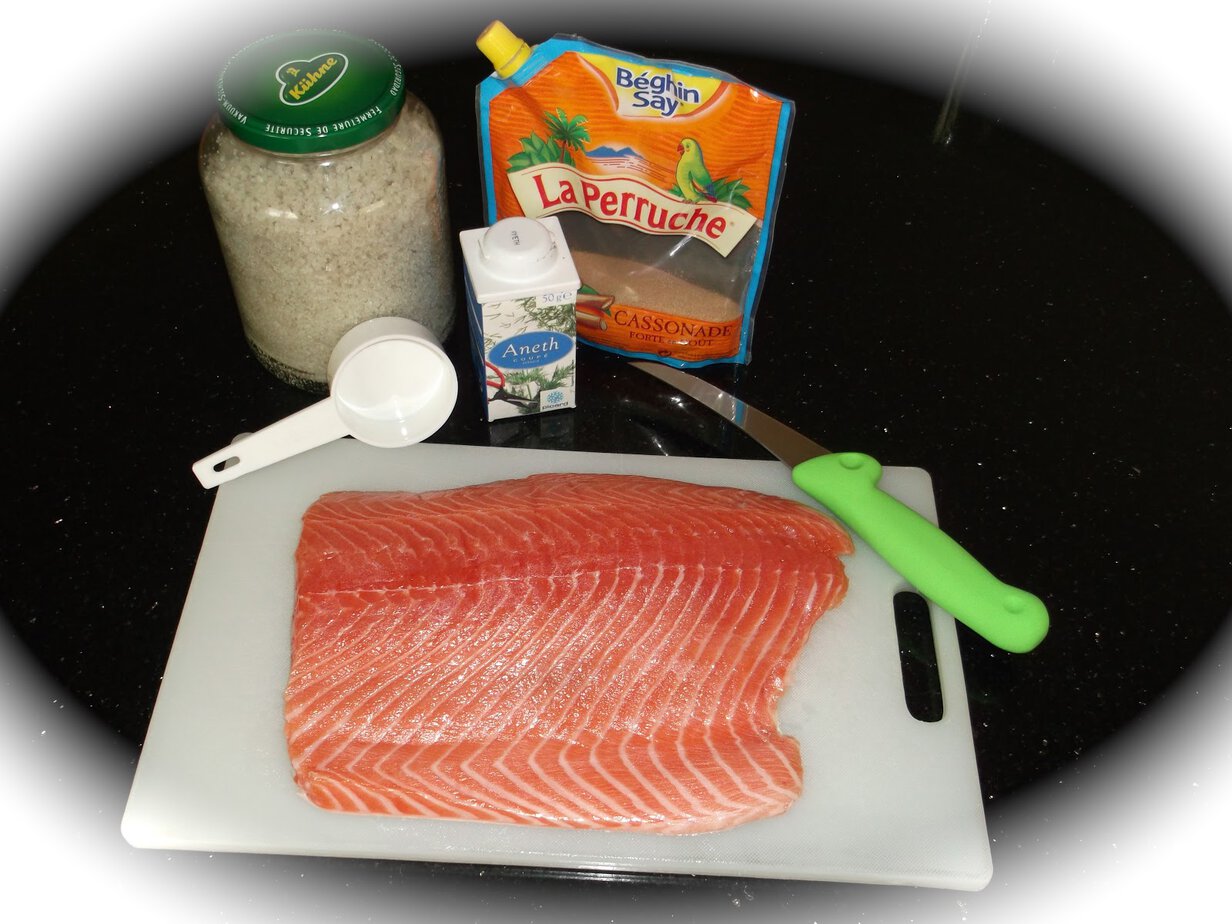
It all starts with a fresh salmon fillet. Choose a thick one so the flesh stays tender after smoking, ideally wild or responsibly farmed.
The cure combines Guérande salt and cane sugar. The salt draws a little moisture out of the salmon and concentrates its flavor without drying it out. Richer in minerals than refined salt, Guérande salt is also slightly less salty, weight for weight. The sugar balances the salt and softens the flesh, and the dill adds a fresh, faintly anise-like note right from this stage.
The smoking wood makes a big difference to the final flavor. Applewood chips give a mild, fruity smoke that’s ideal for salmon, and other fruitwoods also flavor the fish without overpowering it.
Technical Tips for Good Smoked Salmon
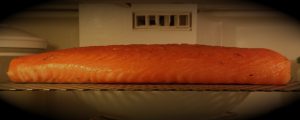
After rinsing, resting the fillet overnight on a rack in the refrigerator dries its surface. A thin, slightly tacky film forms on it, and that’s what the smoke clings to.
A recipe republished from the Charcuterie di Lorenzo blog with permission
Equipment
- Smoker
Ingredients
- Guérande salt
- Cane sugar
- Dill for flavor
- 1 fresh salmon fillet about 4 cm thick
Instructions
- Prepare the salmon fillet by removing all the bones and trimming it to an even shape.1 fresh salmon fillet
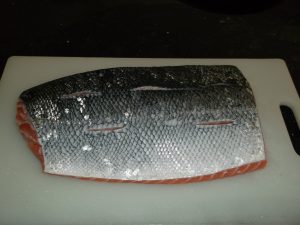
- Make a few cuts in the salmon skin without cutting into the flesh (optional).
- Mix 2 parts Guérande salt with 1 part cane sugar and add dill.Guérande salt, Cane sugar, Dill
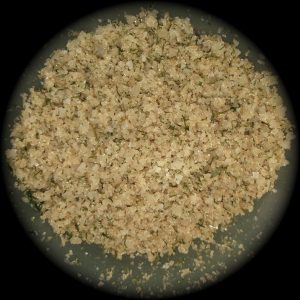
- Rub the salmon fillet generously with the salt, sugar and dill mixture.
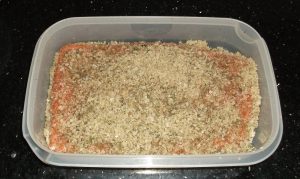
- Place the salmon in the refrigerator for 1 hour per centimeter of thickness (for example, 4 hours for a 4 cm fillet).
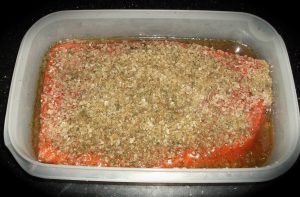
- Once the curing time is up, rinse the fillet under cold water to remove the excess salt.
- Pat the salmon thoroughly dry with paper towels.
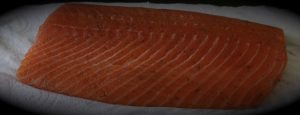
- Set the fillet on a rack and let it rest in the refrigerator overnight.
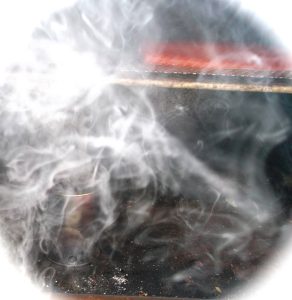
- Prepare the smoker for cold smoking.

- Use apple wood chips or chips from another fruit tree for a delicate flavor.
- Smoke the salmon for about 3 hours, or according to how intense you want the flavor to be.
- After smoking, place the salmon fillet in an airtight plastic bag, pressing out as much air as possible, or vacuum-seal it.

- Let it mature in the refrigerator for 24 to 48 hours so the flavors can come together.
- The smoked salmon keeps for up to 6 days in the refrigerator in an airtight bag, or up to 12 days if vacuum-sealed.
Notes
Maturing is a crucial step in fully developing the aromas of the smoked salmon.