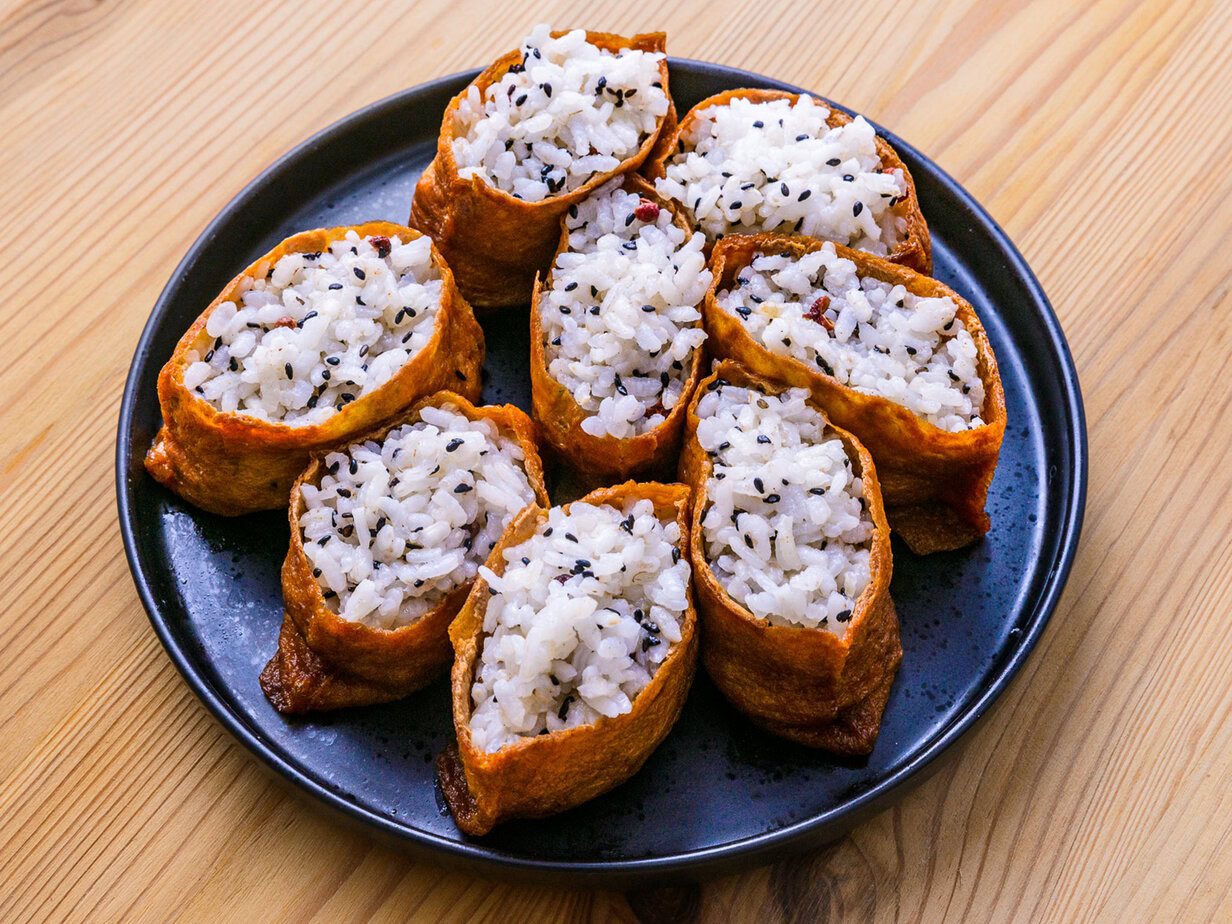
Servings: 10
Ingredients
Aburaage Pockets
- 10 sheets aburaage fried tofu
Seasoning for the Aburaage Pockets
- 210 ml dashi
- 1 tablespoon sake
- 2 tablespoons light soy sauce
- 2 tablespoons mirin
- 1 tablespoon sugar
- 1 teaspoon salt
Vinegared Rice
- 300 g Japanese rice dry weight
- 3 tablespoons rice vinegar
- 2 tablespoons sugar
- 1 teaspoon salt
- sesame seeds to taste
- sanshō peppercorns or Sichuan peppercorns, to taste
Accompaniments
- pickled ginger pickled in plum vinegar, to taste
- shibazuke Japanese pickles, to taste
Procédé
Prepare the Aburaage Pockets
- Roll a chopstick (or another blunt-edged object) over the aburaage sheets to break down the fibers and make them easier to open.10 sheets aburaage
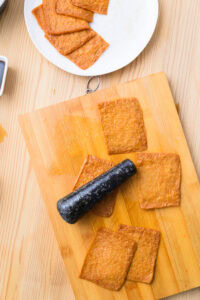
- Blanch the aburaage sheets in plenty of boiling water for 1 to 2 minutes to remove excess oil, then drain.
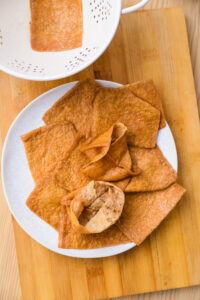
- Rinse the aburaage sheets in water to cool, then press them firmly by hand to remove the excess water.
- Cut the aburaage sheets in half and gently open them into pockets.
Cook the Aburaage Pockets
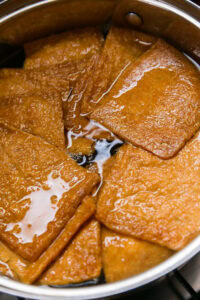
- Arrange the aburaage pockets in a radial pattern in a saucepan, leaving the center empty.
- Pour the dashi, sake, soy sauce, mirin, sugar, and salt into the center of the saucepan. Place a drop lid or a piece of parchment paper directly on top to keep the pockets in place.210 ml dashi, 1 tablespoon sake, 2 tablespoons light soy sauce, 2 tablespoons mirin, 1 tablespoon sugar, 1 teaspoon salt
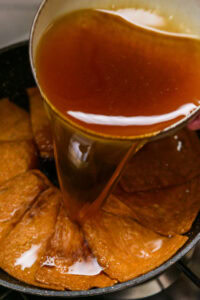
- Simmer over medium-low heat for about 20 minutes, pressing down on the drop lid from time to time to distribute the liquid evenly. Adjust the seasoning if needed.
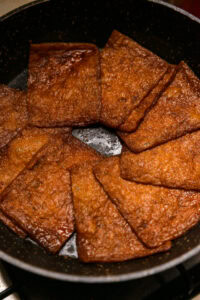
- When only a little liquid remains, turn off the heat and let the aburaage cool in the saucepan for a few hours so it can absorb the seasoning.
Prepare the Vinegared Rice
- Cook the Japanese rice with slightly less water than usual.300 g Japanese rice
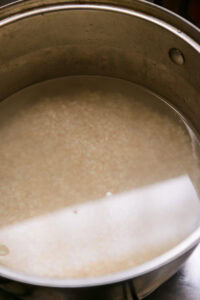
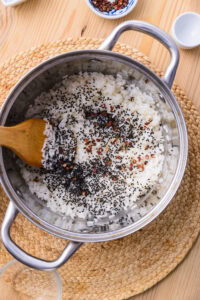
- Mix the rice vinegar, sugar, and salt to make the sushi vinegar, then pour it over the hot rice.3 tablespoons rice vinegar, 2 tablespoons sugar, 1 teaspoon salt
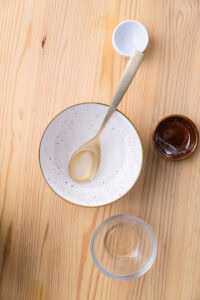
- Gently fold the rice with a slicing motion using a spatula, then add the sesame seeds and sanshō peppercorns.sesame seeds, sanshō peppercorns
Assemble the Inari Sushi
- Shape the vinegared rice into small oval portions.
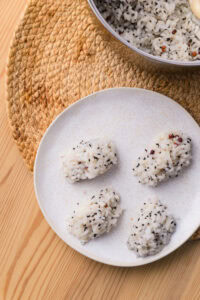
- Fill the aburaage pockets with the portions of vinegared rice.
- Serve with pickled ginger and shibazuke, to taste.pickled ginger, shibazuke
Notes
- For a lighter texture, drain and press the aburaage well after blanching.
- Letting the pockets cool in their cooking liquid helps them absorb the seasoning more deeply.
Did you make this recipe?Tag @marcwiner on Instagram!