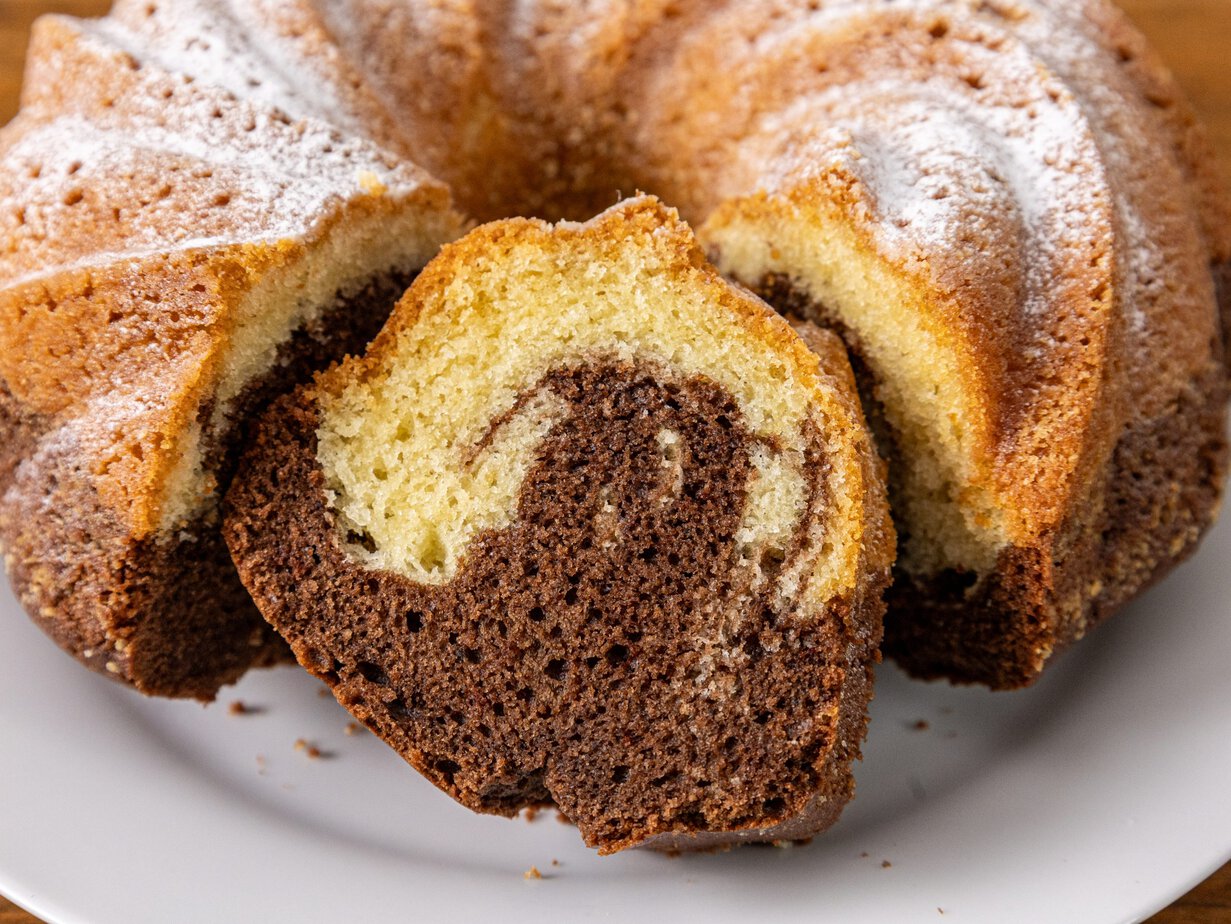
Servings: 16 slices
Ingredients
Pan
- Butter, or margarine, for the pan
- Breadcrumbs, for the pan
Batter
- 250 g butter softened
- 170 g sugar granulated
- 1 packet vanilla sugar (about 8 g)
- 1 pinch salt
- 5 eggs, at room temperature
- 250 g wheat flour T45
- 1 packet baking powder German (Backpulver, about 16 g)
Cocoa Batter
- 20 g cocoa powder unsweetened
- 50 ml milk, at room temperature
Chocolate Glaze (Optional)
- 200 g couverture chocolate dark, or milk
- 20 g coconut oil solid (such as Végétaline)
Finishing Without Glaze
- Powdered sugar, for dusting
Procédé
Before You Start
- Take the butter, eggs and milk out of the fridge at least 1 hour ahead: they need to be at room temperature for the batter to have the right consistency.250 g butter, 5 eggs,, 50 ml milk,
Oven and Pan
- Preheat the oven to 180°C using conventional top and bottom heat.
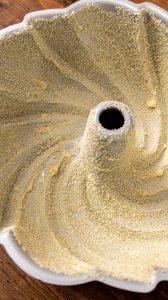
- Butter the entire inside of a 22 cm diameter Bundt pan (Gugelhupf).Butter,
- Sprinkle some breadcrumbs into the pan.Breadcrumbs,
- Rotate the pan so the breadcrumbs coat the entire inside.
Batter
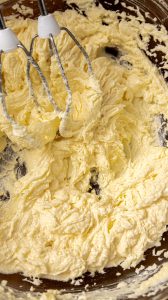
- Put the softened butter, sugar, vanilla sugar and salt in a mixing bowl.170 g sugar, 1 packet vanilla sugar, 1 pinch salt
- Beat for 2 to 3 minutes with a hand mixer or stand mixer until the mixture is fluffy.
- Add the eggs one at a time, beating constantly.
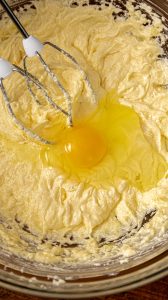
- Keep beating for 2 minutes.
- Mix the flour and baking powder in a bowl.250 g wheat flour, 1 packet baking powder
- If the mixture is lumpy, sift it.
- Pour the flour and baking powder into the mixing bowl.
- Beat for 1 more minute at most, just until the batter is smooth and creamy.
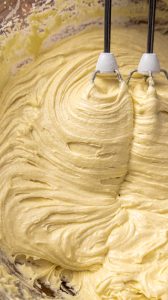
- Don't beat any longer: overworked batter makes a less tender cake.
Cocoa Batter
- Pour half of the batter into a second mixing bowl.
- Sift the cocoa, which is often lumpy straight out of the container.20 g cocoa powder
- Add the cocoa and milk to the half of the batter left in the first bowl.
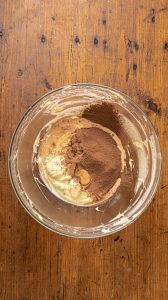
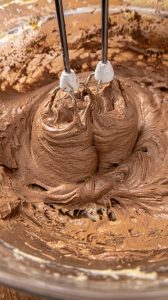
- Beat for 1 minute, until the cocoa and milk are fully incorporated.
Layering and Marbling
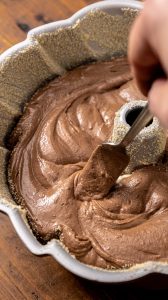
- Pour the plain batter into the pan first.
- Pour the cocoa batter over the top.
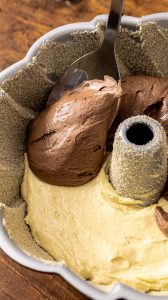
- Insert a fork into the batter.
- Draw spiral circles through both layers of batter to create the marbling.
Baking
- Bake on the middle rack for about 45 to 50 minutes.
- Check for doneness by inserting a wooden skewer into the cake: it should come out dry, with no batter sticking to it.
- Take the cake out of the oven.
- Let the cake cool in the pan for about 15 minutes.
- Carefully turn the cake out onto a wire rack.
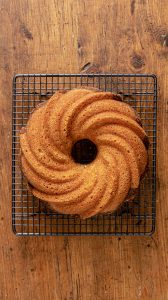
- Let cool completely.
Chocolate Glaze (Optional)
- Melt the couverture chocolate over a water bath, ideally in a double boiler insert.200 g couverture chocolate
- Add the coconut oil.20 g coconut oil
- Stir until the coconut oil and chocolate are well combined.
- Pour the glaze over the cooled cake.
- Spread it with the back of a tablespoon or with a pastry brush.
- Let the glaze set before slicing the cake.
Finishing Without Glaze
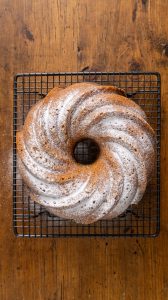
- Dust the cooled cake with powdered sugar.Powdered sugar,
Notes
Loaf pan: the same amount of batter works in a 30 cm loaf pan. Start testing with a skewer at 45 minutes and keep baking until it comes out dry.
Bundt pan size: the recipe is designed for a 20 to 22 cm pan. For a 26 cm pan, multiply all the quantities by 1.5.
In a 24 cm pan, the cake will be shorter and bake a little faster.
Bolder marbling: divide the plain batter and the cocoa batter in half each, then pour them into the pan in four alternating layers (plain, cocoa, plain, cocoa) before drawing the spirals with the fork.
Baking powder: in Germany, a packet of Backpulver weighs about 16 g. In France, a packet of baking powder weighs 11 g: weigh out 16 g of baking powder to stay true to the recipe.
Vanilla sugar: a German packet weighs about 8 g, a French one 7.5 g. Either works.
Flour: German Type 405 flour is equivalent to French T45 flour.
Couverture chocolate: this is baking chocolate rich in cocoa butter. Solid coconut oil makes the glaze glossier and less brittle when you slice it. If you're short on time, you can skip the glaze and simply dust the cake with powdered sugar.
Storage: 3 to 4 days at room temperature, preferably in an airtight container.
Freezing: the cake freezes well. Let it thaw at room temperature.
Did you make this recipe?Tag @marcwiner on Instagram!