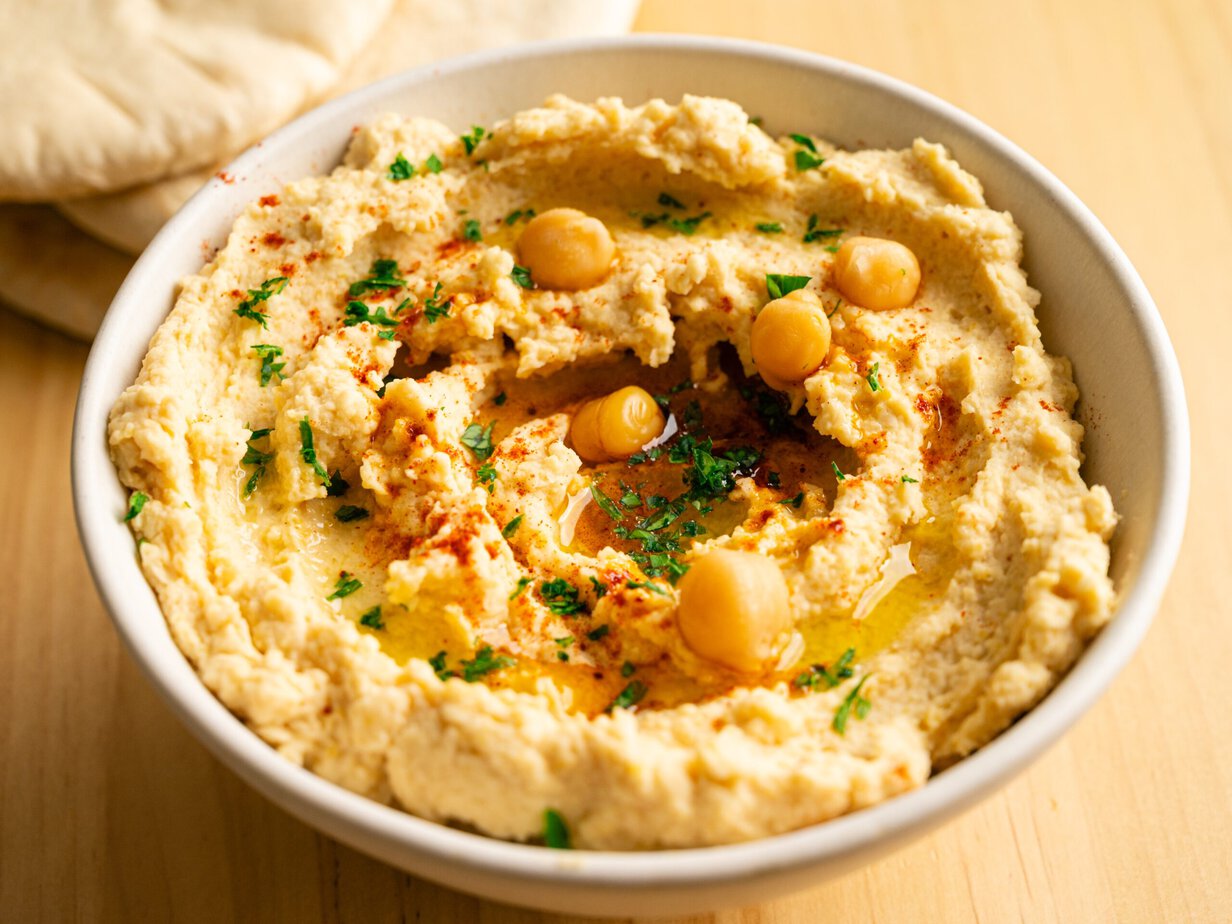
Servings: 4 servings
Ingredients
Soaking the Chickpeas
- 200 g chickpeas dried
- 1 teaspoon baking soda
Blending the Hummus
- 2 cloves garlic fresh
- 60 ml lemon juice fresh
- 0.5 teaspoon cumin ground
- 1 teaspoon sea salt
- 120 g tahini stirred well in the jar
- 180 ml water cold
Plating and Serving
- 2 tablespoons olive oil extra virgin
- 0.25 teaspoon paprika (optional)
- 1 tablespoon parsley fresh, chopped (optional)
- A few chickpeas whole cooked (optional)
- pita bread warm
Procédé
Soaking the Chickpeas
- Spread the dried chickpeas out on a plate or tray.200 g chickpeas
- Pick out any small stones, damaged chickpeas and debris.
- Rinse the chickpeas thoroughly under cold water.
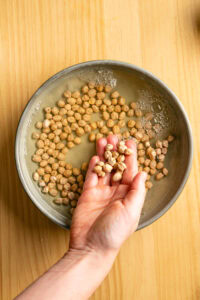
- Place the chickpeas in a large bowl, since they swell considerably as they soak, and cover them with plenty of water.
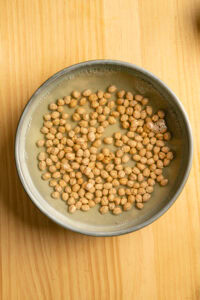
- Add the baking soda, which softens the chickpeas and their skins.1 teaspoon baking soda
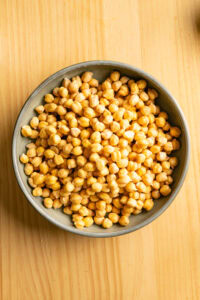
- Let soak for 6 to 8 hours, or overnight.
- By the end of soaking, the chickpeas will have swelled noticeably and give more easily when pressed between your fingers.
Cooking the Chickpeas
- Drain the soaked chickpeas and rinse them several times in clean water to get rid of the soaking water and any remaining baking soda.
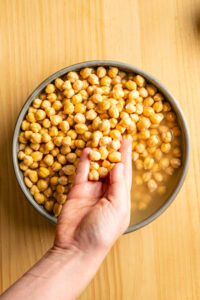
- Transfer them to a large saucepan and cover with several centimeters of fresh water.
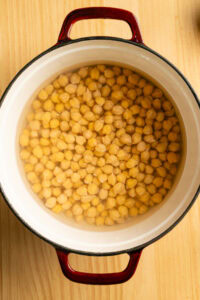
- Bring to a boil, then lower the heat to maintain a gentle, steady simmer.
- Skim off the foam that forms on the surface early in the cooking.
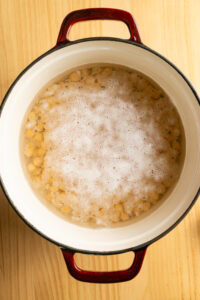
- Continue cooking until the chickpeas are very tender, more so than for a salad: a properly cooked chickpea crushes almost completely between two fingers, with no resistance.
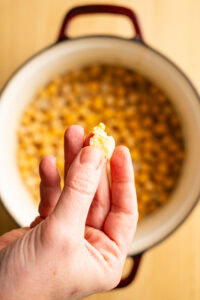
- Keep an eye on the water level as they cook and add hot water whenever needed so the chickpeas stay submerged.
- Cooking time varies with the age and type of chickpeas: judge by tenderness, not just by time.
- Drain the chickpeas, reserving a little of the cooking water, which can be used to fix the texture.
- Rub the chickpeas or rinse them gently to remove as many loose skins as possible.
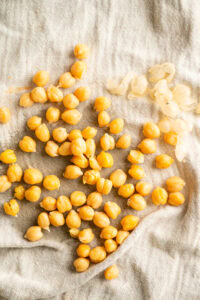
- Removing the skins is optional, but it gives a smoother texture.
Blending the Hummus
- Put the still-warm chickpeas in the food processor bowl: while warm, they bind much better with the tahini and lemon.
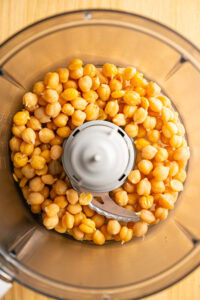
- Add the garlic, lemon juice, cumin and salt.2 cloves garlic, 60 ml lemon juice, 0.5 teaspoon cumin, 1 teaspoon sea salt
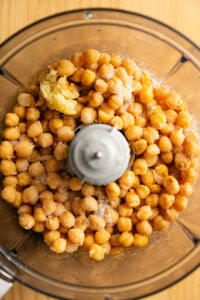
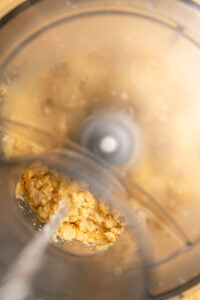
- Blend until you have a coarse, even paste.
- Scrape down the sides of the food processor while blending so that all the chickpeas are blended evenly.
- Add the tahini and blend again.120 g tahini
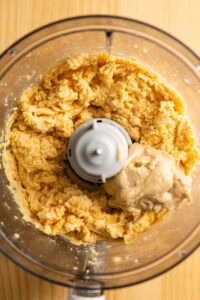
- The mixture may thicken briefly when the tahini meets the lemon and chickpeas: this is normal.
- Leave the food processor running and pour in the cold water gradually, never all at once.180 ml water
- Keep blending until the hummus is pale, smooth, light and easy to spread with a spoon.
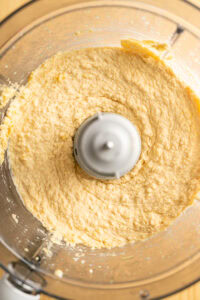
- Taste carefully, then adjust: lemon juice if the flavor lacks brightness, salt if it tastes flat, tahini if it lacks sesame flavor, a little cold water if the texture is thick.
- Blend for another one to two minutes after adjusting: this extra blending lightens and refines the texture.
Plating and Serving
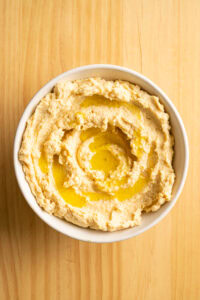
- Transfer the hummus to a flat serving plate or a wide bowl.
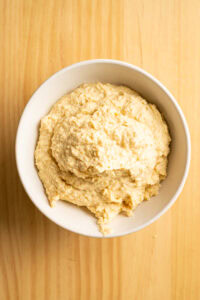
- Spread it outward with the back of a spoon and make a shallow well in the center.
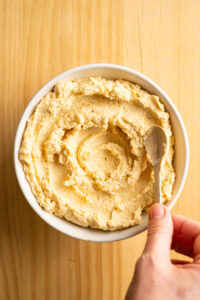
- Pour the extra virgin olive oil into the well and over the surface.2 tablespoons olive oil
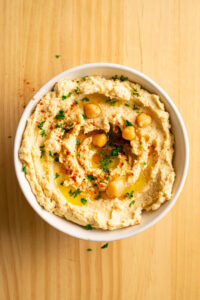
- Garnish with paprika, parsley and a few whole chickpeas.0.25 teaspoon paprika, 1 tablespoon parsley, A few chickpeas
- Serve with warm pita bread.pita bread
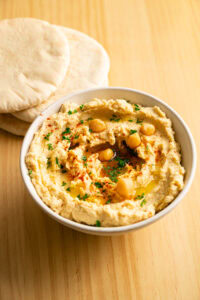
- Set the dish in the middle of the table with fresh vegetables, olives, pickles, falafel and other mezze.
Notes
A hummus bi tahini in the Palestinian and Levantine tradition: dried chickpeas rather than canned, an overnight soak, cooking until the chickpeas are very tender, skins removed, a runny, pourable tahini, and olive oil as a garnish for serving, not as fat in the blend.
Tahini separates in the jar: stir it thoroughly before weighing, as the sesame solids settle at the bottom. Taste it before using, too, since brands vary a lot in bitterness and saltiness. If your tahini is salted, start with less salt and adjust after blending. Squeeze the lemon shortly before you start.
The hummus is ready when there is no graininess left, the surface is smooth and slightly glossy, and a well made with a spoon holds without collapsing into liquid. If a chickpea is still firm when pressed between your fingers before blending, it needs more cooking.
If using canned chickpeas, rinse them well and, ideally, boil them for 15 to 20 minutes in fresh water before blending. For a milder garlic flavor, use just one clove.
Store the hummus in a clean, airtight container in the refrigerator, ideally eating it within 4 days. It thickens as it chills: loosen it with a little cold water and stir. Add the olive oil and garnishes just before serving.
Did you make this recipe?Tag @marcwiner on Instagram!