
Servings: 4
Ingredients
Preparing the Vegetables
- 1 butternut squash about 1.2 kg, preferably organic
- 1 yellow onion
- 2 cloves garlic
- 1 potato medium (about 150 g)
Cooking
- 2 tablespoons olive oil
- 1 L vegetable broth
- 1 pinch nutmeg grated
- Pepper
Blending and Seasoning
- 15 cl thick crème fraîche
- Salt
Finishing
- Pumpkin seeds toasted
Procédé
Preparing the Vegetables
- Peel the butternut squash with a vegetable peeler: its skin stays tough even after long simmering.1 butternut squash
- Cut it in half and scoop out the seeds with a spoon.

- Cut the flesh into 2 to 3 cm cubes.

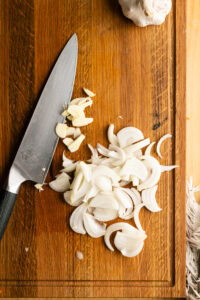
- Peel and thinly slice the onion and garlic.1 yellow onion, 2 cloves garlic
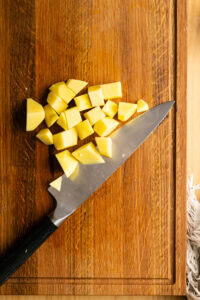
- Peel the potato and cut it into chunks.1 potato
Cooking
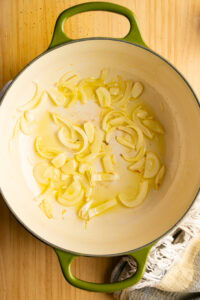
- Heat the olive oil in a large saucepan over low heat.2 tablespoons olive oil
- Sweat the onion and garlic for 3 minutes, until translucent, without letting them brown.
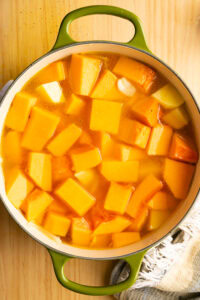
- Add the butternut and potato cubes.

- Stir for 2 minutes to coat them well in the oil.
- Pour in the vegetable broth.1 L vegetable broth
- Add the grated nutmeg and pepper, but no salt at this stage.1 pinch nutmeg, Pepper
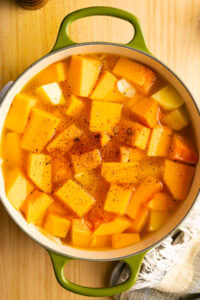
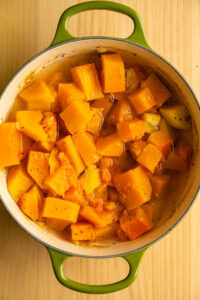
- Bring to a boil, then reduce the heat to low, cover and simmer for 25 minutes, until the squash cubes are tender and offer no resistance at all to a fork.
Blending and Seasoning
- Remove the saucepan from the heat.
- Add the crème fraîche off the heat to preserve its creaminess.15 cl thick crème fraîche
- Blend thoroughly with an immersion blender or in a countertop blender until perfectly smooth and velvety: the longer you blend, the silkier the soup.

- Taste, then season with salt to taste and adjust the pepper if needed: this is the only time the soup gets salted.Salt

Finishing
- Pour into well-warmed bowls.
- Add a drizzle of crème fraîche.
- Sprinkle with toasted pumpkin seeds.Pumpkin seeds
- Add a twist of the pepper mill.
- Serve piping hot.
- Serve with slices of toasted bread rubbed with garlic for a complete meal.
Notes
This recipe follows the classic French velouté method: the aromatics sweat gently without browning, the squash and potato are coated in fat before simmering, and the crème fraîche is added off the heat. Nutmeg and pumpkin seeds are the traditional finishing touches for butternut squash.
The creaminess comes down to three things. The starch in the potato naturally thickens the velouté without adding any fat. Blending time matters too: the longer you blend, the silkier and airier the texture. Finally, the cream always goes in off the heat.
Salt goes in only at the end, after blending. The broth already contains salt, and as the soup reduces while it simmers, it can end up too salty if you salt it too early.
Nutmeg is potent, so use it sparingly. For the broth, opt for homemade vegetable broth or a good-quality bouillon cube, and add just enough to cover the vegetables so the flavors aren't diluted.
Don't throw away the squash seeds. Rinse them under running water, dry them thoroughly, then toast them in a frying pan for 5 minutes with a drizzle of olive oil, some salt and a pinch of smoked paprika.
Butternut squash skin stays tough even after long simmering, so it needs to be peeled. If it resists, microwave the whole squash on low power for 5 to 7 minutes. Another option: cut the squash in half and roast it at 180°C for 40 to 50 minutes, then scoop out the flesh with a spoon.
For a deeper flavor, the butternut cubes can be roasted in the oven at 200°C for 25 minutes before being added to the broth.
The soup keeps for 3 to 4 days in the refrigerator with the cream, or 5 to 7 days without, in an airtight container. It can be frozen for 3 to 6 months without the cream: add the cream when reheating the soup over low heat, stirring.
Did you make this recipe?Tag @marcwiner on Instagram!